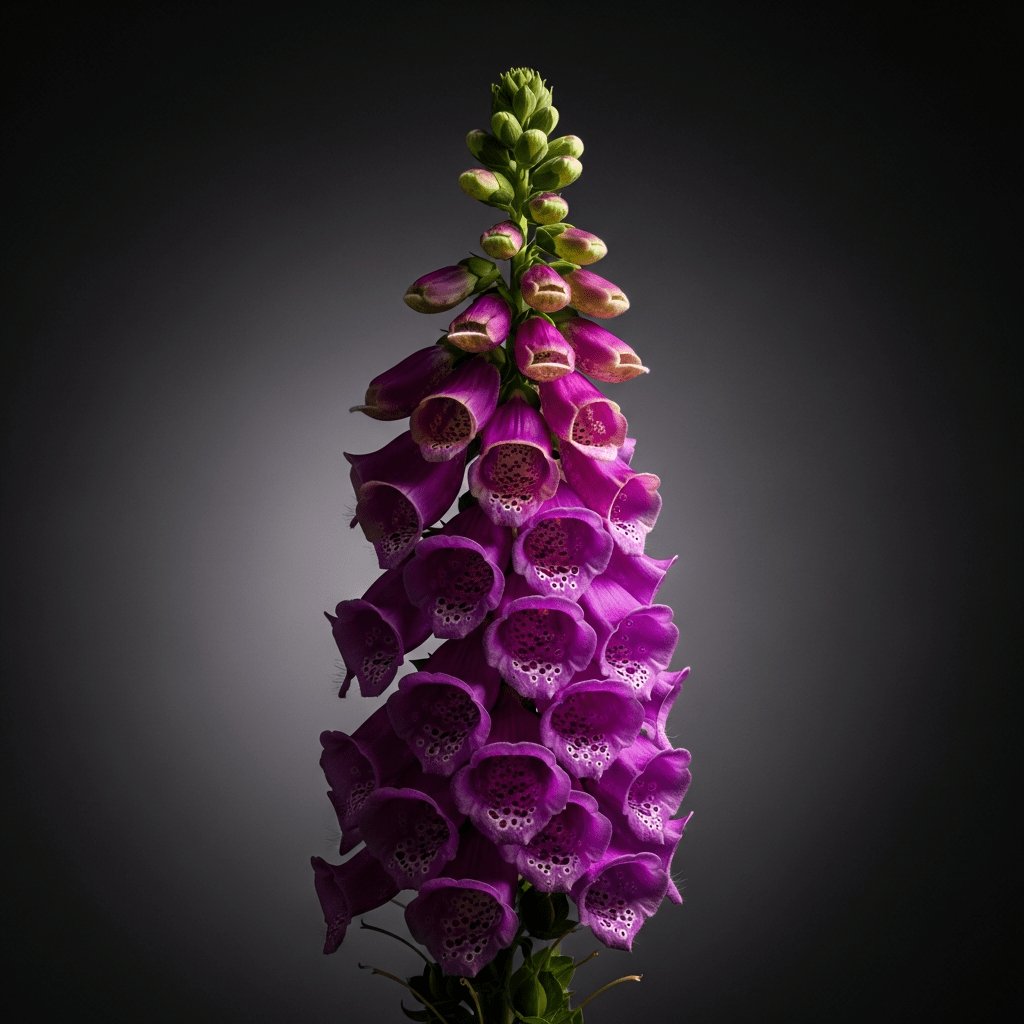
Foxglove
Foxglove is a striking flowering plant known for its tall spires of tubular blossoms and its dual reputation as a garden beauty and a source of potent medicinal compounds.
Foxglove is a striking flowering plant known for its tall spires of tubular blossoms and its dual reputation as a garden beauty and a source of potent medicinal compounds.
Foxglove, scientifically named Digitalis purpurea, originated in western, central, and southern Europe, flourishing in woodland clearings and meadows. First described by Carl Linnaeus in 1753, this species has since naturalized in North America and other temperate regions, adapting well to gardens and wild landscapes alike. Its horticultural journey began in the 19th century, with breeders in Europe and North America developing numerous cultivars to enhance its ornamental appeal.
Foxglove belongs to the genus Digitalis within the family Plantaginaceae, a group of flowering plants notable for their showy inflorescences and medicinal properties. While "foxglove" most commonly refers to Digitalis purpurea, the genus includes several other species and hybrids, some cultivated for their unique colors or forms. Classification follows botanical conventions, with binomial nomenclature and recognition of both wild and cultivated varieties.
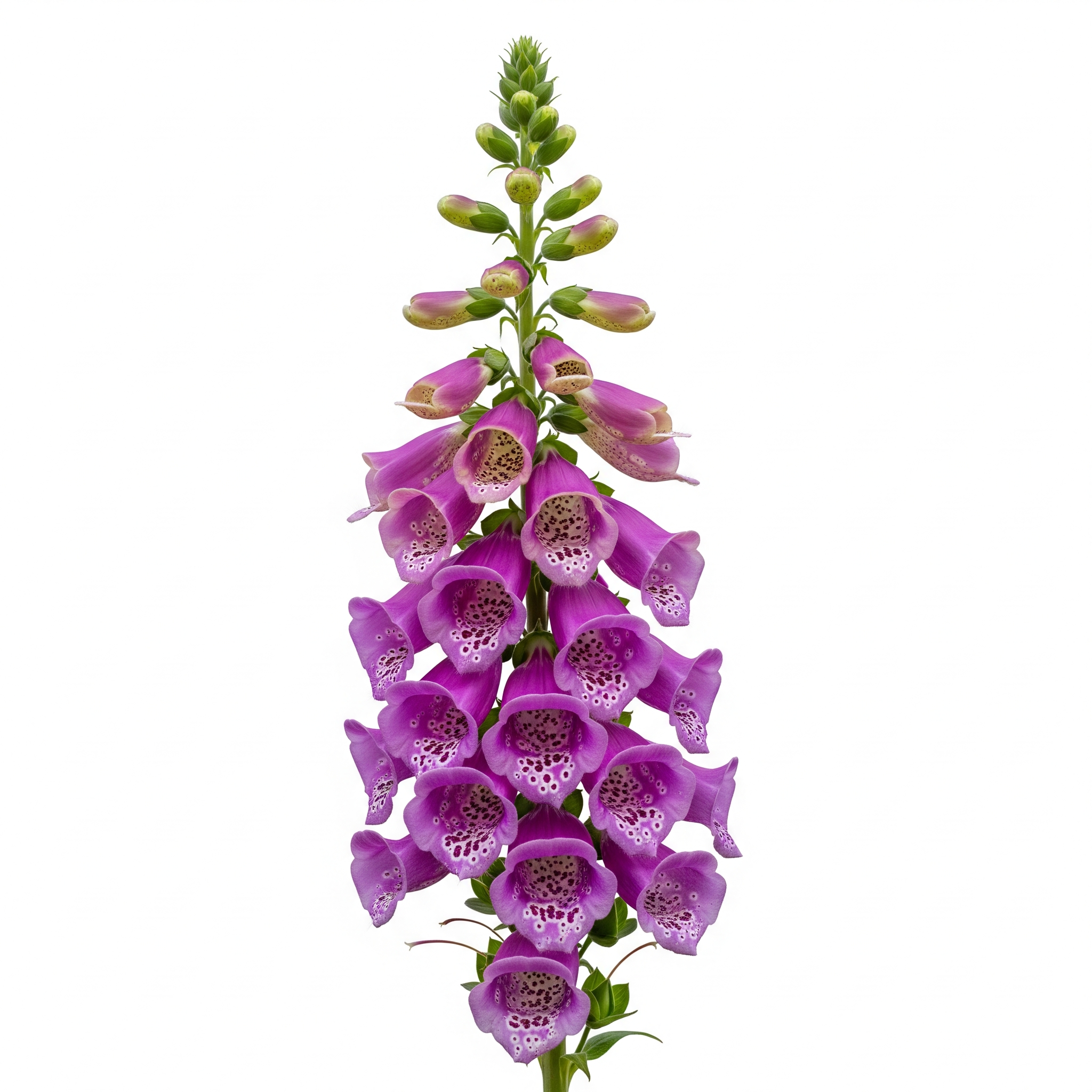
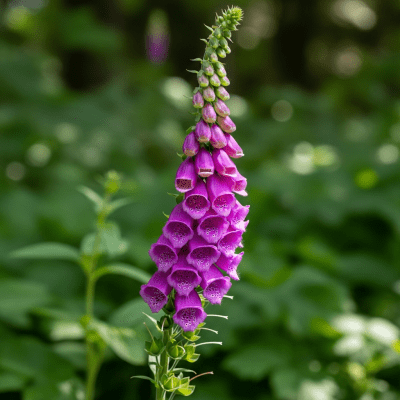
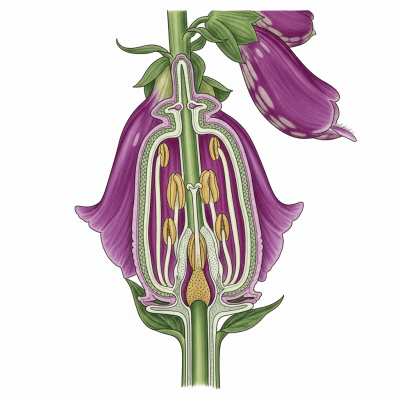
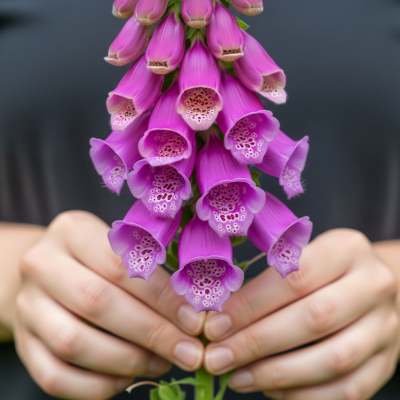
Foxglove plants are instantly recognizable for their tall, unbranched stems—reaching 60–150 cm—adorned with dense clusters of tubular flowers. Each blossom measures 4–6 cm and typically displays vivid purples or pinks, accented by white, spotted throats; cultivars may also present white, yellow, or apricot hues. The foliage forms a basal rosette of soft, lance-shaped leaves, covered in fine hairs, lending a lush texture to the plant’s base. The overall effect is both elegant and dramatic, making foxglove a favorite for vertical interest in gardens.
Foxglove serves primarily as a decorative garden plant, valued for its vertical accent and ability to attract pollinators such as bees. In addition to its ornamental role, foxglove is renowned in medicine as the natural source of cardiac glycosides, compounds used in heart medications. However, all parts of the plant are highly toxic, requiring careful handling and exclusion from culinary use. Foxglove’s prolific seed production also makes it easy to propagate, though its biennial lifecycle means it typically flowers in its second year.
Bring this kind into your world illustrated posters, mugs, and shirts.
Archival print, museum-grade paper
Buy Poster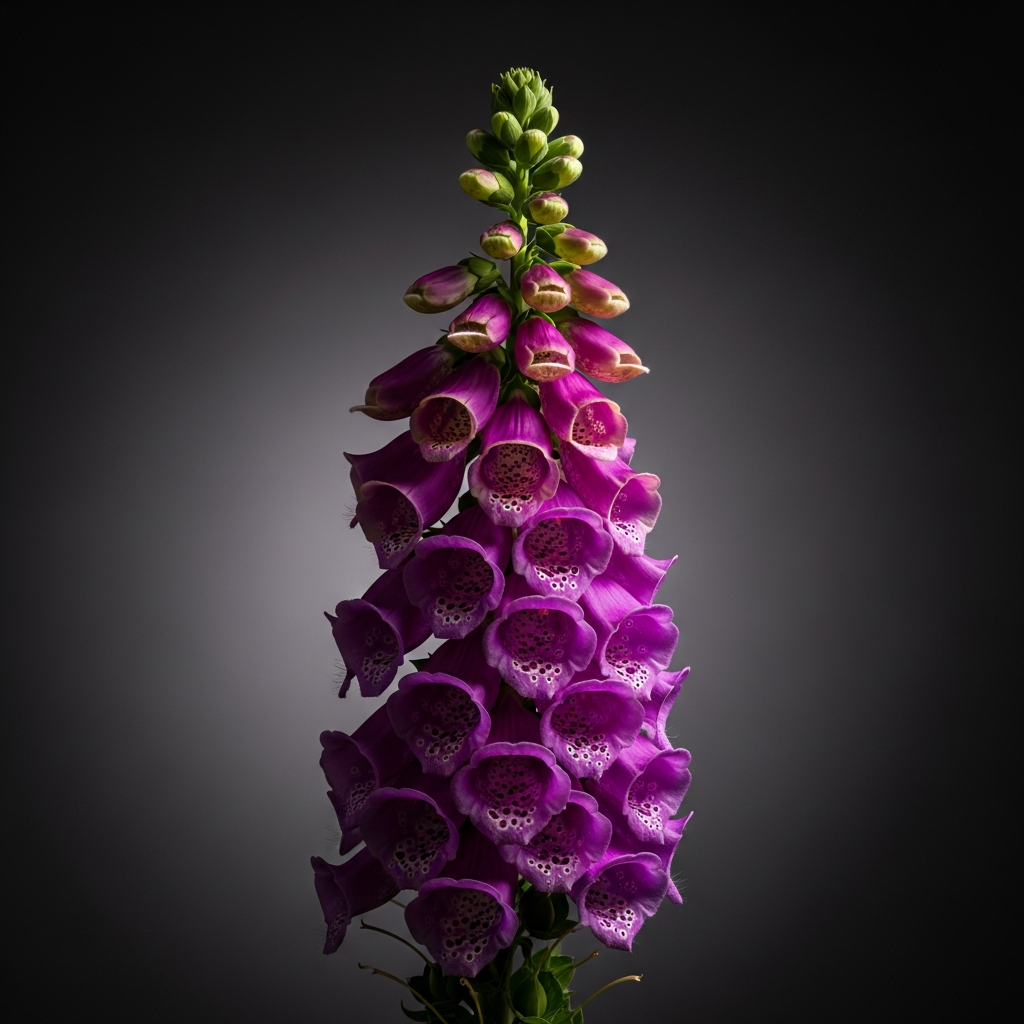
Stoneware mug, dishwasher safe
Buy Mug
Soft cotton tee, unisex sizes
Buy ShirtFoxglove is steeped in folklore and symbolism, especially in European traditions. It is often associated with fairies—sometimes called "fairy gloves"—and has been linked to both healing and danger, reflecting its medicinal value and potent toxicity. In cottage gardens, foxglove represents rustic charm and is a staple in classic English borders. Its presence in art and literature further cements its role as a plant of intrigue and beauty, embodying the delicate balance between remedy and risk.
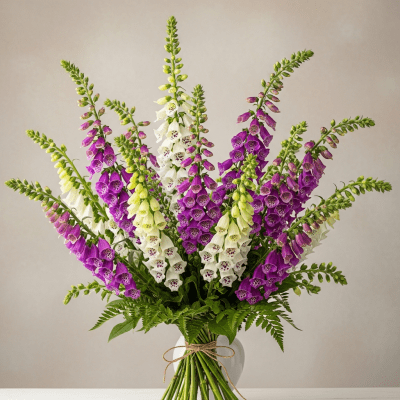
Foxglove flowers are celebrated for their vivid color palette, most commonly in shades of purple and pink, with white, yellow, and apricot varieties also available. While foxglove is not known for a pronounced fragrance, its visual impact is unmistakable, with spotted throats and dramatic vertical spikes that enliven any garden setting.

Foxglove thrives in partial shade and prefers well-drained, acidic to neutral soils. Seeds are best sown directly into the garden, where they will establish a basal rosette in the first year and flower in the second. Regular watering and avoidance of waterlogged conditions help prevent fungal issues such as leaf spots and crown rot. Deadheading spent flowers can encourage additional blooms, and seeds can be collected and stored in cool, dry conditions for up to two years. Foxglove is hardy in USDA zones 4–9 and generally resists browsing by deer and rabbits.
Foxglove carries rich symbolic meanings, representing both healing and danger. Its association with heart medicine links it to themes of restoration and protection, while its toxicity underscores caution and respect. In folklore, foxglove is often connected to fairies and magical realms, symbolizing enchantment and the mysterious interplay between beauty and peril.
Since the 19th century, breeders in Europe and North America have developed numerous foxglove cultivars and hybrids, focusing on flower color, bloom time, and plant longevity. Notable varieties such as 'Excelsior', 'Camelot', and 'Dalmatian' offer improved garden performance and visual diversity. Hybridization has also produced foxgloves with extended blooming periods and enhanced resistance to common diseases, though wild-type Digitalis purpurea remains the standard for medicinal use.
Foxglove typically blooms from late spring to midsummer, with flowering spikes appearing in the plant’s second year. Some perennial cultivars may offer repeat blooms, but most foxgloves are at their peak between May and July in temperate climates.
Foxglove is prized in ornamental horticulture for its dramatic vertical flowers and ability to attract pollinators. It is a traditional choice for cottage gardens and floral arrangements, though handling requires care due to toxicity. In the pharmaceutical realm, foxglove is the natural source of cardiac glycosides—critical ingredients in heart medications. Despite its medicinal value, foxglove is never used in culinary contexts and should be treated with caution in all applications.