Forget-Me-Not
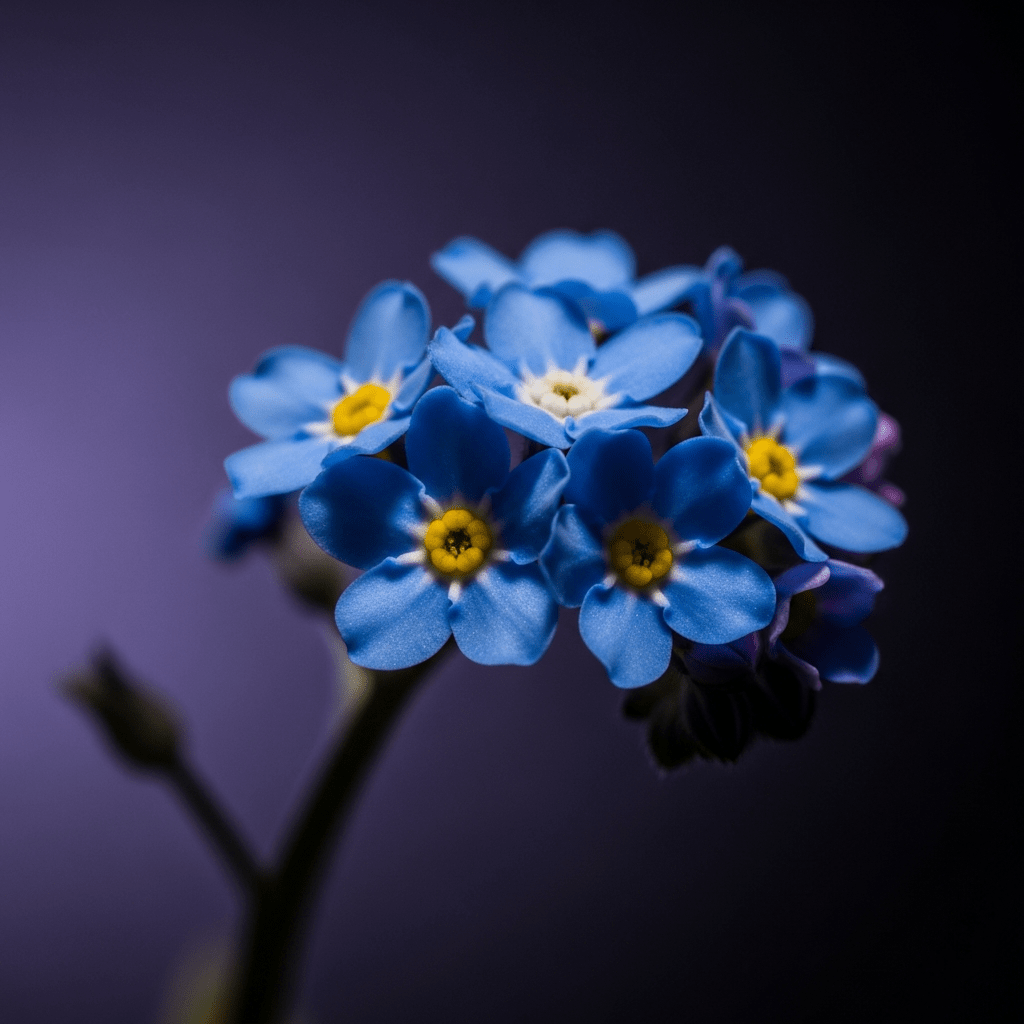
The forget-me-not is a delicate, small-flowered plant of the genus Myosotis, cherished worldwide for its vivid blue blossoms and deep associations with remembrance and enduring love.
The forget-me-not is a delicate, small-flowered plant of the genus Myosotis, cherished worldwide for its vivid blue blossoms and deep associations with remembrance and enduring love.
Forget-me-nots trace their origins to temperate regions across Europe and Asia, with notable species also native to New Zealand and North America. The genus Myosotis was formally described by Carl Linnaeus in 1753, though wild populations have been recognized since antiquity. Their spread and popularity grew naturally, with no single breeder or institution credited for their discovery, and today they flourish both in the wild and cultivated gardens around the world.
Forget-me-nots belong to the genus Myosotis within the family Boraginaceae. This group comprises several species, including Myosotis scorpioides and Myosotis sylvatica, known for their characteristic five-petaled flowers. The genus is part of the broader taxonomy of angiosperms, or flowering plants, and is often grouped with ornamental and wildflower species in horticultural contexts.
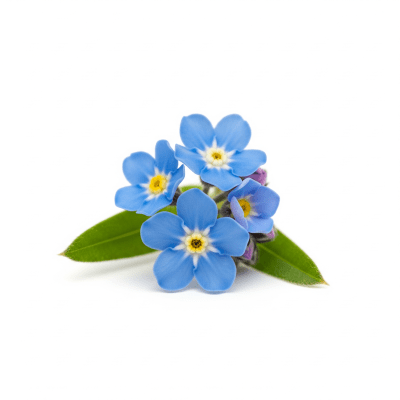
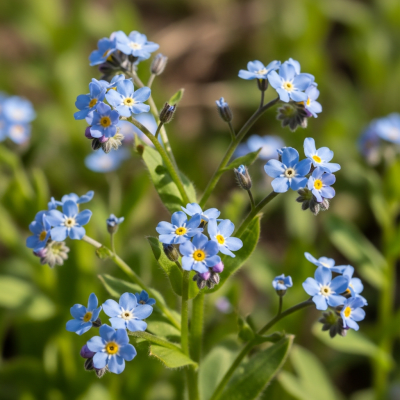
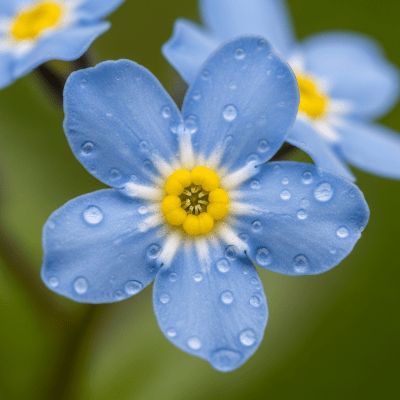
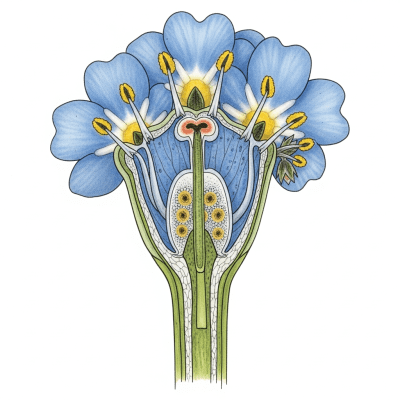
Forget-me-nots are herbaceous annuals or perennials, typically reaching 15–30 cm in height. Their leaves are simple, oblong to lanceolate, and softly hairy, evoking the 'mouse-ear' reference in their name. The flowers bloom in coiled clusters called scorpioid cymes, each blossom measuring 5–10 mm across. Most commonly, the flowers are a striking sky blue with a yellow or white eye, though pink and white forms also exist, lending a gentle, cheerful charm to garden borders and wild meadows.
Forget-me-nots thrive in moist, well-drained soils and partial shade, making them ideal for woodland gardens, borders, and naturalized areas. They self-seed readily, allowing populations to persist and spread with minimal intervention. These flowers attract bees, hoverflies, and other small pollinators, supporting local biodiversity. In human culture, forget-me-nots are widely used in floral arrangements and commemorative events, valued for both their ornamental beauty and symbolic resonance.
Bring this kind into your world illustrated posters, mugs, and shirts.
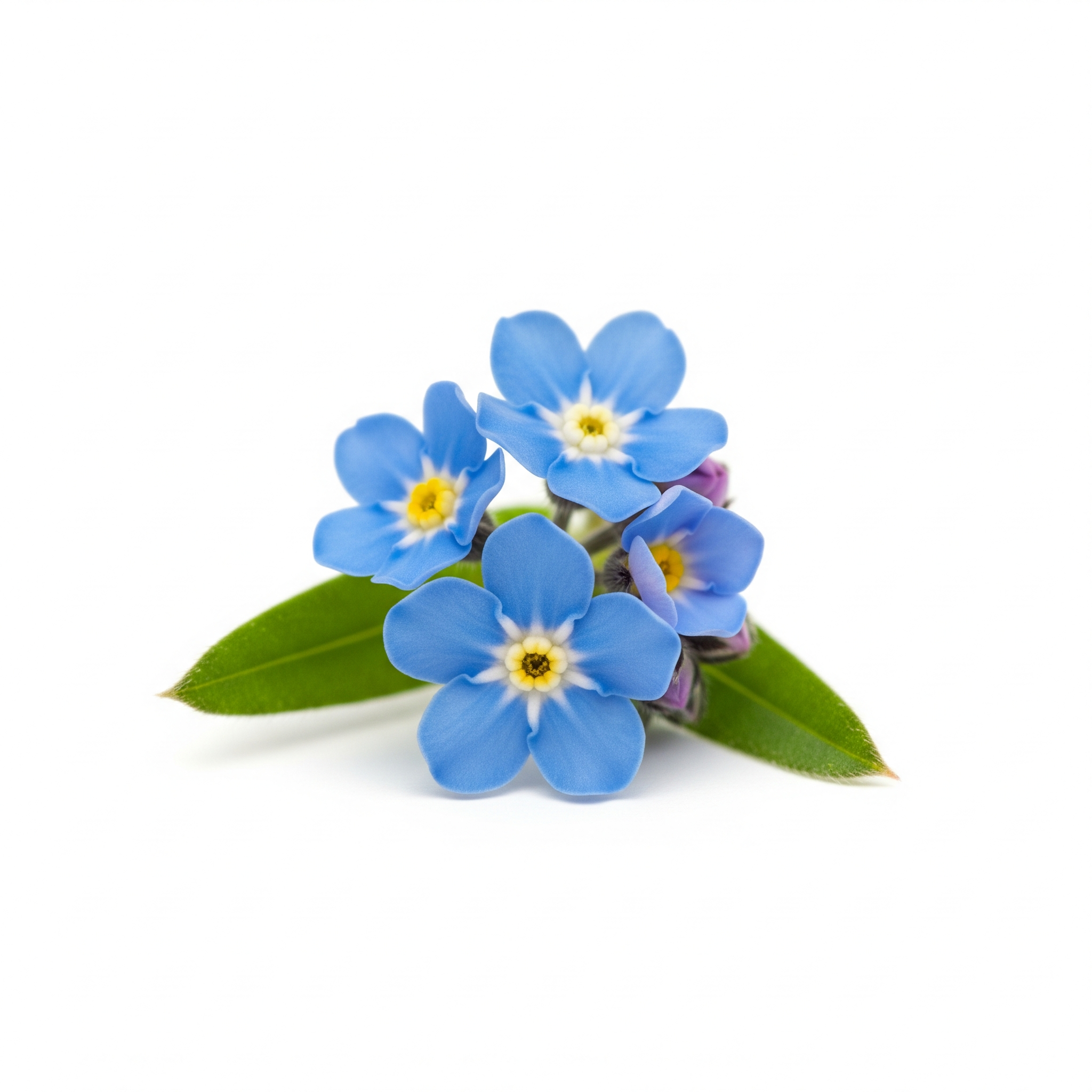
Archival print, museum-grade paper
Buy Poster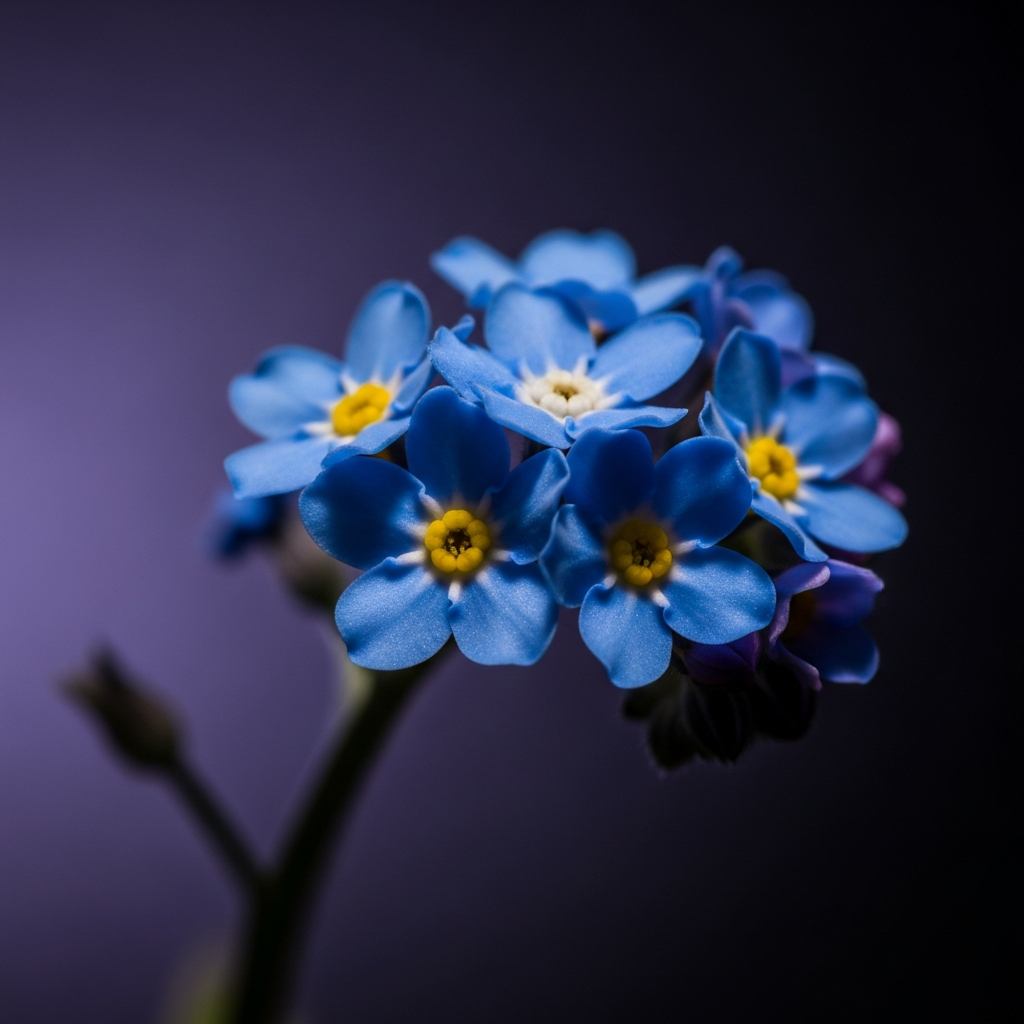
Stoneware mug, dishwasher safe
Buy Mug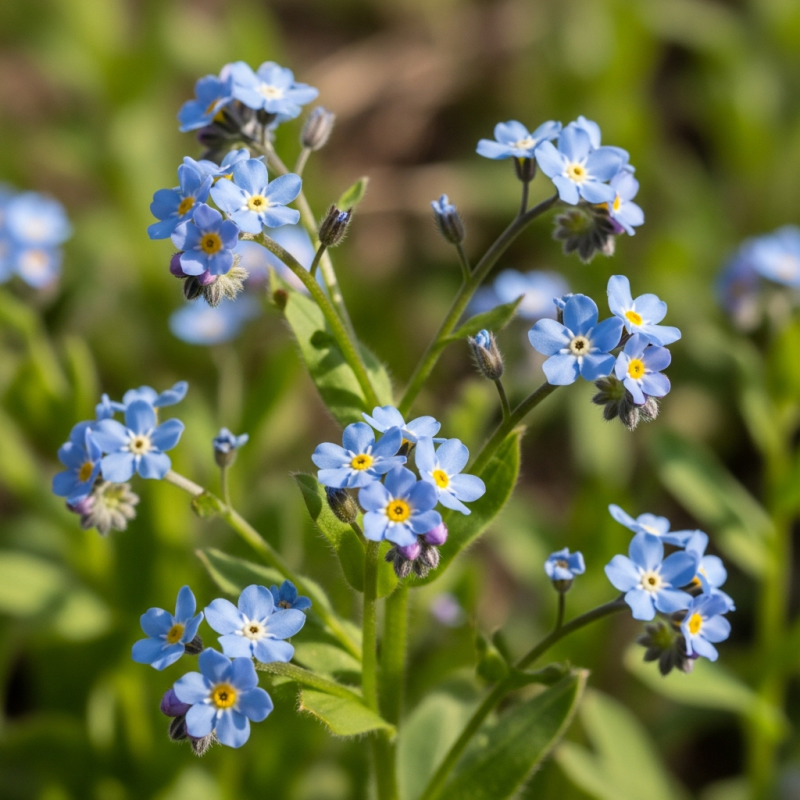
Soft cotton tee, unisex sizes
Buy ShirtForget-me-nots hold a special place in art, folklore, and modern symbolism. Their name evokes themes of memory and fidelity, making them popular in remembrance ceremonies such as Remembrance Day and Alzheimer’s awareness campaigns. The flower is also the official emblem of the German Freemasons and appears in poetry, literature, and visual arts as a symbol of enduring affection and the wish to be remembered.
Forget-me-nots are celebrated for their vibrant blue petals, often accented by a bright yellow or white center. While blue is most common, pink and white forms also occur. The flowers are typically not strongly fragrant, but their cheerful color palette makes them highly desirable in gardens and bouquets.

To cultivate forget-me-nots, plant them in moist, well-drained soil and provide partial shade for optimal growth. They are frost-hardy and thrive in temperate climates. Sowing seeds in spring is most effective, and the plants will often self-seed, ensuring future blooms. Regular watering and avoiding waterlogged conditions help prevent root rot and powdery mildew. Forget-me-nots are ideal for borders, woodland gardens, and naturalized areas where their low maintenance and prolific blooming are appreciated.
The forget-me-not flower is a universal symbol of remembrance, enduring love, and fidelity. Its name and gentle appearance evoke the hope that loved ones will not be forgotten. The flower is used in commemorative events, such as Remembrance Day and Alzheimer’s awareness, and serves as an emblem of loyalty in various cultural and fraternal organizations.
Forget-me-nots have been selectively bred for ornamental horticulture, resulting in numerous cultivars with variations in flower color and growth habit. While detailed pedigrees are often undocumented, breeders have focused on enhancing garden performance and aesthetic appeal. Hybridization between species is not uncommon, particularly in cultivated settings, contributing to the diversity of forms and colors available to gardeners.
Forget-me-nots typically bloom from spring to early summer, with peak flowering occurring between April and June in the Northern Hemisphere. Their self-seeding habit ensures recurring displays year after year, making them a reliable presence in gardens and natural landscapes during the growing season.
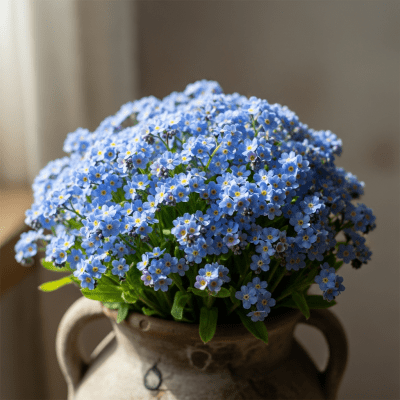
Forget-me-nots are primarily valued as ornamental plants, gracing gardens, borders, and naturalized areas with their charming blooms. They are used in floral arrangements and hold a special place in commemorative events and symbolism. Some species have minor traditional medicinal uses, and the flowers are occasionally employed as edible garnishes, though caution is advised. Their enduring presence in culture and horticulture underscores their versatility and appeal.