Daisy
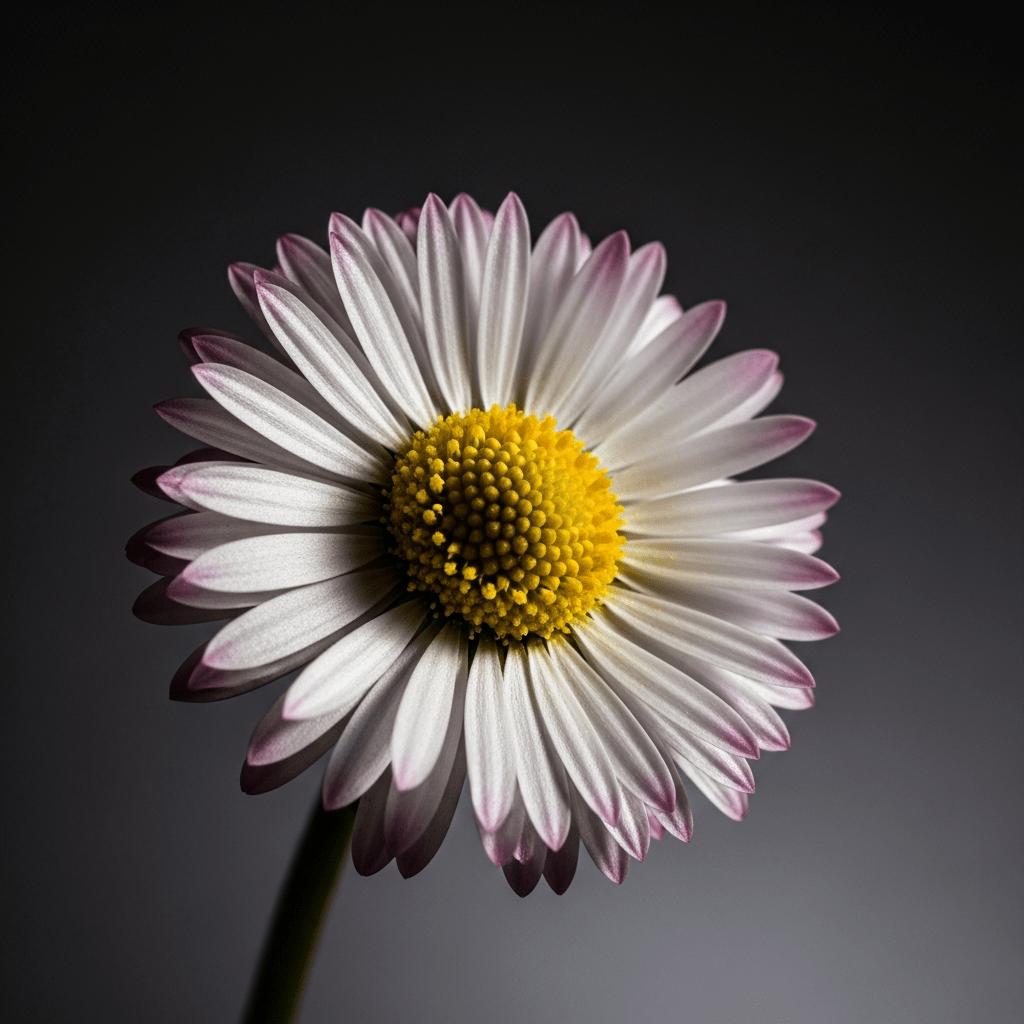
The daisy is a beloved flowering plant, instantly recognizable for its classic white petals and sunny yellow center, and cherished for its symbolism of innocence and purity.
The daisy is a beloved flowering plant, instantly recognizable for its classic white petals and sunny yellow center, and cherished for its symbolism of innocence and purity.
Native to Europe, the daisy—most notably Bellis perennis—has been known since antiquity and was first formally described by Carl Linnaeus in 1753. Over centuries, it has spread and naturalized across temperate regions worldwide, thriving in lawns, meadows, and gardens. With no single credited discoverer, the daisy’s enduring presence is a testament to its resilience and adaptability in diverse climates.
Daisies belong to the genus Bellis within the family Asteraceae, one of the largest families of flowering plants. While "daisy" often refers to Bellis perennis, the term also encompasses several related species and cultivars, all characterized by their radiate flower heads. This group is part of the angiosperms, distinguished by their enclosed seeds and prominent blooms.
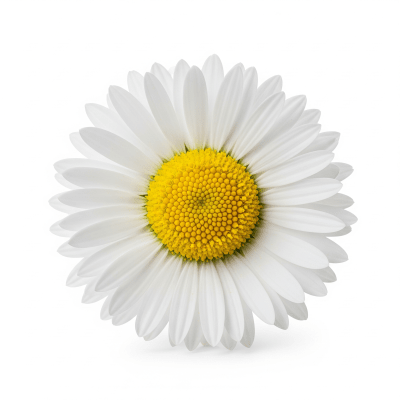
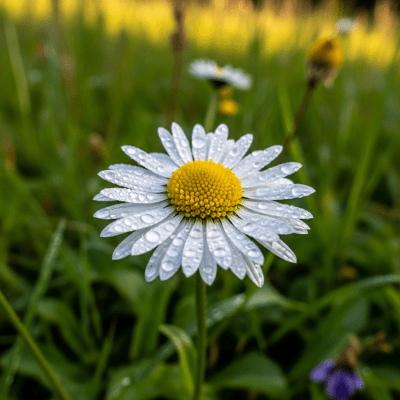
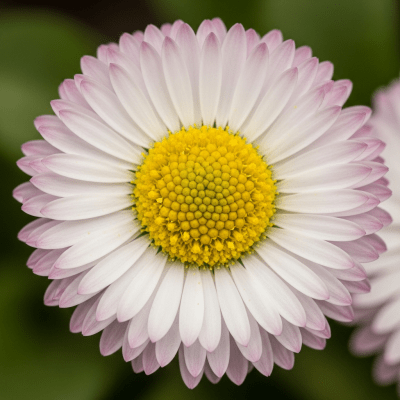
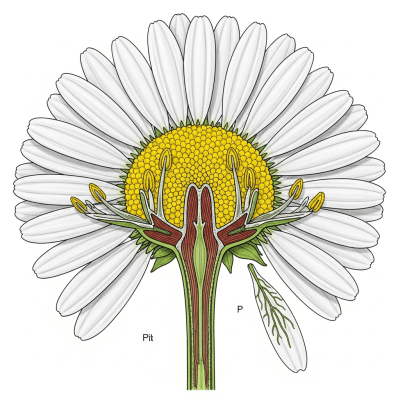
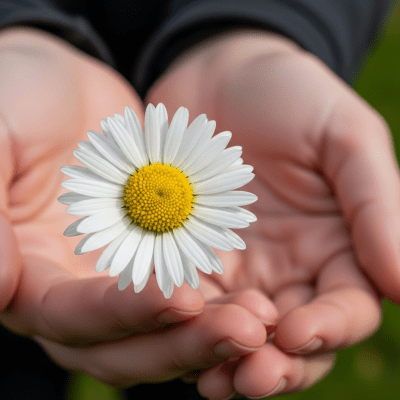
Daisies are compact herbaceous perennials, typically reaching 5–20 cm in height. Their leaves form a basal rosette, spatulate in shape, while each slender stalk supports a solitary flower head. The classic daisy bloom features 15–30 white ray florets (petals) encircling a golden yellow disc. Cultivars may display pink or red hues and double-flowered forms, but the overall look remains cheerful and simple.
In gardens and lawns, daisies are valued for their hardiness and ability to withstand mowing and moderate foot traffic. They attract pollinators such as bees, contributing to local ecosystems. Ornamental use is primary, but daisies are also sold as bedding plants and cut flowers. Their edible blooms occasionally garnish salads, and traditional remedies have utilized daisy extracts for minor ailments.
Bring this kind into your world illustrated posters, mugs, and shirts.
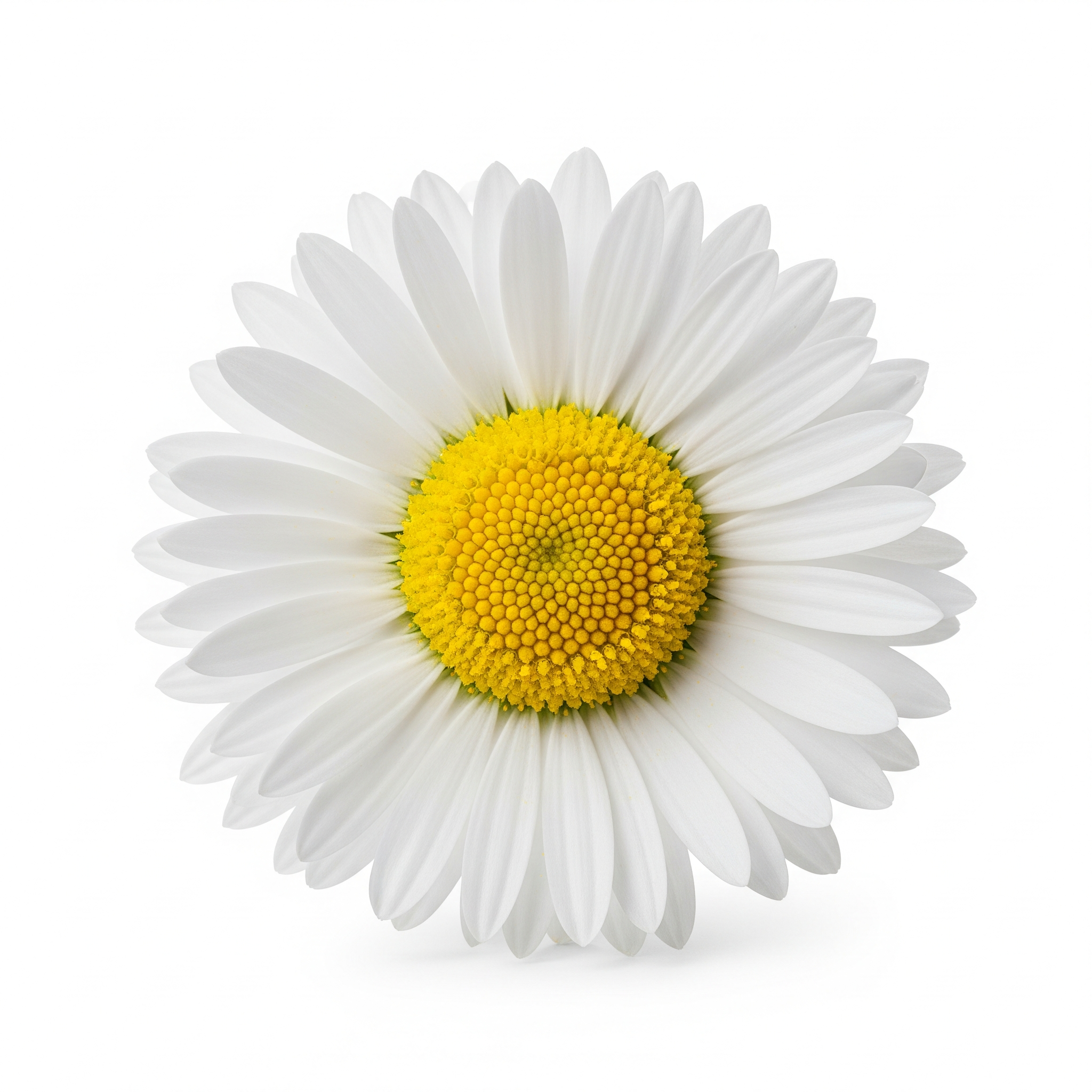
Archival print, museum-grade paper
Buy Poster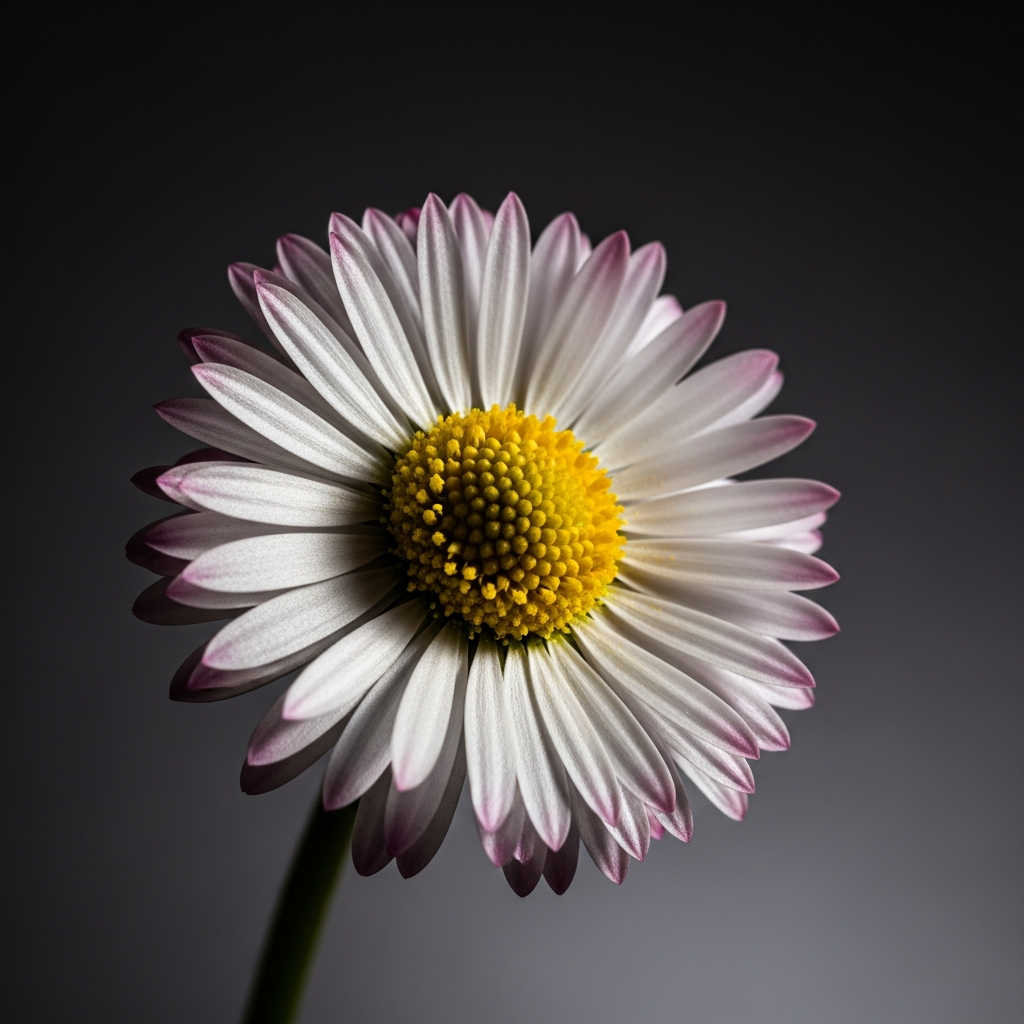
Stoneware mug, dishwasher safe
Buy Mug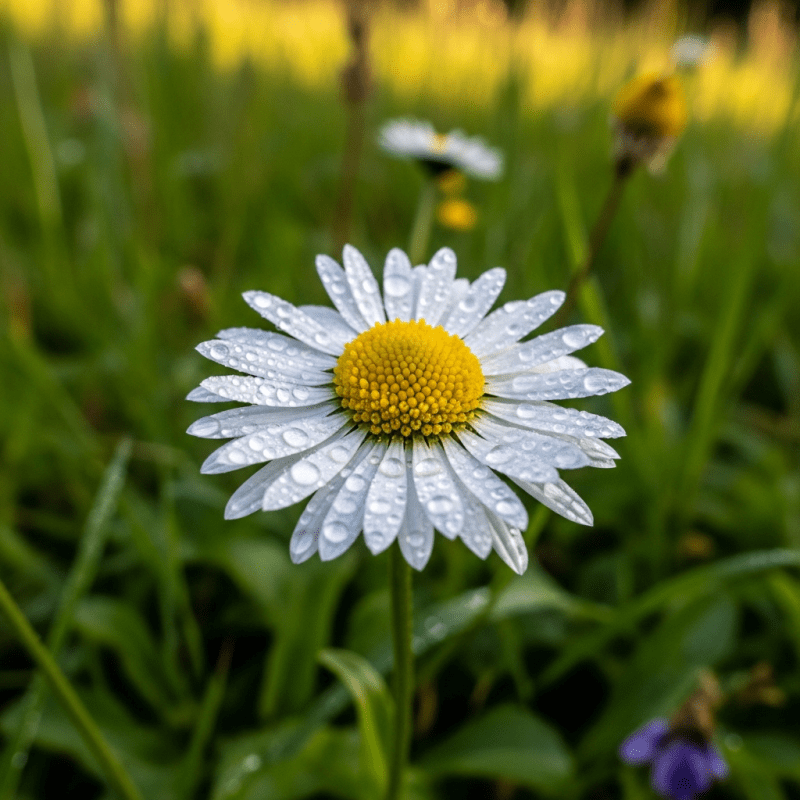
Soft cotton tee, unisex sizes
Buy ShirtThroughout Western culture, the daisy is a potent symbol of innocence, purity, and new beginnings. It appears in folklore, literature, and art—often woven into May Day celebrations and childhood games like "he loves me, he loves me not." Its simple beauty has inspired countless artists and poets, and the daisy remains a favorite motif in decorative crafts and seasonal festivities.
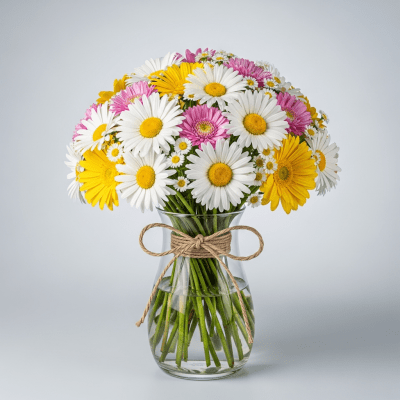
Daisies are known for their crisp white petals and vibrant yellow centers, though some cultivars display pink or red hues. Their fragrance is mild to nonexistent, making them suitable for those sensitive to strong floral scents. The fresh, clean appearance of daisies brightens any garden or bouquet.
Daisies thrive in moist, well-drained soils and prefer full sun to partial shade. They are best planted in spring or autumn, using seeds or division for propagation. Regular watering and occasional deadheading encourage prolonged blooming. Hardy and low-maintenance, daisies tolerate mowing and moderate foot traffic, making them ideal for lawns and informal garden borders. Cut flowers last 5–7 days in a vase.
The daisy is widely associated with innocence, purity, and new beginnings. Its simple, unadorned beauty has made it a symbol of childhood, hope, and sincerity in Western cultures. Daisies often appear in celebrations of spring and renewal, and their presence in art and literature reinforces their gentle, optimistic message.
Since antiquity, gardeners have bred numerous daisy cultivars, focusing on double-flowered forms and expanded color ranges. While the wild type remains prevalent, horticultural selections offer greater diversity in petal count and hue. No single breeder or institution is credited, as daisy cultivation is widespread and longstanding.
Daisies bloom primarily from early spring to autumn, with peak flowering in temperate climates between March and September. Their long season of interest makes them a staple in gardens and floral arrangements throughout much of the year.
Daisies are cultivated chiefly for ornamental purposes, brightening gardens, parks, and lawns. They are popular as bedding plants and cut flowers, occasionally used as edible garnishes in salads. Traditional herbal medicine has employed daisy extracts for minor ailments, though modern use is limited. Their enduring symbolic value ensures a place in celebrations, art, and decorative crafts.