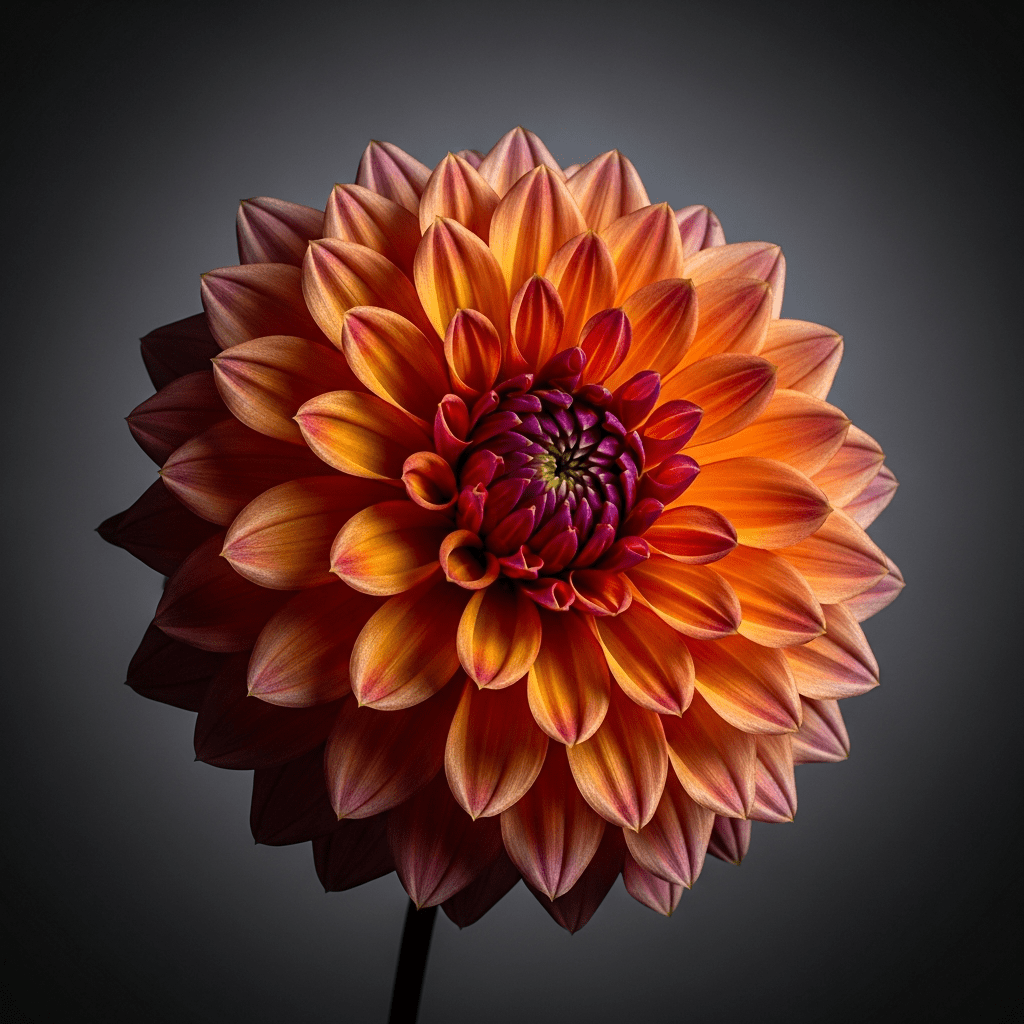
Dahlia
Dahlia is a vibrant genus of flowering plants celebrated for its spectacular diversity of colorful, ornamental blooms, making it a favorite in gardens and floral arrangements worldwide.
Dahlia is a vibrant genus of flowering plants celebrated for its spectacular diversity of colorful, ornamental blooms, making it a favorite in gardens and floral arrangements worldwide.
Dahlias trace their origin to the highlands of Mexico and Central America, where they grew wild for centuries before captivating European botanists in the late 18th century. The first specimens were sent from Mexico to Spain in 1789, sparking widespread interest and formal breeding programs throughout Europe in the 19th century. Today’s garden dahlias are the result of extensive hybridization among several Mexican species, notably Dahlia pinnata, Dahlia coccinea, and Dahlia sorensenii, with their lineage shaped by both indigenous cultivation and international horticultural societies.
Dahlia belongs to the family Asteraceae, a large group known for composite flower heads. Within this family, the genus Dahlia encompasses approximately 42 accepted species. Most garden dahlias are hybrids, primarily classified as Dahlia × hortensis or Dahlia pinnata. Their classification reflects both their botanical heritage and the influence of centuries of selective breeding, resulting in thousands of registered cultivars recognized by authorities such as the Royal Horticultural Society.
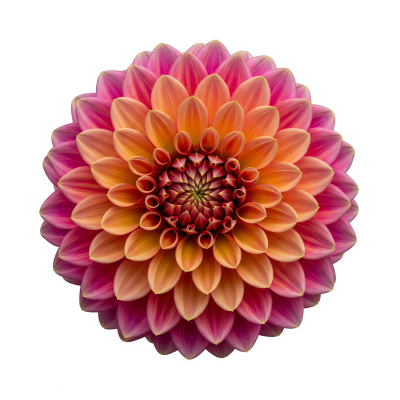
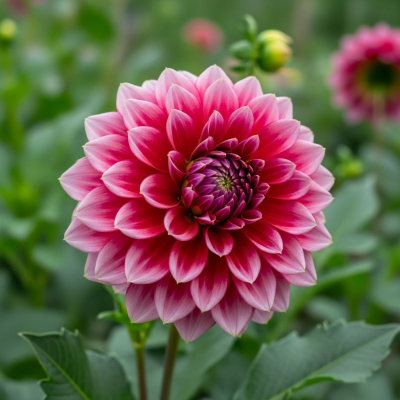
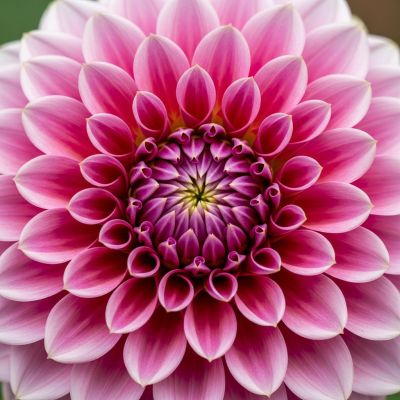
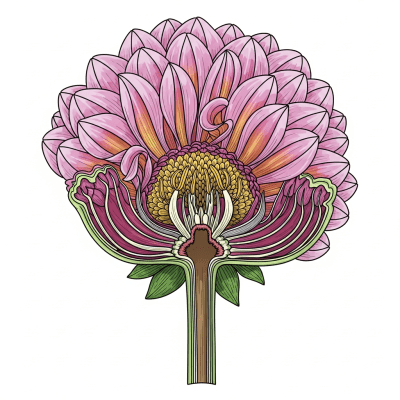
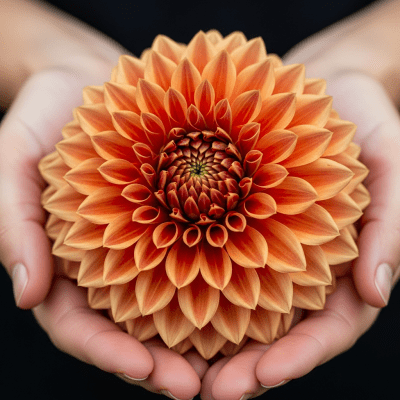
Dahlias are herbaceous, tuberous perennials that grow from 30 cm to over 2 meters tall, depending on the variety. Their lush, pinnate leaves with serrated edges create a dense backdrop for the main attraction: the flowers. Dahlia blooms are famed for their extraordinary range of forms—single, double, cactus, pompon, ball, decorative, collarette, and more—each composed of vibrant ray florets encircling a central disc. Flower heads can span from a delicate 5 cm to an impressive 30+ cm in diameter, displaying nearly every color imaginable except true blue and black. The sheer diversity of shapes and hues makes dahlias a visual centerpiece in any setting.
Dahlias are primarily cultivated for their ornamental value, thriving in gardens, parks, and as cut flowers in floral arrangements. Their long vase life and striking appearance make them a staple in the floral industry. While some species’ tubers were historically consumed by indigenous peoples of Mexico, modern dahlias are rarely grown for culinary purposes. The petals are occasionally used as garnishes. Dahlias interact with their environment by attracting pollinators such as bees and butterflies, contributing to local biodiversity.
Bring this kind into your world illustrated posters, mugs, and shirts.
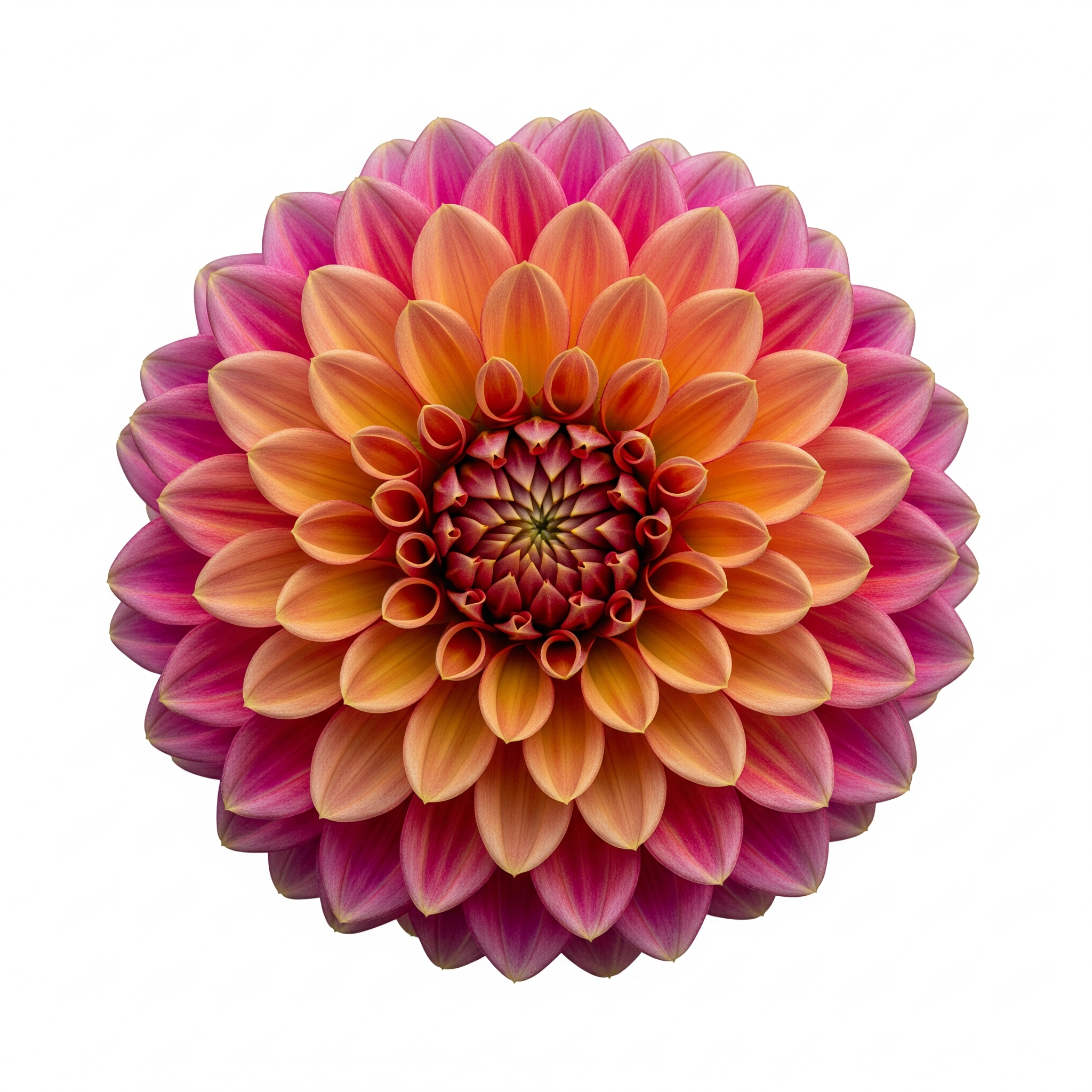
Archival print, museum-grade paper
Buy Poster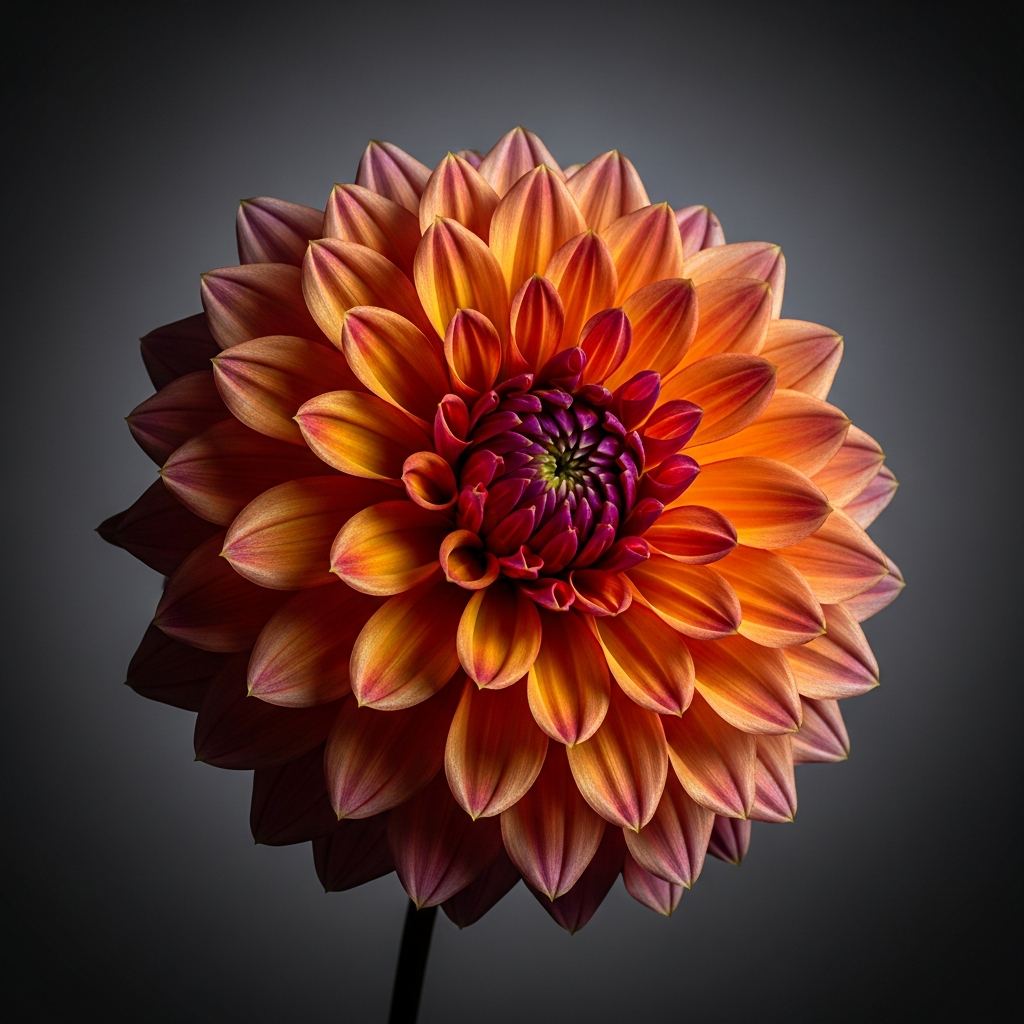
Stoneware mug, dishwasher safe
Buy Mug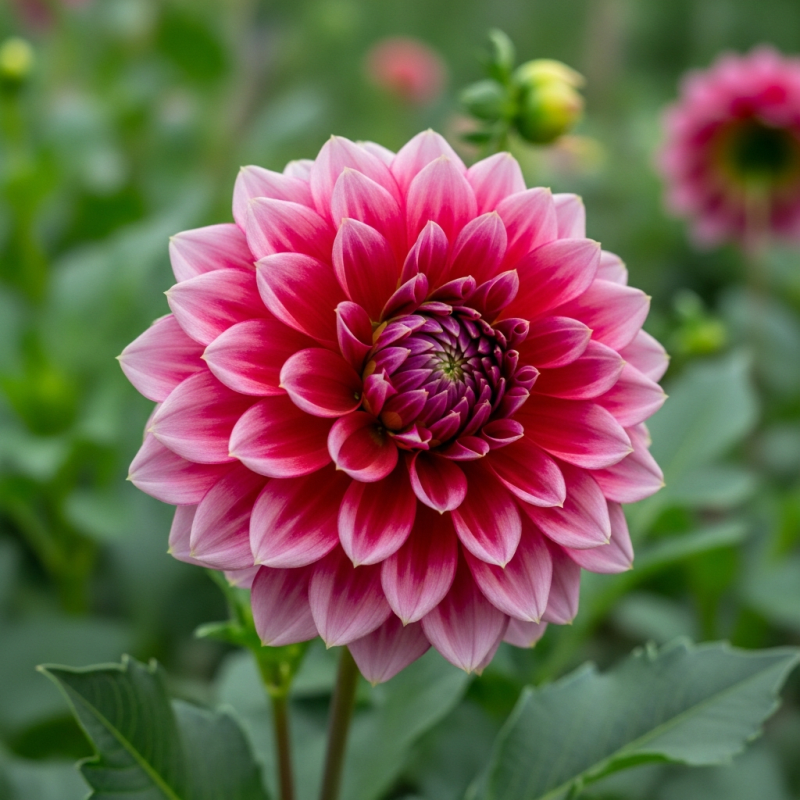
Soft cotton tee, unisex sizes
Buy ShirtDahlias hold deep cultural importance, especially in Mexico, where they are celebrated as the national flower and featured in festivals, folk art, and traditional ceremonies. Globally, dahlias are showcased in flower shows, competitions, and garden societies, inspiring artists and gardeners alike with their dazzling forms and colors. Their symbolic presence extends to literature and visual arts, representing elegance, creativity, and inner strength.
Dahlia flowers are renowned for their dazzling color palette, which includes white, yellow, orange, red, pink, purple, lavender, burgundy, bi-color, and multi-color combinations. However, true blue and black are absent from the spectrum. Most dahlias have little to no fragrance, with their appeal lying primarily in their vivid visual impact rather than scent.

Dahlias thrive in well-drained, fertile soils and require full sun for optimal flowering. Plant tubers in spring after the last frost, spacing them to allow for air circulation and growth. Regular watering is essential, but avoid waterlogging. In regions with cold winters, tubers should be lifted after the first frost and stored indoors to prevent damage. Propagation is commonly done by dividing tubers, sowing seeds, or taking cuttings. Vigilance against pests and diseases such as aphids, slugs, and powdery mildew helps maintain healthy plants. Deadheading spent blooms encourages continuous flowering throughout the season.
Dahlias symbolize elegance, inner strength, creativity, and commitment. In Mexico, their status as the national flower reflects pride and cultural heritage. Globally, dahlias are associated with diversity and lasting beauty, often given to convey admiration and dignity. Their intricate forms and vibrant colors make them a favorite motif in art and celebrations, representing the richness and resilience of life.
Thousands of dahlia varieties are cultivated worldwide, with notable groups including decorative, cactus, pompon, ball, and collarette forms. Popular cultivars such as ‘Arabian Night’ (deep burgundy), ‘Cafe au Lait’ (creamy blush), and ‘Bishop of Llandaff’ (vivid red with dark foliage) are highly sought after for their unique colors and shapes. Regional societies and the Royal Horticultural Society recognize and register new cultivars annually, reflecting the ongoing enthusiasm for dahlia diversity.
Dahlia breeding has a rich history, beginning with the introduction of wild Mexican species to Europe in the 18th century. Centuries of hybridization, especially among Dahlia pinnata, Dahlia coccinea, and Dahlia sorensenii, have produced an extraordinary array of forms and colors. Formal breeding programs, led by institutions such as the Royal Horticultural Society, have resulted in thousands of named cultivars. The genetic complexity of dahlias means that many cultivars have undocumented or mixed parentage, making them a fascinating subject for both amateur and professional breeders.
Dahlias are susceptible to several pests, including aphids, slugs, and spider mites, which can damage foliage and flowers. Common diseases include powdery mildew and various viral infections. Some cultivars show resistance to particular pathogens, but overall, vigilant care is required. Management strategies include regular inspection, prompt removal of affected plant parts, use of organic or chemical controls as needed, and ensuring good air circulation to minimize fungal issues.
Dahlias are typically available and in bloom from midsummer through early autumn. In temperate climates, they flower from July until the first frost. Their seasonal peak makes them a highlight of late summer gardens and floral displays.
Dahlias are primarily grown for ornamental purposes, enhancing gardens, landscapes, and floral arrangements with their vivid blooms. They are highly valued in the cut flower industry for their diversity and long vase life. While some species’ tubers are edible and were historically used as food in Mexico, culinary use is rare today. Dahlia petals may be used as decorative garnishes. Their symbolic and cultural significance is especially strong in Mexico, where they feature prominently in festivals and art.