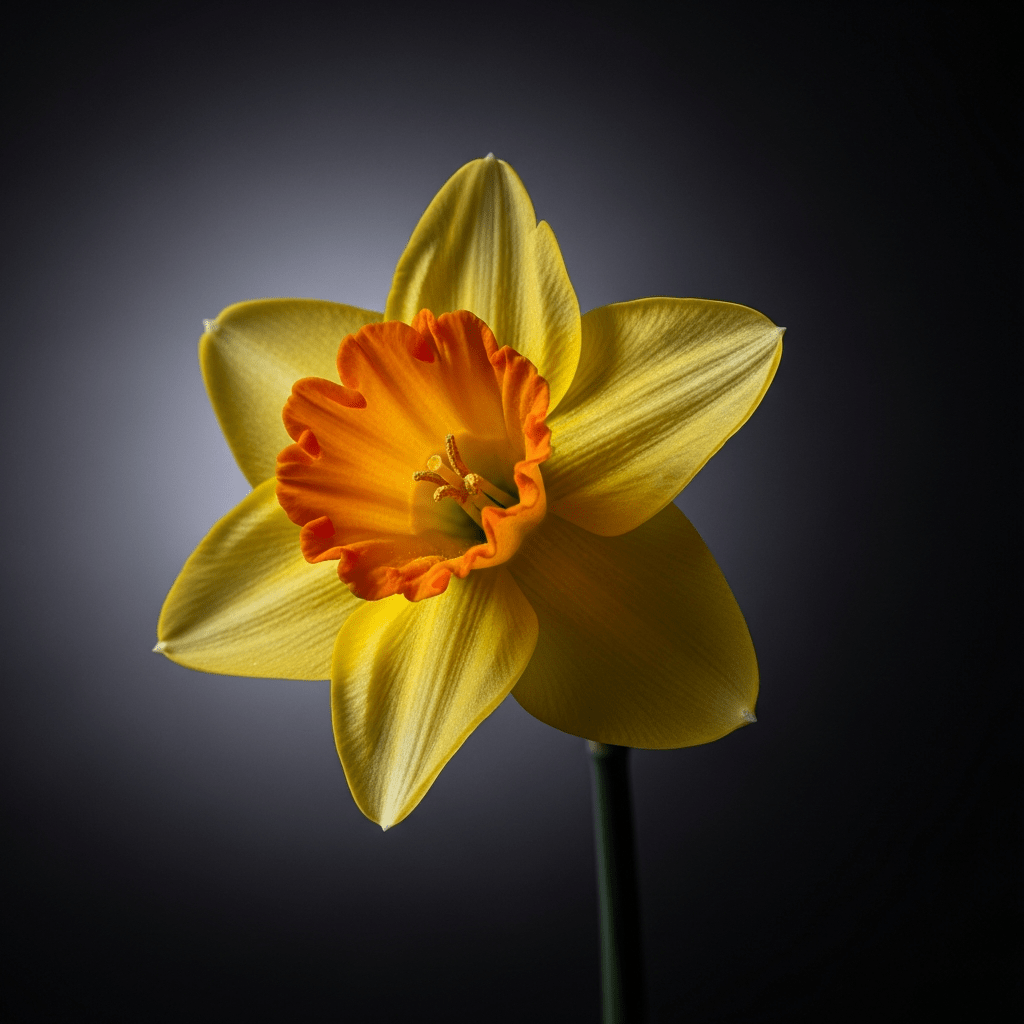
Daffodil
The daffodil is a vibrant, spring-blooming bulbous flower from the genus Narcissus, celebrated for its striking trumpet-shaped blooms and its enduring symbolism of renewal and hope.
The daffodil is a vibrant, spring-blooming bulbous flower from the genus Narcissus, celebrated for its striking trumpet-shaped blooms and its enduring symbolism of renewal and hope.
Daffodils trace their roots to the meadows and woodlands of southern Europe and North Africa, with the greatest diversity found in the Iberian Peninsula. Cultivation began as early as ancient Roman times, and centuries of selection and hybridization—especially in the United Kingdom and the Netherlands—have produced thousands of varieties. The daffodil’s journey from wild species like Narcissus pseudonarcissus and Narcissus poeticus to beloved garden staple is a story shaped by horticultural passion and innovation.
Belonging to the family Amaryllidaceae, daffodils are classified within the genus Narcissus, which encompasses around 50 species. Horticulturally, daffodils are organized into 13 divisions based on flower form and parentage, ranging from trumpet and large-cupped types to doubles and miniatures. This classification reflects both their botanical lineage and the diversity created through centuries of breeding.
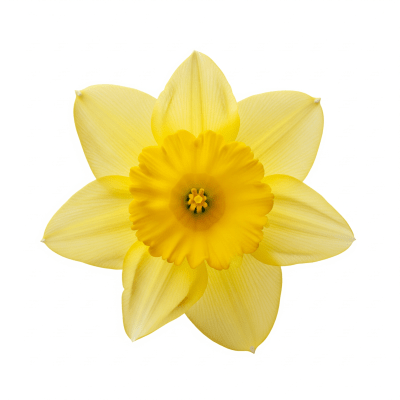
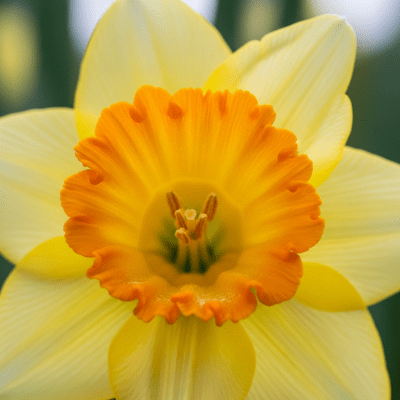
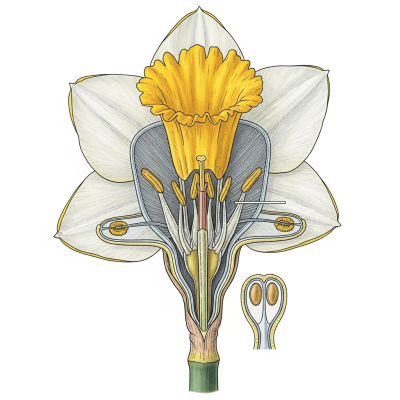
Daffodils emerge from underground bulbs, producing slender, strap-shaped leaves and upright, leafless stems. Their flowers feature six petal-like tepals encircling a prominent, trumpet-shaped corona, with blooms ranging from 2 to 10 cm across. The color palette spans classic yellow and white to orange, pink, greenish, and bicolored forms. Some daffodils bear solitary flowers, while others cluster multiple blooms, creating a cheerful display in early spring.
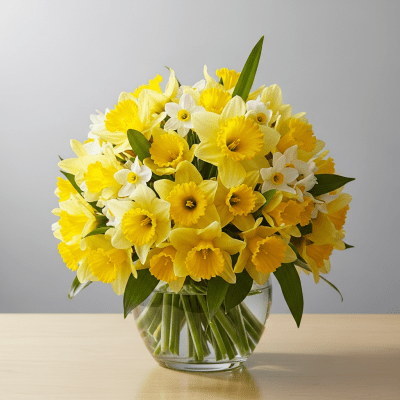
Daffodils are prized for their ornamental beauty and naturalizing ability in gardens, parks, and landscapes. Their resilience to deer and rodents, thanks to toxic alkaloids, makes them a reliable choice for spring color. In addition to their garden role, daffodils are widely cultivated for the cut flower market, adding brightness to homes and events. They are not edible and should be kept away from pets and children due to their toxicity.
Bring this kind into your world illustrated posters, mugs, and shirts.
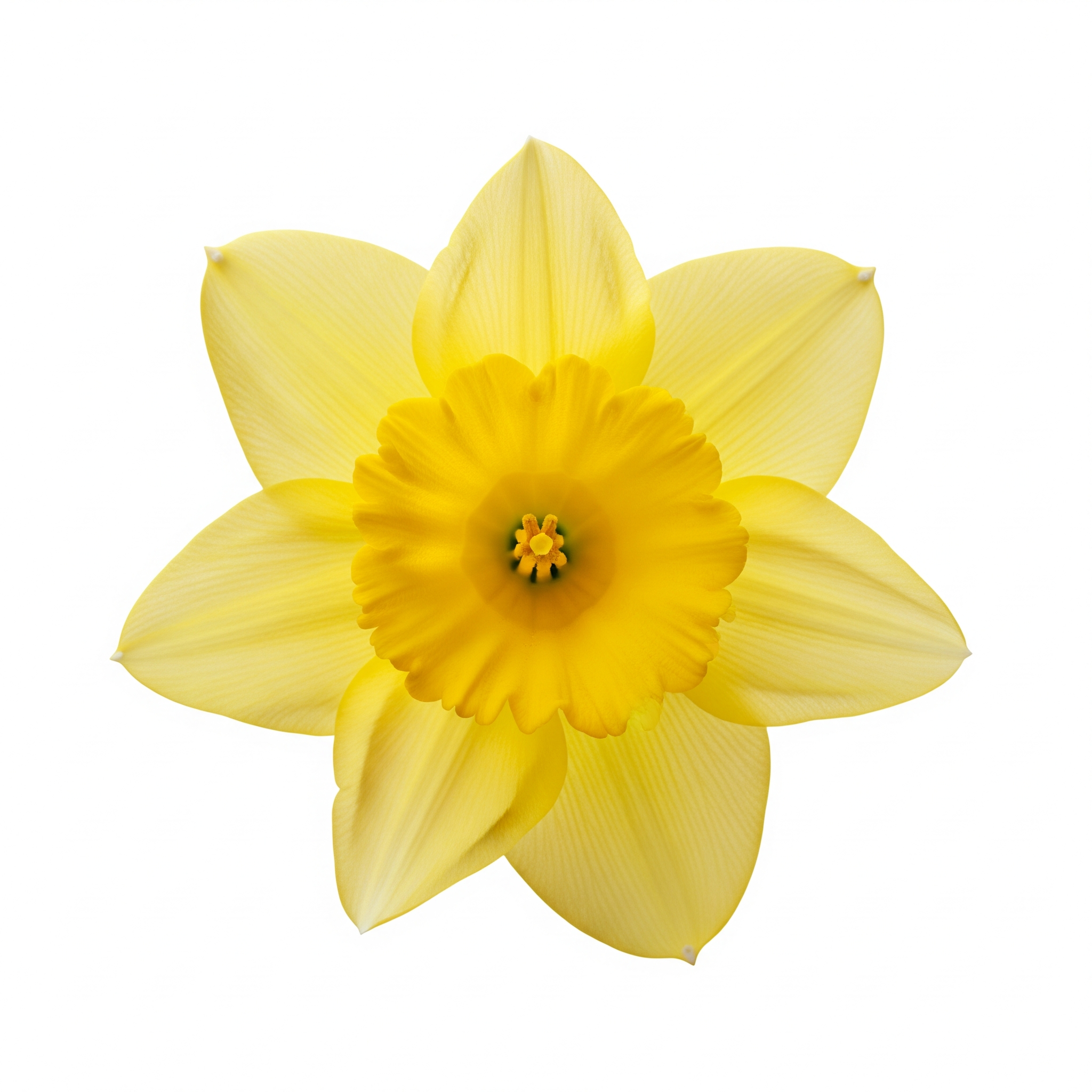
Archival print, museum-grade paper
Buy Poster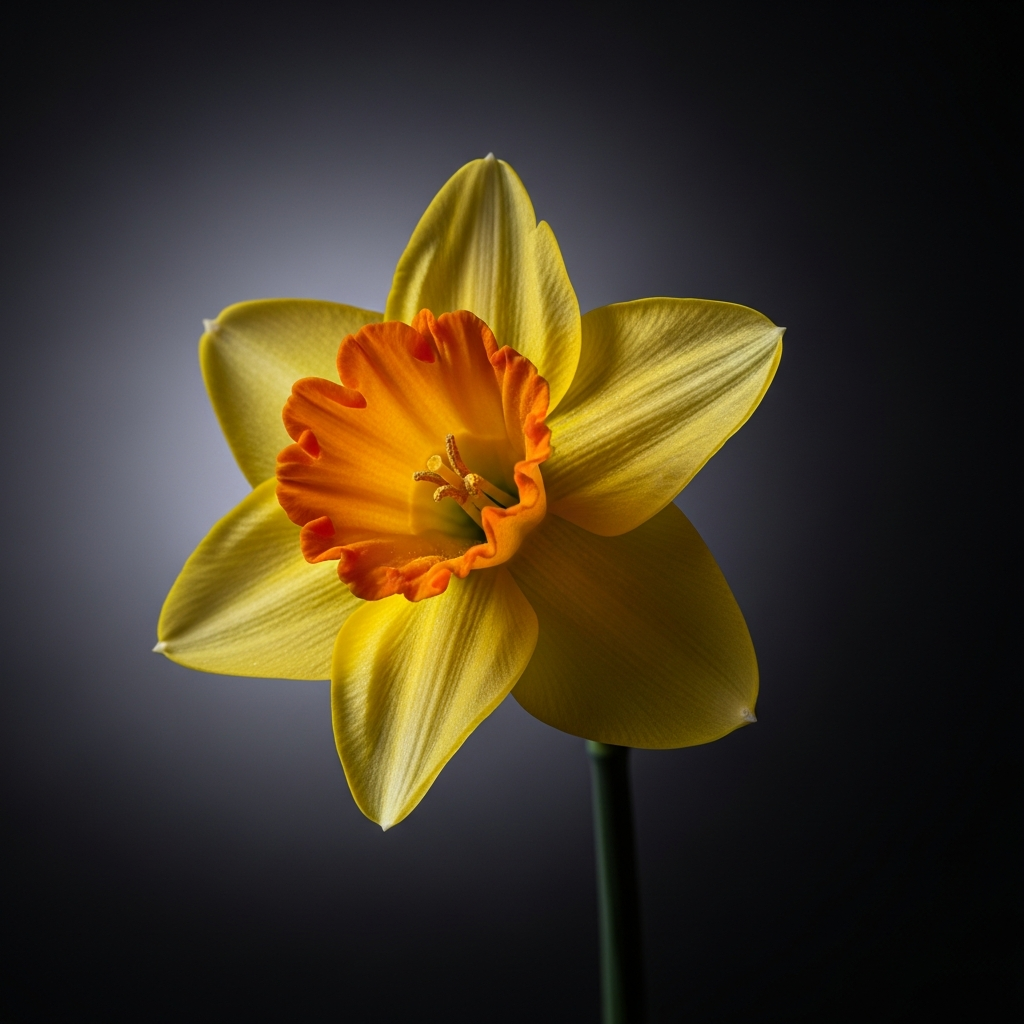
Stoneware mug, dishwasher safe
Buy Mug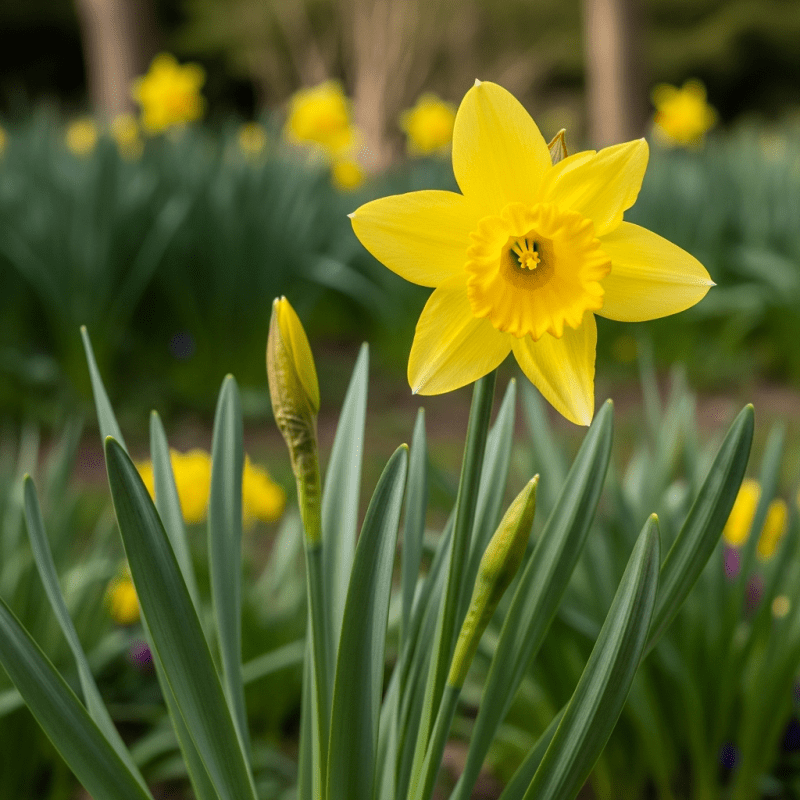
Soft cotton tee, unisex sizes
Buy ShirtFew flowers are as deeply woven into cultural fabric as the daffodil. It is the national flower of Wales, celebrated on St. David’s Day, and a powerful emblem of hope and rebirth. Daffodils feature in poetry, art, and folklore, and are used by cancer charities worldwide as a symbol of resilience and optimism. Their annual return signals the end of winter and the promise of new beginnings.
Daffodils are most commonly recognized for their sunny yellow flowers, but cultivars also offer white, orange, pink, greenish, and bicolored blooms. While many daffodils are lightly scented or unscented, certain species—especially Narcissus poeticus—are prized for their sweet, heady fragrance.
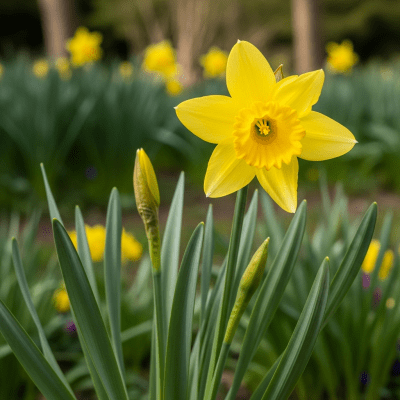

For successful daffodil cultivation, plant bulbs in autumn in well-drained soil and a location with full to partial sun. Daffodils thrive in USDA zones 3–9 and require a period of winter chilling to bloom. Allow foliage to die back naturally after flowering to replenish bulb reserves. Bulbs may be lifted and divided every 3–5 years to maintain vigor. Store bulbs in cool, dry conditions if needed. Propagation is typically by bulb division, with seed propagation reserved for specialized breeding.
Daffodils symbolize rebirth, hope, and the renewal of spring. Their cheerful blooms herald the end of winter and the start of new growth. In Wales, the daffodil is a national emblem, and globally it is associated with optimism and support for cancer awareness. The flower’s enduring presence in art and literature further reinforces its themes of resilience and fresh beginnings.
Daffodils have a rich history of breeding and hybridization, beginning with ancient cultivation and accelerating in Europe from the 17th century onward. Breeders, especially in the UK and the Netherlands, have developed thousands of named cultivars, registered by authorities like the Royal Horticultural Society. Modern daffodils encompass a wide range of forms, colors, and sizes, with ongoing efforts to enhance disease resistance, fragrance, and garden performance.
Daffodils typically bloom in early to mid-spring, depending on climate and variety. Bulbs are planted in autumn and require winter chilling to flower, making them a hallmark of the spring garden season.
Daffodils are primarily valued as ornamental plants for gardens, landscapes, and cut flower arrangements. They play a major role in the global bulb trade and are popular for naturalizing in lawns and woodlands. While not used in culinary applications due to toxicity, daffodils have limited medicinal use—most notably, galantamine from related species is used in Alzheimer’s treatment. Their symbolic significance enhances their presence in cultural events and charitable campaigns.