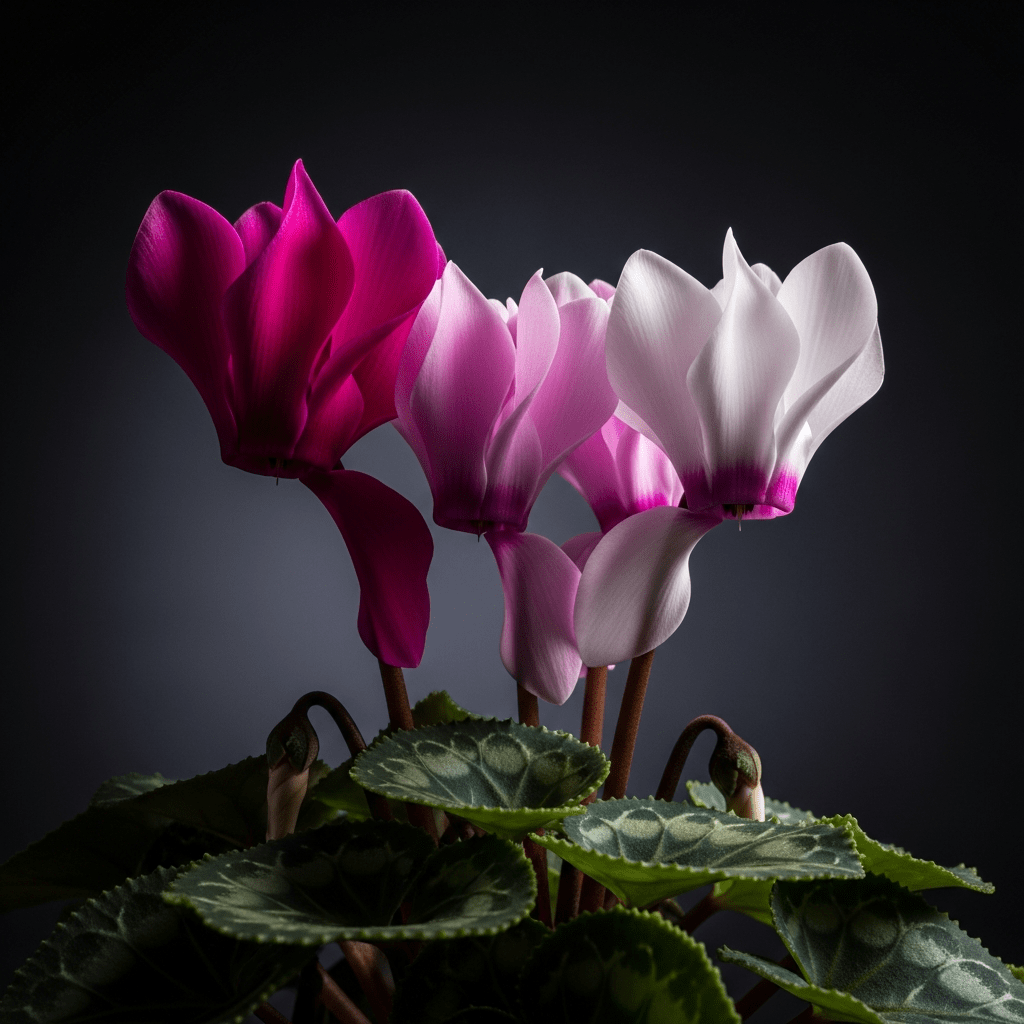
Cyclamen
Cyclamen is a genus of tuberous flowering plants renowned for their distinctive upswept petals, heart-shaped leaves, and ornamental charm, especially during the cooler months.
Cyclamen is a genus of tuberous flowering plants renowned for their distinctive upswept petals, heart-shaped leaves, and ornamental charm, especially during the cooler months.
Cyclamen originated in the wild landscapes of southern Europe, the Mediterranean basin, western Asia, and North Africa. First formally described by Carl Linnaeus in 1753, these plants have been cherished for centuries. The 19th century saw the rise of extensive breeding, particularly in Europe, with the United Kingdom, Germany, and the Netherlands emerging as major centers for cultivating and refining Cyclamen varieties. Today, both wild species and cultivated forms trace their lineage to this rich Mediterranean heritage.
Cyclamen belongs to the family Primulaceae and is classified as a genus within this group. As perennial herbaceous geophytes, cyclamens are part of the angiosperms—flowering plants distinguished by their reproductive blooms. The genus includes numerous species, with Cyclamen persicum being the most prominent in horticulture. Their taxonomy places them among the shade-loving, tuberous ornamentals valued for both their foliage and flowers.
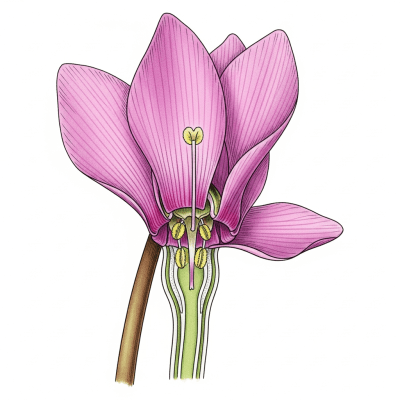
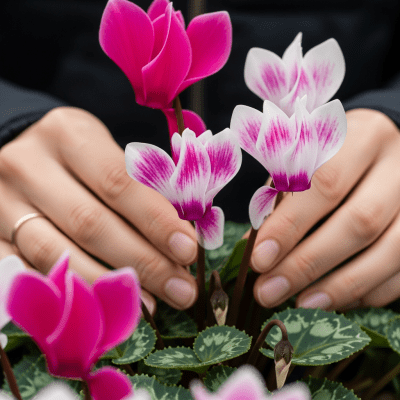
Cyclamen plants are compact, growing from rounded tubers and typically reaching heights of 5–30 cm. Their leaves are heart-shaped or rounded, often adorned with silver or variegated patterns. The flowers are solitary or clustered, featuring five reflexed (upswept) petals in shades of pink, white, red, purple, or magenta. This elegant form, combined with their lush foliage, makes cyclamens a striking addition to gardens and indoor spaces.
Cyclamen thrives in cool, moist, and shaded environments, making it ideal for woodland gardens, rockeries, and as a decorative houseplant. Most species bloom in winter or early spring, providing vibrant color when few other flowers are in season. While primarily grown for ornamental purposes, cyclamen tubers are toxic and not edible; rare traditional medicinal uses exist but are not recommended. Their resilience to low light and cool temperatures enhances their popularity in temperate regions.
Bring this kind into your world illustrated posters, mugs, and shirts.
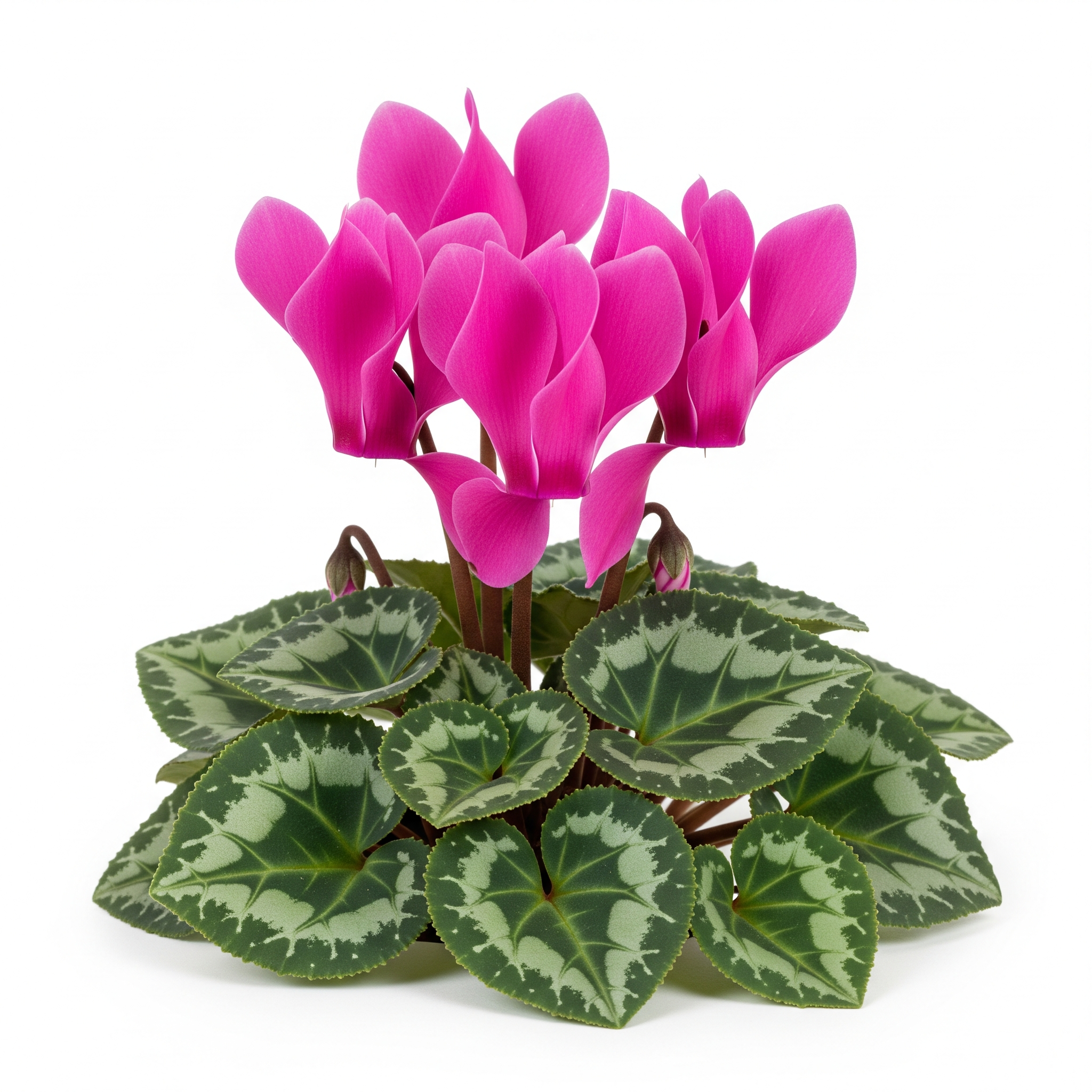
Archival print, museum-grade paper
Buy Poster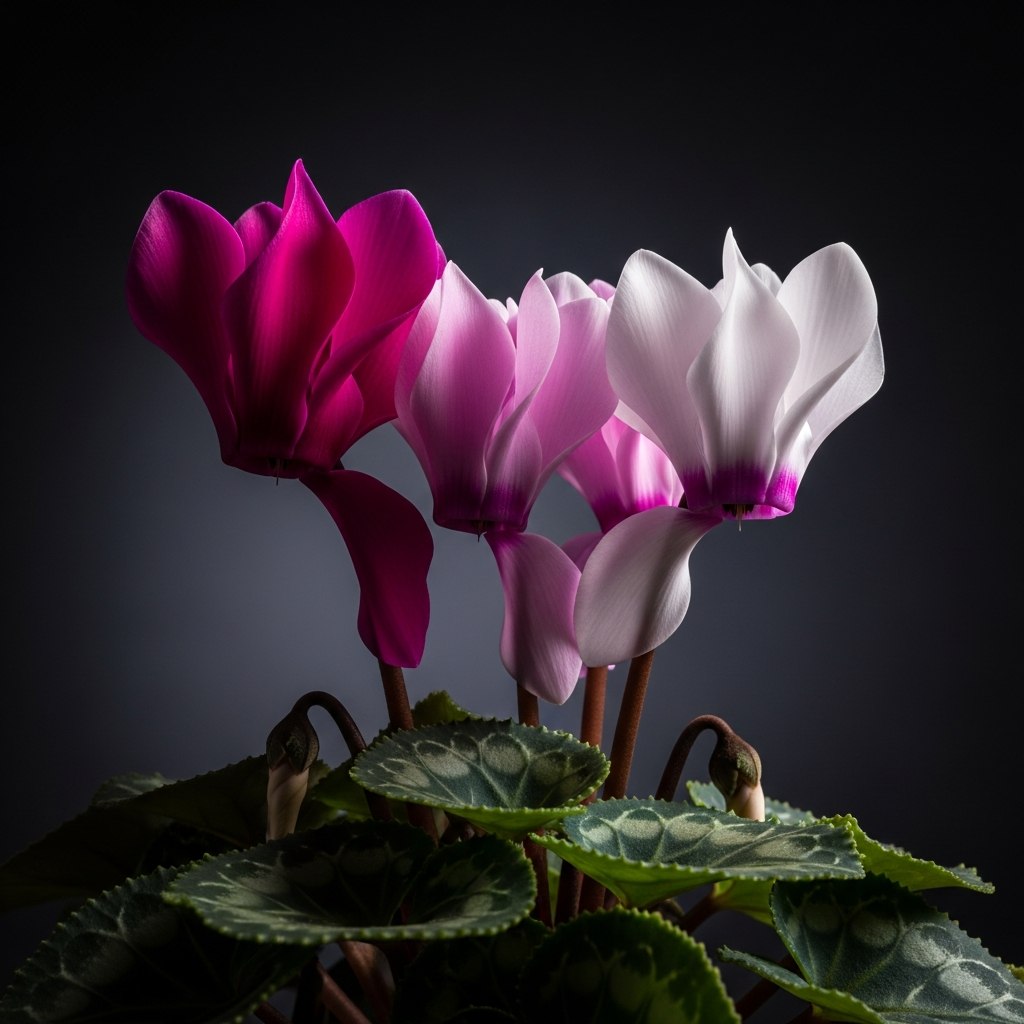
Stoneware mug, dishwasher safe
Buy Mug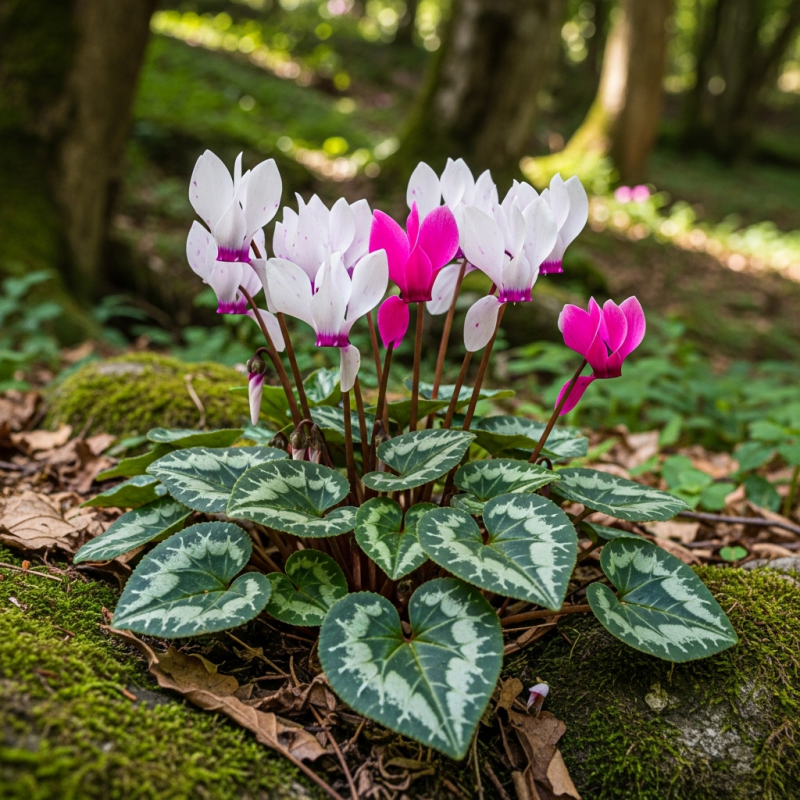
Soft cotton tee, unisex sizes
Buy ShirtCyclamen has long held a place in Mediterranean folklore and horticultural tradition. Its flowers are often associated with themes of resignation, farewell, and deep love. In art and literature, cyclamen is depicted as a symbol of delicate beauty and emotional depth. Regional societies, especially in southern Europe, celebrate cyclamen in plant lists and garden shows, underlining its enduring cultural resonance.
Cyclamen flowers are celebrated for their vibrant palette, which includes pink, white, red, purple, and magenta. While many cultivated varieties are selected for color, fragrance is generally subtle or absent, with most species prized for visual impact rather than scent.
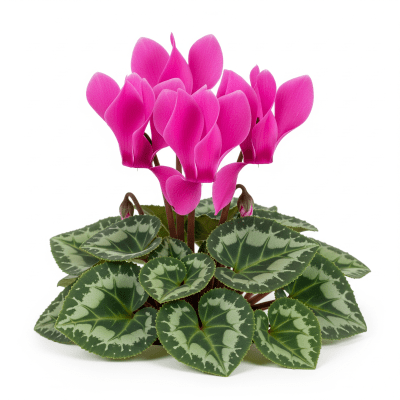
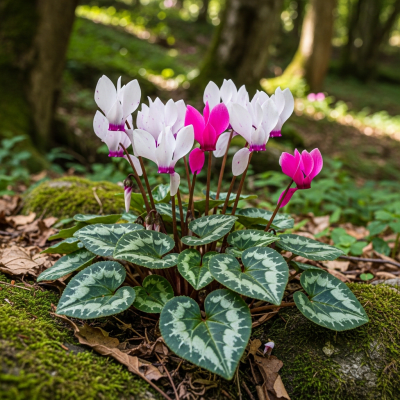
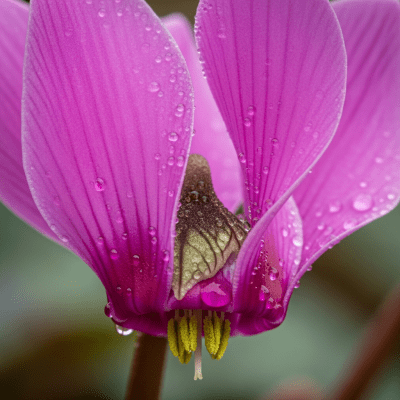
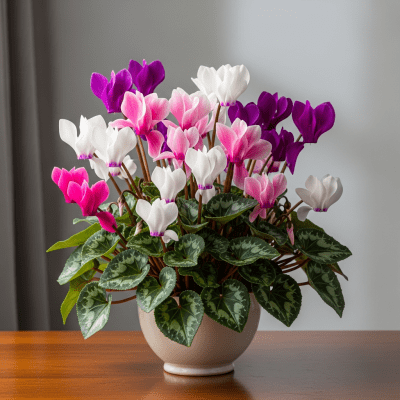
Cyclamen prefers well-drained, cool, moist soil and thrives in shade or partial shade. Planting is typically done in autumn, with propagation by seed or division of tubers. During summer dormancy, tubers should be kept dry and cool. Regular watering is essential during active growth, but overwatering can lead to tuber rot. Cyclamen is susceptible to aphids and cyclamen mites, so monitoring and prompt management are recommended for healthy plants.
Cyclamen flowers symbolize resignation, goodbye, and deep love in various cultures. Their delicate appearance and seasonal blooming are often interpreted as gestures of affection, remembrance, or emotional transition, making them a meaningful choice in floral arrangements and symbolic art.
Extensive breeding of cyclamen, especially Cyclamen persicum, began in the 19th century across Europe. Breeders have focused on enhancing flower color, form, and blooming season, resulting in a diverse array of commercial cultivars. Hybridization has produced varieties with improved ornamental traits and adaptability, though specific breeder data is limited. The ongoing selection continues to expand the cyclamen's appeal in horticulture.
Cyclamen typically blooms in winter or early spring, depending on the species. Commercially, potted cyclamen are most available during the colder months, bringing vibrant color to homes and gardens when few other flowers are in season.
Cyclamen is primarily cultivated as an ornamental plant, valued for its decorative flowers and foliage in gardens and indoor settings. While its tubers have been used rarely in traditional medicine as a purgative, such uses are hazardous due to toxicity. There is no significant culinary or perfumery application. Symbolically, cyclamen features in floral arrangements and cultural rituals, representing themes of farewell and deep affection.