Crocus
Crocus is a genus of small, perennial flowering plants celebrated for their vivid, cup-shaped blooms that signal the changing seasons, especially the arrival of spring.
Crocus is a genus of small, perennial flowering plants celebrated for their vivid, cup-shaped blooms that signal the changing seasons, especially the arrival of spring.
The Crocus genus was first scientifically described by Carl Linnaeus in 1753, its name rooted in the Greek word "krokos," referencing the saffron crocus. Native to regions spanning Europe, North Africa, Asia, and the Eastern Mediterranean, crocuses have evolved from wild species and natural hybrids, with Crocus sativus (the saffron crocus) tracing its lineage to ancient hybridization in the Mediterranean. Over centuries, horticultural breeding—particularly in the Netherlands and the United Kingdom—has produced a rich diversity of garden varieties, making crocus a staple in temperate landscapes worldwide.
Crocus belongs to the family Iridaceae, which also includes irises. Within the genus Crocus, there are over 90 recognized species, each classified by their unique morphological and genetic traits. Crocuses are angiosperms—flowering plants—organized by scientific taxonomy into genus, species, and horticultural varieties such as 'Dutch crocus' and 'species crocus.' Their classification is guided by international botanical authorities, ensuring consistency in naming and identification across regions.
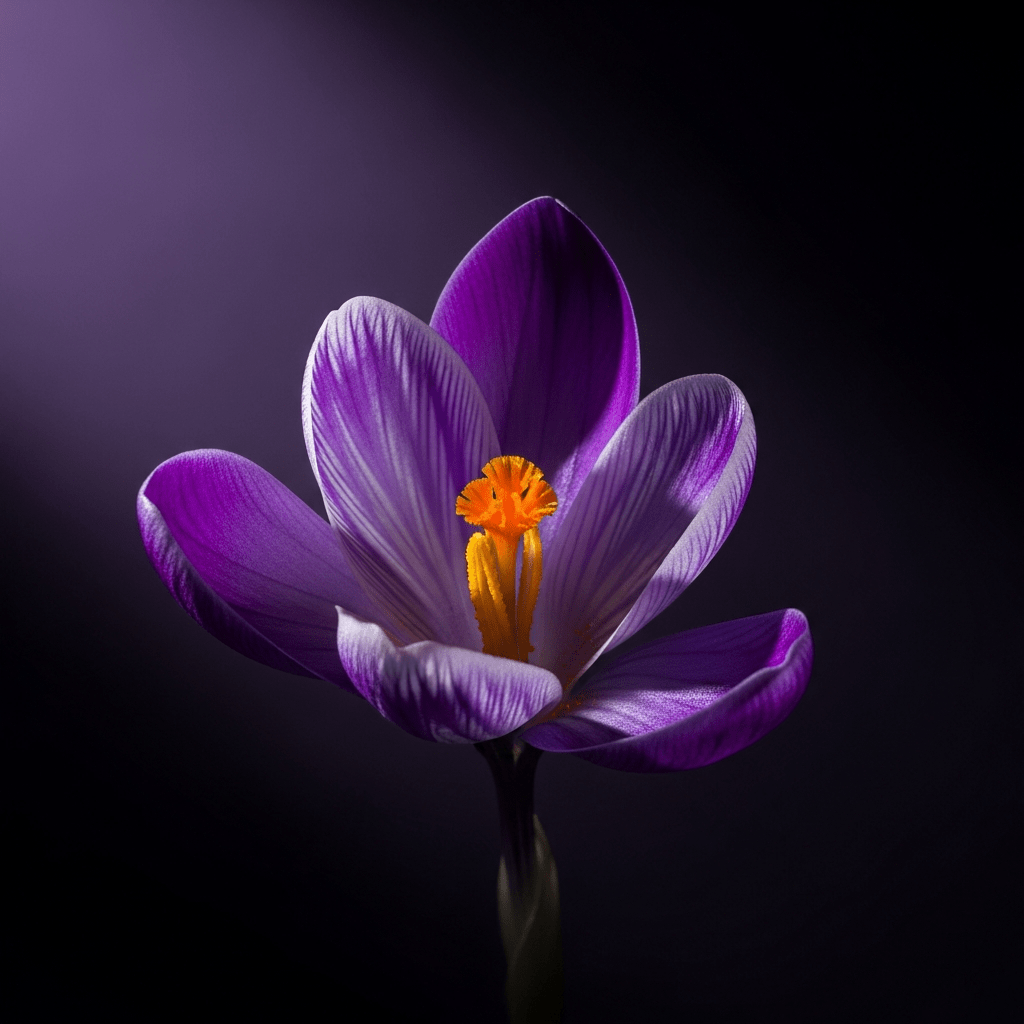
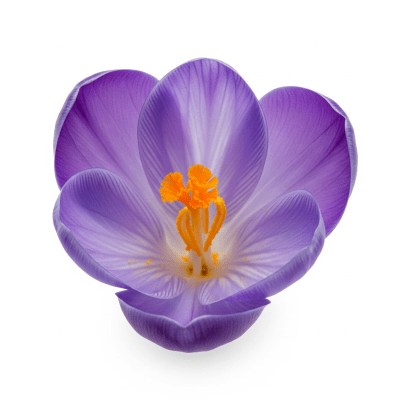
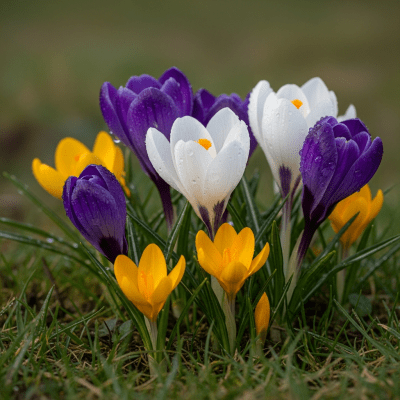
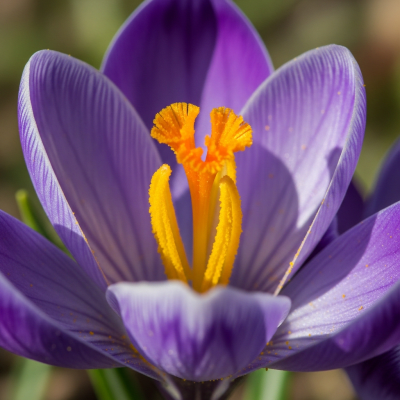
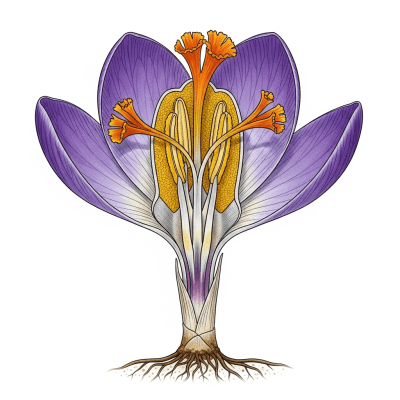
Crocuses are diminutive, herbaceous perennials that emerge from rounded corms. They typically reach heights of 7–15 cm. The leaves are slender, grass-like, and often feature a distinctive central white stripe. Each plant produces solitary or clustered flowers, shaped like elegant cups with three petals and three sepals (collectively called tepals). The color palette is striking—ranging from deep purple and lilac to bright yellow, pure white, and soft blue—often accented by contrasting throats or delicate veining. Their blooms are among the earliest to appear in spring, though some species flower in autumn, creating vibrant carpets against the bare earth.
Crocus plants are valued for their resilience and ornamental charm. In gardens, they naturalize easily, spreading gently across lawns and borders. Their early or late-season blooms provide vital nectar for pollinators emerging from winter dormancy. Crocus sativus is cultivated for its red stigmas, which are harvested to produce saffron—a prized spice, dye, and medicinal ingredient. While most crocuses are grown for their visual appeal, some have minor roles in traditional medicine. Due to their short stems and fleeting vase life, crocuses are rarely used as cut flowers.
Bring this kind into your world illustrated posters, mugs, and shirts.
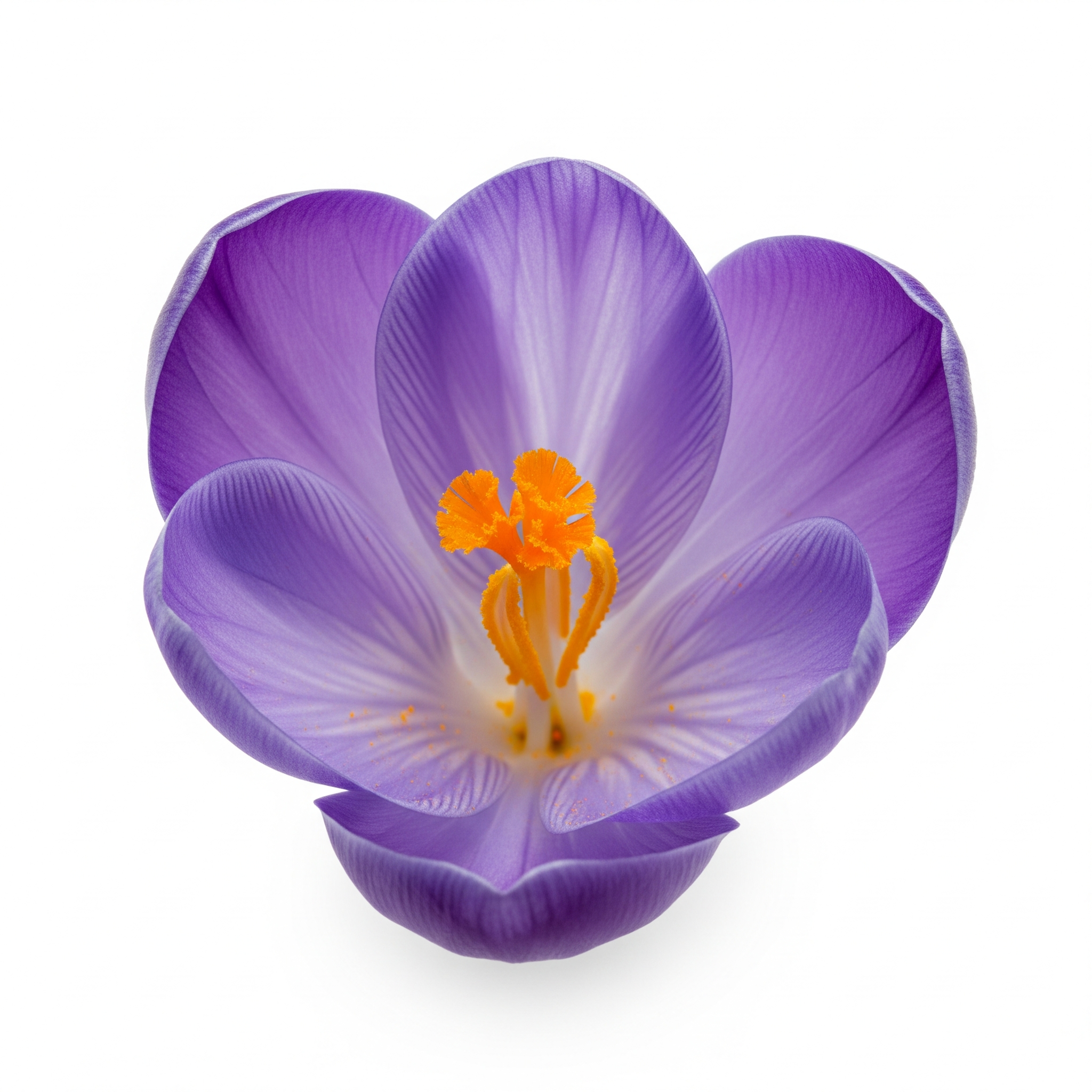
Archival print, museum-grade paper
Buy Poster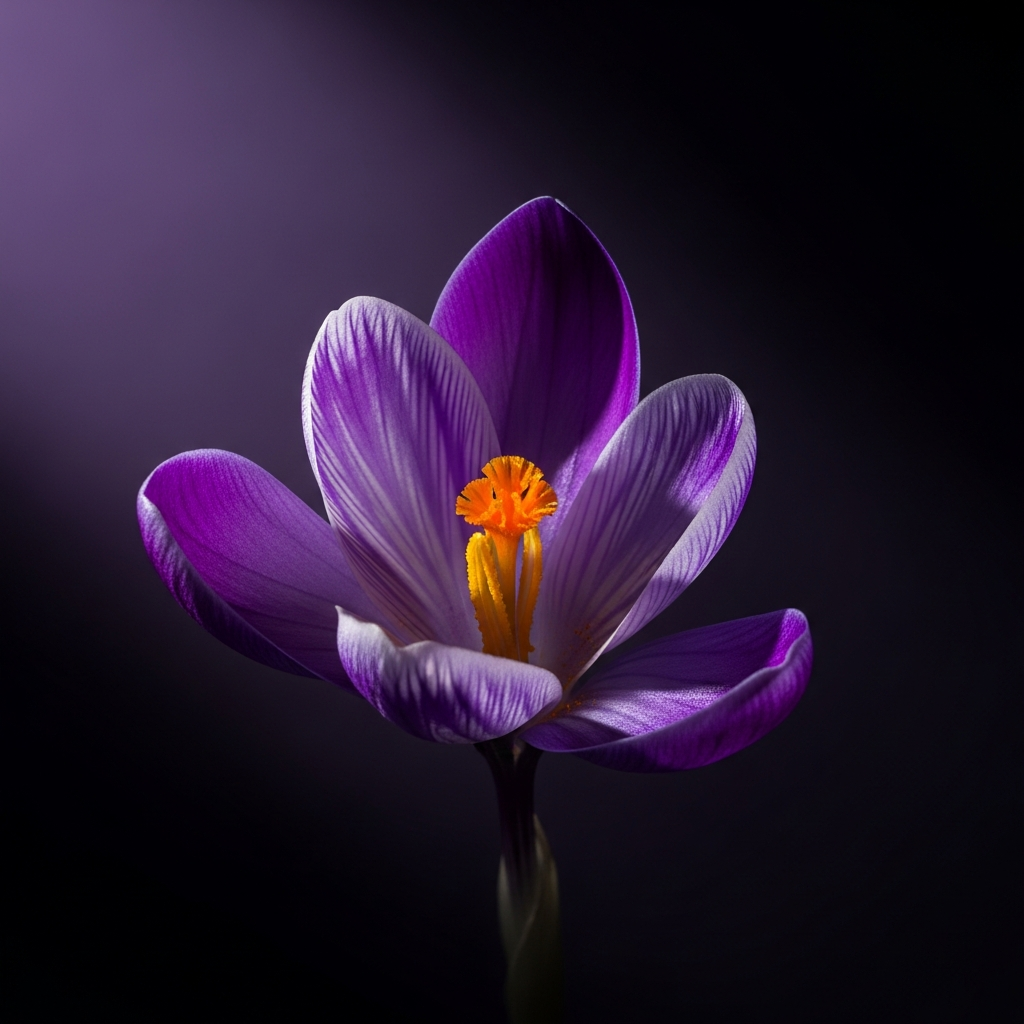
Stoneware mug, dishwasher safe
Buy Mug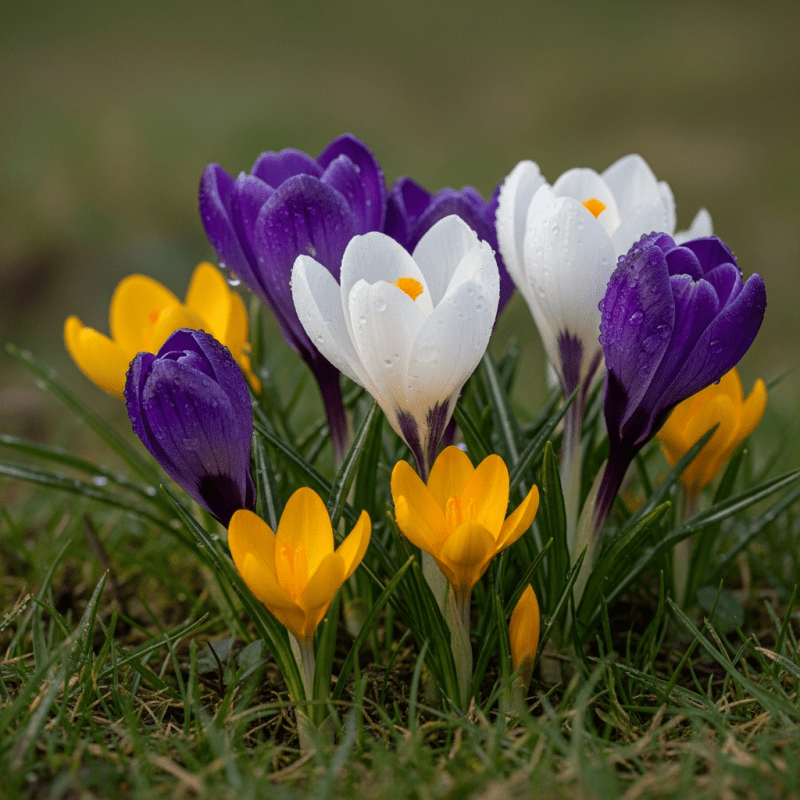
Soft cotton tee, unisex sizes
Buy ShirtCrocuses hold a special place in cultural traditions, symbolizing renewal and hope as one of the first flowers to bloom after winter. The saffron crocus is deeply woven into the culinary and economic fabric of Mediterranean societies, with saffron festivals and rituals marking harvests in regions like Iran and Spain. In European folklore and art, crocuses are celebrated as harbingers of spring, their emergence often featured in seasonal celebrations and garden design. Their vivid colors and delicate form have inspired poets, painters, and gardeners for centuries.
Crocus flowers are most admired for their vibrant colors, including shades of purple, lilac, yellow, white, and blue. While most crocuses are not strongly fragrant, their visual impact is striking—often the first burst of color in gardens after winter. Some varieties may have a faint, sweet scent, but fragrance is generally subtle and not a defining trait.


Crocuses thrive in well-drained soil and prefer locations with full sun to partial shade. Plant corms in late summer or early autumn, about 7–10 cm deep and spaced several centimeters apart. Once established, crocuses require minimal care—allow foliage to die back naturally after blooming to replenish the corms. Avoid waterlogged conditions, as corms are susceptible to rot. Propagation is best achieved by dividing corms during dormancy. In temperate climates, crocuses can remain in the ground year-round, naturalizing and multiplying over time.
Crocuses are widely regarded as symbols of hope, renewal, and the promise of spring. Their emergence from cold ground is seen as a metaphor for rebirth and resilience. In some cultures, the saffron crocus represents luxury and abundance due to the value of its spice. Crocuses are also associated with joy and youthful cheerfulness, making them popular choices for seasonal celebrations and garden displays.
Breeding of crocus has focused on enhancing flower size, color, and bloom time. Notably, Crocus sativus is believed to have arisen from natural hybridization involving Crocus cartwrightianus in the Eastern Mediterranean. The Netherlands and the United Kingdom played key roles in developing garden cultivars during the 19th and 20th centuries, leading to popular varieties like the Dutch crocus. Hybridization continues to produce new ornamental forms, though most wild species remain unchanged.
Spring-flowering crocuses typically bloom from late winter to early spring (February to April), while autumn-flowering species like Crocus sativus and Crocus speciosus bloom from September to November. Corms are available for planting in late summer to early autumn.