
Cosmos
Cosmos is a genus of vibrant, daisy-like flowering plants cherished for their airy foliage, long blooming season, and effortless beauty in gardens worldwide.
Cosmos is a genus of vibrant, daisy-like flowering plants cherished for their airy foliage, long blooming season, and effortless beauty in gardens worldwide.
Cosmos originated in Mexico, where wild species such as Cosmos bipinnatus and Cosmos sulphureus were first described by Spanish botanists in the late 18th century. The name "cosmos" derives from the Greek word for order or harmony, reflecting the flower’s balanced form. Over time, these wild species were cultivated and bred into popular garden varieties, with most modern cultivars introduced by commercial seed companies throughout the 20th century.
Cosmos belongs to the family Asteraceae, the same family as daisies and sunflowers. Within this family, Cosmos is recognized as a distinct genus, comprising approximately 20 species. Its classification is based on its characteristic daisy-like blooms and finely divided foliage, fitting neatly into the broader taxonomy of flowering plants known as angiosperms.
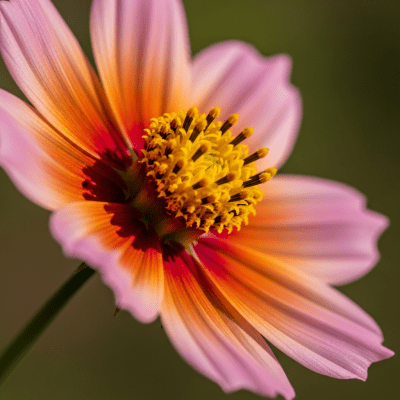
Cosmos plants feature slender, upright stems ranging from 30 to 200 centimeters tall, adorned with delicate, fern-like leaves. Their flowers are large and showy, typically 5–10 cm across, with a classic daisy shape: colorful ray petals surrounding a central yellow disc. Blooms appear singly or in loose clusters, painting gardens with shades of white, pink, magenta, red, orange, and yellow. The overall effect is light, airy, and cheerful, making Cosmos a favorite for informal and cottage garden styles.
Cosmos is prized for its ease of cultivation and prolific flowering. It thrives in poor soils and withstands drought and heat, making it ideal for low-maintenance landscapes. The flowers attract a variety of pollinators, including bees and butterflies, supporting garden biodiversity. Cosmos is widely used as an ornamental plant in borders, wildflower meadows, and as a cut flower for arrangements. Some species, notably Cosmos sulphureus, offer edible petals for culinary garnishes, though this use is less common.
Bring this kind into your world illustrated posters, mugs, and shirts.

Archival print, museum-grade paper
Buy Poster
Stoneware mug, dishwasher safe
Buy Mug
Soft cotton tee, unisex sizes
Buy ShirtIn Mexico and beyond, Cosmos holds symbolic meaning as a flower of harmony and order, echoing its Greek etymology. Its cheerful blooms are celebrated in festivals, gardens, and art, often representing peace and tranquility. The plant’s ability to thrive in challenging conditions has also made it a symbol of resilience and natural beauty, especially in cottage garden traditions and wildflower plantings.
Cosmos flowers are celebrated for their vivid palette, including white, pink, magenta, red, orange, and yellow. While most varieties do not have a pronounced fragrance, their bright colors and open form make them visually appealing and inviting to pollinators.




Cosmos thrives in full sun and well-drained soil, tolerating poor conditions better than many garden plants. Sow seeds directly in the garden after the last frost; seedlings germinate quickly and flower within two months. Water sparingly, as Cosmos prefers drier soils, and avoid excessive fertilization, which can reduce flowering. Deadheading spent blooms encourages continued flowering. Plants are generally pest- and disease-resistant, though powdery mildew may occur in humid climates. Cosmos self-seeds readily, making it easy to maintain year after year.
Cosmos symbolizes harmony, order, peace, and modest beauty. Its name, derived from the Greek "kosmos," reflects the flower’s balanced, symmetrical form and its role in representing tranquility and unity in gardens and cultural traditions, especially in Mexico.
Cosmos garden varieties have been bred from wild species such as Cosmos bipinnatus and Cosmos sulphureus, resulting in numerous cultivars and hybrids. Most breeding has focused on expanding flower colors, improving plant compactness, and enhancing garden performance. Many cultivars were introduced in the 20th century by commercial seed companies, though specific breeder details are often unavailable.
Cosmos is generally resistant to most pests and diseases, making it a reliable garden choice. However, powdery mildew can affect plants in humid conditions. To prevent issues, ensure good air circulation and avoid overhead watering. Aphids and slugs may occasionally feed on young plants but rarely cause serious damage.
Cosmos typically blooms from early summer through autumn, with peak flowering occurring 8–10 weeks after sowing. In temperate regions, plants flower continuously until the first frost, providing lasting color throughout the growing season.
Cosmos is primarily grown as an ornamental plant in gardens, landscapes, and wildflower meadows. Its long stems and vibrant blooms make it popular for cut flower arrangements. Cosmos attracts pollinators, supporting ecological diversity. While some species offer edible petals for garnishes, culinary use is limited. The flower’s symbolic associations with harmony and order add cultural value, especially in Mexican traditions.