Cornflower
The cornflower (Centaurea cyanus) is a vibrant annual wildflower celebrated for its brilliant blue blossoms and enduring presence in gardens and cultural traditions.
The cornflower (Centaurea cyanus) is a vibrant annual wildflower celebrated for its brilliant blue blossoms and enduring presence in gardens and cultural traditions.
Cornflower originated in the Mediterranean regions of Europe, where it flourished in cereal fields alongside crops like wheat and barley. Its name reflects this agricultural heritage, with "corn" referring to grain rather than maize. Over time, the species naturalized across temperate zones worldwide, including North America and Australia, transitioning from a wild field flower to a cherished ornamental in cultivated landscapes. The wild form has inspired a multitude of garden varieties, though the precise history of its initial discovery remains unrecorded.
Belonging to the genus Centaurea within the family Asteraceae, cornflower is scientifically classified as Centaurea cyanus. It is part of the diverse group of angiosperms, or flowering plants, and shares its family with daisies and sunflowers. The species is distinguished by its solitary flower heads and annual growth cycle, and is sometimes referenced by the synonym Cyanus segetum in botanical literature.
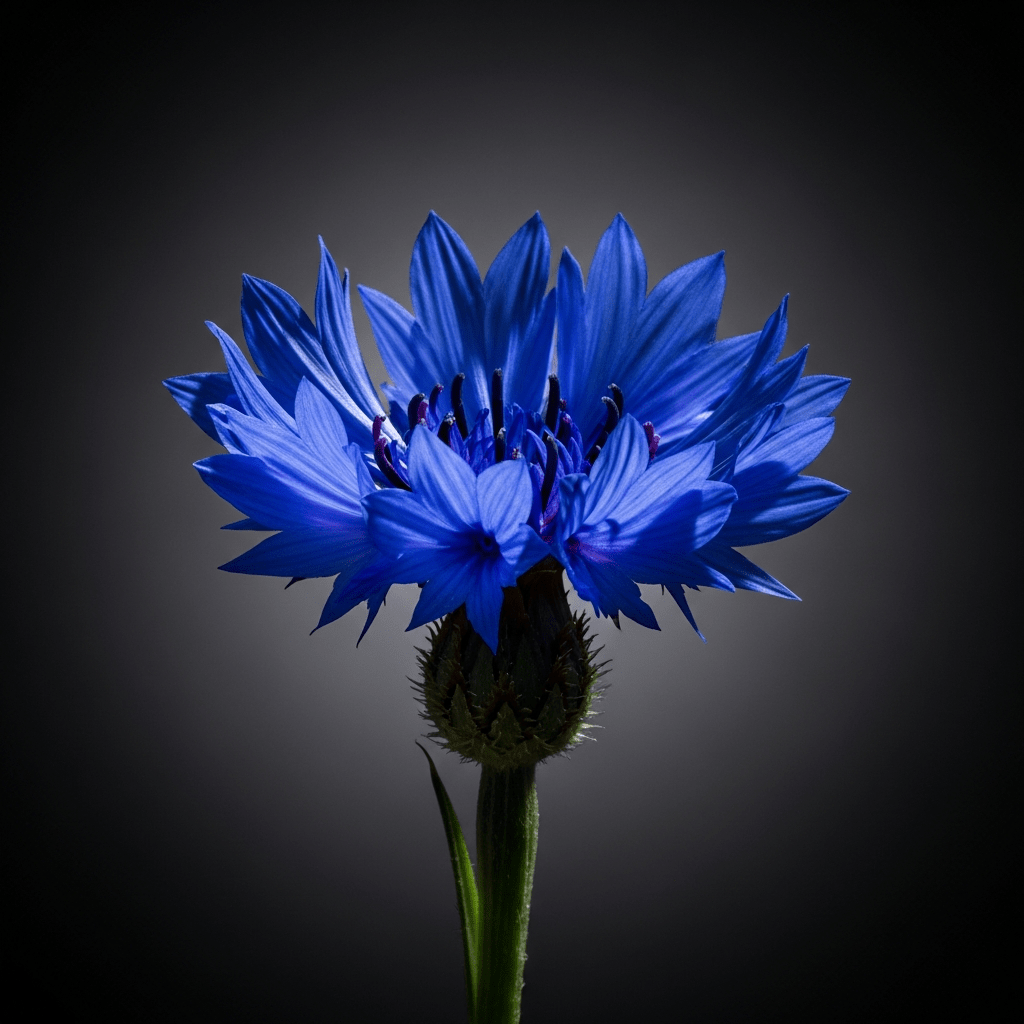
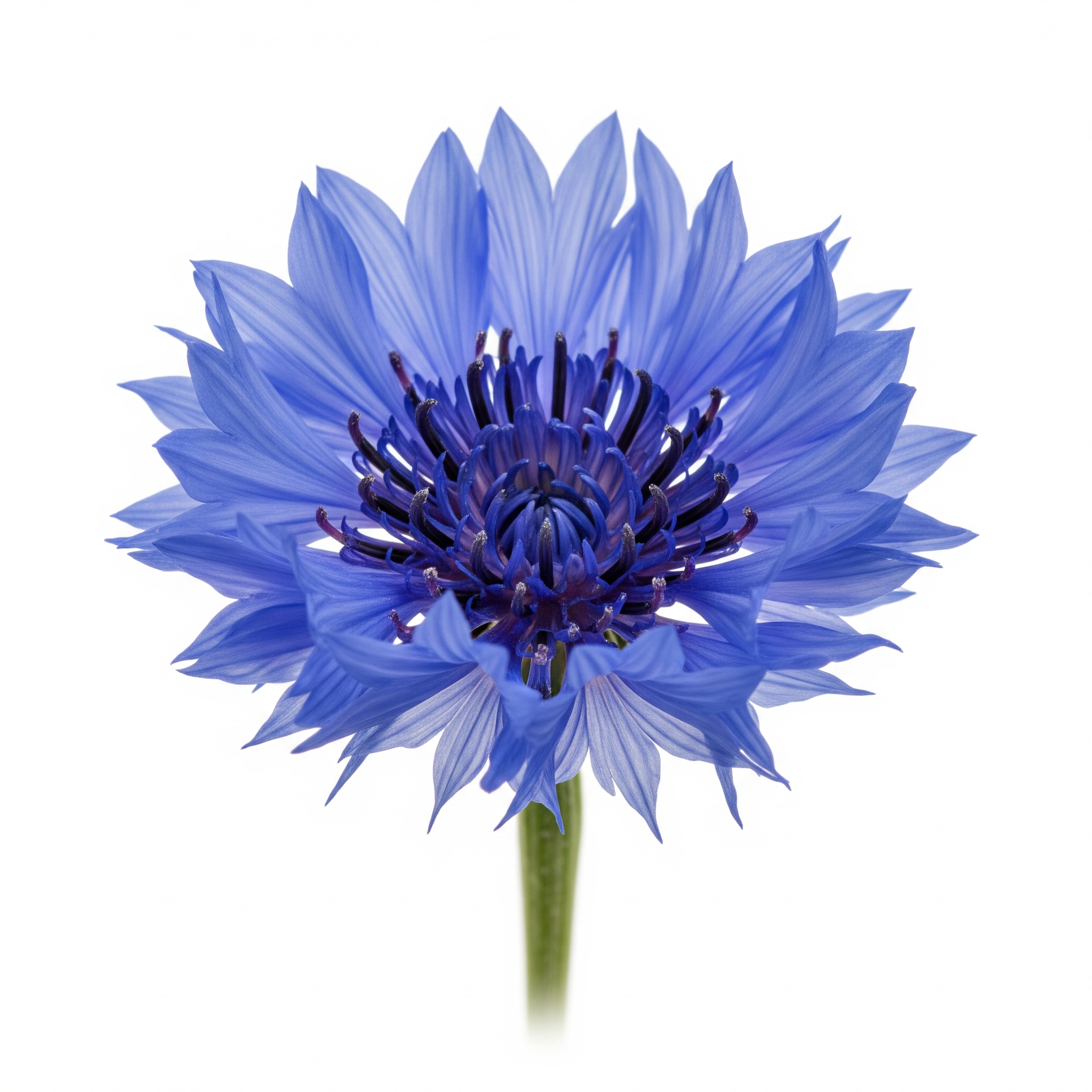
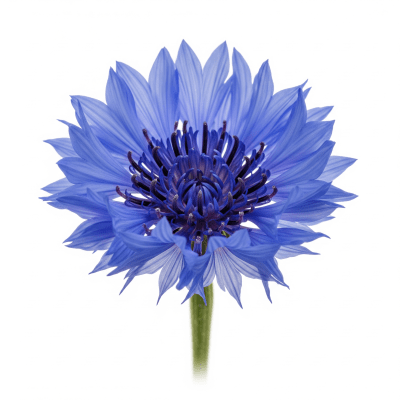
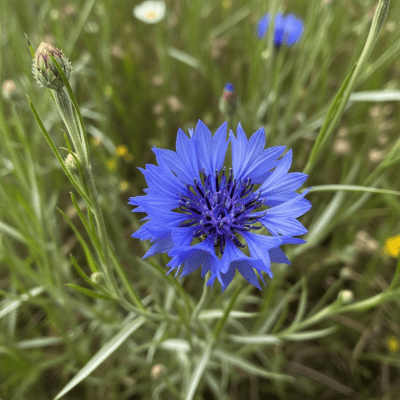
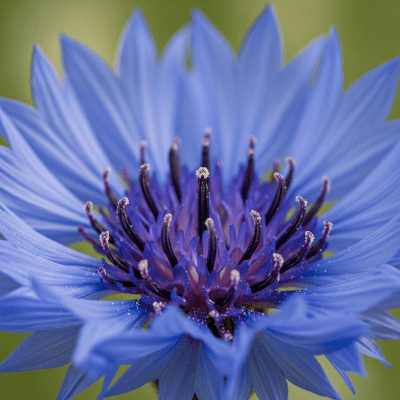
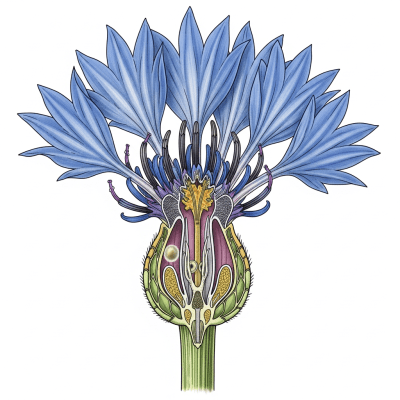
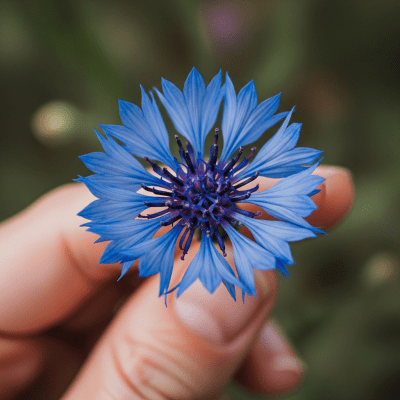
Cornflower presents as an upright, branching herbaceous annual, typically reaching 40–90 cm in height. Its slender, gray-green leaves are lance-shaped, while the flower heads measure 2–3 cm across. The most iconic feature is its intense blue ray florets, which encircle a cluster of central disc florets. While blue is most common, cultivars also display pink, white, or purple hues. The overall impression is one of delicate yet striking beauty, with blooms that stand out vividly in both wild meadows and cultivated beds.
Cornflower thrives in well-drained, moderately fertile soils under full sun, and is moderately drought-tolerant. It self-seeds readily, ensuring its persistence in suitable environments. Humans cultivate cornflower for ornamental purposes, as a cut flower, and for its edible petals, which are used to garnish salads and infuse teas. The plant is also valued for attracting pollinators such as bees and butterflies, supporting ecological diversity in gardens and wildflower meadows.
Bring this kind into your world illustrated posters, mugs, and shirts.
Archival print, museum-grade paper
Buy Poster
Stoneware mug, dishwasher safe
Buy Mug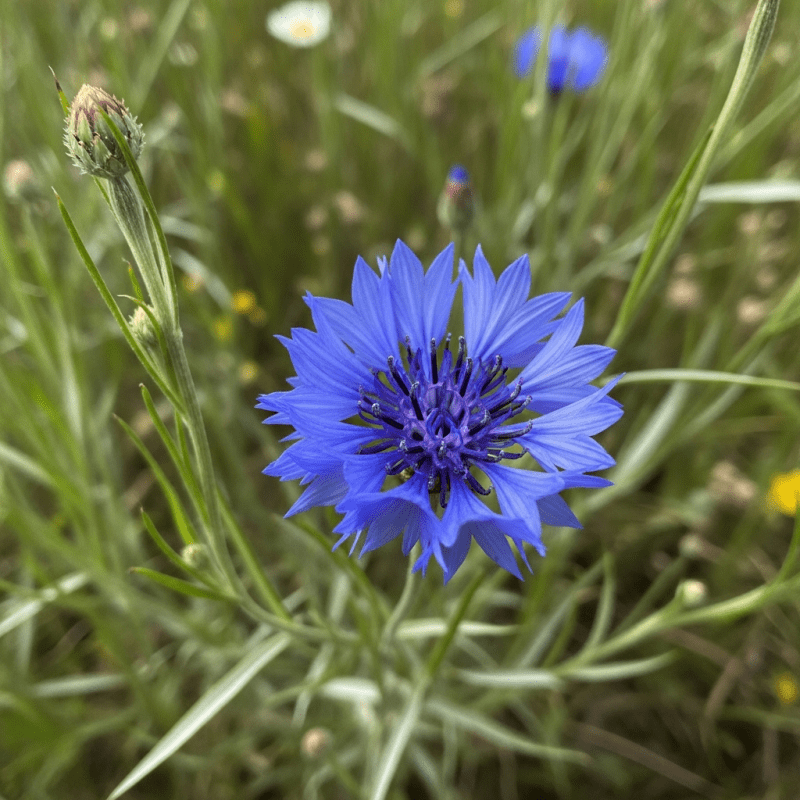
Soft cotton tee, unisex sizes
Buy ShirtDeeply woven into European culture, cornflower is the national flower of Estonia and a symbol of remembrance in several countries. Its blue hue has inspired artists and poets, and it features in folklore as a token of love and hope. In France, the "bleuet" is worn to honor veterans, while in Germany, "Kornblume" is associated with rural heritage. Cornflower’s presence in art, literature, and ceremonial traditions underscores its enduring symbolic resonance.
Cornflower is best known for its brilliant, electric blue petals, though cultivars may also display shades of pink, white, or purple. The flowers are typically unscented or possess a very mild, subtle fragrance, making their visual impact the primary sensory appeal. The blue of cornflower is so distinctive that it has lent its name to the color "cornflower blue" in art and design.
To cultivate cornflower, sow seeds directly into well-drained, moderately fertile soil in a sunny location during spring. The plants require minimal maintenance, thriving with occasional watering in dry spells and benefit from deadheading to prolong blooming. Cornflower is moderately drought-tolerant and self-seeds easily, making it suitable for wildflower meadows and informal borders. Watch for powdery mildew and aphids, especially in humid conditions, and avoid overwatering to reduce disease risk.
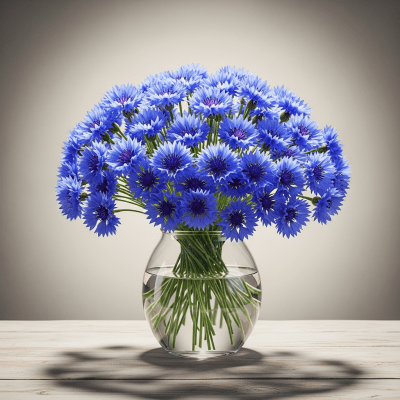
Cornflower symbolizes delicacy, hope, and remembrance. Its blue blooms are associated with positive energy, fidelity, and enduring love, making it a popular choice in wedding bouquets and commemorative events. In several European cultures, cornflower represents resilience and the beauty found in simplicity, and it is worn as a symbol of respect and honor during national holidays and memorials.
Cornflower’s horticultural history centers on selection for flower color, size, and branching habit. While early breeding records are sparse, modern cultivars have been developed by various horticultural firms and breeders, resulting in a wide palette of colors and improved garden performance. Hybridization within the genus Centaurea has yielded both ornamental and wildflower types, with ongoing breeding focused on disease resistance and extended bloom time.
Cornflower typically blooms from late spring through midsummer, with peak flowering between May and August in the Northern Hemisphere. Its seeds are available year-round for sowing, and dried petals can be found in specialty shops for culinary or decorative use outside the main growing season.