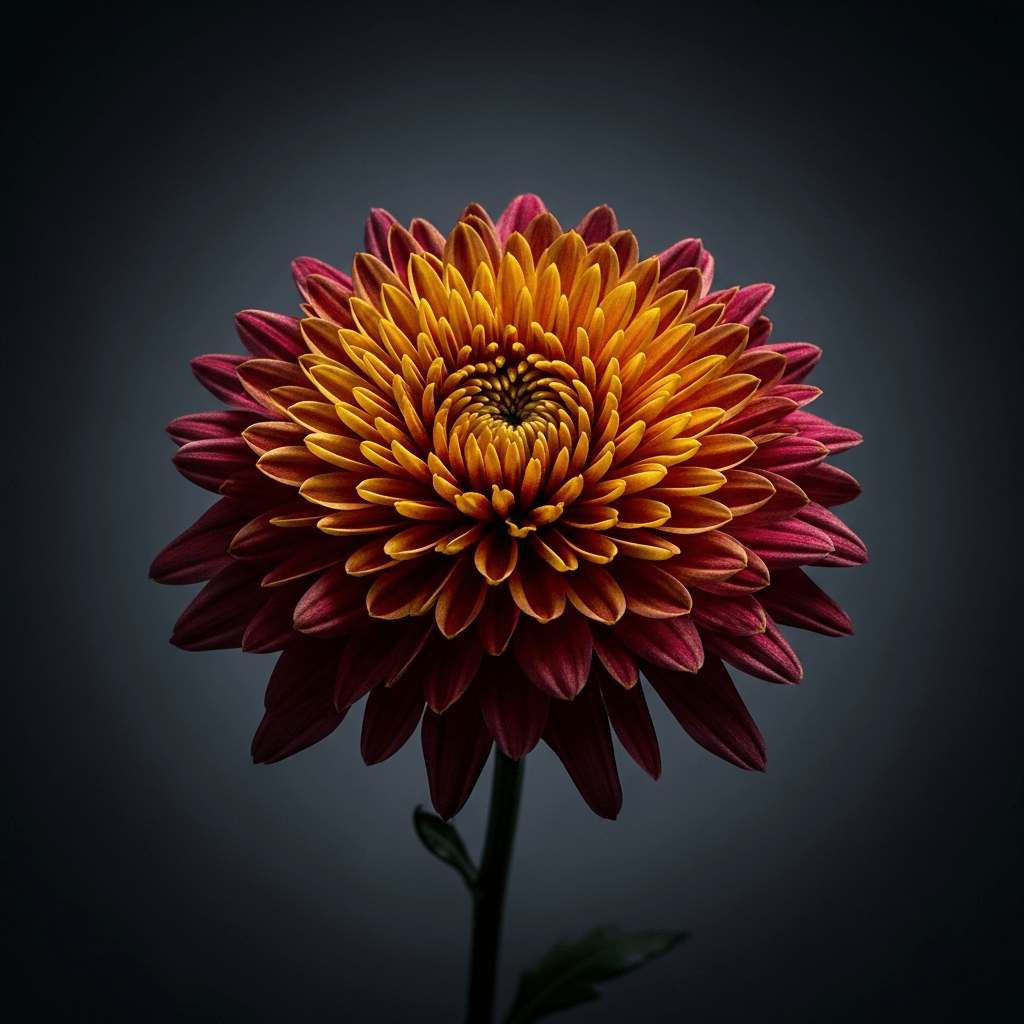
Chrysanthemum
Chrysanthemum is a vibrant genus of flowering plants celebrated for its diverse forms, dazzling colors, and deep cultural resonance across the world.
Chrysanthemum is a vibrant genus of flowering plants celebrated for its diverse forms, dazzling colors, and deep cultural resonance across the world.
Chrysanthemums trace their origins to Asia and northeastern Europe, with the earliest cultivation and selection occurring in China and Japan centuries ago. The genus was first formally described by Carl Linnaeus in 1753, and most modern garden chrysanthemums are complex hybrids derived from Chrysanthemum indicum and Chrysanthemum morifolium. Over time, breeders across Asia, Europe, and North America have contributed to the development of countless cultivars, making chrysanthemums a truly global flower.
Chrysanthemum belongs to the family Asteraceae, one of the largest families of flowering plants. Within this family, the genus comprises over 40 accepted species, alongside thousands of horticultural cultivars. Taxonomic revisions have led to some species formerly classified as chrysanthemums being moved to related genera such as Tanacetum and Leucanthemum. The genus is recognized for its composite flower heads and is central to both botanical and horticultural classification systems.
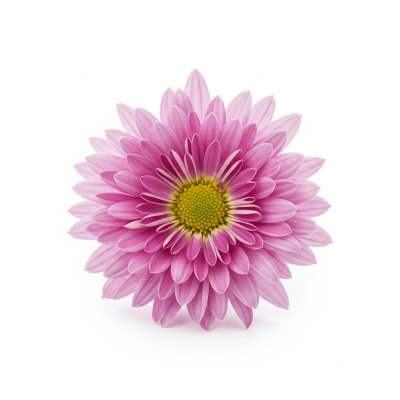
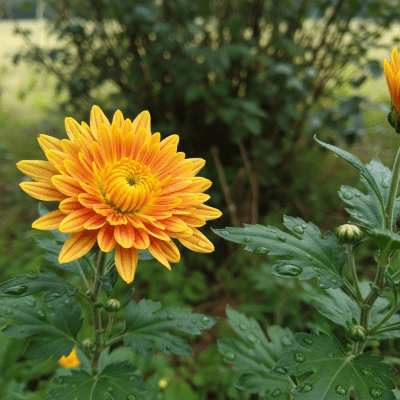
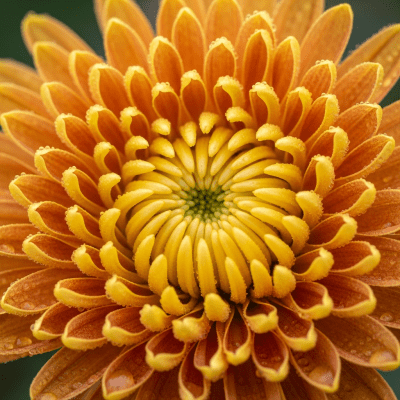
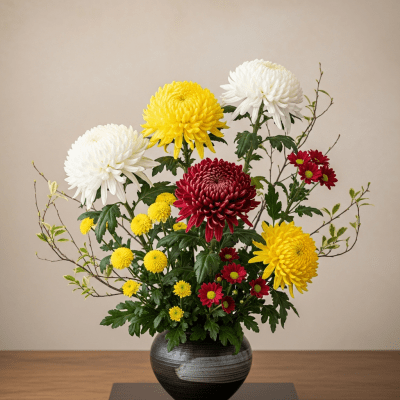
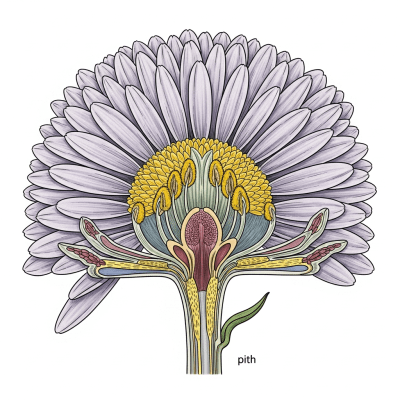
Chrysanthemums are herbaceous perennials or subshrubs, typically standing 30 to 150 cm tall. Their leaves are alternately arranged, lobed, and often aromatic. The signature flower head is a composite capitulum, featuring a central cluster of disc florets surrounded by colorful ray florets. Blooms come in a spectacular range of forms—single, semi-double, pompon, anemone, spider, quill, incurved, and reflexed—displaying shades of white, yellow, pink, red, purple, and bronze. The overall effect is lush, eye-catching, and highly variable, making chrysanthemums a favorite for gardens and floral arrangements.
Chrysanthemums are prized for their ornamental value, widely used in gardens, landscapes, and as cut flowers. Their robust blooming period from late summer to autumn makes them a staple in seasonal displays. In East Asia, certain species are cultivated for culinary uses such as chrysanthemum tea and edible greens. The genus also plays a role in traditional medicine and is a source of natural insecticides (pyrethrins) from select species. Their adaptability and ease of propagation by cuttings or division further enhance their popularity among gardeners and florists.
Bring this kind into your world illustrated posters, mugs, and shirts.
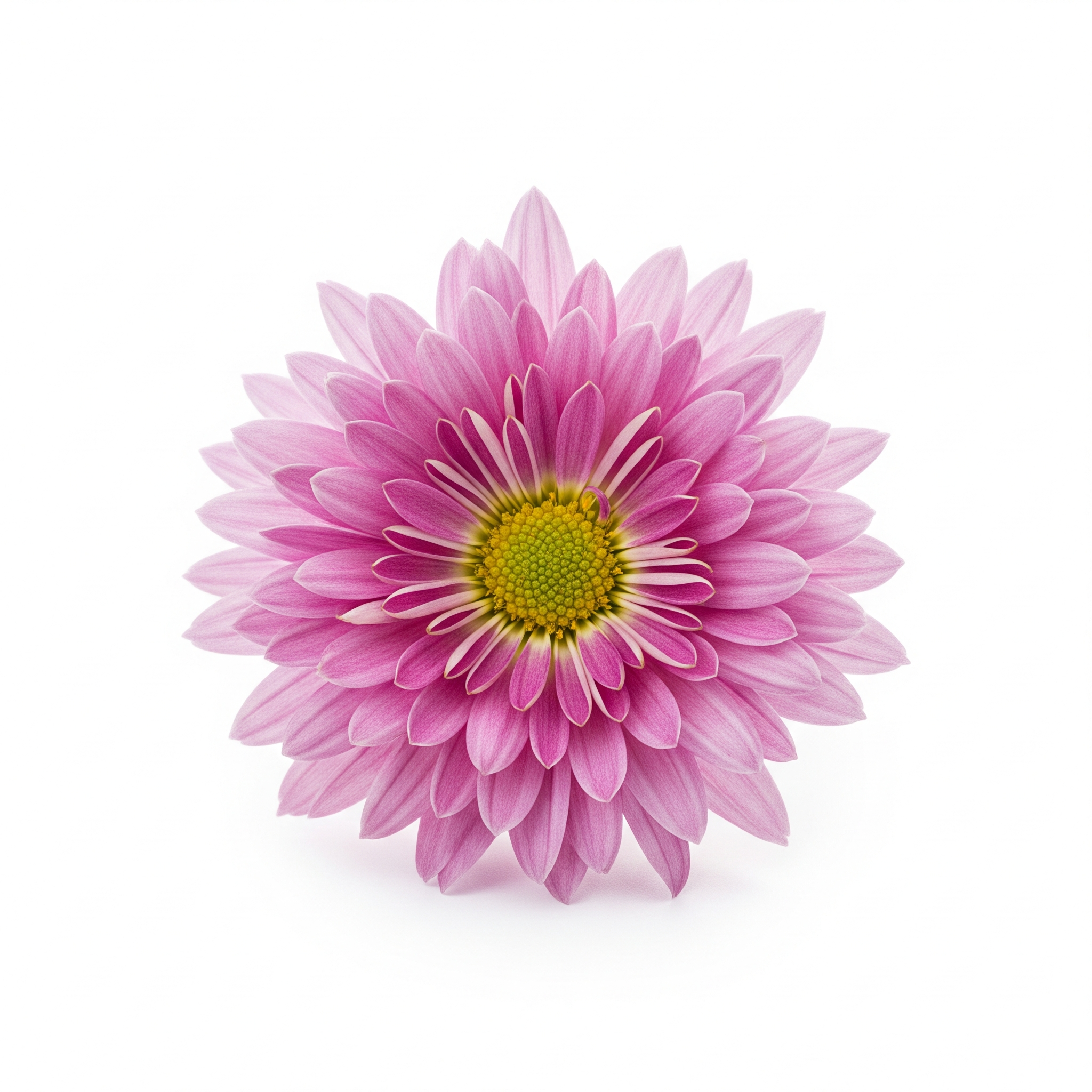
Archival print, museum-grade paper
Buy Poster
Stoneware mug, dishwasher safe
Buy Mug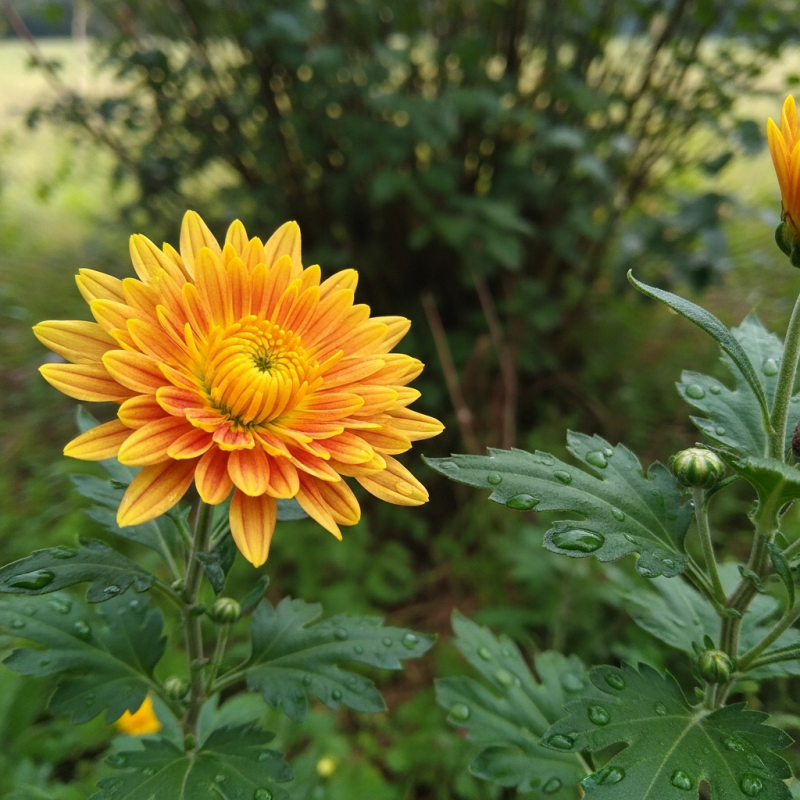
Soft cotton tee, unisex sizes
Buy ShirtChrysanthemums hold profound cultural significance worldwide. In East Asia, they symbolize longevity, rejuvenation, and nobility, and are closely associated with the Emperor of Japan. The flower features prominently in festivals, art, and literature, especially in China and Japan. In Europe, chrysanthemums are often linked to remembrance and funerary traditions. Their enduring presence in rituals, celebrations, and decorative arts underscores their status as one of the most culturally meaningful flowers.
Chrysanthemums offer a rich palette of colors, including white, yellow, pink, red, purple, and bronze. While the leaves are often aromatic, the flowers themselves typically have a mild or subtle fragrance, making them suitable for indoor and outdoor displays without overwhelming scents.

Chrysanthemums thrive in well-drained soils and require full sun for optimal blooming. Planting is best done in spring, and regular moderate watering supports healthy growth. Propagation is most successful by cuttings or division, as many cultivars are sterile. Hardy garden types tolerate light frost, while exhibition varieties may need greenhouse protection. Vigilance against aphids, powdery mildew, and leaf spot is recommended, though many cultivars show resistance. Deadheading spent blooms encourages further flowering and maintains plant vigor.
Chrysanthemums are rich in symbolism. In East Asia, they represent longevity, rejuvenation, and honor, and are a symbol of the Japanese imperial family. In Europe, they are often associated with remembrance and are used in funerary contexts. Across cultures, the chrysanthemum conveys messages of optimism, endurance, and respect.
Popular chrysanthemum varieties include garden mums (Chrysanthemum morifolium), florist’s daisy, and exhibition types such as spider, pompon, and quill forms. Regional favorites like "kiku" in Japan and "ju hua" in China highlight the genus’s diversity. Thousands of cultivars are registered worldwide, offering options for every garden style and climate.
Chrysanthemum breeding is rooted in centuries of selection, primarily involving C. indicum and C. morifolium. Extensive hybridization in China and Japan has produced a vast array of forms, colors, and sizes. Modern breeding continues globally, focusing on traits like disease resistance, bloom longevity, and novel flower shapes. While specific breeder histories are often documented at the cultivar level, the genus as a whole reflects a rich tradition of horticultural innovation.
Chrysanthemums are susceptible to aphids, powdery mildew, and leaf spot. Preventive care includes good air circulation, avoiding overhead watering, and prompt removal of affected leaves. Many cultivars are bred for resistance, but regular monitoring and integrated pest management are recommended for healthy plants.
Chrysanthemums typically bloom from late summer through late autumn (August–November in the Northern Hemisphere). Their peak availability coincides with autumn festivals and holidays, making them a seasonal highlight in gardens and floral shops.
Chrysanthemums are valued as ornamental plants in gardens, landscapes, and as cut flowers. In East Asia, they are used for tea and as a culinary vegetable. The genus also features in traditional medicine and is a source of natural insecticides (pyrethrins) from select species. Their symbolic and decorative roles span ceremonies, festivals, and art across cultures.