Carnation
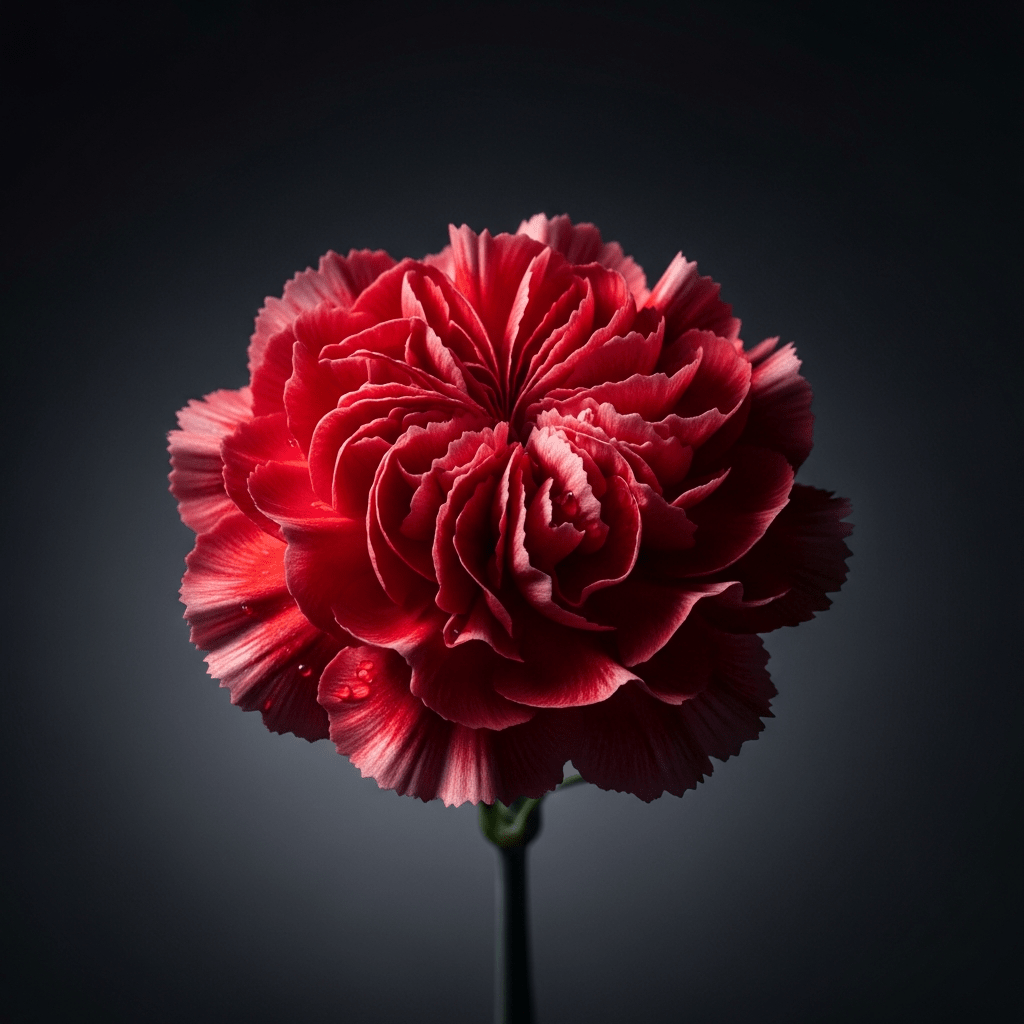
The carnation (Dianthus caryophyllus) is a beloved flowering plant celebrated for its ruffled, fragrant blooms and enduring presence in gardens, bouquets, and cultural ceremonies worldwide.
The carnation (Dianthus caryophyllus) is a beloved flowering plant celebrated for its ruffled, fragrant blooms and enduring presence in gardens, bouquets, and cultural ceremonies worldwide.
Carnation's origins trace to the Mediterranean, where wild forms flourished and were cherished by ancient Greek and Roman civilizations. Cultivation began before the 16th century, with formal breeding accelerating in Europe during the 19th and 20th centuries. Today, the carnation's lineage is a tapestry of selective breeding and hybridization, resulting in countless cultivars grown across the globe.
The carnation belongs to the genus Dianthus within the family Caryophyllaceae, a group known for their ornamental and fragrant flowers. Its scientific name is Dianthus caryophyllus. While commonly called carnation, it is also known as clove pink, grenadine, and divine flower, and shares close kinship with other Dianthus species such as sweet william.
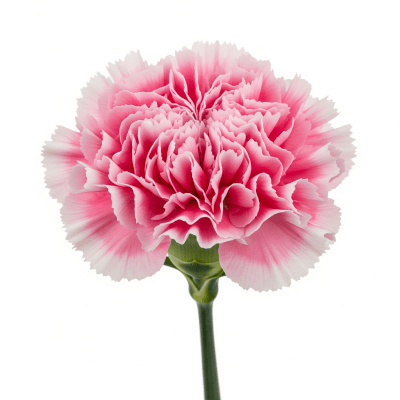
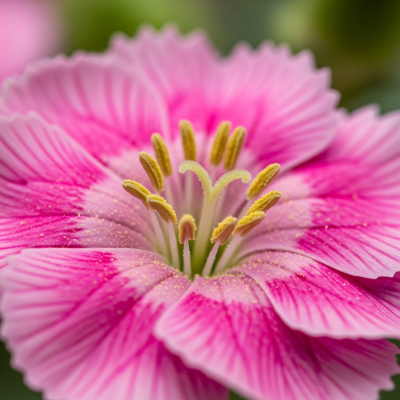
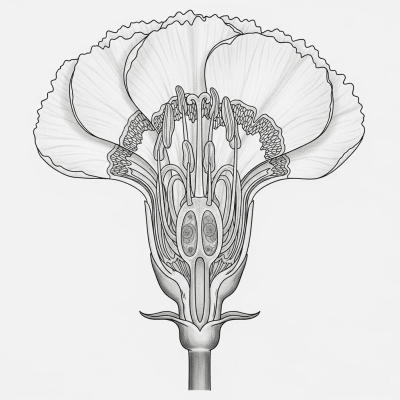
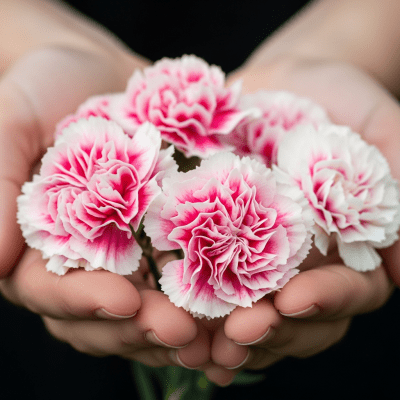
Carnations are herbaceous perennials, typically reaching 30–80 cm in height, with slender, gray-green leaves arranged oppositely along sturdy stems. Their iconic flowers measure 3–5 cm across, displaying frilled or serrated petal edges and a striking array of colors—from pure white and soft pink to vivid red, yellow, purple, and even bi-colored or variegated forms. Some modern cultivars are dyed or genetically modified for unique hues, including blue.
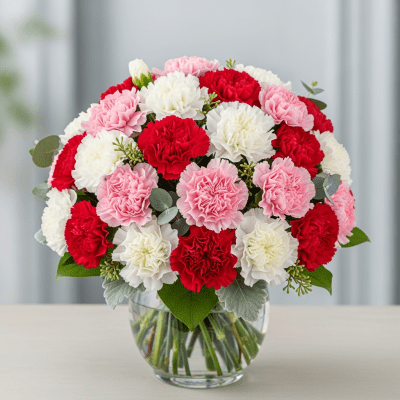
Renowned for their exceptional vase life and spicy fragrance, carnations are staples in the global cut flower trade. They are widely used in floral arrangements, corsages, boutonnieres, and ceremonial displays. Propagation is primarily by cuttings to preserve cultivar traits, and greenhouse cultivation ensures year-round availability. Some varieties are edible and used as garnishes or flavoring agents, while essential oils from petals find their way into perfumery.
Bring this kind into your world illustrated posters, mugs, and shirts.
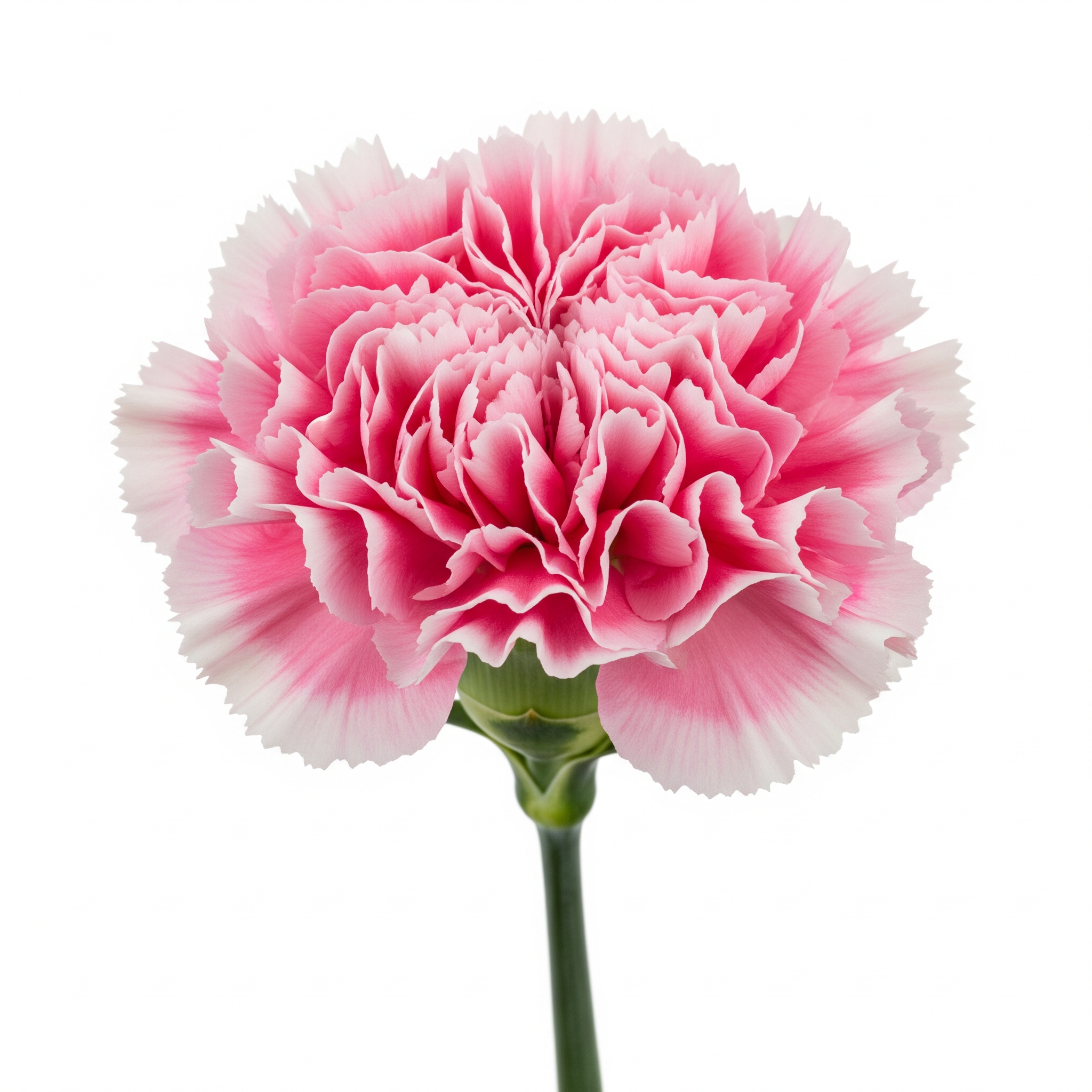
Archival print, museum-grade paper
Buy Poster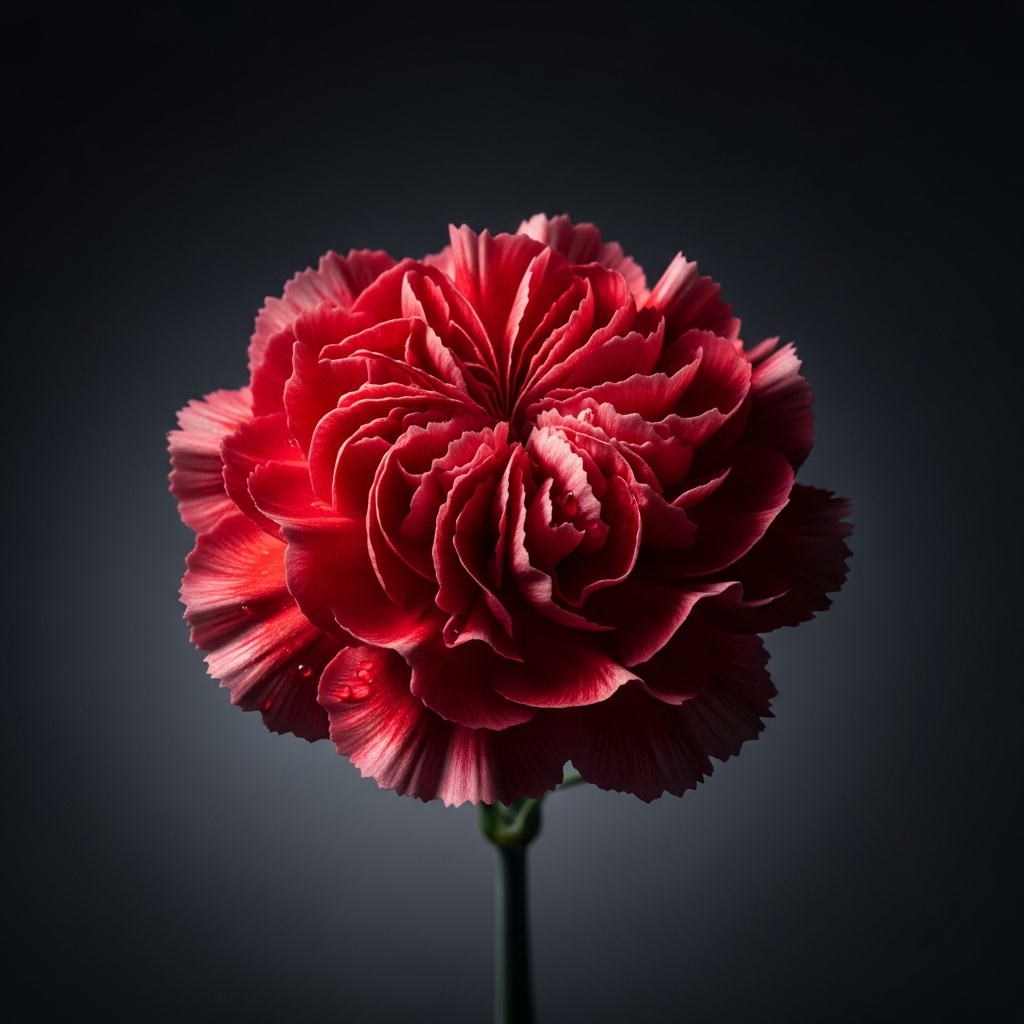
Stoneware mug, dishwasher safe
Buy Mug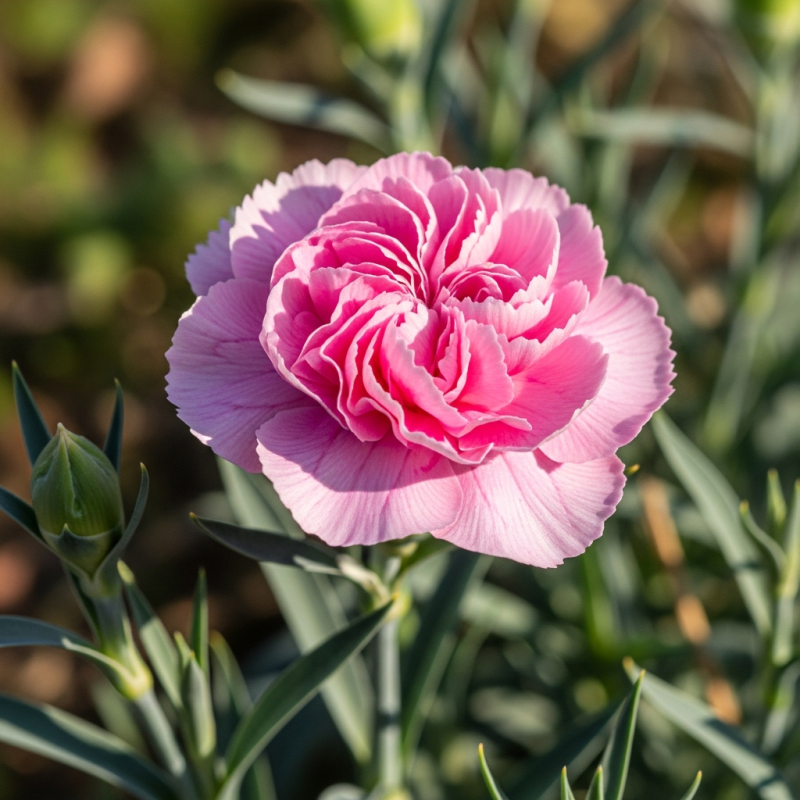
Soft cotton tee, unisex sizes
Buy ShirtCarnations hold deep symbolic meaning in many cultures. They are the official flower of Mother’s Day in several countries and have been adopted as emblems in labor movements. Their presence in art, literature, and rituals spans centuries, with color-specific meanings—red for love, white for purity, and pink for gratitude—woven into traditions and celebrations worldwide.
Carnations are famed for their spicy, clove-like fragrance, which ranges from subtle to pronounced depending on the variety. Their color palette is vast, including white, pink, red, yellow, purple, bi-colored, and variegated blooms. Modern breeding and dyeing techniques have expanded the spectrum, even producing blue-toned flowers.
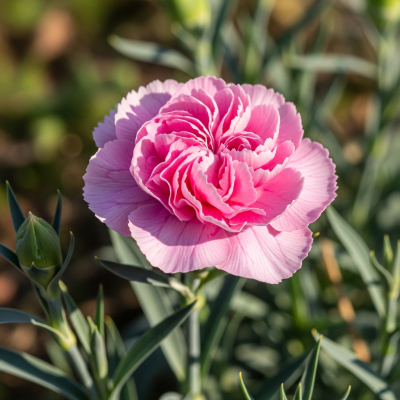
To cultivate carnations successfully, plant them in well-drained, neutral to slightly alkaline soil and provide full sun exposure. They prefer moderate watering and benefit from regular deadheading to encourage blooming. Propagation by cuttings is common for maintaining cultivar purity. While moderately drought-tolerant, carnations are susceptible to fungal diseases, so good air circulation and careful watering are essential. Greenhouse cultivation is popular for commercial growers seeking year-round production.
Carnations are rich in symbolism, with meanings varying by color and culture. Red carnations express deep love and admiration, white signifies purity and luck, and pink is associated with gratitude and motherly affection. The flower also represents distinction and remembrance, making it a popular choice for commemorative events and celebrations.
Carnation breeding has a long history, with countless hybrid cultivars developed for color, form, and longevity. Crosses within the Dianthus genus have produced flowers with enhanced traits, such as extended vase life and novel colors. While no single breeder is credited with its domestication, European horticulturists in the 19th and 20th centuries played pivotal roles in shaping modern varieties. Many commercial cultivars have proprietary lineages, and ongoing breeding continues to expand the carnation’s diversity.
With greenhouse production and global distribution, carnations are available year-round. In temperate climates, outdoor blooming typically occurs from late spring through summer, but commercial growers ensure a steady supply regardless of season.
Carnations are primarily valued as ornamental plants and cut flowers, featuring prominently in bouquets, arrangements, and ceremonial displays. Select varieties are edible and used as garnishes or flavoring agents in specialty foods and liqueurs. Carnation essential oils contribute to perfumery, and the flower’s symbolic meanings make it a fixture in cultural and commemorative events worldwide.