Camellia
Camellia is a genus of evergreen flowering plants celebrated for their glossy foliage and striking, waxy blooms that brighten gardens from autumn through spring.
Camellia is a genus of evergreen flowering plants celebrated for their glossy foliage and striking, waxy blooms that brighten gardens from autumn through spring.
Camellia originated in East Asia, with species native to regions of China, Japan, and Korea. The genus was formally described by Carl Linnaeus in 1753, named after Jesuit botanist Georg Kamel. Camellias have been cultivated for centuries, especially in China and Japan, where their horticultural and cultural importance is profound. Over time, their popularity spread to Europe and North America, spurring extensive breeding and the development of thousands of cultivars.
Camellia belongs to the family Theaceae within the angiosperms (flowering plants). The genus includes over 100 species, with notable members such as Camellia japonica, Camellia sasanqua, and Camellia sinensis. While most camellias are valued for their ornamental flowers, C. sinensis is cultivated for tea production, making the genus both horticulturally and economically significant.
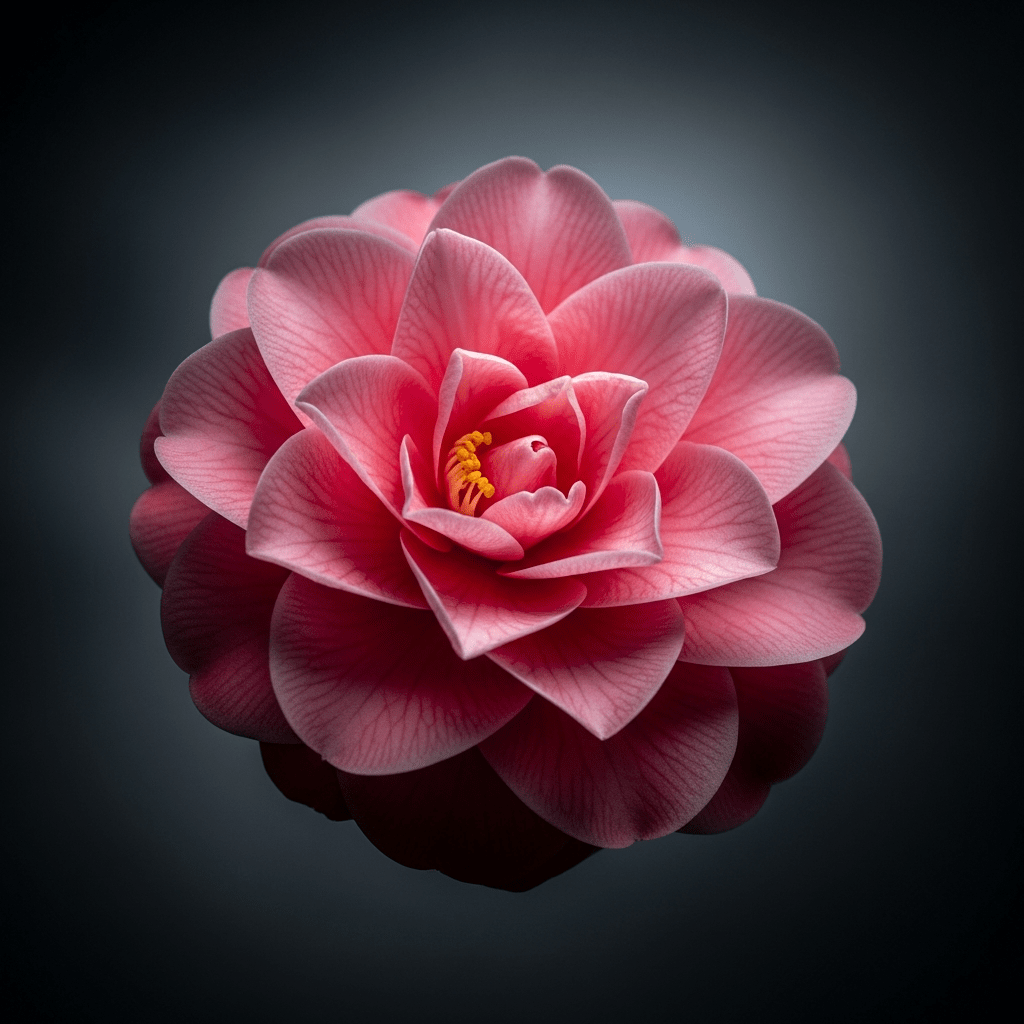
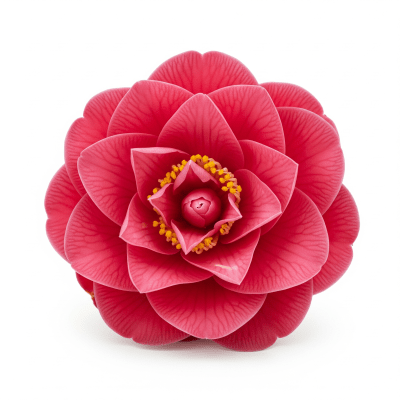
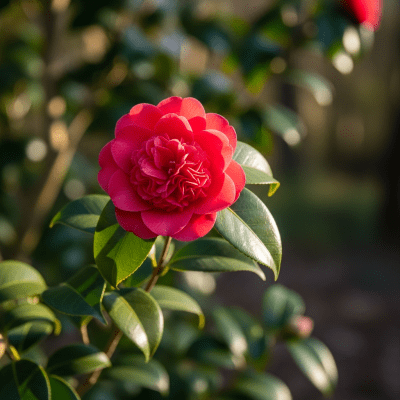
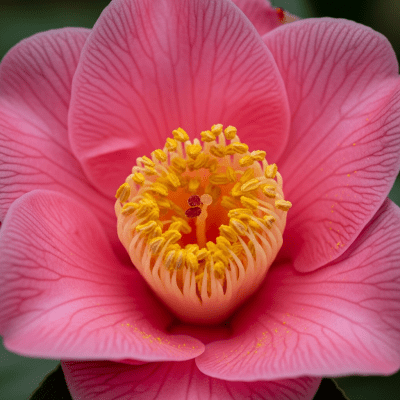
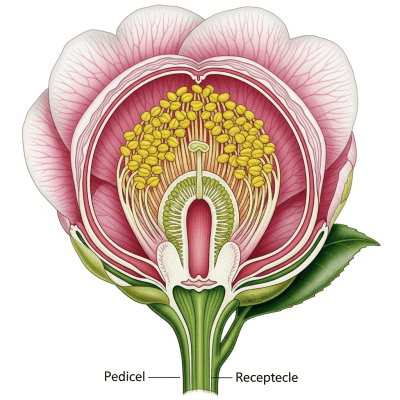
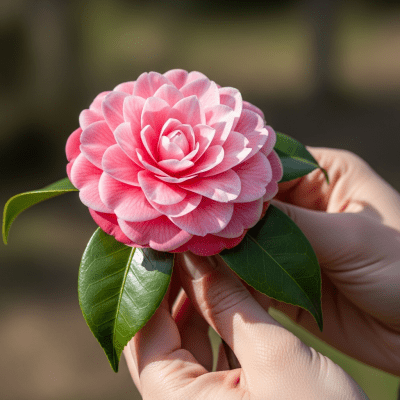
Camellias are evergreen shrubs or small trees, typically ranging from 2 to 20 meters in height. Their leaves are dark green, glossy, and leathery, arranged alternately along the stems. Flowers are solitary or clustered, featuring 5–9 petals (sometimes more in double forms), with a waxy texture and a palette that spans white, pink, red, and, in rare cases, yellow. Blooms can measure from 2 cm to over 15 cm across, presenting a lush and elegant display against the rich foliage.
Camellias are primarily grown as ornamental plants, prized for their long-lasting blooms that appear in the cooler months when few other flowers are in season. Some species, notably Camellia sinensis, play a vital role in agriculture as the source of all true teas. Camellia oil, extracted from seeds of certain species, is used in cooking and cosmetics, especially in East Asia. Their flowers are occasionally featured in floral arrangements, but are not typically consumed.
Bring this kind into your world illustrated posters, mugs, and shirts.
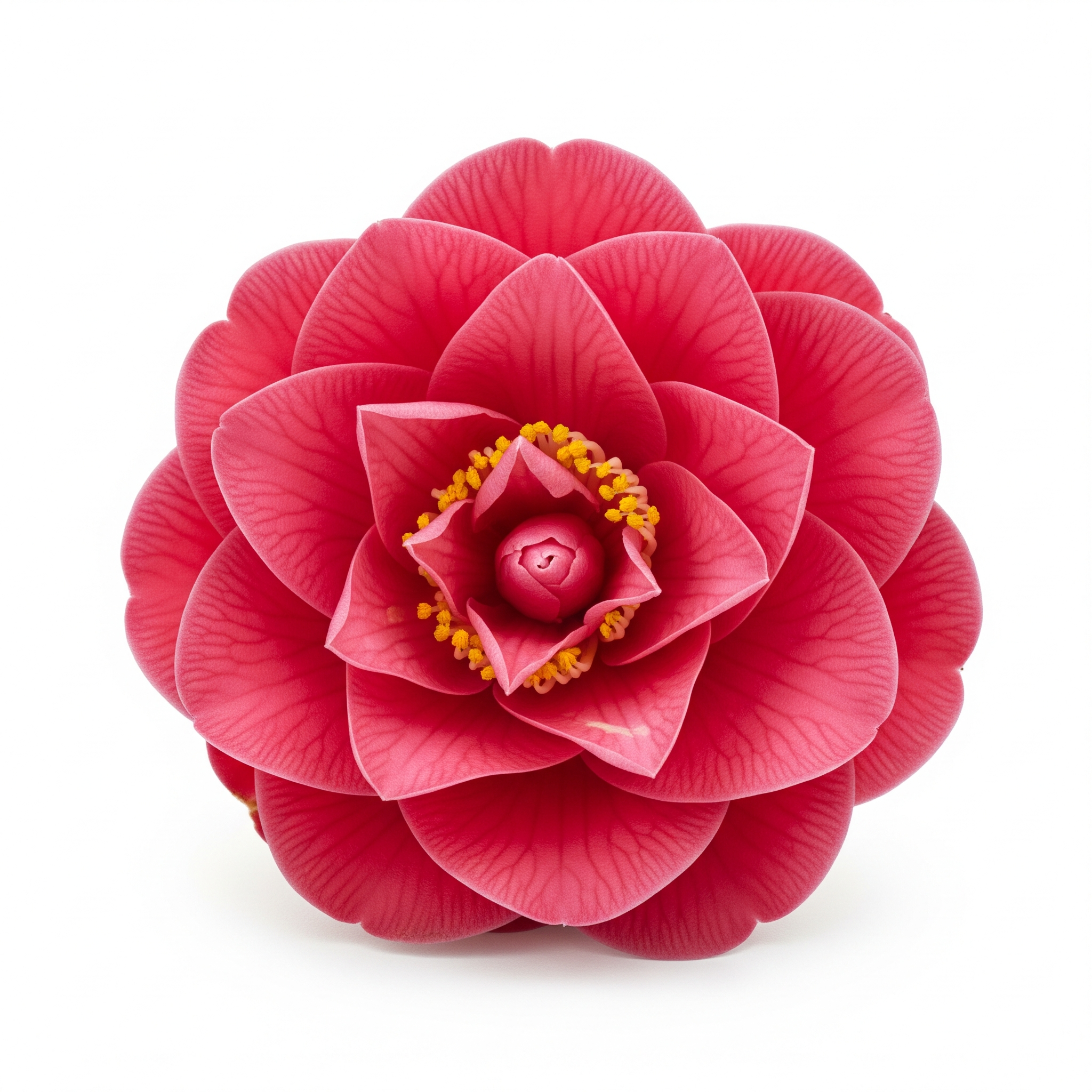
Archival print, museum-grade paper
Buy Poster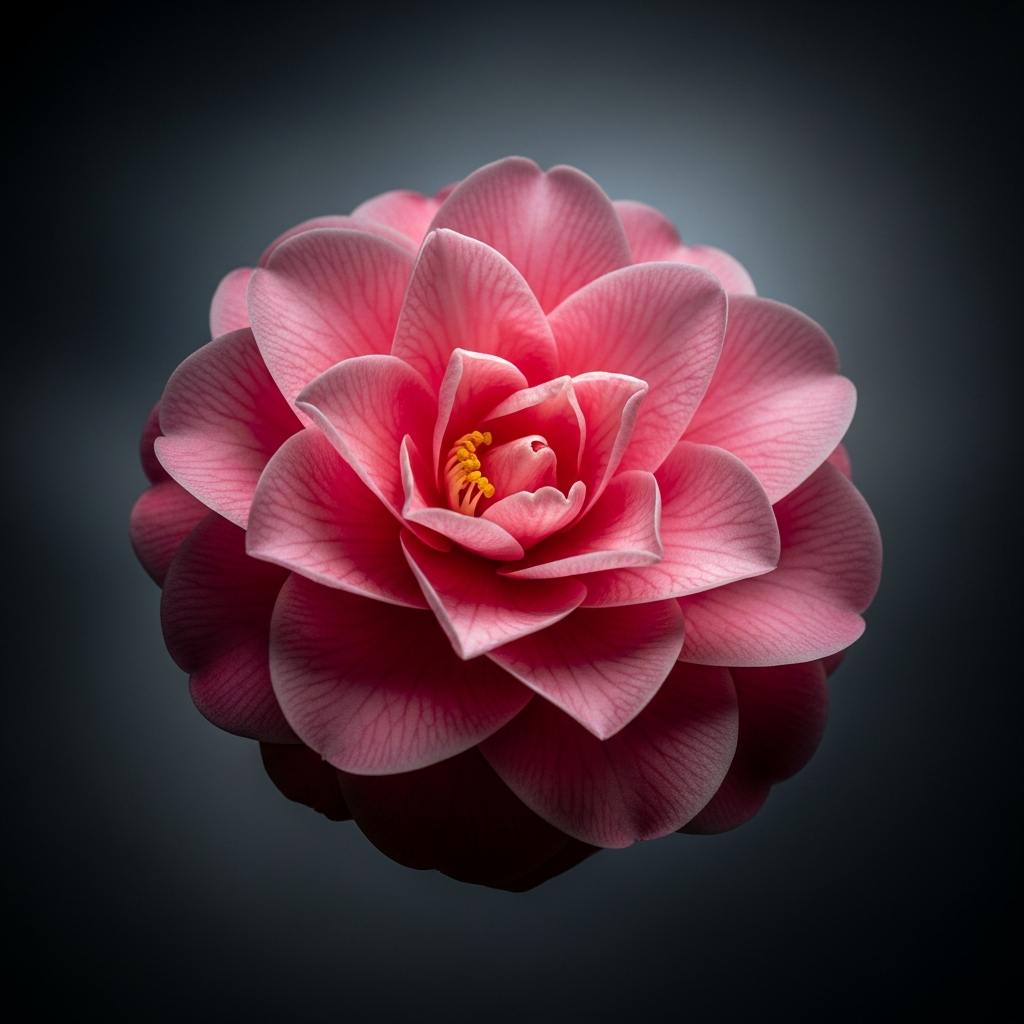
Stoneware mug, dishwasher safe
Buy Mug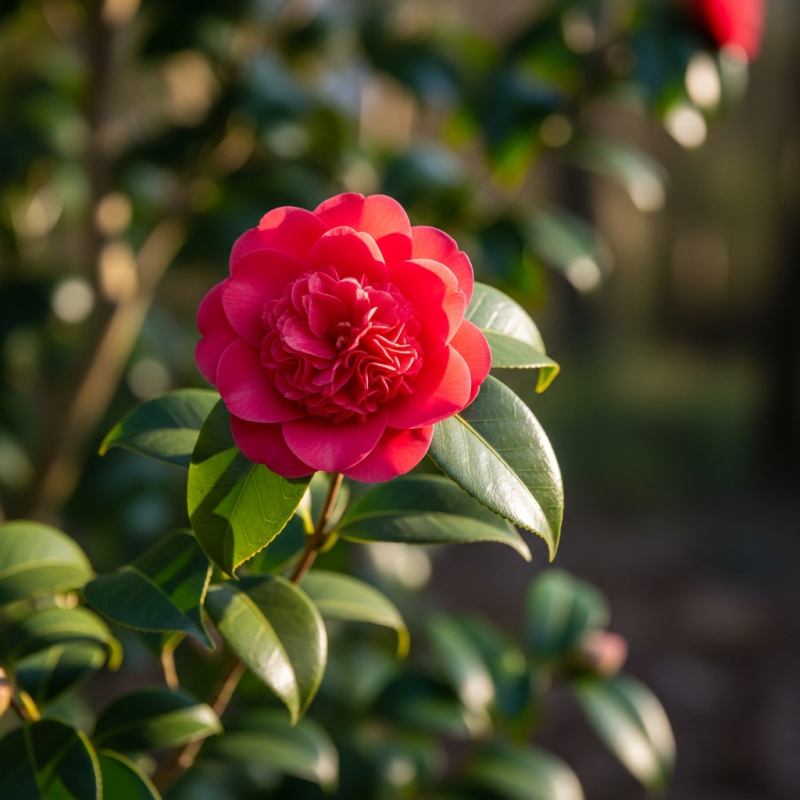
Soft cotton tee, unisex sizes
Buy ShirtCamellias hold deep cultural resonance in East Asia, symbolizing purity, longevity, and devotion in China, Japan, and Korea. In Japan, the camellia ("Tsubaki") is associated with the coming of spring and is often depicted in traditional art and ceremonies. In the West, camellias gained popularity in the 18th and 19th centuries, famously appearing in Alexandre Dumas’ novel "La Dame aux Camélias" and inspiring countless artists and gardeners. Their enduring beauty and symbolism make them a favorite in gardens and cultural celebrations worldwide.
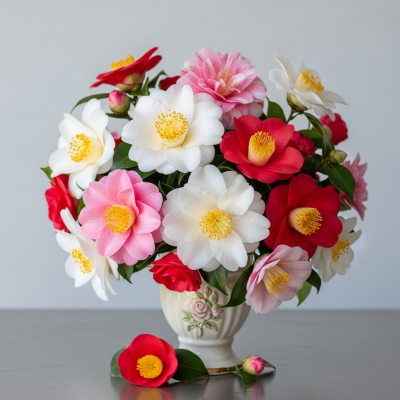
Camellia flowers are most often unscented or have a subtle, delicate fragrance, with some species and cultivars offering a light, sweet aroma. The color palette ranges from pure white and soft pinks to deep reds, with rare yellow blooms found in select species. Their waxy petals and rich hues create a striking contrast against the glossy green leaves.
Camellias thrive in acidic, well-drained soils rich in organic matter and prefer partial shade, especially shelter from harsh afternoon sun. Regular watering is essential, but avoid waterlogged conditions. Mulching helps retain moisture and protect roots. Prune after flowering to shape the plant and encourage healthy growth. Camellias are sensitive to alkaline soils and drought, so careful site selection and consistent care are key to robust blooms.
Camellias symbolize purity, longevity, and devotion in East Asian cultures. In Japan, they are associated with spring and renewal, while in China, they represent admiration and perfection. In Western traditions, camellias can signify desire or refined beauty, and their presence in literature and art often evokes themes of love and remembrance.
Camellias have a rich history of breeding and hybridization, especially in China, Japan, and later Europe and North America. Thousands of cultivars have been developed, ranging from single to double-flowered forms and spanning a broad spectrum of colors. Breeding institutions such as the Royal Horticultural Society and the Camellia Society of America have contributed to the refinement and global distribution of camellia varieties. Hybridization has produced plants with improved cold tolerance, extended bloom seasons, and novel flower forms.
Camellias bloom from autumn through spring, with specific timing dependent on species and cultivar. Camellia sasanqua flowers in autumn to early winter, Camellia japonica in late winter to spring, and Camellia reticulata in spring. Their extended blooming period makes them valuable for adding color to gardens during cooler months.
Camellias are cherished as ornamental shrubs and trees, providing vibrant blooms for gardens and landscapes. Camellia sinensis is cultivated globally for tea production, forming the backbone of the world’s tea industry. Camellia oil, derived from seeds of select species, is used in cooking and cosmetics, particularly in East Asia. While not commonly edible, camellia flowers are sometimes used in floral arrangements, and the plant’s cultural symbolism enriches ceremonies and artistic traditions.