Calla Lily
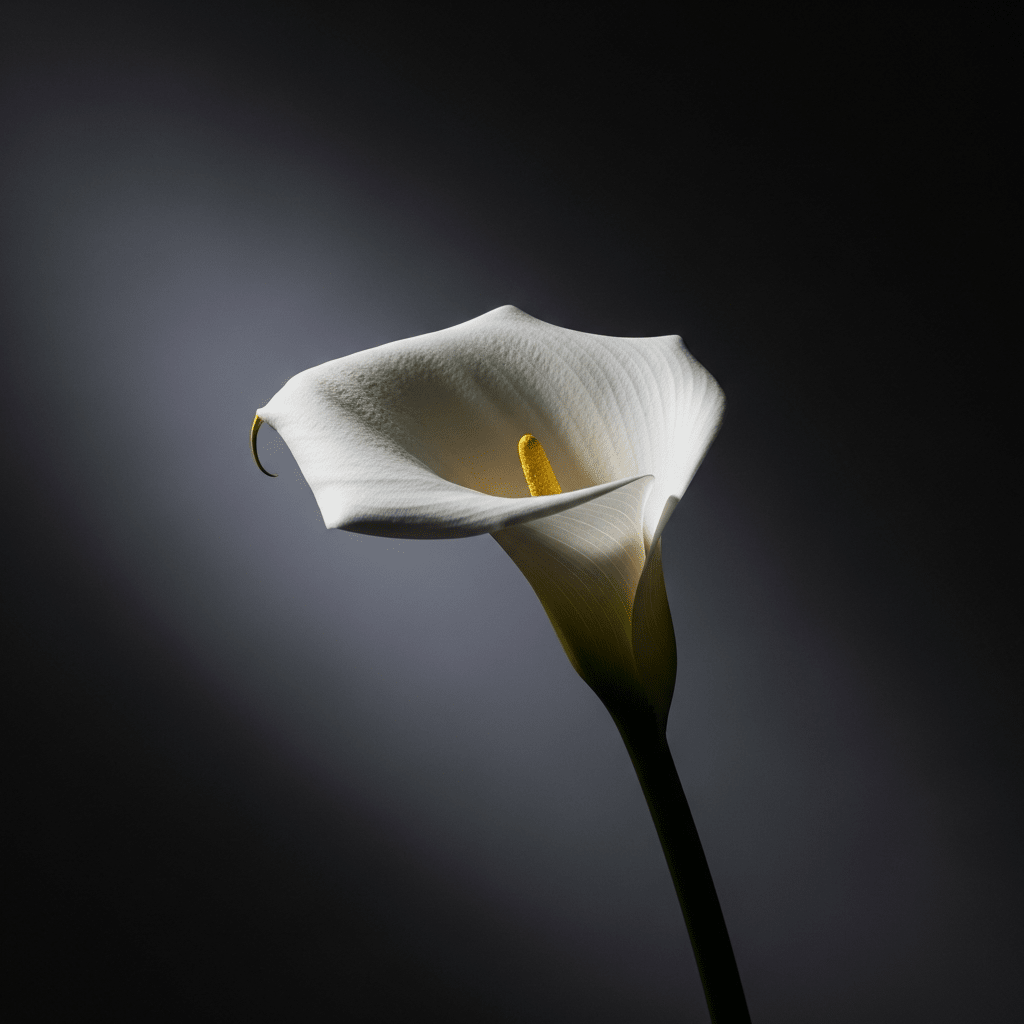
The Calla Lily is a graceful perennial flower, celebrated for its elegant, trumpet-shaped white spathes and lush green foliage, making it a beloved choice for ornamental gardens and floral arrangements worldwide.
The Calla Lily is a graceful perennial flower, celebrated for its elegant, trumpet-shaped white spathes and lush green foliage, making it a beloved choice for ornamental gardens and floral arrangements worldwide.
Native to southern Africa—including South Africa, Lesotho, and Eswatini—the Calla Lily (Zantedeschia aethiopica) was first described by Carl Linnaeus in 1753. Its natural habitat consists of moist, marshy areas, and its wild origins have inspired countless cultivars and hybrids, though the species itself remains a product of nature rather than selective breeding.
Though commonly called a "lily," the Calla Lily is not a true lily. It belongs to the family Araceae, genus Zantedeschia. Its distinctive floral structure sets it apart from true lilies (Liliaceae), and it is recognized as Zantedeschia aethiopica in botanical nomenclature. The genus comprises eight species, with the Calla Lily being the most widely cultivated and recognized.
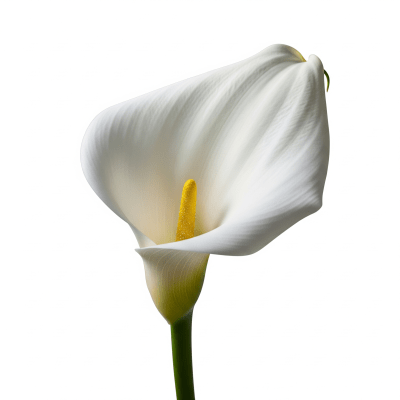
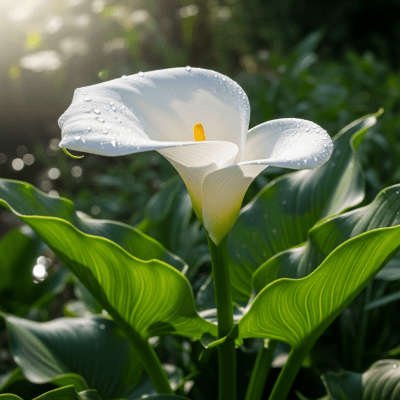
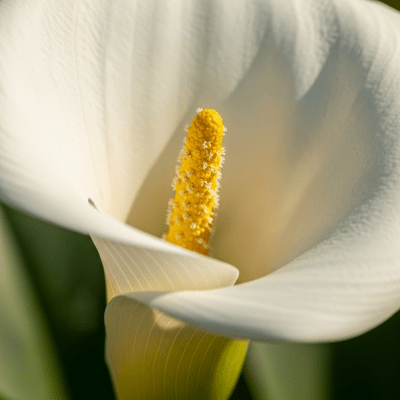
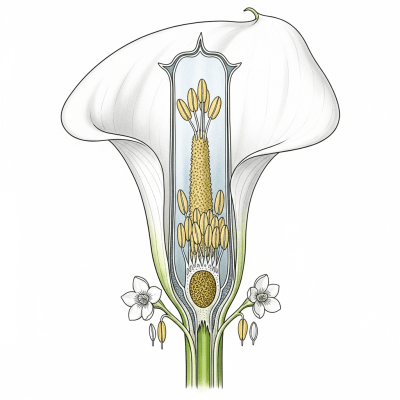
Calla Lilies feature large, pure white, trumpet-shaped spathes that elegantly wrap around a central yellow spadix. Their leaves are arrow-shaped, glossy, and deep green, often reaching up to 45 cm in length. The plant itself typically grows between 60 and 100 cm tall, presenting a statuesque and refined silhouette in both garden beds and containers.
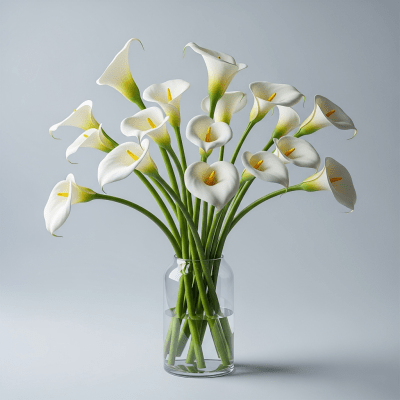
Primarily grown for ornamental purposes, Calla Lilies are prized in cut flower markets and as potted plants. Their ability to thrive in moist, well-drained soils—even tolerating shallow water—makes them suitable for marginal aquatic plantings. The flowers are especially popular in wedding bouquets and funeral arrangements, and the plant is often cultivated in gardens for its striking visual appeal.
Bring this kind into your world illustrated posters, mugs, and shirts.
Archival print, museum-grade paper
Buy Poster
Stoneware mug, dishwasher safe
Buy Mug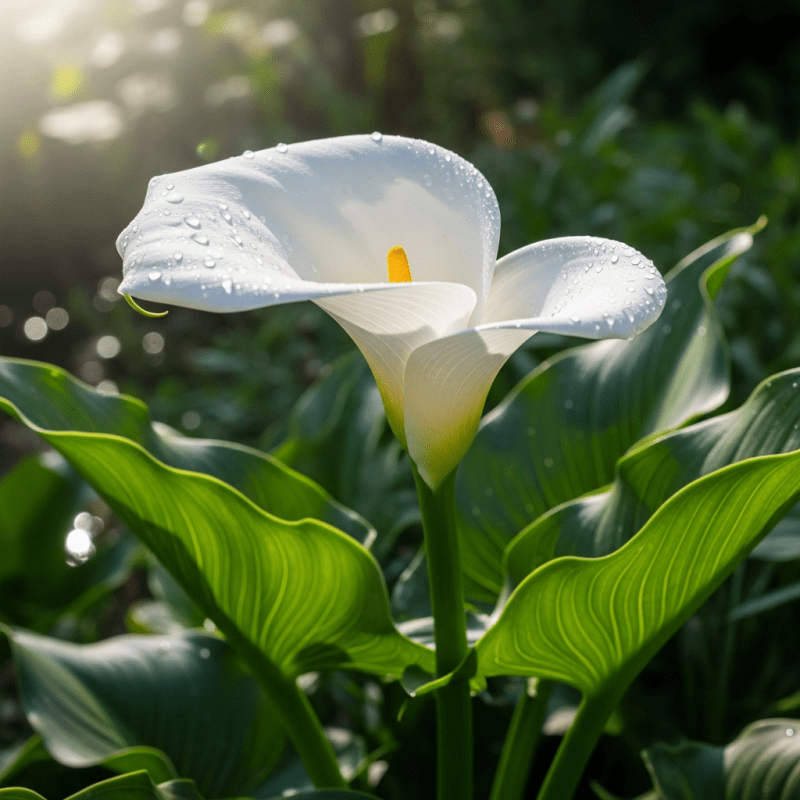
Soft cotton tee, unisex sizes
Buy ShirtThe Calla Lily holds a prominent place in art, literature, and ceremony. Its pure white bloom has become an enduring symbol of innocence, purity, and rebirth, frequently appearing in wedding and funeral traditions. In various cultures, it is revered for its serene beauty and is often depicted in paintings and decorative motifs, embodying elegance and spiritual renewal.
Calla Lilies are most commonly known for their pristine white spathes, though some cultivars feature green-tipped or colored blooms. The classic species is not noted for a strong fragrance, but its visual purity and simplicity make it a favorite in arrangements where subtlety is prized.

Calla Lilies thrive in moist, well-drained soils and can tolerate shallow water, making them versatile for garden borders and water features. They prefer mild climates (USDA zones 8–10) but can be grown as annuals or houseplants in cooler regions. Propagation is typically by division of rhizomes. Good drainage is essential to prevent bacterial soft rot and fungal diseases, and all parts of the plant should be handled with care due to toxicity.
The Calla Lily is a powerful symbol of purity, innocence, and rebirth. Its association with weddings and funerals reflects its dual role in marking both beginnings and farewells. In art and literature, it often represents beauty, elegance, and spiritual renewal, making it a meaningful choice for significant life events.
While the classic white Calla Lily is most iconic, colored hybrids from other Zantedeschia species are also popular in gardens and floral design.
The original Calla Lily species is wild-collected, but horticultural efforts have produced numerous cultivars and hybrids, especially for color and climate adaptation. Breeding has focused on developing hardier forms and expanding the palette beyond white, with notable cultivars such as ‘Crowborough’ and ‘Green Goddess’ gaining recognition for their unique traits.
Calla Lilies typically bloom in late spring to early summer, though flowering times may vary with climate and cultivation. In mild regions, they may flower sporadically throughout the growing season, while in cooler climates, they are often grown as annuals or houseplants for seasonal display.
Calla Lilies are valued almost exclusively for their ornamental appeal, widely used in floral arrangements, wedding bouquets, and garden landscapes. They are not edible and have no medicinal or perfumery uses; in fact, all parts of the plant are toxic if ingested. Their symbolic resonance and elegant form ensure their continued popularity in both private and commercial settings.