Bouvardia
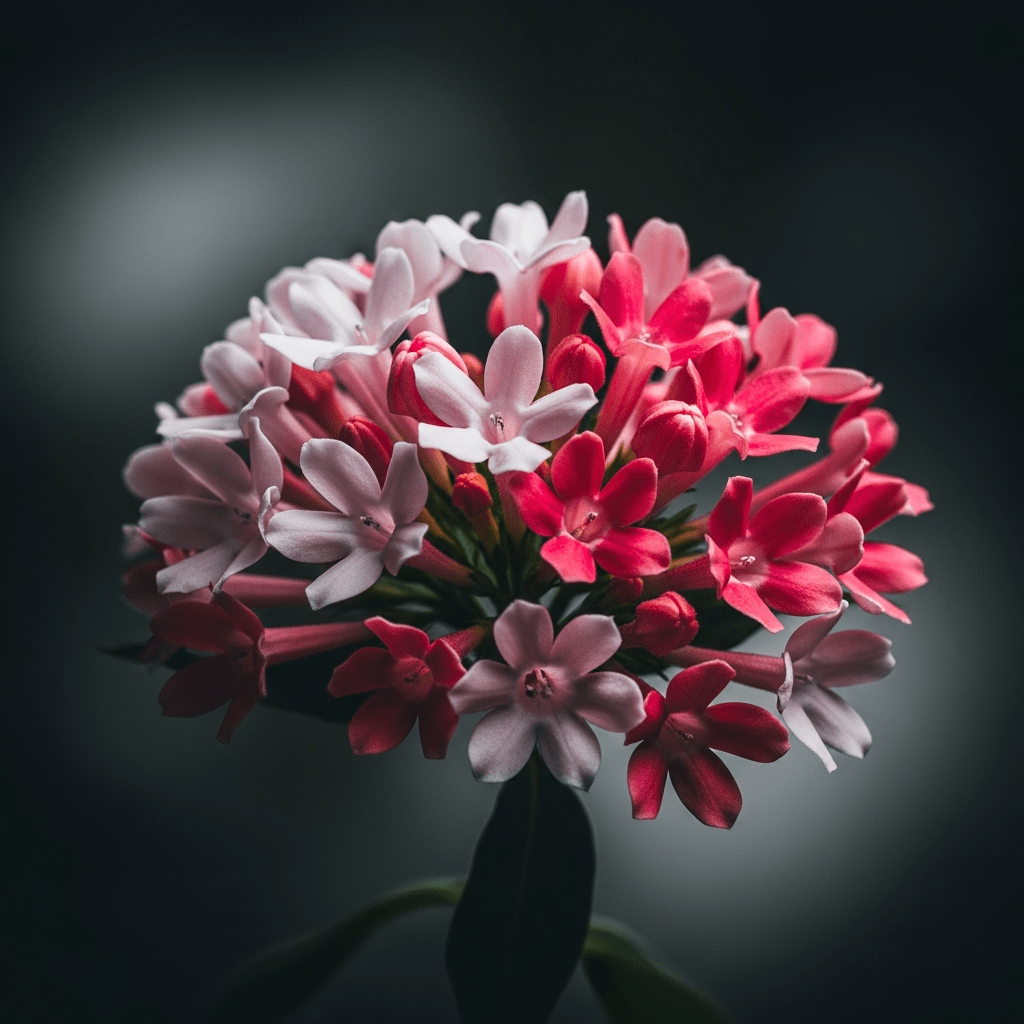
Bouvardia is a genus of ornamental flowering shrubs celebrated for its star-shaped, fragrant blooms and popularity in floral arrangements.
Bouvardia is a genus of ornamental flowering shrubs celebrated for its star-shaped, fragrant blooms and popularity in floral arrangements.
Named in honor of Charles Bouvard, a 17th-century French physician and botanist, Bouvardia was first described in the late 18th century. Its wild species are native to Mexico and Central America, with some extending into the southwestern United States. Over time, horticultural breeding in Europe and Japan has produced a wealth of cultivars, focusing on vibrant colors, refined form, and improved disease resistance.
Bouvardia belongs to the Rubiaceae family, a large group of flowering plants that includes garden favorites and tropical species. Within this family, Bouvardia is distinguished by its genus, sharing close ties with other ornamental and wild plants. Its scientific classification follows the binomial system, with Bouvardia ternifolia recognized as a type species.
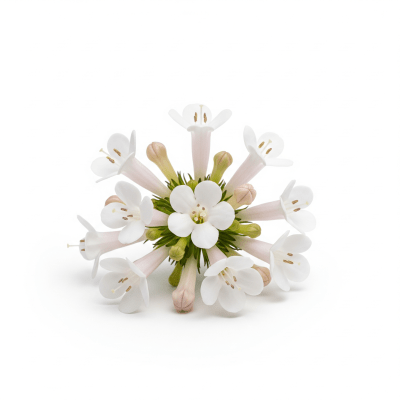
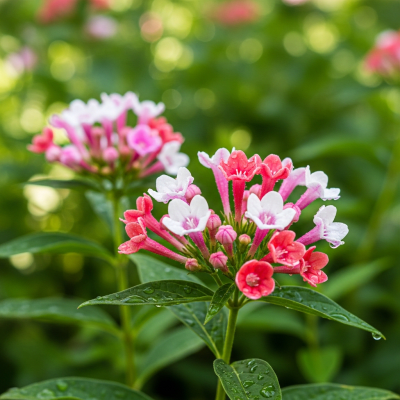
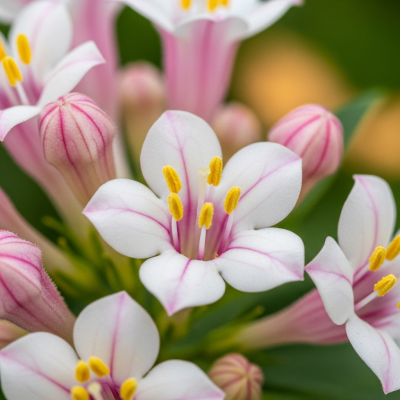
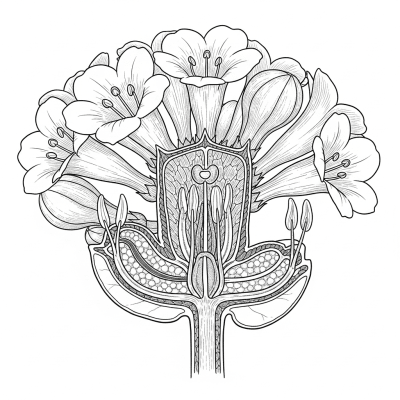
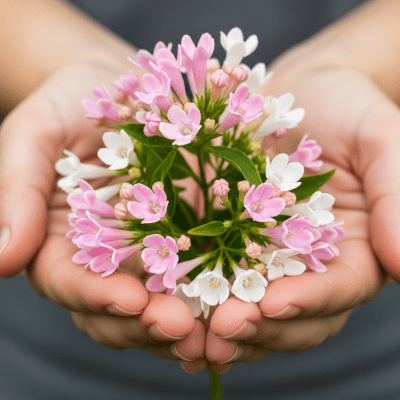
Bouvardia plants are evergreen or semi-evergreen shrubs, typically reaching heights of 50 to 150 centimeters. Their leaves are simple, lanceolate to ovate, and arranged oppositely or in whorls. The showy inflorescences consist of terminal clusters of tubular flowers, each opening into four spreading lobes that create a delicate, star-like silhouette. The overall effect is both elegant and airy, making Bouvardia a favorite for visual impact in gardens and bouquets.
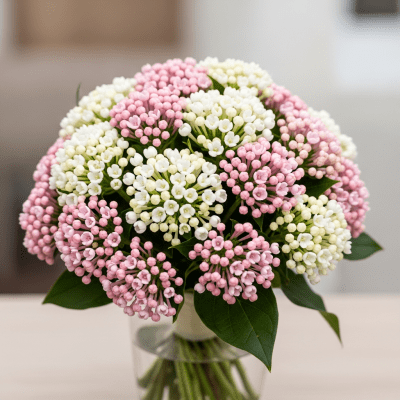
Bouvardia is primarily cultivated for ornamental purposes, thriving as a garden shrub, potted plant, and especially as a cut flower. Its long-lasting blooms and subtle fragrance make it a staple in wedding bouquets, corsages, and floral arrangements. The flowers attract butterflies and hummingbirds, adding ecological value to gardens. With no known culinary or medicinal applications, its role is almost exclusively decorative.
Bring this kind into your world illustrated posters, mugs, and shirts.
Archival print, museum-grade paper
Buy Poster
Stoneware mug, dishwasher safe
Buy Mug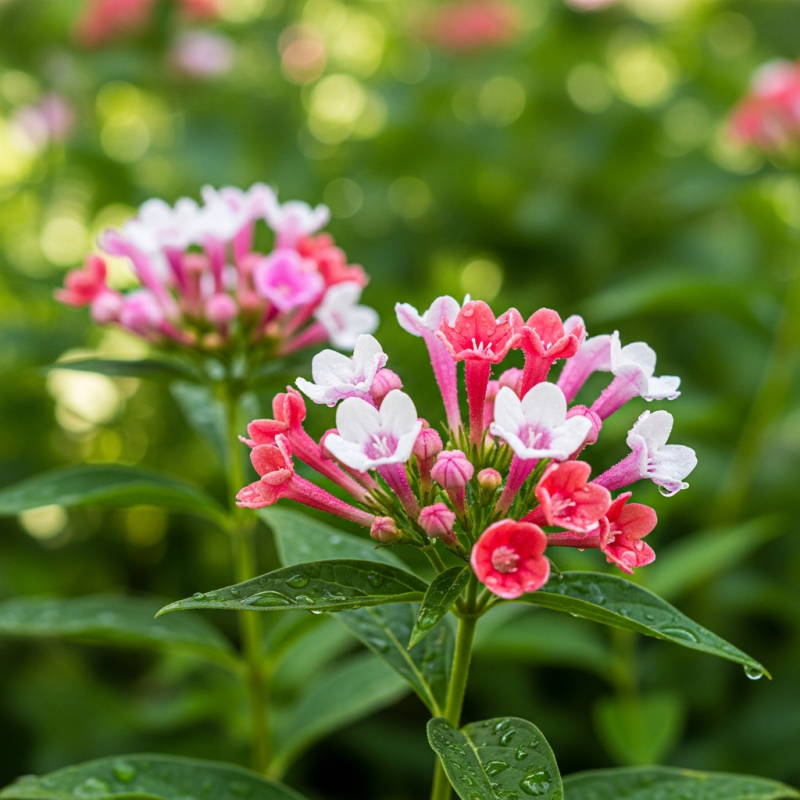
Soft cotton tee, unisex sizes
Buy ShirtWhile Bouvardia does not have deep mythological or folkloric roots, it holds a special place in modern floristry, particularly in Mexico, Japan, and Europe. Its refined appearance and extended vase life have made it a symbol of elegance in wedding and celebratory arrangements. The common name "firecracker bush" hints at its lively display, and in Spanish-speaking regions, it is affectionately called "jazmín de México."
Bouvardia flowers exude a gentle, sweet fragrance, most pronounced during the evening hours. The color palette spans crisp white, soft pink, vivid red, and, in select cultivars, cheerful yellow. This range of hues makes Bouvardia versatile for both subtle and vibrant floral displays.
To cultivate Bouvardia successfully, plant in well-drained, fertile soil and ensure a warm, frost-free environment. The shrub benefits from moderate watering and regular pruning, which encourages bushiness and abundant flowering. In cooler climates, Bouvardia is best grown indoors or in greenhouses. Propagation is most effective by stem cuttings, and attentive pest management is important to prevent issues with spider mites and whiteflies.
Bouvardia is often associated with elegance, refinement, and celebration due to its graceful form and use in festive arrangements. While it lacks ancient symbolic traditions, its modern presence in weddings and special occasions lends it an aura of joy and sophistication.
Among the most recognized species is Bouvardia ternifolia, known as "firecracker bush" for its vivid red flowers. Cultivars bred in Europe and Japan offer a spectrum of colors and improved floral traits, though specific variety names are often proprietary or not widely publicized.
Bouvardia breeding has focused on enhancing flower color, form, and resistance to diseases. Modern cultivars are the result of selective breeding in Europe and Japan, though detailed pedigrees are rarely disclosed. Hybridization has expanded the genus’s palette and adaptability, making it a favorite in the commercial cut flower market.
Bouvardia is susceptible to root rot in poorly drained soils and is commonly affected by spider mites and whiteflies. Preventive care includes maintaining soil drainage, monitoring for pest infestations, and employing regular pruning to promote healthy growth. Prompt intervention with appropriate horticultural treatments can help manage these issues.
Bouvardia typically blooms during the warmer months in its native regions. In commercial floriculture, greenhouse cultivation allows for near year-round availability, with peak flowering and cut stem supply in spring and summer.
Bouvardia’s primary application is ornamental, serving as a garden shrub, potted plant, and cut flower for bouquets and arrangements. Its long vase life and elegant form make it a favorite among florists, especially for weddings and special events. There are no documented culinary, medicinal, or industrial uses.