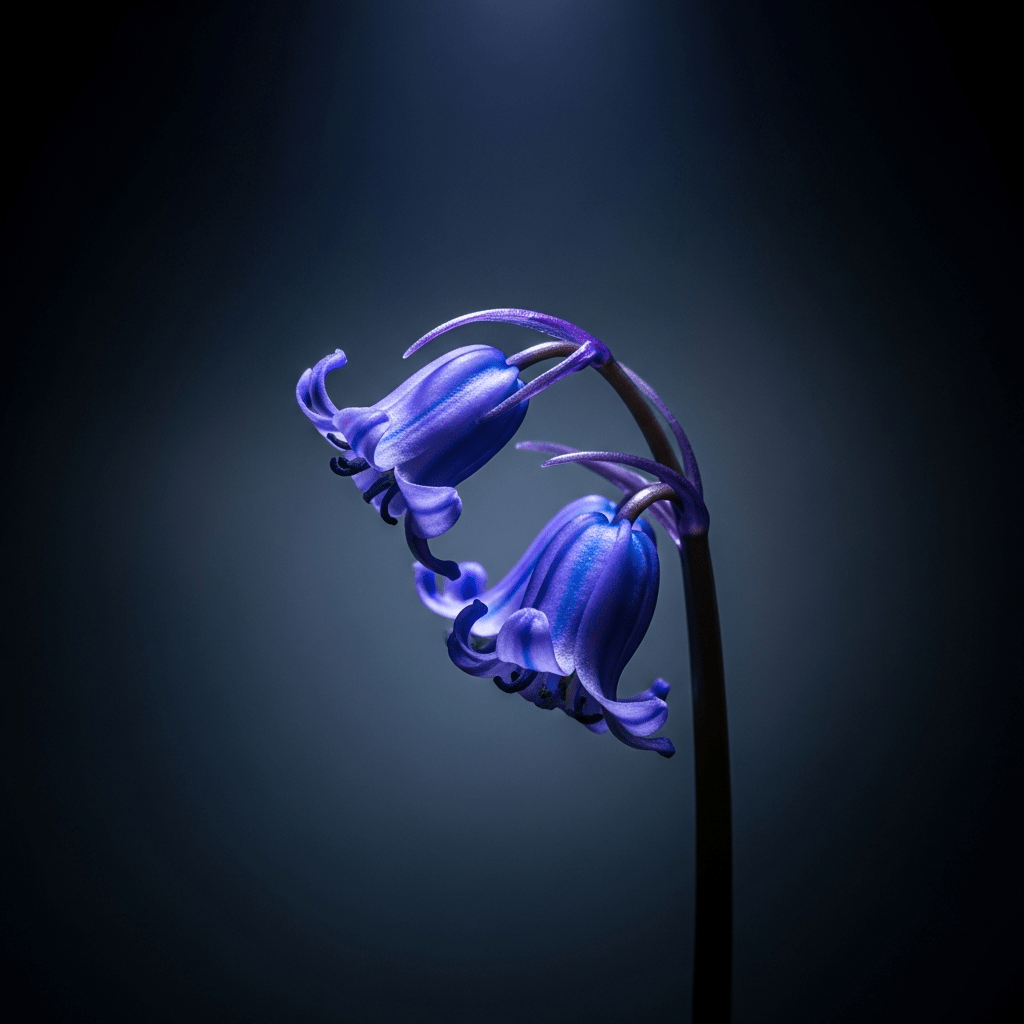
Bluebell
The bluebell is a beloved spring-flowering plant, renowned for its nodding, bell-shaped blue blooms that carpet woodlands in Europe and North America, heralding the arrival of spring.
The bluebell is a beloved spring-flowering plant, renowned for its nodding, bell-shaped blue blooms that carpet woodlands in Europe and North America, heralding the arrival of spring.
Bluebells have a dual heritage: Hyacinthoides non-scripta, the English bluebell, is native to the moist woodlands of western Europe, especially the British Isles, and was first formally described by Carl Linnaeus in 1753. Across the Atlantic, Mertensia virginica, known as the Virginia bluebell, is indigenous to the rich, deciduous forests of eastern North America. Both species have thrived in their native habitats for centuries, spreading naturally without significant intervention or intentional breeding, and have become emblematic of their respective regions.
The English bluebell (Hyacinthoides non-scripta) belongs to the family Asparagaceae, subfamily Scilloideae, while the Virginia bluebell (Mertensia virginica) is classified within the Boraginaceae family. Both are perennial, herbaceous flowering plants, grouped under the broader taxonomy of angiosperms. The common name "bluebell" can also refer to other species, such as Hyacinthoides hispanica (Spanish bluebell) and Campanula rotundifolia (harebell), reflecting regional naming traditions and botanical diversity.
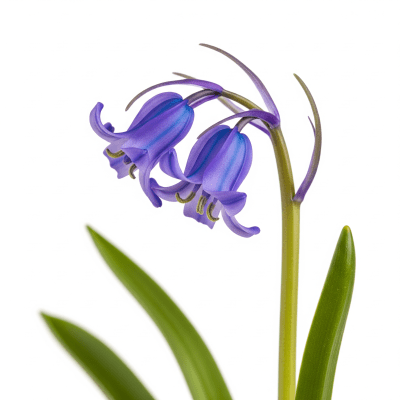
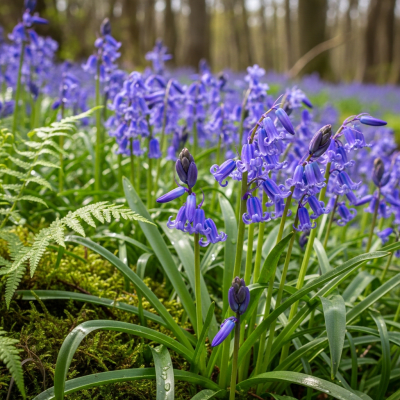
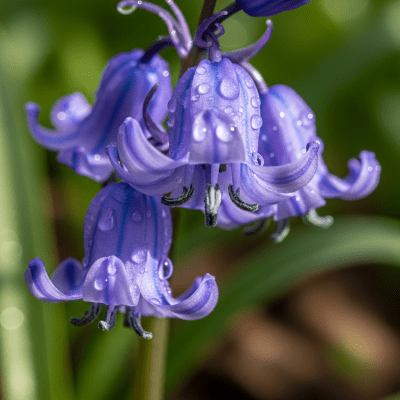
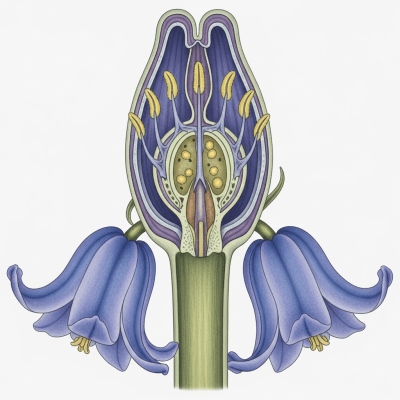
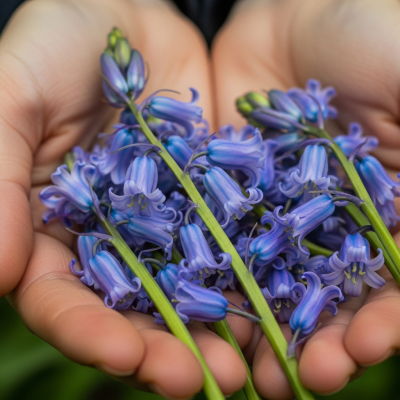
Bluebells are instantly recognizable by their elegant, pendulous, bell-shaped flowers, typically arranged along one side of a slender stem. Hyacinthoides non-scripta features deep violet-blue blooms with recurved tips and creamy-white anthers, rising above linear, basal leaves. Mertensia virginica opens its trumpet-shaped flowers in pink, which mature to a soft blue, set against smooth, gray-green foliage. Both species grow in dense clusters, creating sweeping carpets of color in shaded woodlands.
In nature, bluebells thrive in moist, shaded woodland soils, forming expansive colonies through bulb offsets and seed. Their flowering season coincides with early spring, providing vital nectar for bees, butterflies, and other pollinators. In gardens, bluebells are prized for their ability to naturalize under trees and in wildflower plantings, adding vibrant color and fragrance to shaded areas. All parts of the plant are toxic if ingested, so they are not used for culinary or medicinal purposes.
Bring this kind into your world illustrated posters, mugs, and shirts.
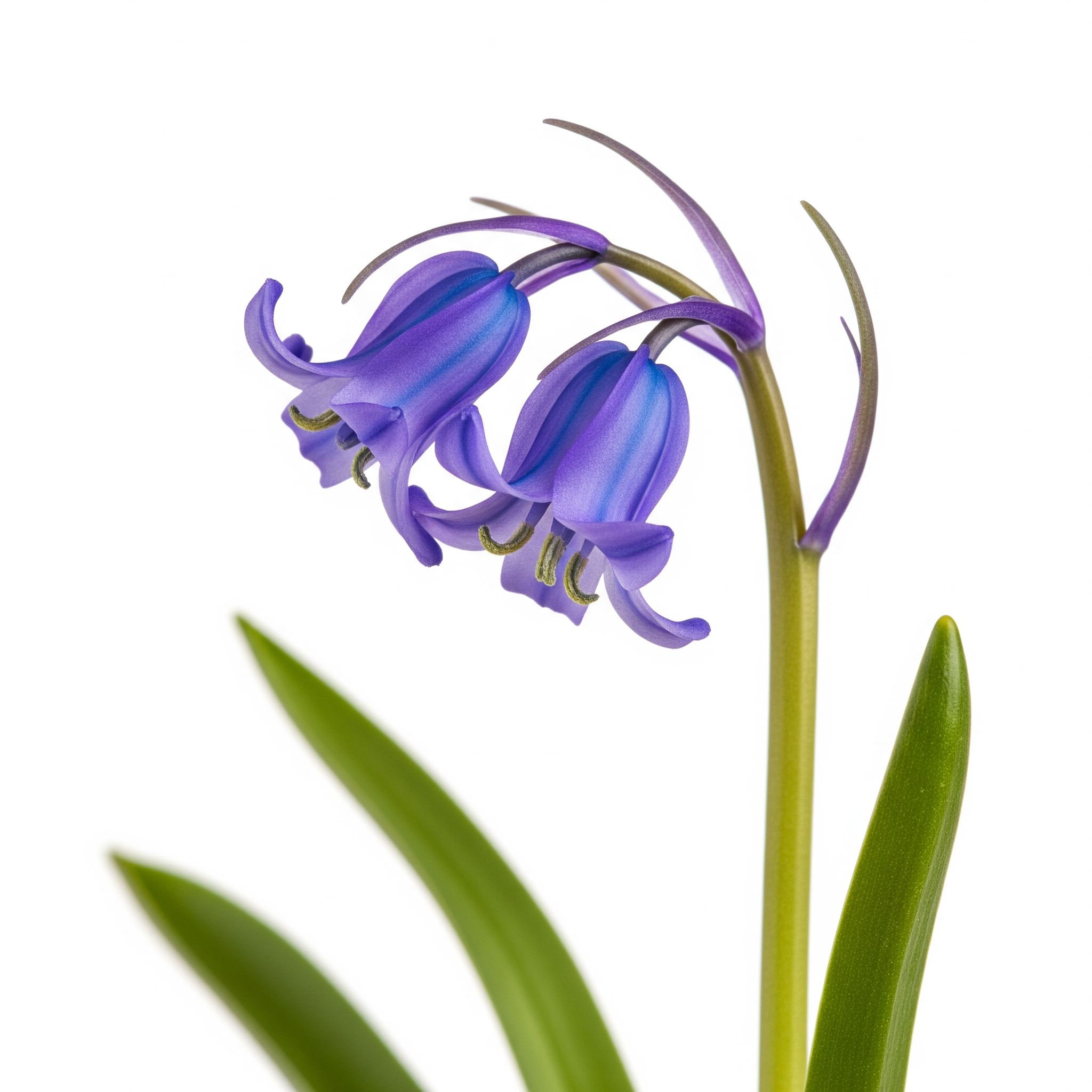
Archival print, museum-grade paper
Buy Poster
Stoneware mug, dishwasher safe
Buy Mug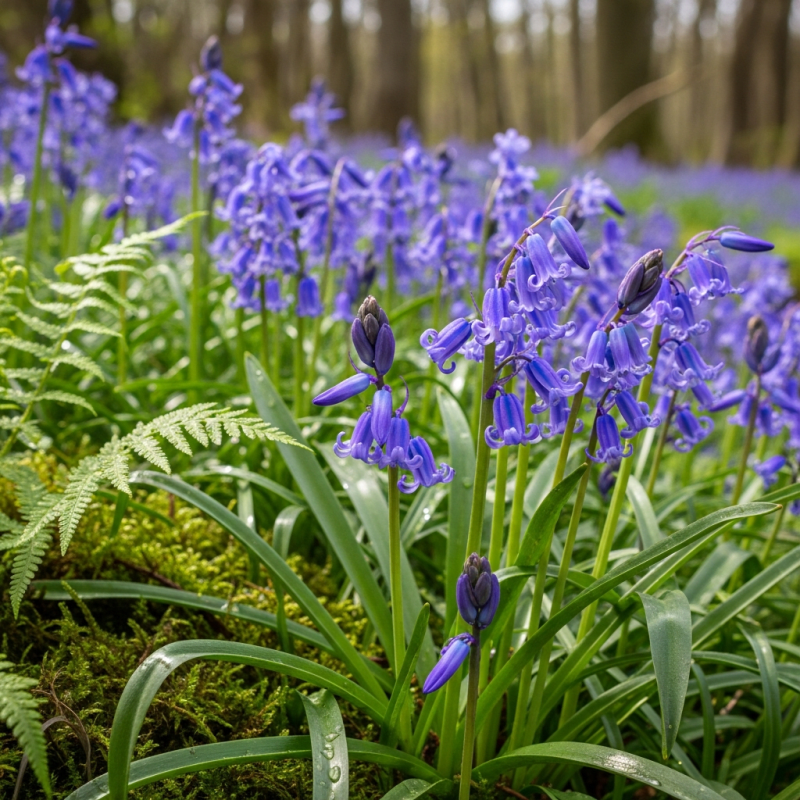
Soft cotton tee, unisex sizes
Buy ShirtBluebells hold a cherished place in British folklore and culture, symbolizing humility, constancy, and the fleeting beauty of spring. Their annual display in ancient woodlands is celebrated in art, poetry, and festivals, and the English bluebell is protected by law due to its ecological and cultural importance. In North America, Virginia bluebells are admired for their early spring blooms and are a favorite among native plant gardeners. The enchanting sight of bluebell carpets has inspired generations, making them a motif of renewal and natural wonder.
Bluebells are celebrated for their strong, sweet fragrance that fills woodlands during their bloom. Their color palette centers on deep violet-blue, with occasional white and pink variants. Virginia bluebells add a unique touch, opening in pink and maturing to a gentle blue, creating a soft gradient effect in spring gardens.
Bluebells thrive in moist, well-drained, shaded soils, ideally beneath deciduous trees. Plant bulbs in autumn, spacing them to allow for natural spreading. They prefer shade to partial shade and require minimal maintenance once established. Propagation is best achieved by bulb offsets or seed. Avoid disturbing established colonies, as bluebells are sensitive to trampling and habitat loss. Protect bulbs from waterlogged conditions to prevent rot.
Bluebells symbolize humility, gratitude, and everlasting love. In folklore, they are associated with enchantment and the mystical beauty of ancient woodlands. Their ephemeral bloom is a reminder of the fleeting nature of spring and the renewal of life, making them a cherished emblem in poetry and art.
Bluebells are primarily wild species, with no widely recognized horticultural hybrids or cultivars. Some garden selections exist, especially among Spanish bluebells, which can hybridize with English bluebells in cultivated settings. However, intentional breeding is rare, and the iconic bluebell carpets are the result of natural propagation rather than human intervention.
Bluebells are generally resistant to deer and rabbits, making them suitable for woodland gardens. The most common threat is bulb rot, which occurs in poorly drained or waterlogged soils. To prevent disease, ensure good drainage and avoid overwatering. Bluebells are not typically affected by major pests.
Bluebells bloom in early to mid-spring, with flowering typically occurring from April to May in Europe and from March to May in North America. Their brief, spectacular display marks the transition from winter to spring in woodland habitats.
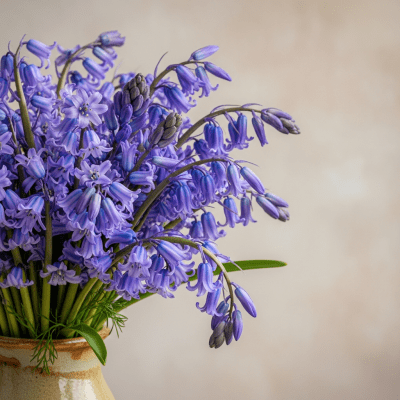
Bluebells are valued almost exclusively for their ornamental beauty in naturalistic gardens and woodland landscapes. Their striking springtime display and fragrance make them a favorite among gardeners and nature enthusiasts. Historically, bluebell bulbs were used for starch in bookbinding and as glue, but these uses have faded. Due to toxicity, bluebells are not used in culinary or medicinal contexts, nor are they significant in the cut flower trade.