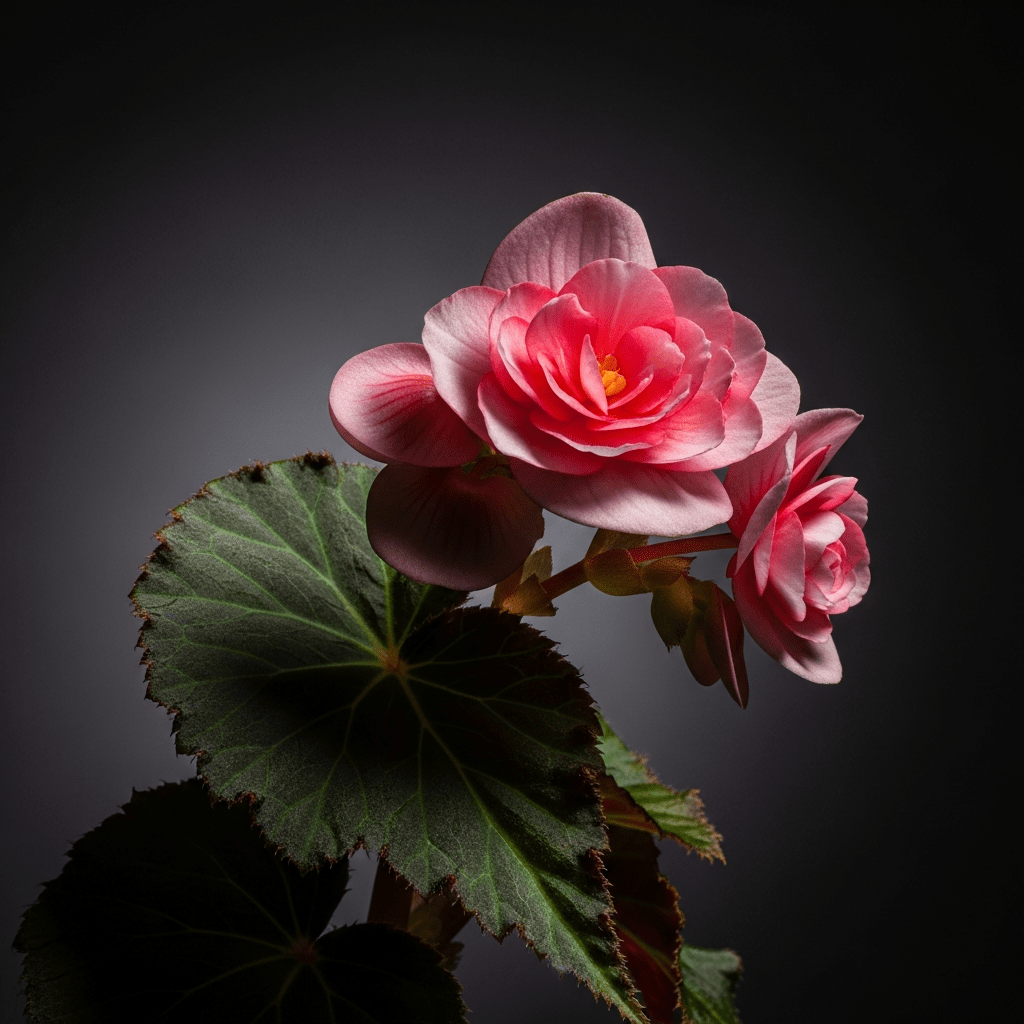
Begonia
Begonia is a diverse genus of flowering plants celebrated for their striking foliage and vibrant blooms, widely cultivated as ornamentals in gardens and homes around the world.
Begonia is a diverse genus of flowering plants celebrated for their striking foliage and vibrant blooms, widely cultivated as ornamentals in gardens and homes around the world.
Begonia was first described in 1690 by Charles Plumier, who named the genus in honor of Michel Bégon, a French patron of botany. Native species originate primarily from tropical and subtropical regions of Central and South America, Africa, and southern Asia. Over centuries, horticulturists have developed thousands of cultivars and hybrids, with major contributions from institutions such as the Royal Horticultural Society and the American Begonia Society.
Belonging to the family Begoniaceae, Begonia is one of the largest genera of flowering plants, comprising over 1,800 species. It is classified as an angiosperm, with a taxonomic hierarchy that places it among herbaceous perennials, shrubs, and subshrubs. The genus is renowned for its morphological diversity, encompassing tuberous, fibrous-rooted, and rhizomatous growth forms.
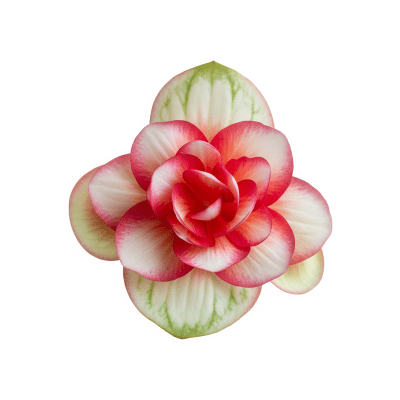
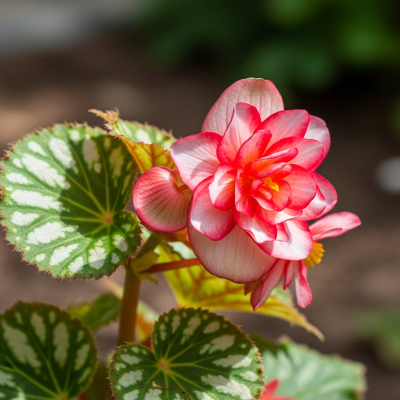
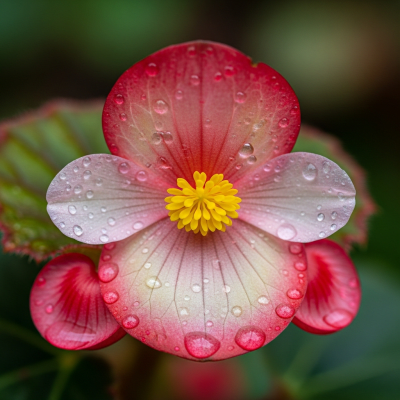
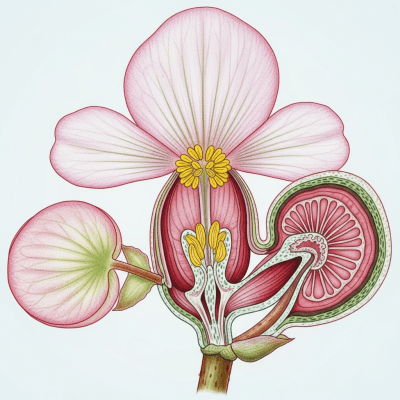
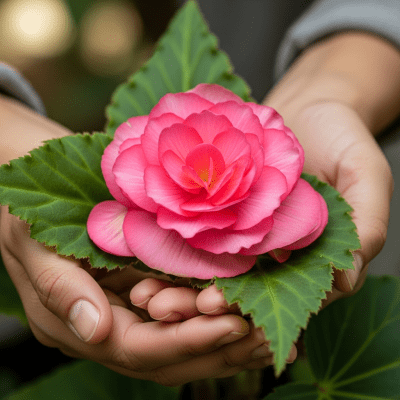
Begonias display an extraordinary range of forms, from compact houseplants to large garden shrubs reaching up to 2 meters. Their leaves are typically asymmetrical and may be green, bronze, silver, red, or intricately variegated. Flowers are showy and can be single or double, appearing in shades of white, pink, red, orange, and yellow. The stems are often fleshy, and the overall texture is lush and ornamental.
Primarily grown for their decorative appeal, begonias thrive in shaded environments and are popular as bedding plants, container specimens, and houseplants. Their adaptability to low light and humidity makes them a favorite for indoor gardening. Some species are used in edible applications, while others have traditional medicinal uses. Begonias interact with their environment by attracting pollinators and providing lush greenery in shaded landscapes.
Bring this kind into your world illustrated posters, mugs, and shirts.
Archival print, museum-grade paper
Buy Poster
Stoneware mug, dishwasher safe
Buy Mug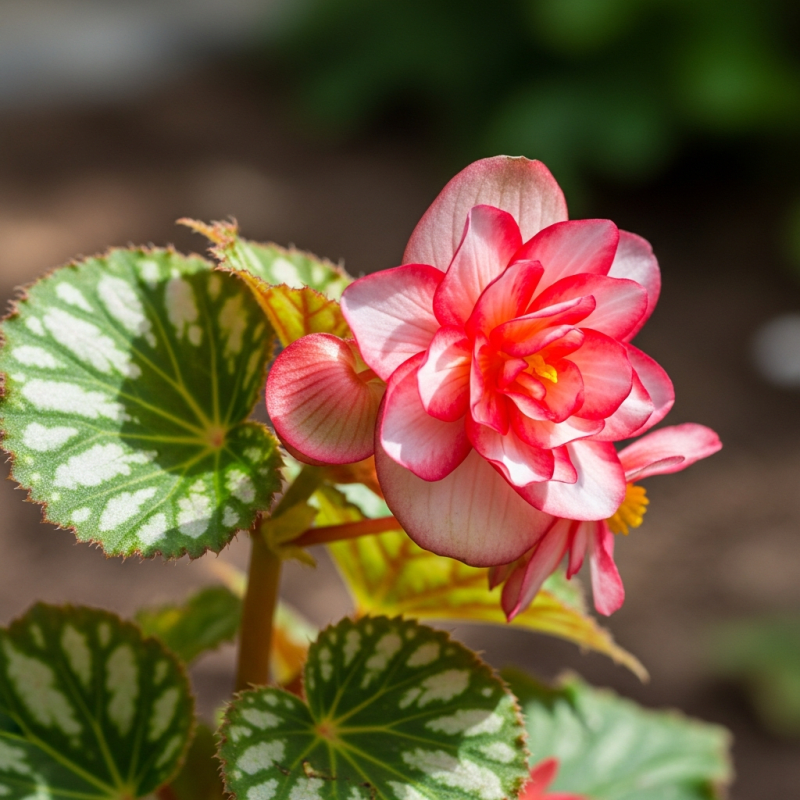
Soft cotton tee, unisex sizes
Buy ShirtBegonias hold a special place in horticultural societies and home gardening culture, often featured in floral exhibitions and competitive displays. In the language of flowers, they symbolize caution and deep thoughts. Regional names such as "wax begonia" and "angel wing begonia" reflect their popularity and distinctive traits. Their presence in art and decorative motifs highlights their enduring aesthetic appeal.
Begonia flowers typically offer a vibrant palette including white, pink, red, orange, and yellow. While most begonias are admired for their color and form rather than fragrance, their leaves may display dramatic hues and variegation, adding ornamental value to both flowers and foliage.

Begonias prefer well-drained, humus-rich soils and thrive in partial to full shade. They require moderate humidity and protection from frost, making them ideal for indoor or sheltered outdoor locations. Propagation is commonly achieved through seeds, cuttings, or division. Tuberous types can be stored during dormancy, and regular monitoring for pests and diseases ensures healthy growth.
In the language of flowers, begonias are associated with caution, deep thoughts, and sometimes gratitude. Their intricate beauty and resilience evoke contemplation and subtle appreciation, making them a meaningful gift or decorative accent in various cultural contexts.
Begonia breeding began in earnest after its discovery in the late 17th century, with horticulturists developing thousands of hybrids and cultivars. Institutions like the Royal Horticultural Society and the American Begonia Society have played key roles in advancing begonia diversity, producing varieties with unique leaf shapes, flower forms, and improved adaptability. Hybridization has resulted in complex lineages, especially among tuberous and cane-stemmed types.
Begonias are generally available year-round as houseplants and bedding plants. Outdoor flowering peaks in late spring through summer, depending on species and climate. Tuberous begonias may enter dormancy in cooler months and can be stored until the next growing season.
Begonias are primarily valued for ornamental use in gardens, landscapes, and as houseplants. Some species offer edible flowers and leaves used in salads or as garnishes, while traditional medicinal uses include anti-inflammatory and wound-healing applications. Their symbolic meanings add cultural value, making them popular in floral arrangements and gift-giving.