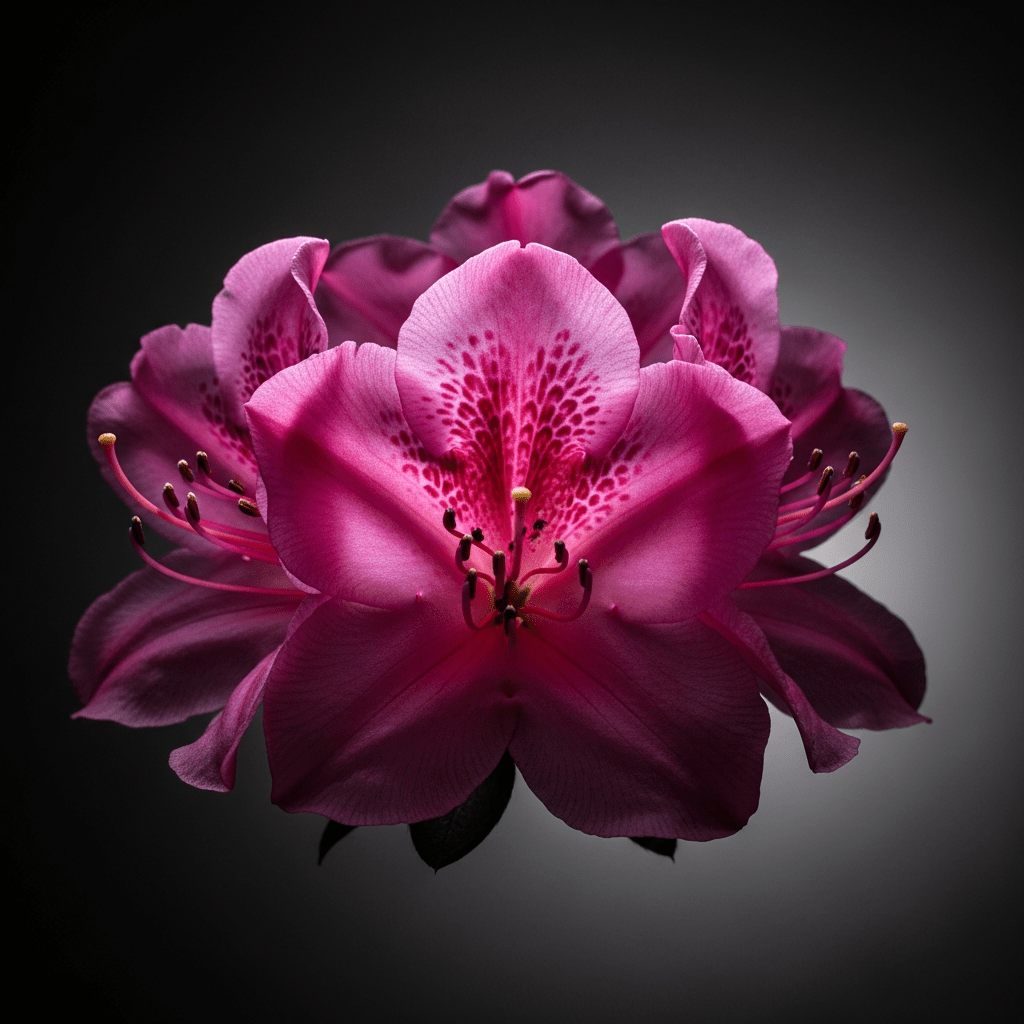
Azalea
Azalea is a vibrant, widely cultivated flowering shrub celebrated for its showy blooms and adaptability in gardens across temperate regions.
Azalea is a vibrant, widely cultivated flowering shrub celebrated for its showy blooms and adaptability in gardens across temperate regions.
Azaleas trace their origins to East Asia, North America, and parts of Europe, with wild species such as Rhododendron indicum (Japanese azalea), Rhododendron simsii (Chinese azalea), and Rhododendron occidentale (Western azalea) forming the foundation of the group. The horticultural legacy of azaleas is rich and international: Japanese breeders developed the famed 'Kurume' azaleas in the early 20th century, while 'Southern Indica' hybrids emerged in the southeastern United States. Their cultivation and hybridization date back to the 18th and 19th centuries, resulting in a dazzling diversity of forms and colors seen in gardens worldwide.
Azaleas belong to the genus Rhododendron, specifically within the subgenus Azalea. While some authorities treat azaleas as a formal subgenus, others consider them an informal horticultural grouping. This places them within the broader family of Ericaceae, alongside other rhododendrons and heathers. Their classification is shaped by both botanical taxonomy and centuries of horticultural tradition.
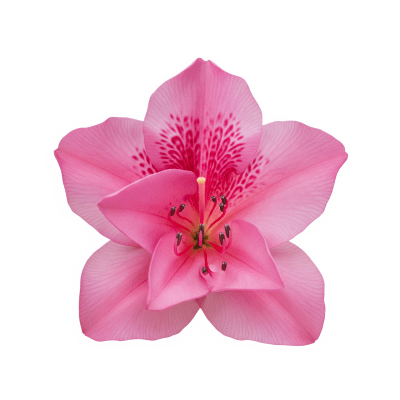
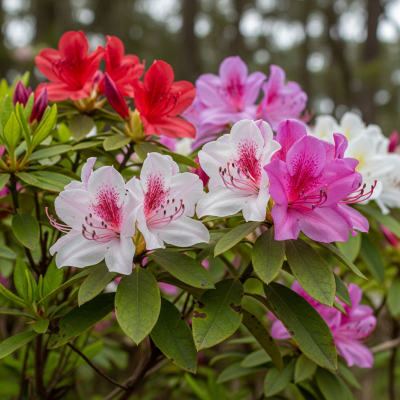
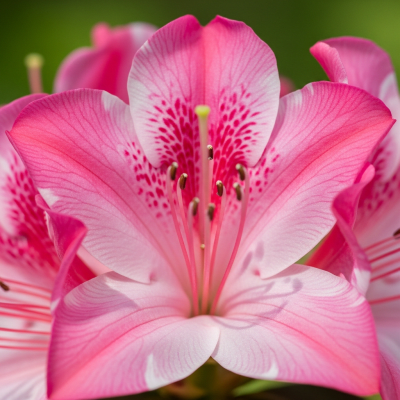
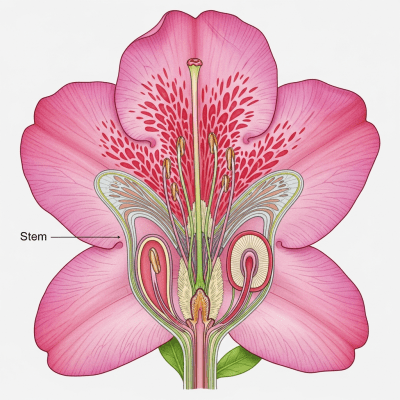
Azaleas are typically compact, deciduous or evergreen shrubs, ranging from 30 centimeters to over 2 meters in height. Their leaves are ovate to elliptic, with evergreen varieties retaining foliage year-round. The flowers are funnel-shaped, often with five delicate lobes, and may appear singly or in clusters. Bloom sizes span from 2 to 10 centimeters in diameter. Azalea blossoms are renowned for their vivid palette—white, pink, red, purple, orange, and yellow—sometimes adorned with speckles or blotches, creating a striking display in spring landscapes.
Azaleas are prized for their ornamental value, gracing gardens, parks, and landscapes with exuberant springtime color. They thrive in acidic, well-drained soils and partial shade, making them versatile for a range of garden settings. While their primary function is decorative, azaleas also play a role in cultural festivals and traditions. Unlike many other flowers, azaleas are not grown for the cut flower market or culinary use, as all parts of the plant are toxic if ingested.
Bring this kind into your world illustrated posters, mugs, and shirts.
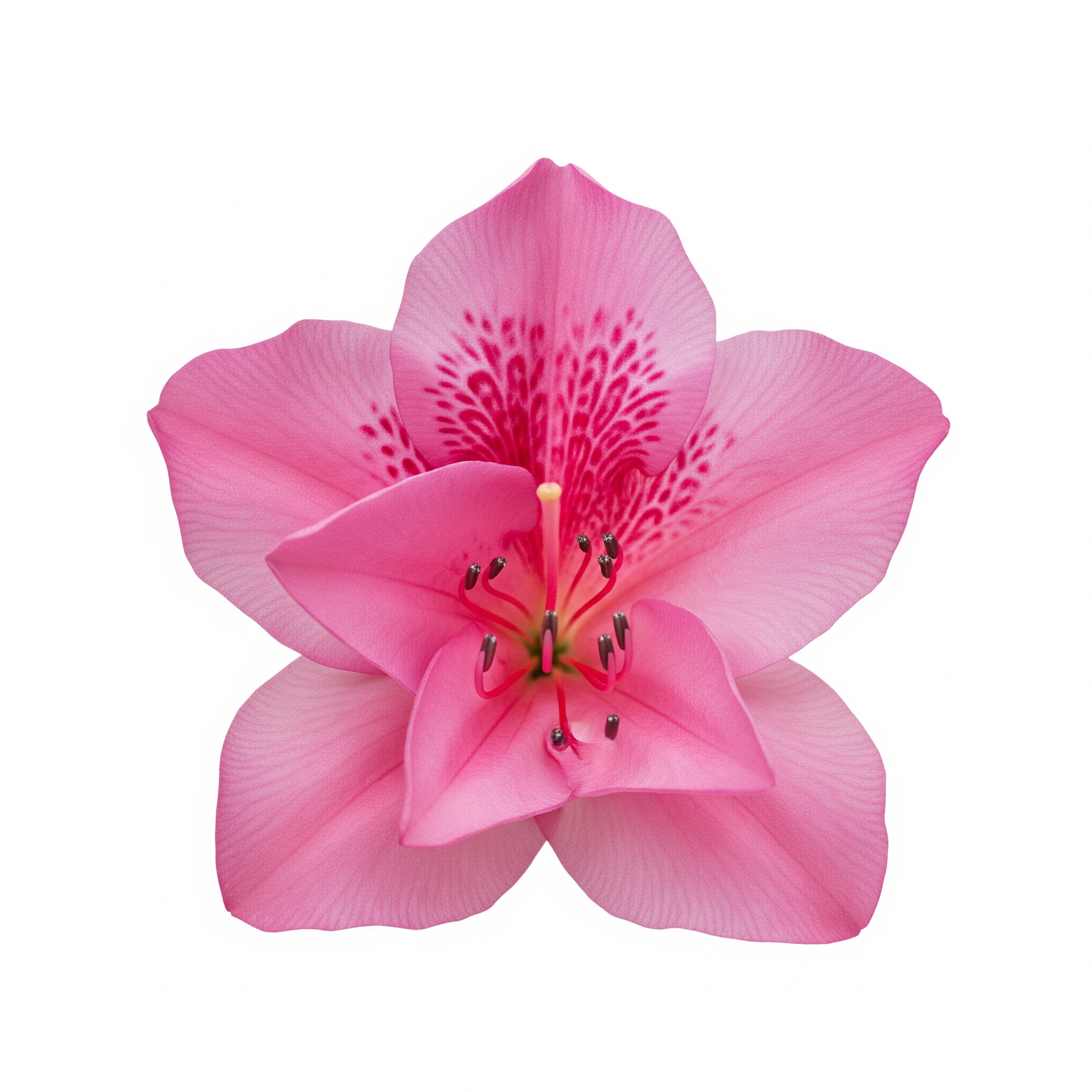
Archival print, museum-grade paper
Buy Poster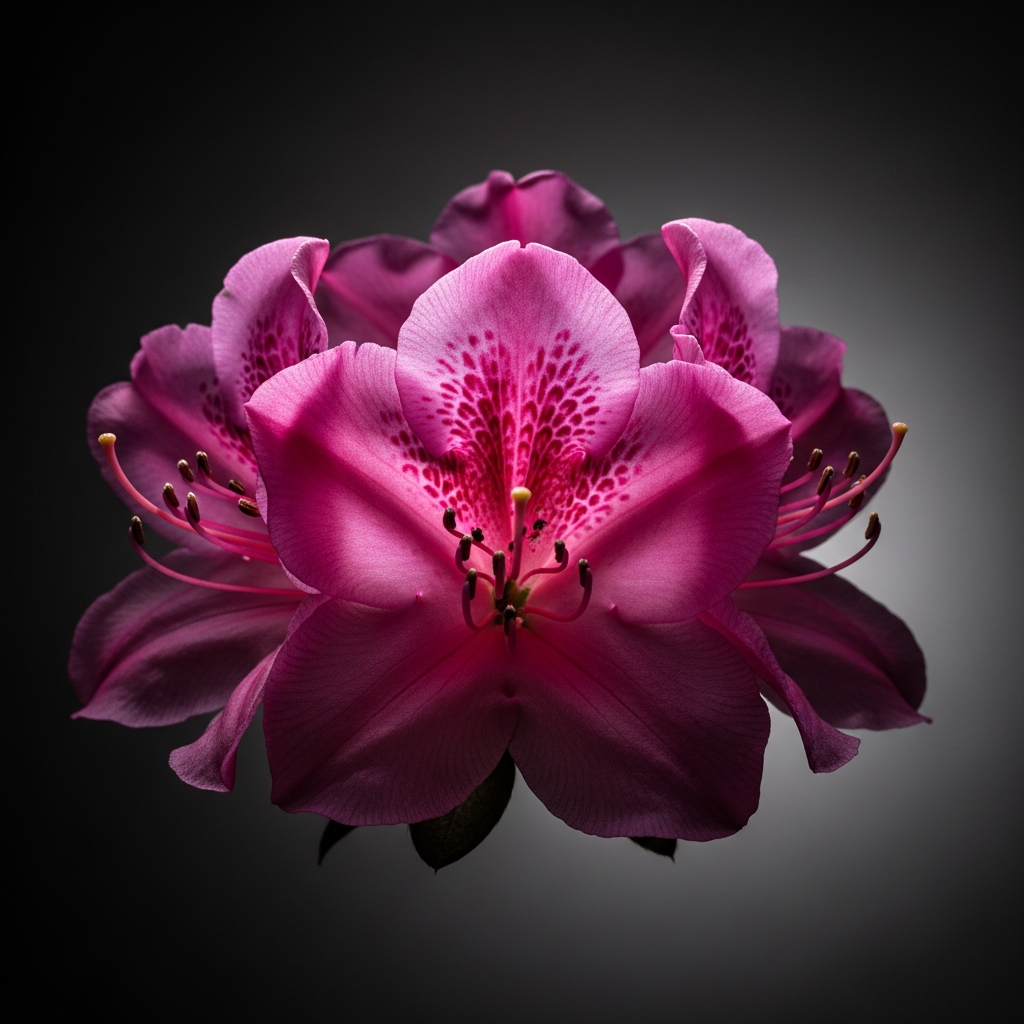
Stoneware mug, dishwasher safe
Buy Mug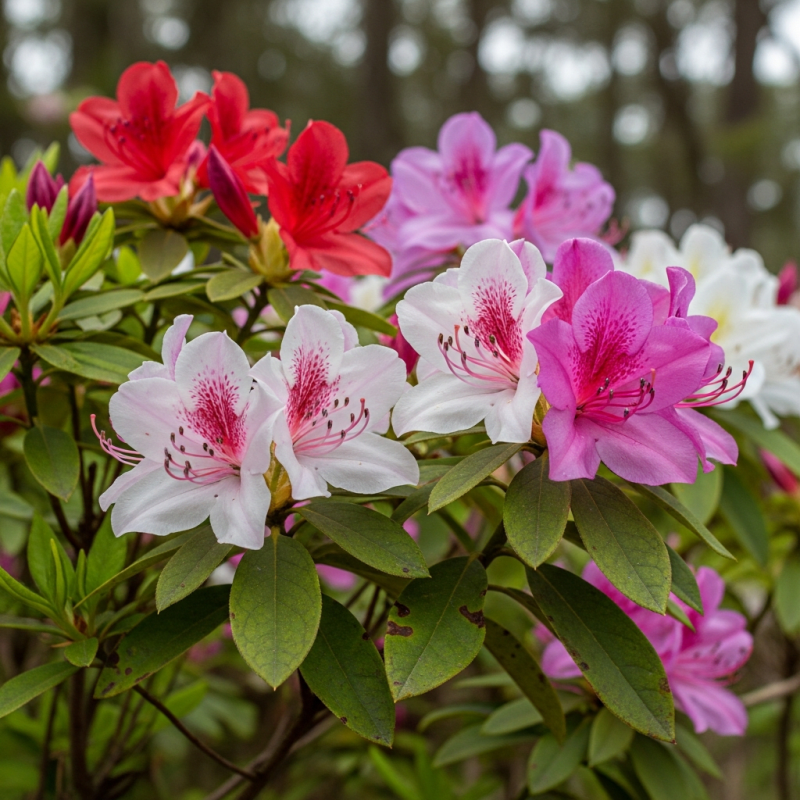
Soft cotton tee, unisex sizes
Buy ShirtAzaleas hold a cherished place in cultural celebrations, especially in Japan's Tsutsuji Matsuri (Azalea Festival) and the United States' National Azalea Festival in Alabama. Their blossoms symbolize temperance, femininity, and fragile beauty in various traditions. The flower's presence in art, poetry, and seasonal rituals underscores its enduring appeal and emotional resonance across continents.
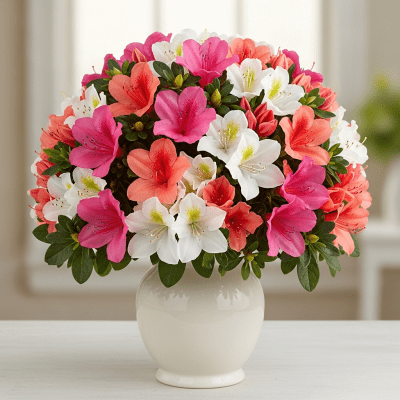
Azalea flowers dazzle with a spectrum of colors: pure white, soft pink, fiery red, regal purple, warm orange, and sunny yellow, often enhanced by spots or blotches. While most azaleas are not strongly fragrant, their visual impact is unmistakable, transforming gardens into vibrant tapestries during peak bloom.

Azaleas flourish in acidic, well-drained soils and prefer partial shade, though some varieties tolerate more sun. Consistent moisture is important, but waterlogged conditions should be avoided to prevent root rot. Mulching helps maintain soil acidity and moisture. Pruning after flowering encourages bushier growth and more blooms. Azaleas are moderately drought-tolerant but sensitive to alkaline soils. Regular monitoring for pests and diseases, such as lace bugs and petal blight, supports healthy plants.
Azaleas symbolize temperance, femininity, and delicate beauty in many cultures. Their fleeting, ethereal blooms evoke themes of fragility and grace, making them popular in poetry, art, and seasonal celebrations. In some traditions, azaleas also represent abundance and the joy of spring.
Azalea breeding has a storied history, with complex hybridization efforts spanning centuries. Japanese, Belgian, British, and American horticulturists have developed hundreds of cultivars, each selected for unique flower forms, colors, and growth habits. Notable groups include the 'Kurume' azaleas, bred for compactness and prolific bloom, and 'Southern Indica' hybrids, valued for their vigor and adaptability. Breeding continues to focus on disease resistance, extended blooming periods, and novel color patterns.
Most azaleas bloom in spring, with their peak display occurring from March to May depending on climate and variety. Some cultivars, such as Satsuki azaleas, flower in late spring or early summer, while select types offer autumn or winter blooms, extending seasonal interest.
Azaleas are primarily grown for their ornamental value, enhancing gardens, parks, and public spaces with their vivid flowers. They are central to cultural festivals and landscape design, especially in Japan and the United States. While some species have minor roles in traditional medicine, all azaleas are toxic and not used for culinary purposes. Their symbolism and beauty make them popular in art and seasonal celebrations.