Anemone
Anemone is a genus of flowering plants celebrated for its vibrant, poppy-like blooms and versatile presence in gardens and floral arrangements worldwide.
Anemone is a genus of flowering plants celebrated for its vibrant, poppy-like blooms and versatile presence in gardens and floral arrangements worldwide.
The Anemone genus was first formally described by Carl Linnaeus in 1753, its name inspired by the Greek word for "wind"—a nod to the common moniker "windflower." Native to regions across Europe, Asia, North America, and the Mediterranean, Anemone species have become staples in both wild landscapes and cultivated gardens. Over the centuries, horticulturists in Europe, North America, and Asia have developed numerous cultivars and hybrids, with the Netherlands notably producing the renowned Anemone coronaria 'De Caen' group in the 19th century.
Anemone belongs to the family Ranunculaceae, a diverse group known for its ornamental and wildflower species. The genus encompasses over 120 species, ranging from woodland natives to Mediterranean poppy anemones. Taxonomic boundaries can be fluid, with some authorities including related genera such as Hepatica and Pulsatilla within Anemone, while others treat them separately. The genus is classified as herbaceous perennials, often grouped by their blooming season and habitat.
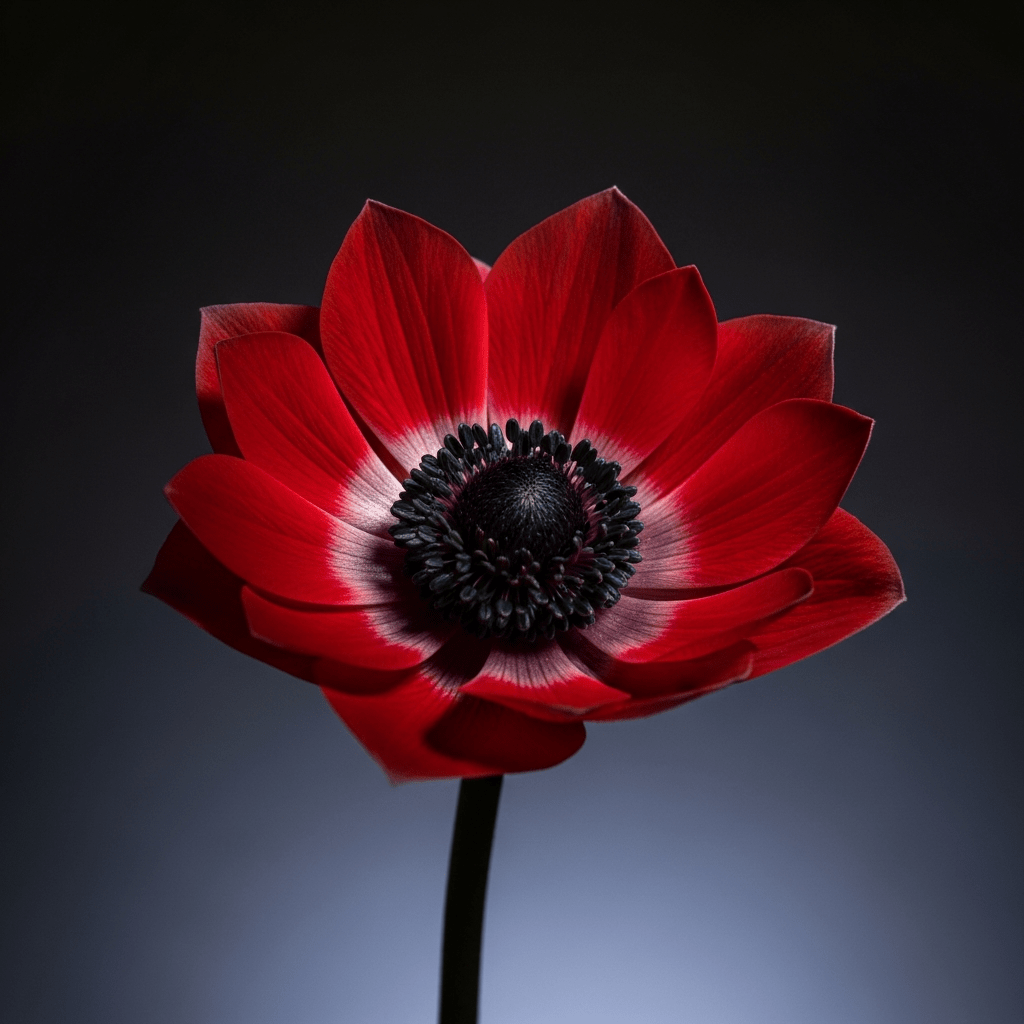
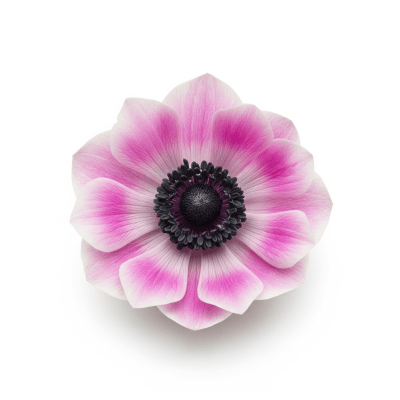
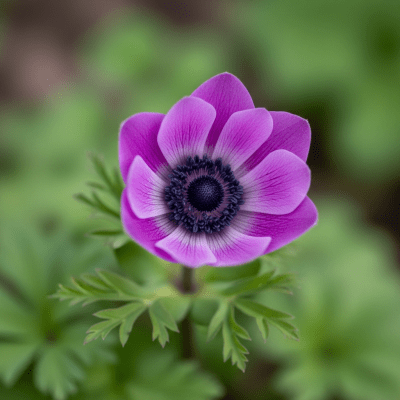
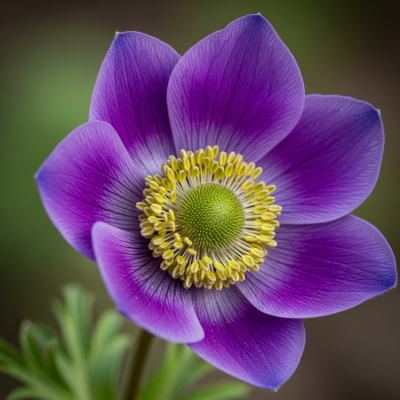
Anemones are herbaceous perennials that grow from rhizomes, tubers, or fibrous roots. Their height varies from a delicate 10 cm to over a meter, depending on species. Leaves are typically basal, deeply lobed or dissected, lending a soft, textured look. The flowers, solitary or in small clusters, feature 5–20 petal-like sepals in striking shades of white, pink, blue, purple, red, or yellow. True petals are absent; instead, the sepals create the signature poppy-like appearance. Flower diameters range from 2 to 8 cm, making them both subtle and showy in the garden.
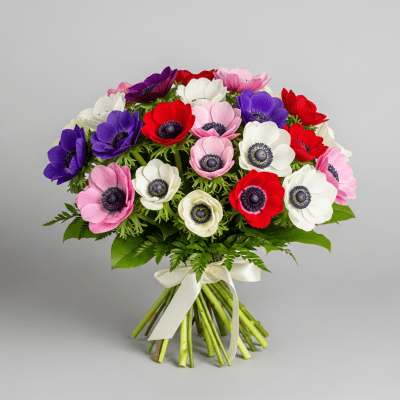
Anemones thrive in moist, well-drained soils and prefer partial shade, though some species tolerate full sun. They are grown primarily for ornamental purposes, gracing gardens, parks, and floral arrangements. Anemone coronaria, with its vivid hues and long vase life, is especially prized in the cut flower industry. While some species have traditional medicinal uses, all parts of the plant are toxic if ingested, limiting their utility beyond aesthetics and symbolic value.
Bring this kind into your world illustrated posters, mugs, and shirts.
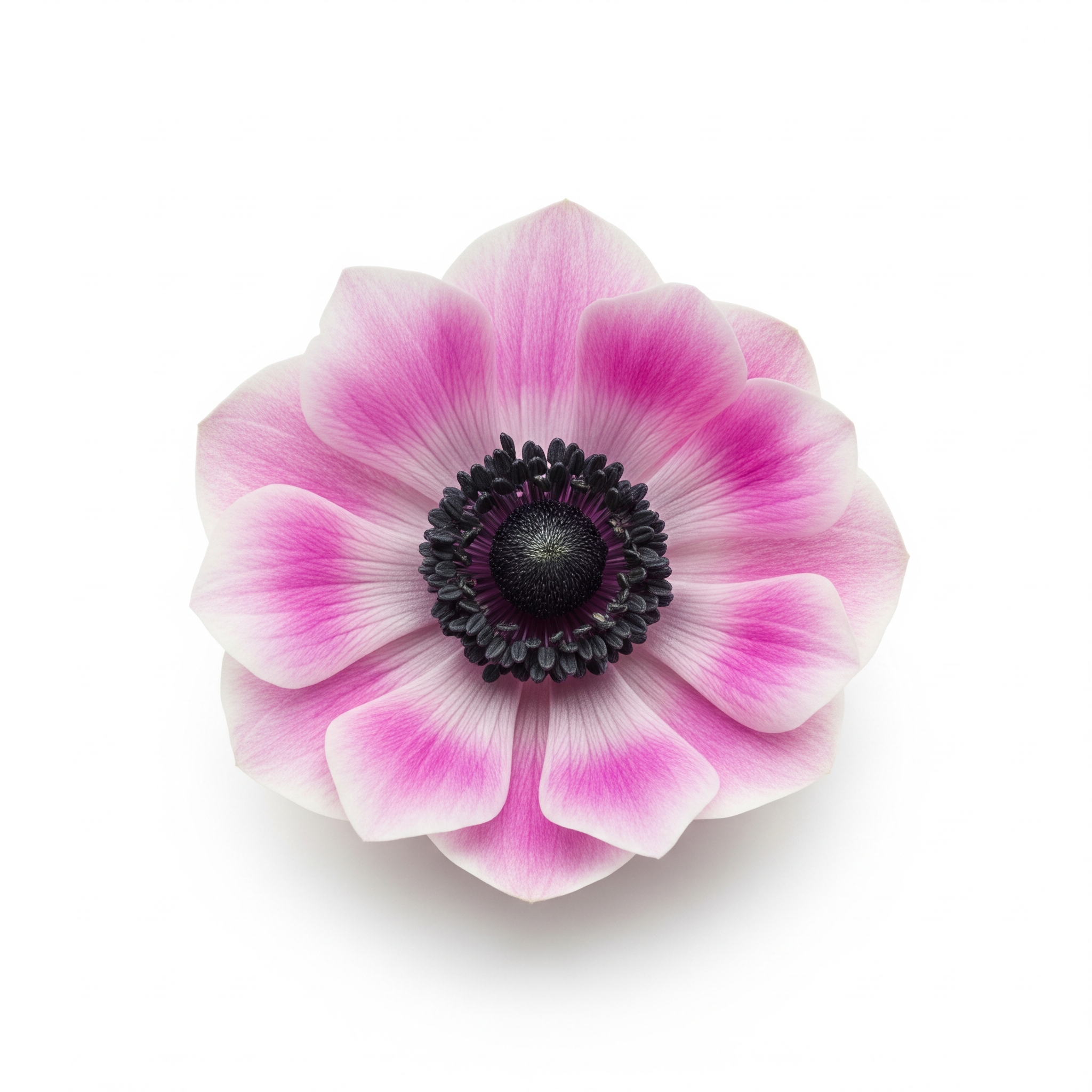
Archival print, museum-grade paper
Buy Poster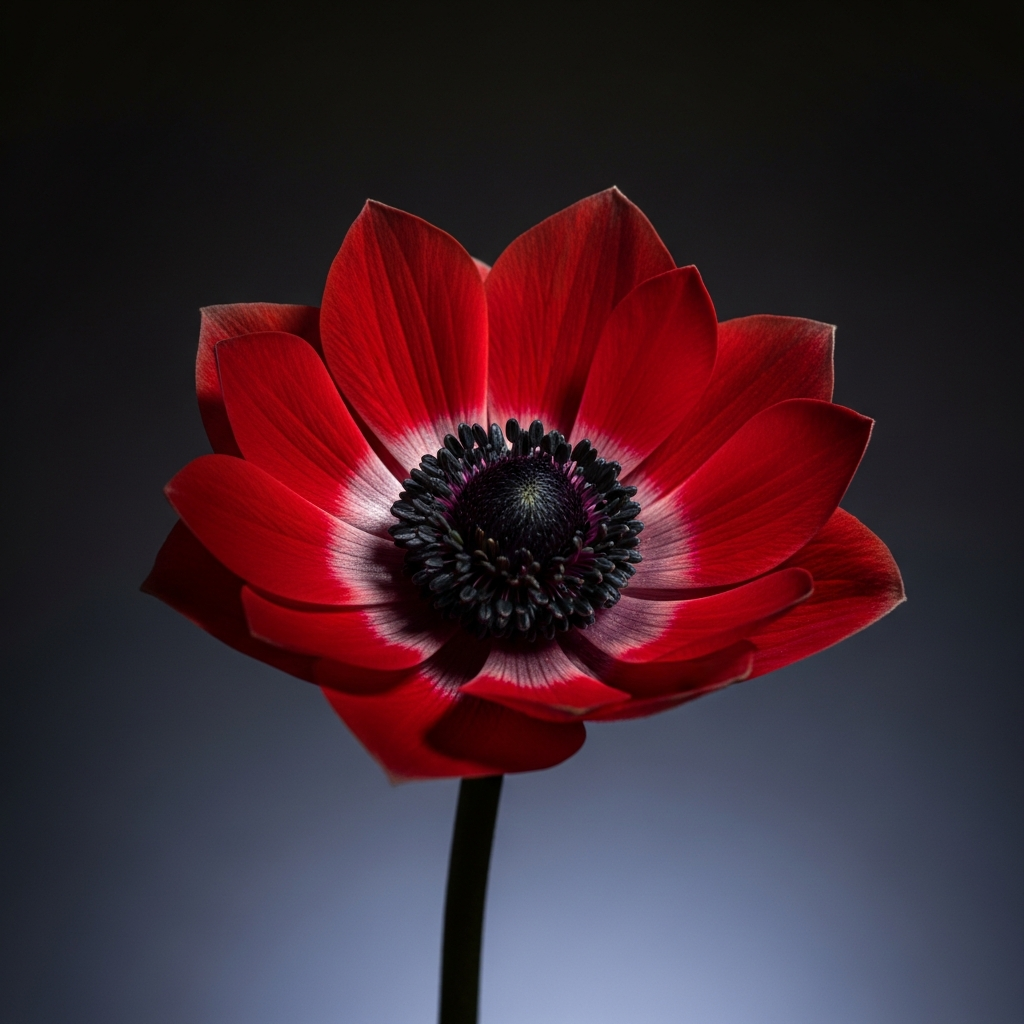
Stoneware mug, dishwasher safe
Buy Mug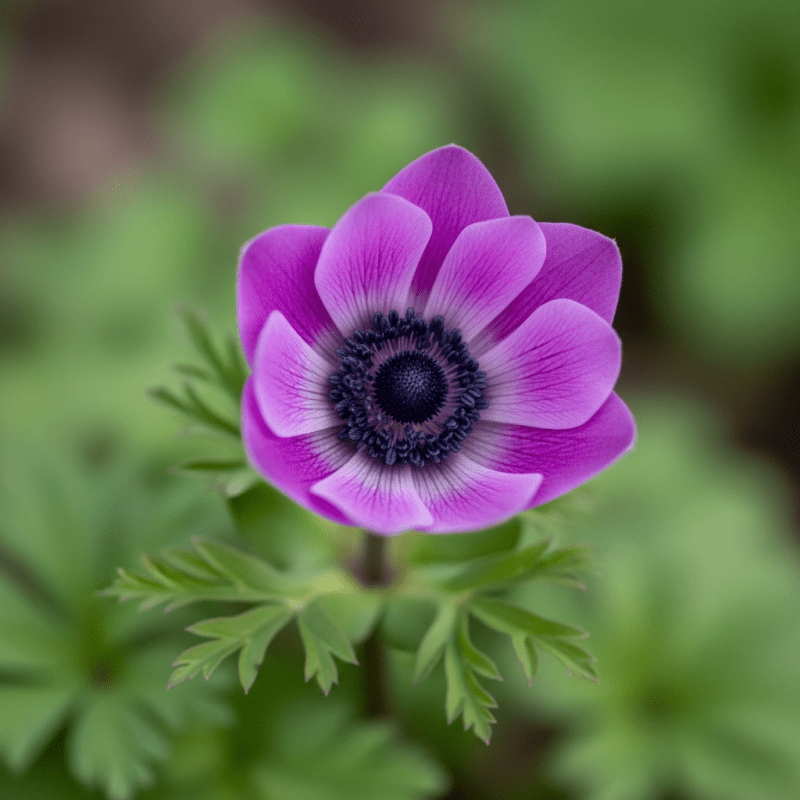
Soft cotton tee, unisex sizes
Buy ShirtAnemones hold a rich place in cultural lore and symbolism. In Greek mythology, the anemone is linked to the tragic story of Adonis, symbolizing the fleeting nature of life and love. In Western floral language, anemones often represent anticipation or forsaken love. The Japanese anemone is a beloved feature in autumn gardens across East Asia and Europe, celebrated for its grace and resilience. Throughout history, these flowers have inspired artists, poets, and gardeners alike.
Anemones are celebrated for their wide color palette, including white, pink, blue, purple, red, and yellow. While most species are not noted for strong fragrance, their visual impact is striking, with vibrant sepals that brighten gardens and bouquets alike.


To cultivate anemones, plant tubers or rhizomes in moist, well-drained soil during spring or autumn, depending on the species. Partial shade is preferred, though some varieties tolerate full sun. Regular watering is essential, especially during dry spells, but avoid waterlogged conditions to prevent crown rot. Propagation is typically by division, seed, or tuber planting. For species like Anemone coronaria, tubers can be lifted and stored dry and cool during dormancy. Monitor for powdery mildew and crown rot, and remove affected foliage promptly.
Anemones symbolize anticipation, fragility, and sometimes forsaken love. In Greek mythology, they are tied to the story of Adonis and represent the ephemeral nature of beauty and life. In the language of flowers, anemones can convey hope, protection against evil, and remembrance, making them popular choices for meaningful bouquets and gardens.
Anemone breeding has a long history, with major centers in Europe, North America, and Asia. Cultivars such as the Anemone coronaria 'De Caen' group were developed in the Netherlands in the 19th century, prized for their vivid colors and robust growth. Hybridization has produced varieties suited to diverse climates and garden styles, though detailed pedigree records are often proprietary or regionally maintained. Ongoing breeding efforts focus on disease resistance, extended blooming periods, and novel colors.
Anemone blooming seasons vary by species: spring for Anemone nemorosa and Anemone blanda, autumn for Anemone hupehensis, and late winter to spring for Anemone coronaria. This diversity ensures that anemones can provide color and interest in gardens across much of the year.
Anemones are primarily grown for their ornamental value, enhancing gardens, parks, and floral arrangements with their vivid blooms. Anemone coronaria is especially popular in the cut flower industry. While some species have been used in traditional medicine, all parts are toxic and not suitable for consumption. Their symbolic presence in mythology and floral language further enriches their cultural significance.