Amaryllis
Amaryllis is a celebrated flowering bulb, renowned for its large, vibrant trumpet-shaped blooms that illuminate homes and gardens, especially during the winter months.
Amaryllis is a celebrated flowering bulb, renowned for its large, vibrant trumpet-shaped blooms that illuminate homes and gardens, especially during the winter months.
The story of Amaryllis is one of botanical intrigue and global migration. While the true Amaryllis genus (Amaryllis belladonna) hails from South Africa, the name "Amaryllis" in horticulture most often refers to Hippeastrum species and hybrids, native to South America—particularly Brazil, Peru, and Bolivia. Hippeastrum hybrids began their journey in the 19th century, with Dutch breeders and institutions like the Royal Botanic Gardens, Kew, playing pivotal roles in their development. Today, Amaryllis bulbs are cultivated and cherished worldwide, with major production centers in the Netherlands, South Africa, and the United States.
Amaryllis belongs to the Amaryllidaceae family and, in horticultural contexts, is most commonly associated with the genus Hippeastrum. True Amaryllis (Amaryllis belladonna) is a separate genus, but both share the family’s hallmark bulbous growth and striking floral displays. The taxonomy of Amaryllis is often a source of confusion, as the name is applied to Hippeastrum hybrids in Europe and North America, while botanists distinguish between the two genera for scientific clarity.
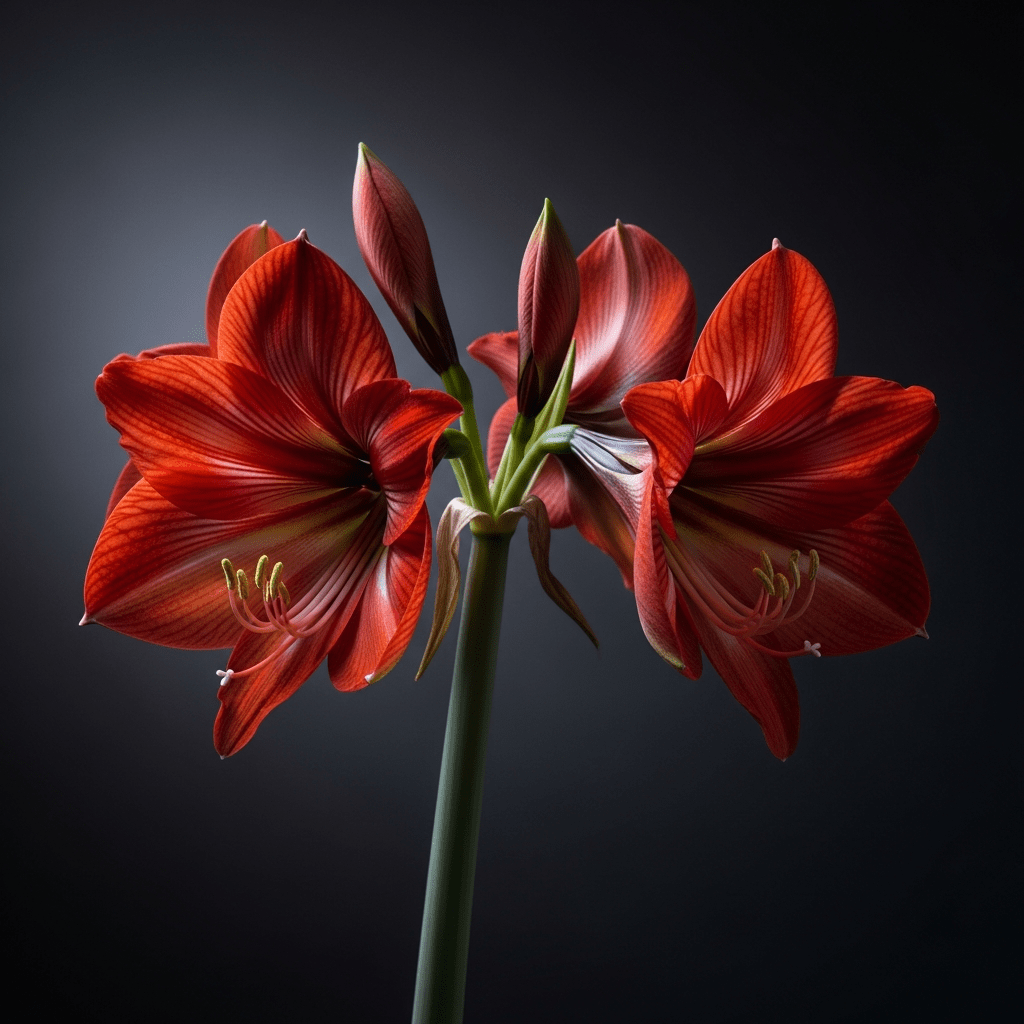
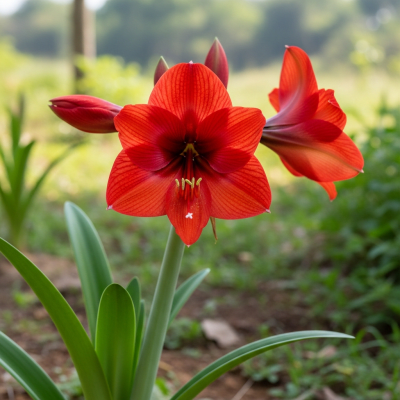
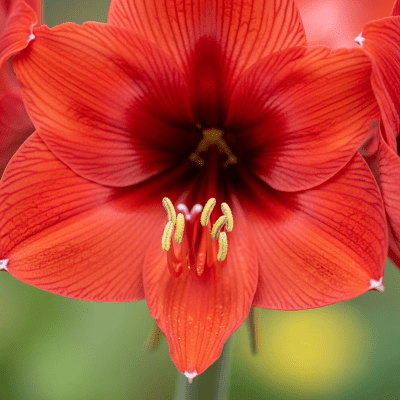
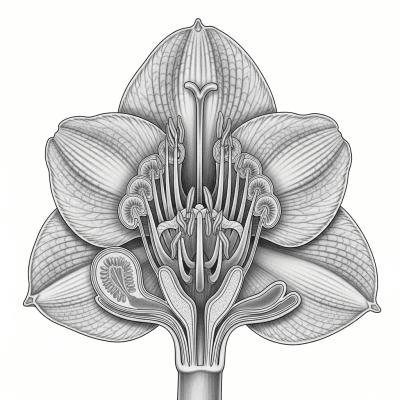
Amaryllis dazzles with its bold, funnel-shaped flowers, typically spanning 10–20 cm in diameter. Blooms appear atop sturdy, leafless stalks that rise 30–60 cm above the bulb. The color palette ranges from deep reds and pinks to crisp whites, oranges, and eye-catching bicolors. Glossy, strap-shaped green leaves emerge after or alongside the flowers, lending a lush backdrop to the dramatic floral display. The overall form is elegant and architectural, making Amaryllis a centerpiece in any setting.
Amaryllis is cherished for its ease of cultivation and spectacular indoor blooms, often timed to brighten winter holidays. The plant grows from a large bulb, entering a dormant phase after flowering. Its resilience allows bulbs to be stored dry for months before planting, making it a favorite gift and seasonal decoration. Outdoors, Amaryllis thrives in frost-free gardens, while indoors it flourishes in pots with bright, indirect light. Its toxicity ensures it is not used for culinary purposes, but its ornamental value is unmatched.
Bring this kind into your world illustrated posters, mugs, and shirts.
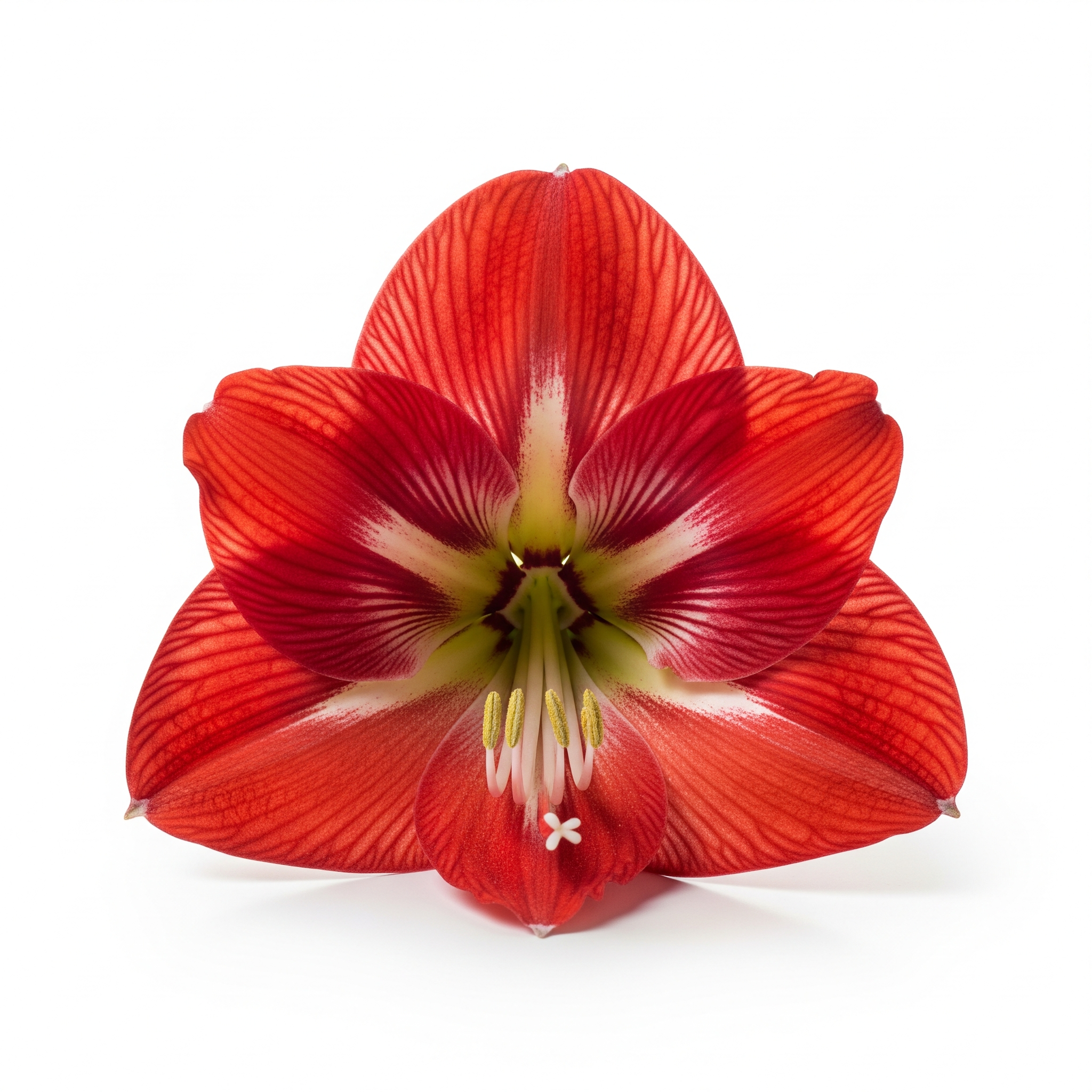
Archival print, museum-grade paper
Buy Poster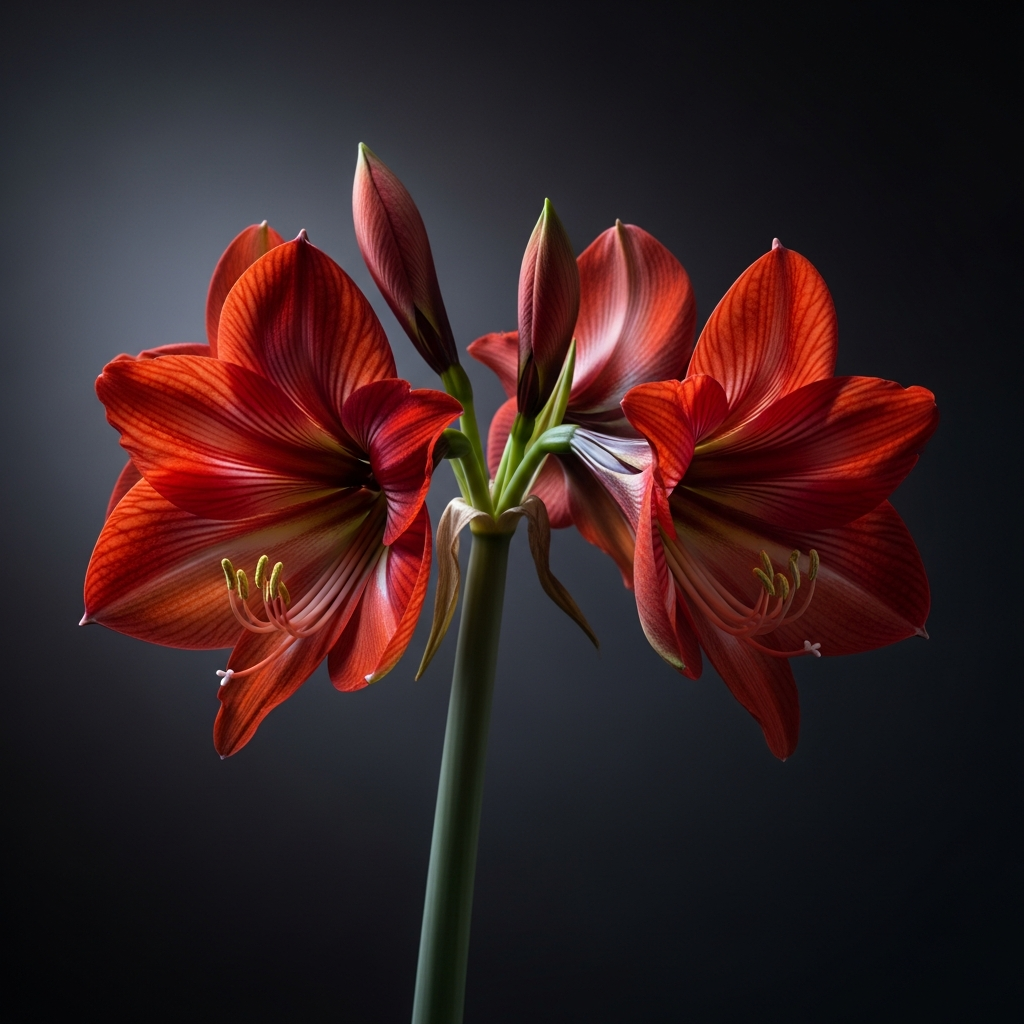
Stoneware mug, dishwasher safe
Buy Mug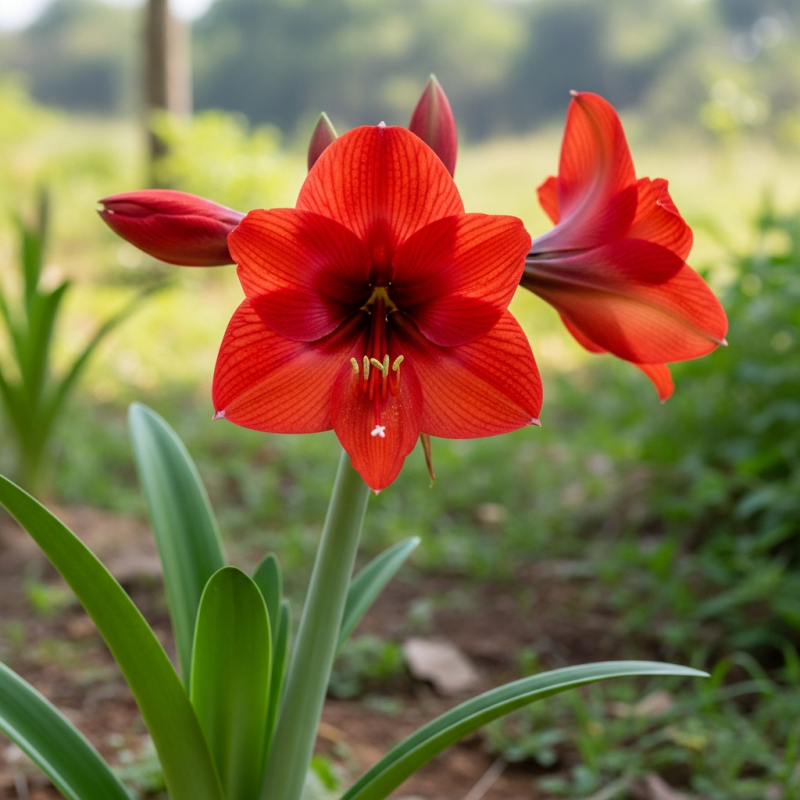
Soft cotton tee, unisex sizes
Buy ShirtAmaryllis holds a special place in festive traditions and floral art, frequently featured in winter holiday arrangements and as a symbol of beauty and pride. Its striking blooms have inspired artists and poets, and the flower is often associated with themes of determination and radiant charm. Across cultures, gifting an Amaryllis bulb is seen as a gesture of hope and celebration, making it a perennial favorite in both private homes and public displays.
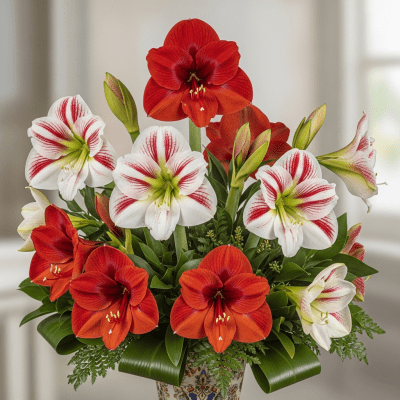
Amaryllis flowers are renowned for their vivid colors, including rich reds, soft pinks, pure whites, vibrant oranges, and striking bicolors. Most Hippeastrum hybrids do not possess a notable fragrance, though their visual impact more than compensates, creating a dramatic and cheerful display wherever they bloom.


Growing Amaryllis is straightforward and rewarding. Plant bulbs in well-drained soil and position them in bright, indirect light. Water moderately, allowing the soil to dry between waterings. After flowering, reduce watering and allow the plant to enter dormancy. Bulbs can be stored dry for several months before replanting. Propagation is typically by bulb division. Indoors, Amaryllis thrives in containers; outdoors, it prefers frost-free climates. Watch for signs of red blotch and bulb rot, and avoid overwatering to maintain healthy growth.
Amaryllis is a symbol of pride, radiant beauty, and determination. Its ability to bloom in the heart of winter makes it a metaphor for resilience and hope. The flower is often associated with festive celebrations and is gifted as a token of encouragement and admiration.
Amaryllis breeding has a rich history, with Hippeastrum hybrids first developed in the 19th century. Dutch breeders and institutions like the Royal Botanic Gardens, Kew, played key roles in creating cultivars with larger, more colorful blooms. Popular hybrids often involve crosses among Hippeastrum vittatum, Hippeastrum reginae, and related species, resulting in the diverse palette and forms seen today. Cultivars such as 'Red Lion' and 'Apple Blossom' exemplify the success of selective breeding in the Amaryllis market.
Amaryllis is most commonly available and blooms indoors from late autumn through winter, making it a favorite for holiday displays. Outdoor blooming occurs in frost-free regions, with timing influenced by local climate and bulb planting schedules.
Amaryllis is prized as an ornamental plant, especially for indoor displays and festive arrangements. It is a staple of the cut flower market and is widely marketed as a gift bulb. Due to its toxicity, it has no culinary or medicinal uses. Its symbolic value—representing pride, beauty, and determination—makes it a meaningful addition to celebrations and home décor.