Alstroemeria
Alstroemeria, also known as the Peruvian lily or lily of the Incas, is a vibrant, long-lasting flowering plant celebrated for its striking, speckled blooms and exceptional value as a cut flower.
Alstroemeria, also known as the Peruvian lily or lily of the Incas, is a vibrant, long-lasting flowering plant celebrated for its striking, speckled blooms and exceptional value as a cut flower.
Alstroemeria traces its botanical roots to South America, with most species native to Chile and Brazil. First described in 1762 by Carl Linnaeus and named for his friend Clas Alströmer, the genus has since become a global horticultural favorite. While wild species thrive in their native Andean habitats, modern Alstroemeria owes much of its diversity to decades of hybridization and breeding by Dutch, British, and South American horticulturalists, resulting in the dazzling cultivars seen in gardens and floral shops worldwide.
Alstroemeria belongs to the family Alstroemeriaceae within the broader taxonomy of flowering plants (angiosperms). It is a distinct genus, characterized by its unique floral morphology and resupinate leaves. The genus sits alongside other ornamental favorites in the horticultural world and is typically grouped by both scientific taxonomy and its prominent role in the cut flower industry.
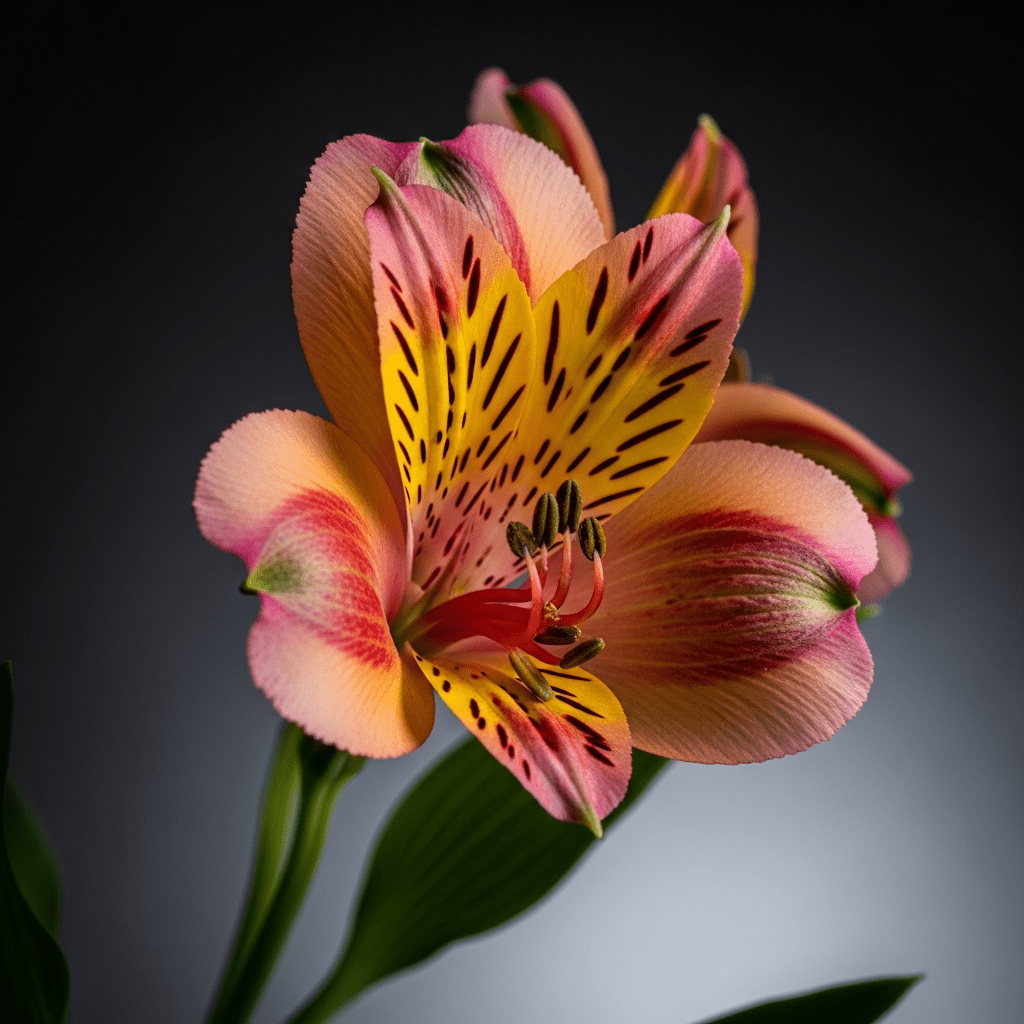
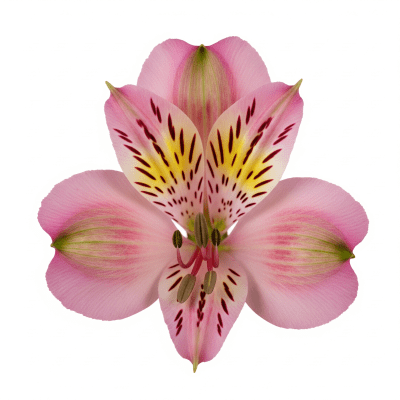
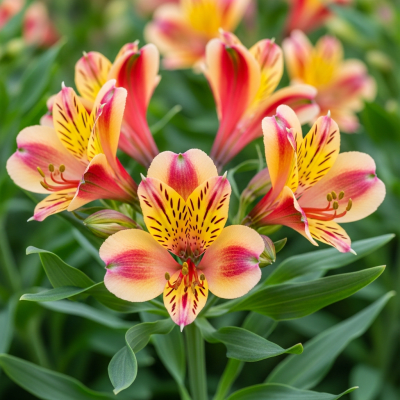
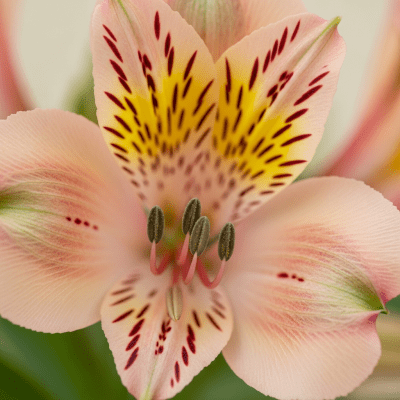
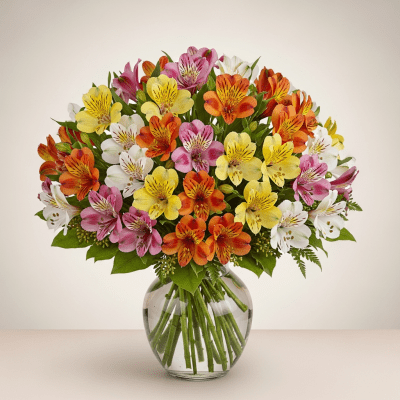
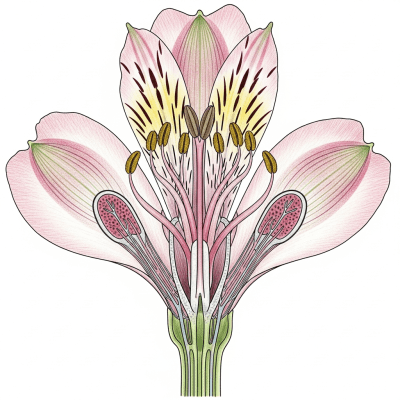
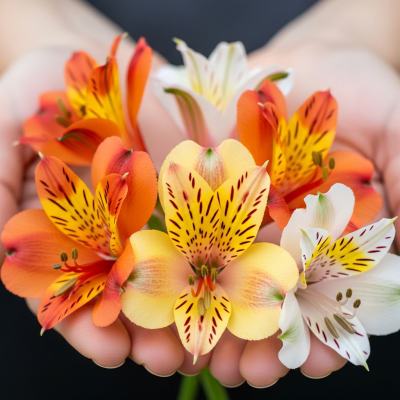
Alstroemeria plants are herbaceous perennials, typically reaching heights of 30–120 cm. Their slender, upright stems emerge from rhizomatous roots, supporting narrow, lance-shaped leaves that twist at the base so the underside faces upwards—a signature trait. The flowers form in umbels, each bloom displaying six tepals often adorned with contrasting streaks or spots. Alstroemeria’s color palette is remarkably broad, spanning white, yellow, orange, pink, red, purple, and striking bi-colored combinations, making each stem a miniature bouquet.
Alstroemeria is primarily cultivated for ornamental purposes, both in gardens and as a staple of the global cut flower market. Its long vase life—often exceeding two weeks—makes it a favorite among florists and consumers alike. While it is not edible and is considered toxic if ingested, its resilience and beauty ensure its popularity in floral arrangements, container plantings, and perennial borders. The plant’s moderate drought tolerance and adaptability to various garden settings further enhance its appeal for both commercial growers and home gardeners.
Bring this kind into your world illustrated posters, mugs, and shirts.
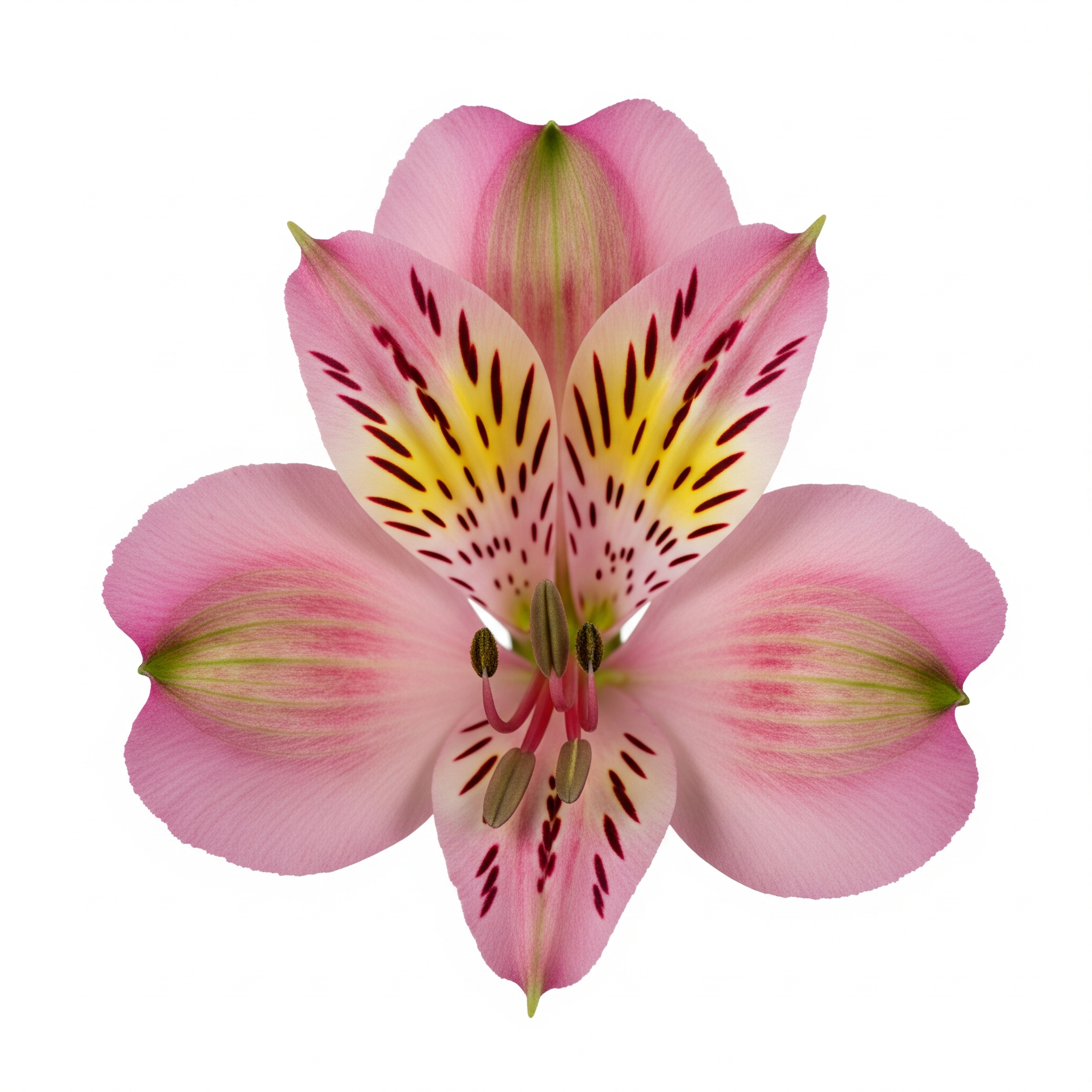
Archival print, museum-grade paper
Buy Poster
Stoneware mug, dishwasher safe
Buy Mug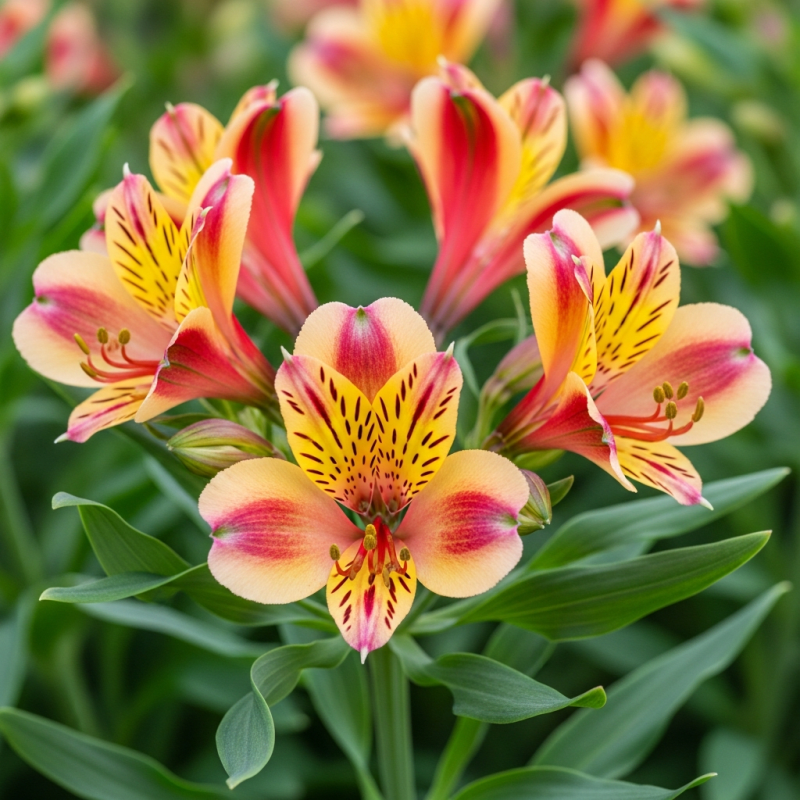
Soft cotton tee, unisex sizes
Buy ShirtIn the language of flowers, Alstroemeria symbolizes friendship, devotion, and mutual support, making it a popular choice for bouquets intended to celebrate enduring relationships. Its exotic appearance and vibrant hues have also made it a subject of admiration in floral art and design across cultures. Particularly in Europe, North America, and Japan, Alstroemeria is cherished for its elegance and is frequently featured in celebratory and commemorative floral displays.
Alstroemeria is celebrated for its dazzling array of colors, including white, yellow, orange, pink, red, purple, and bi-colored forms, often with dramatic streaks or spots. While visually striking, Alstroemeria flowers are typically not fragrant, making them ideal for those who prefer unscented blooms in indoor arrangements.
To thrive, Alstroemeria prefers well-drained, fertile soil and a position in full sun to partial shade. Once established, it tolerates moderate drought but is sensitive to waterlogged conditions. Propagation is most successful by division or tissue culture, as many hybrids are sterile. Regular deadheading encourages prolonged blooming, and mulching helps protect roots in colder climates. Disease resistance varies by cultivar, but many modern varieties are bred to withstand common issues like Botrytis and root rot. Alstroemeria is hardy in USDA zones 7–10, with some species tolerating light frost.
Alstroemeria holds deep symbolic meaning, representing friendship, loyalty, and mutual support. Its intricate, intertwined petals are often seen as a metaphor for lasting bonds and enduring affection, making it a thoughtful choice for gifts and celebrations of connection.
Modern Alstroemeria owes its diversity to extensive breeding efforts, especially since the late 20th century. Dutch, British, and South American horticulturalists have developed countless hybrids by crossing species such as Alstroemeria aurea and Alstroemeria ligtu. These efforts have produced cultivars with enhanced color, disease resistance, and vase life. Most commercial varieties are complex hybrids, with specific pedigrees often kept proprietary within the industry.
Thanks to modern breeding and global cultivation, Alstroemeria is available year-round as a cut flower. In gardens, its blooming season typically extends from late spring through summer, depending on the climate and variety.
Alstroemeria’s primary use is ornamental, both as a garden perennial and as a star of the cut flower industry due to its vivid colors and exceptional vase life. It is not used in culinary or medicinal contexts and is considered toxic if ingested. Its symbolic association with friendship and devotion makes it a popular choice for bouquets and celebratory arrangements worldwide.