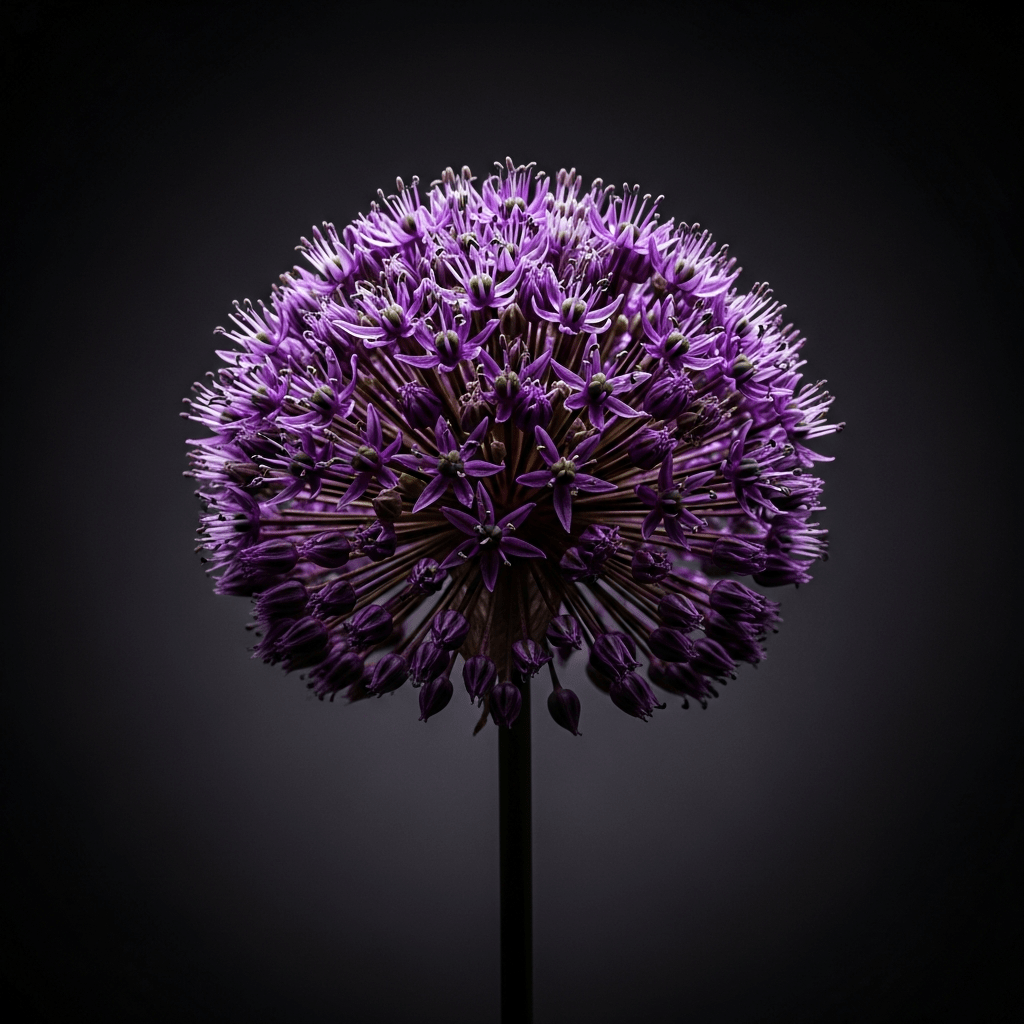
Allium
Allium is a diverse genus of flowering plants known for its globe-shaped blooms, pungent aroma, and culinary as well as ornamental significance worldwide.
Allium is a diverse genus of flowering plants known for its globe-shaped blooms, pungent aroma, and culinary as well as ornamental significance worldwide.
First described by Carl Linnaeus in 1753, Allium traces its roots to temperate regions of the Northern Hemisphere, especially Central Asia, the Mediterranean basin, and North America. Over centuries, both wild and cultivated species have flourished across these regions, with countless varieties and hybrids developed by horticulturists in Europe, Asia, and North America. While the type species is Allium sativum (garlic), the genus now encompasses over 900 species, a testament to its evolutionary success and human-driven selection.
Allium belongs to the family Amaryllidaceae and stands as one of the largest genera within flowering plants. Its members are classified as herbaceous perennials, typically growing from bulbs or rhizomes. The genus includes both edible and ornamental species, with well-known representatives such as onions, garlic, leeks, chives, and a range of decorative alliums. Taxonomically, Allium is distinguished by its unique inflorescence structure and sulfurous chemistry, setting it apart within the broader context of angiosperms.
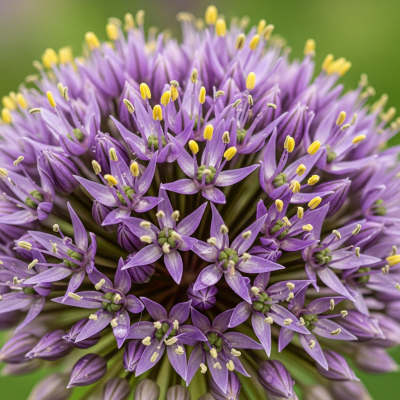
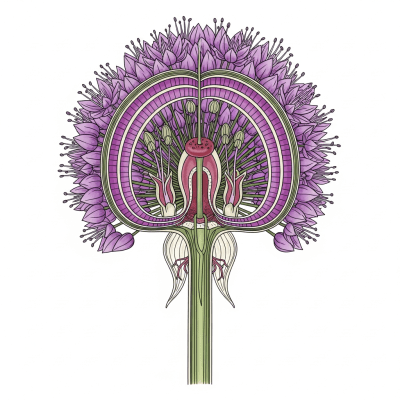
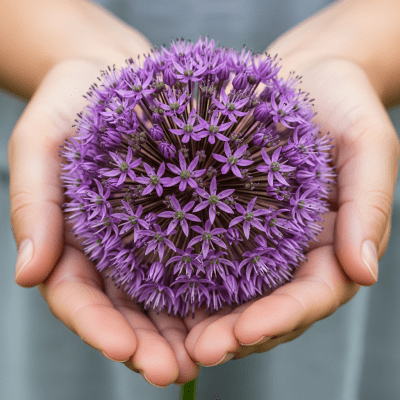
Allium plants are recognized for their linear, strap-shaped leaves and striking inflorescences: dense, spherical umbels composed of numerous small flowers. Depending on the species, flower colors span white, yellow, pink, purple, and blue. Heights vary dramatically—from compact 10 cm chives to towering Allium giganteum exceeding 1.5 meters. The overall form is architectural and upright, with a clean, modern silhouette that makes ornamental alliums favorites in contemporary gardens.
Alliums serve multiple roles in human life and ecological systems. Edible species such as onions, garlic, leeks, and chives are staple vegetables, prized for their pungent flavor and aroma in cuisines worldwide. Ornamental alliums are cultivated for their dramatic flower heads and ability to attract pollinators, while also being deer-resistant and long-blooming. Many species are valued for their medicinal properties and are used as natural pest repellents in gardens. Their adaptability and resilience make them suitable for both home gardens and commercial agriculture.
Bring this kind into your world illustrated posters, mugs, and shirts.
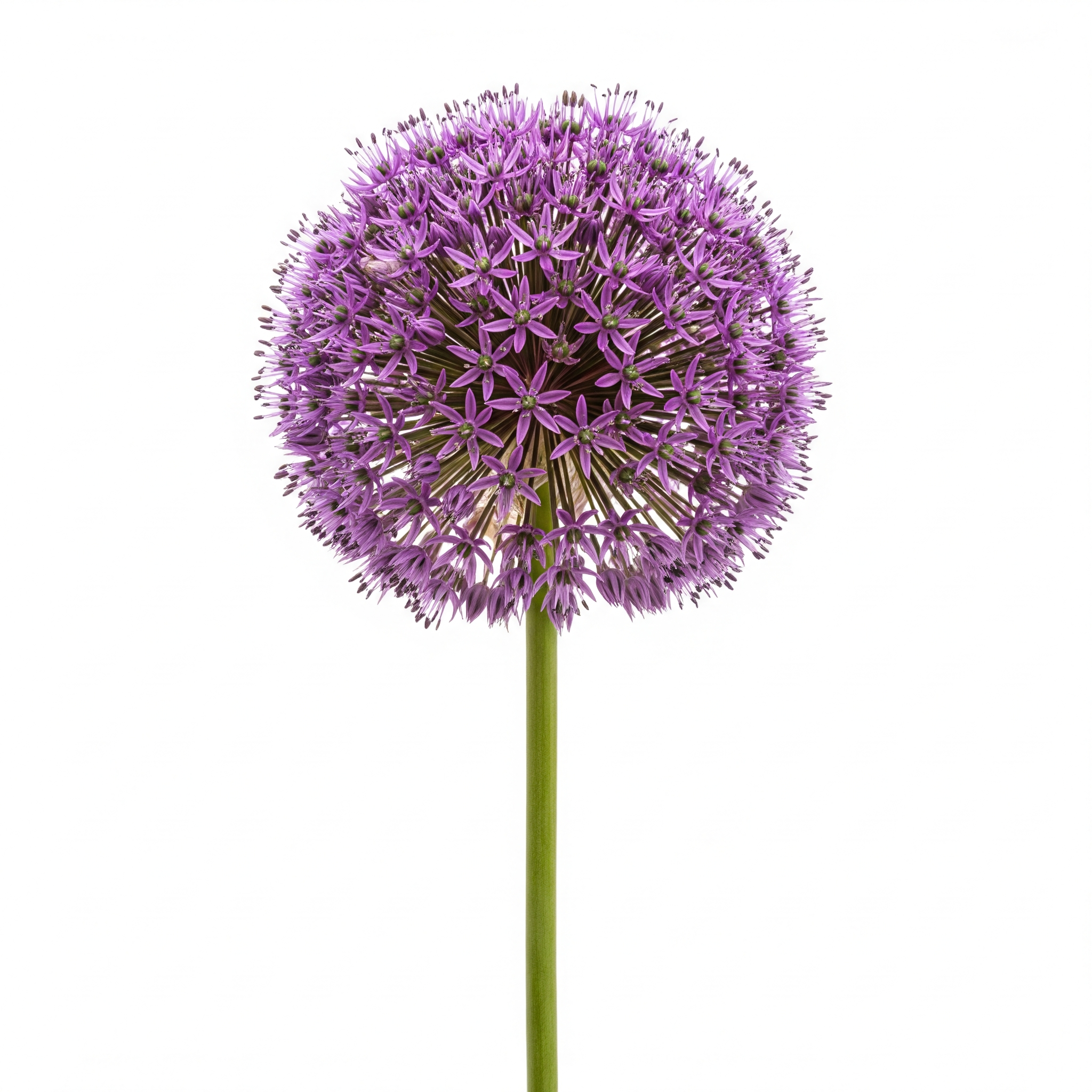
Archival print, museum-grade paper
Buy Poster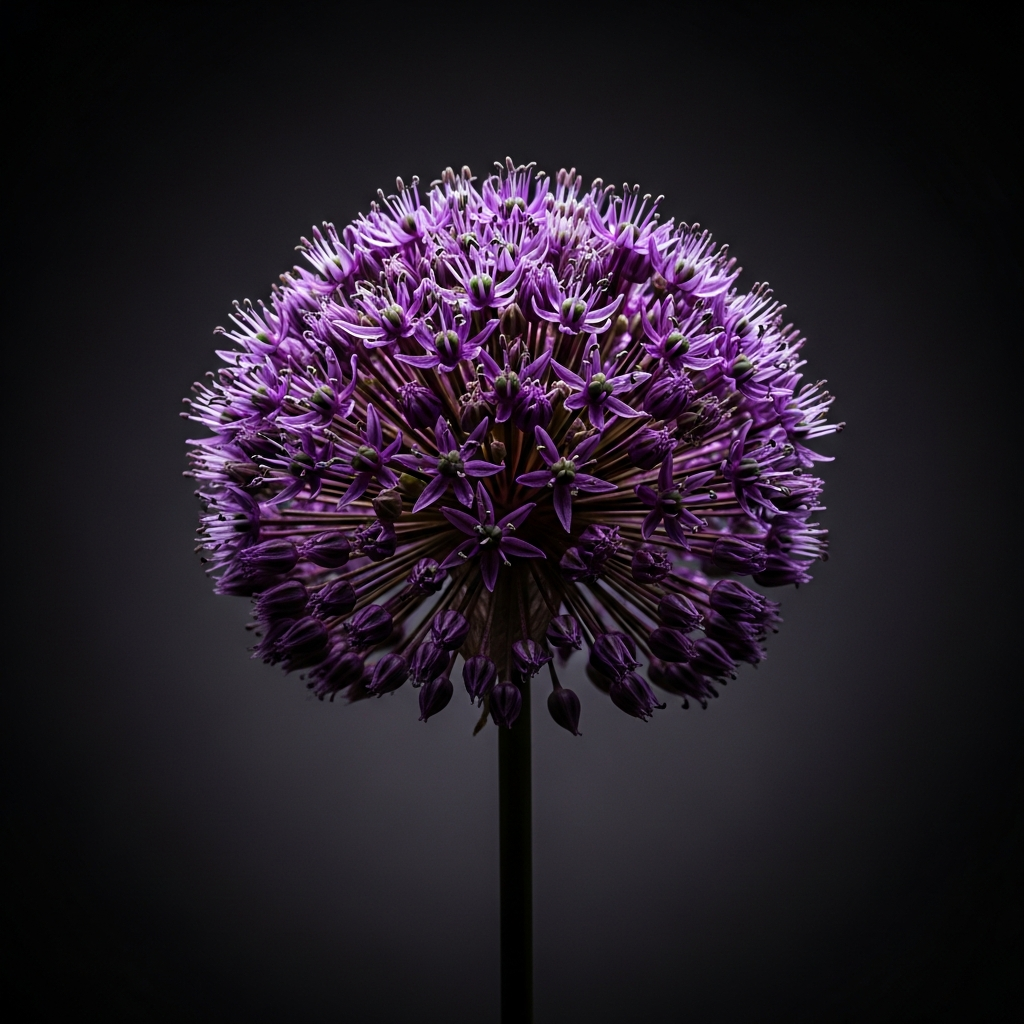
Stoneware mug, dishwasher safe
Buy Mug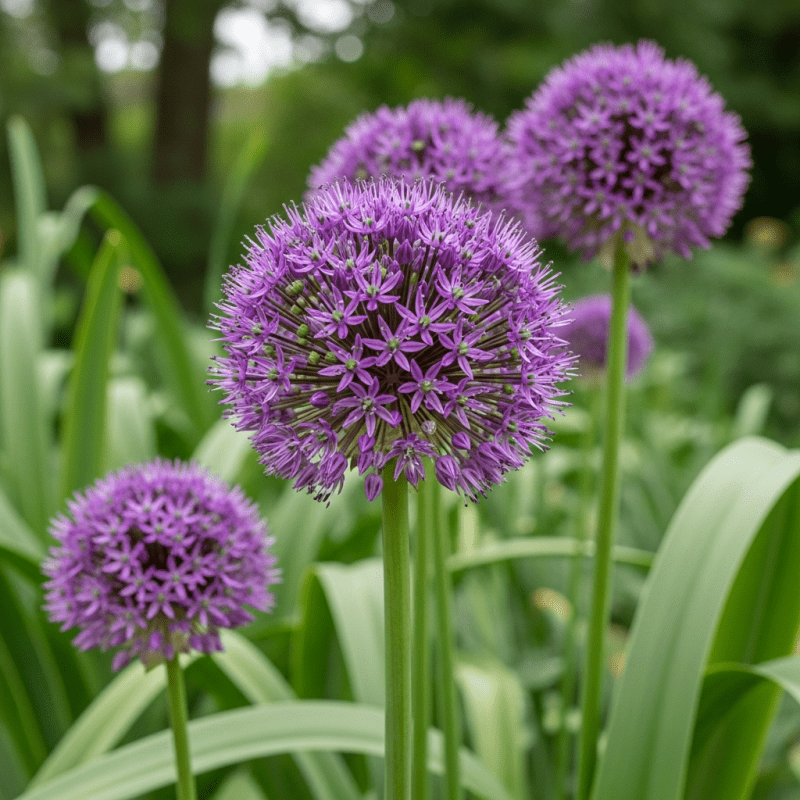
Soft cotton tee, unisex sizes
Buy ShirtAlliums have left a deep imprint on human culture. Garlic and onion, in particular, are woven into folklore, traditional medicine, and culinary heritage across continents. Garlic has been used symbolically for protection and health, while onions appear in rituals and as offerings in ancient civilizations. In modern times, ornamental alliums are celebrated in garden design for their sculptural beauty, and their edible relatives remain essential in global gastronomy. Regional names and traditions reflect the genus’s broad cultural reach.
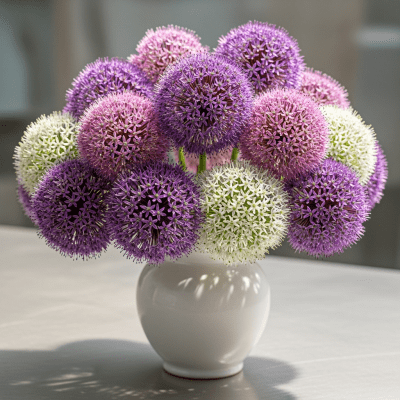
Allium flowers are celebrated for their vibrant palette, with hues ranging from pure white and sunny yellow to soft pinks, deep purples, and even blues. The genus is equally famous for its distinctive, pungent fragrance—often described as sulfurous or onion-like—stemming from organosulfur compounds present in both leaves and bulbs. This aroma is unmistakable and is a hallmark of both edible and ornamental species.
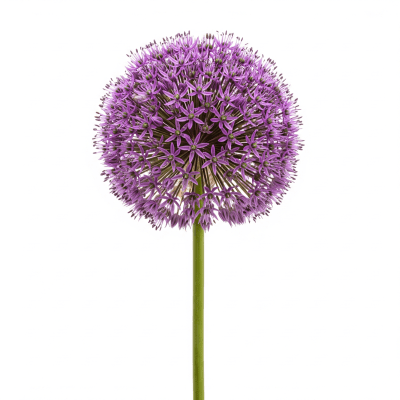
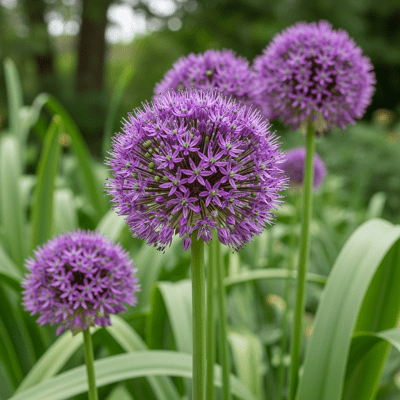
Alliums are generally easy to grow and highly adaptable. They thrive in well-drained soils and prefer full sun, making them suitable for borders, rock gardens, and containers. Plant bulbs or rhizomes in autumn for spring or early summer blooms. Alliums are drought-tolerant and require minimal watering once established. Propagation is typically by bulb division or seed. Most species are resistant to pests and deer, though they can be affected by onion fly, thrips, and fungal diseases such as downy mildew. Deadheading spent flowers helps maintain garden tidiness and may prevent unwanted self-seeding.
While not universally symbolic, alliums are often associated with unity and prosperity due to their globe-like flower heads composed of many small blooms. In some cultures, garlic (a key allium) symbolizes protection and health, while onions are linked to layers of meaning and endurance. Ornamental alliums, with their striking forms, can represent elegance and architectural beauty in garden design.
Allium breeding has a rich history, with extensive hybridization for both culinary and ornamental purposes. Since Linnaeus’s formal description in 1753, breeders—especially in the Netherlands and Britain—have developed countless cultivars, focusing on traits like flower size, color, disease resistance, and storage life. While detailed pedigrees for many ornamental varieties are unavailable, the diversity seen in gardens and markets today reflects centuries of selection and cross-breeding.
Most ornamental alliums bloom from late spring to early summer, with some species flowering as early as late winter or as late as midsummer. Edible alliums are harvested at different times depending on the species: onions and garlic are typically lifted in mid to late summer, while chives and leeks can be harvested over a longer season. Dried bulbs and heads are available year-round in markets and for planting.
Alliums are indispensable in both the kitchen and the garden. Edible species—onion, garlic, leek, shallot, and chives—are foundational to cuisines around the world, valued for their flavor, aroma, and health benefits. Ornamental alliums add architectural interest and pollinator appeal to landscapes, while dried flower heads are used in floral arrangements. Some species are employed in traditional medicine and as natural pest repellents, highlighting the genus’s versatility and enduring relevance.