Origin Story

Thelypteris palustris was first described by Carl Linnaeus in 1753 under the name Polypodium palustre L., with its type specimen collected in Europe and preserved at the Linnaean Herbarium (LINN 1262.12). This species has a natural lineage and is not of hybrid origin, having been known to science for over two and a half centuries.

Classification

This fern belongs to the family Thelypteridaceae within the order Polypodiales, class Polypodiopsida, division Monilophyta, and kingdom Plantae. It is classified in the genus Thelypteris, though some authorities place it in the genus Phegopteris, reflecting ongoing phylogenetic revisions within the family.

Appearance or Form

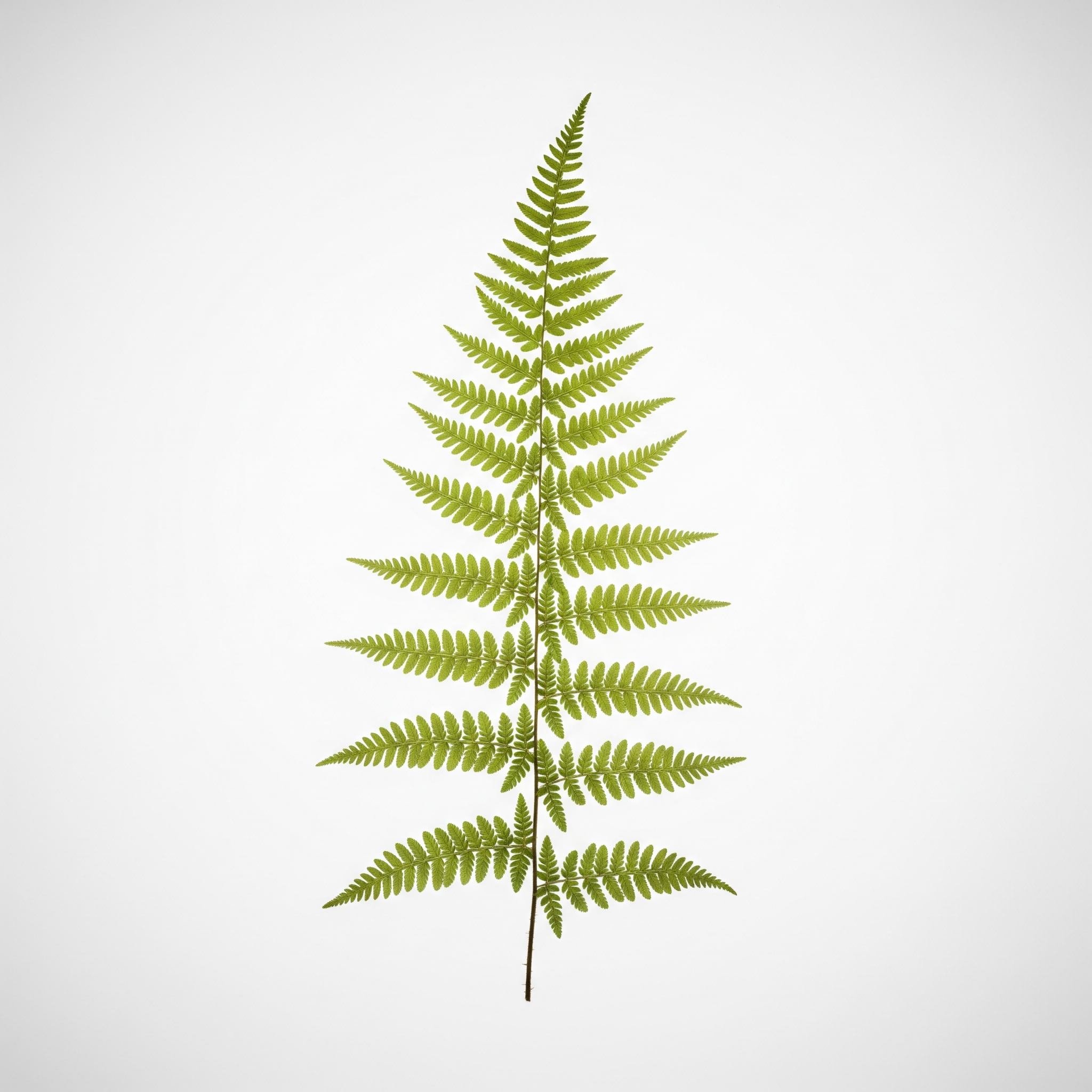
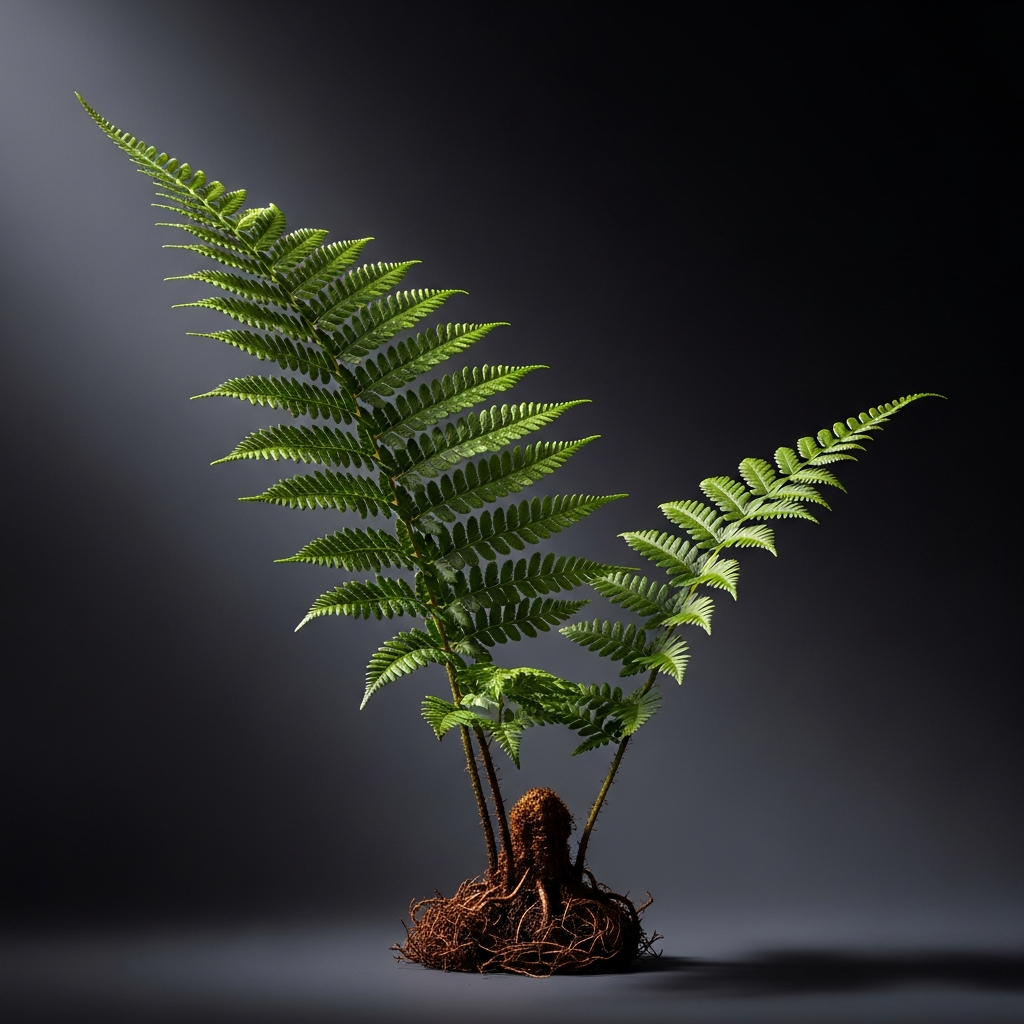
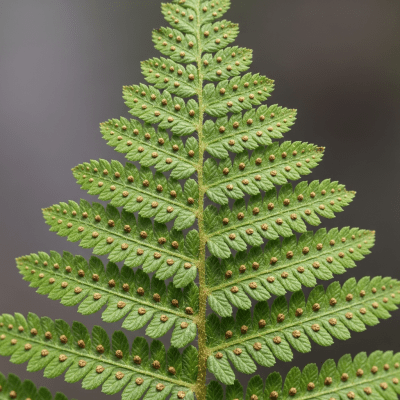
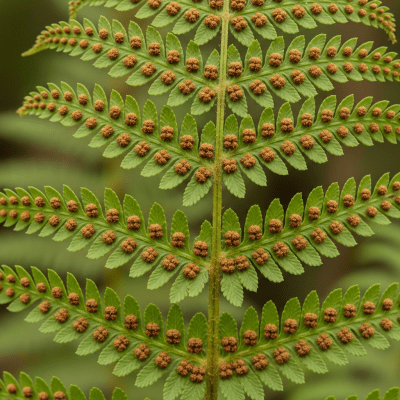
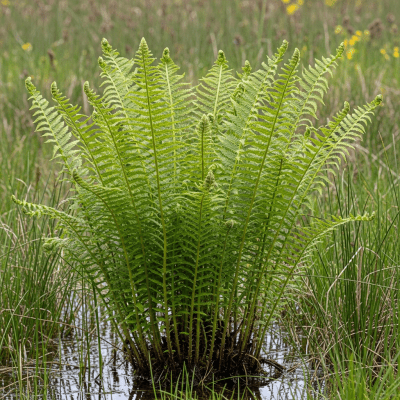
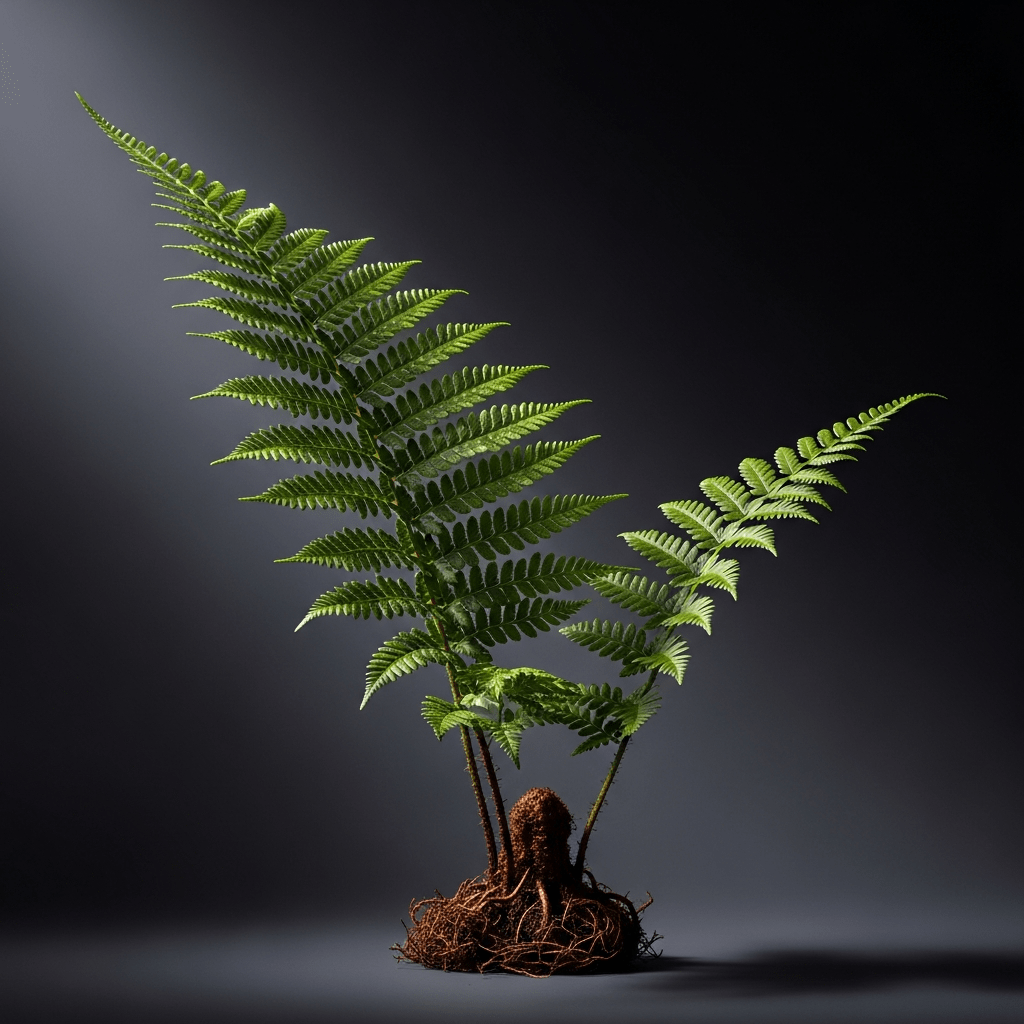
Thelypteris palustris is a medium-sized terrestrial fern, typically growing between 30 and 90 centimeters tall. It features erect, slender rhizomes and lanceolate, pinnate fronds with 10 to 20 pairs of pinnae. Each pinna bears rounded or slightly toothed lobes. The fronds are bright green and soft to the touch. Its sori are round and either lack indusia or have very rudimentary ones, contributing to its delicate reproductive structures.

Behavior or Usage

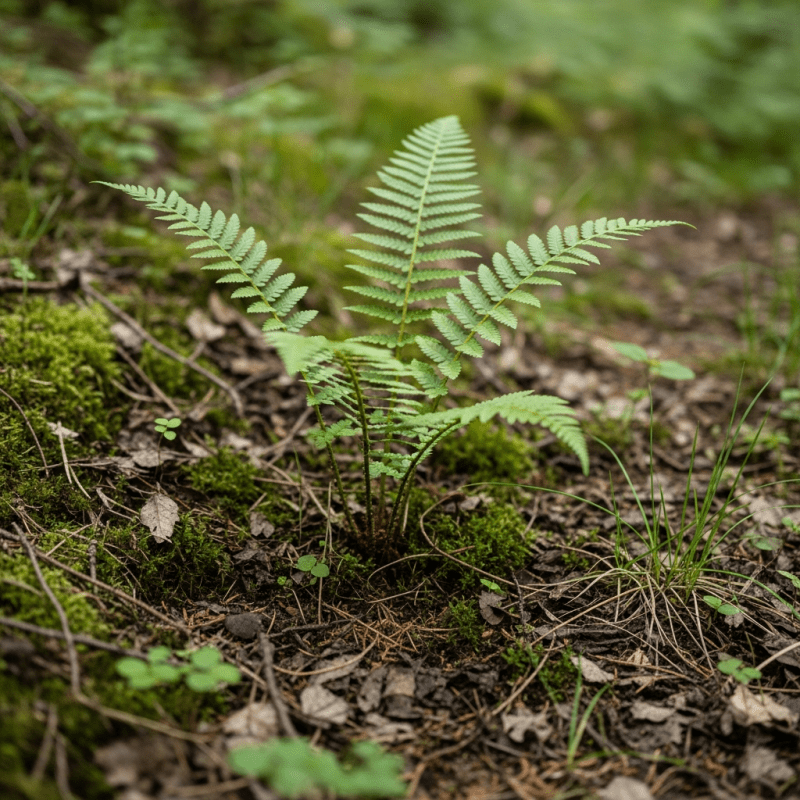
This species thrives in acidic to neutral, saturated soils found in marshes, wet meadows, bogs, and riparian zones. It tolerates periodic flooding and often forms dense colonies. Thelypteris palustris is valued for its role in ecological restoration projects, particularly for stabilizing soil in wetland environments. Propagation occurs via spores, and it is occasionally cultivated as an ornamental plant in native plant gardens.

Merchandise & Prints

Bring this kind into your world � illustrated posters, mugs, and shirts.

Marsh Fern Marsh Fern Poster

Marsh Fern Poster

Archival print, museum-grade paper

Marsh Fern Marsh Fern Mug

Marsh Fern Mug

Stoneware mug, dishwasher safe

Marsh Fern Marsh Fern Shirt

Marsh Fern Shirt

Soft cotton tee, unisex sizes

Attributes & Insights

Taxon-Specific Insights

🌍Cultural Significance

While Thelypteris palustris does not have widely documented cultural or symbolic significance, it holds ecological value in native landscaping and wetland restoration efforts. Its presence in natural habitats contributes to the aesthetic and biological richness of marshy environments.

📌Notable Facts

  • Known commonly as marsh fern, it is widely distributed across temperate regions of the Northern Hemisphere.
  • It was originally described by Carl Linnaeus in 1753, making it a well-established species in botanical history.
  • The species tolerates saturated and periodically flooded soils, a trait that supports wetland ecosystem stability.
  • Its sori lack prominent indusia, a distinguishing reproductive feature among ferns.
  • Used in ecological restoration, it helps prevent soil erosion in vulnerable wetland areas.

🌱Reproduction And Life Cycle

Thelypteris palustris follows the typical fern life cycle, alternating between a diploid sporophyte and a haploid gametophyte phase. Mature fronds bear round sori where spores develop and are released into the environment. These spores germinate into small, independent gametophytes that produce gametes for fertilization. The resulting zygote grows into a new sporophyte, completing the cycle. Propagation is exclusively spore-based, with no known vegetative reproduction documented for this species.

Visual Variations

High quality, studio-style photograph of a single Thelypteris palustris
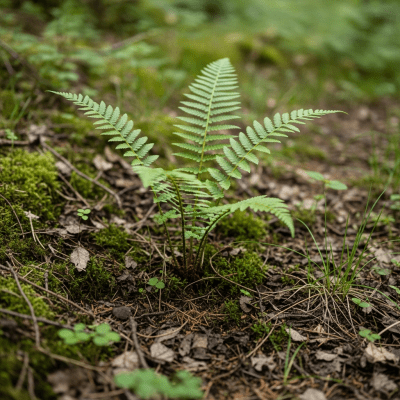
Photograph of a Thelypteris palustris, of the taxonomy ferns, shown growing in its natural environment, such as a forest understory or shaded woodland
Detailed macro image of the fronds and leaflets of a Thelypteris palustris, focusing on texture, venation, and sori (spore cases) if visible
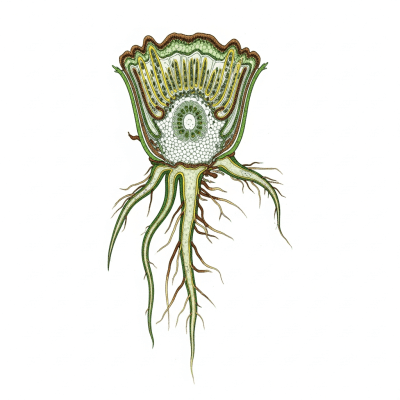
Cross-sectional illustration or photograph of a Thelypteris palustris, showing internal structure such as rhizome, roots, and vascular bundles
Photograph of a mature Thelypteris palustris, with visible sporangia or sori on the underside of its fronds, highlighting its reproductive structures
Image depicting a Thelypteris palustris as traditionally used by humans, such as in ornamental garden settings, floral arrangements, or as part of indigenous cultural practices

Composition & Context

Taxon-Specific Insights

🌿Ecological Roles

In its native wetland habitats, Thelypteris palustris plays a crucial role in soil stabilization and water filtration. By forming dense colonies in marshes and riparian zones, it helps prevent erosion and supports habitat complexity for wetland fauna. Its presence contributes to biodiversity by providing cover and microhabitats, while its tolerance of saturated soils makes it an important component of resilient wetland ecosystems.

🛡️Conservation Status

Thelypteris palustris is not currently listed as threatened or endangered. However, wetland habitat loss and degradation pose potential risks to its populations. Conservation efforts focus on protecting and restoring wetland ecosystems where this species naturally occurs, ensuring its continued ecological function and presence in native habitats.

🌾Popular Species And Varieties

Thelypteris palustris includes recognized varieties such as var. palustris (the nominate variety) and var. pubescens, which is found primarily in North America and distinguished by subtle differences in leaf hairiness. These varieties reflect regional adaptations and are sometimes treated separately in floras. No registered cultivars are widely known or cultivated.

Faq

Q: Where does Thelypteris palustris naturally grow?
Thelypteris palustris is native to temperate wetlands across the Northern Hemisphere, including marshes, bogs, and riparian zones.

Q: How does this fern reproduce?
It reproduces via spores produced in round sori on the undersides of its fronds.

Q: Is Thelypteris palustris used in gardening?
Yes, it is sometimes cultivated as an ornamental plant in native plant gardens and used in wetland restoration projects.