Australian Tree Fern
Sphaeropteris cooperi is a tall, fast-growing tree fern native to eastern Australia, prized for its elegant arching fronds and slender trunk.
Sphaeropteris cooperi is a tall, fast-growing tree fern native to eastern Australia, prized for its elegant arching fronds and slender trunk.
First described by Ferdinand von Mueller in 1863 as Alsophila cooperi, this species was discovered in New South Wales, Australia. Its type specimen is preserved at the National Herbarium of Victoria (MEL 2022343). Recent phylogenetic studies have placed it in the genus Sphaeropteris, reflecting advances in fern classification.
Sphaeropteris cooperi belongs to the family Cyatheaceae within the order Cyatheales. It is classified under the genus Sphaeropteris, a group of tree ferns distinguished by their large stature and characteristic frond structures. This placement aligns with modern phylogenetic frameworks accepted globally, though some horticultural sources still use the synonym Cyathea cooperi.
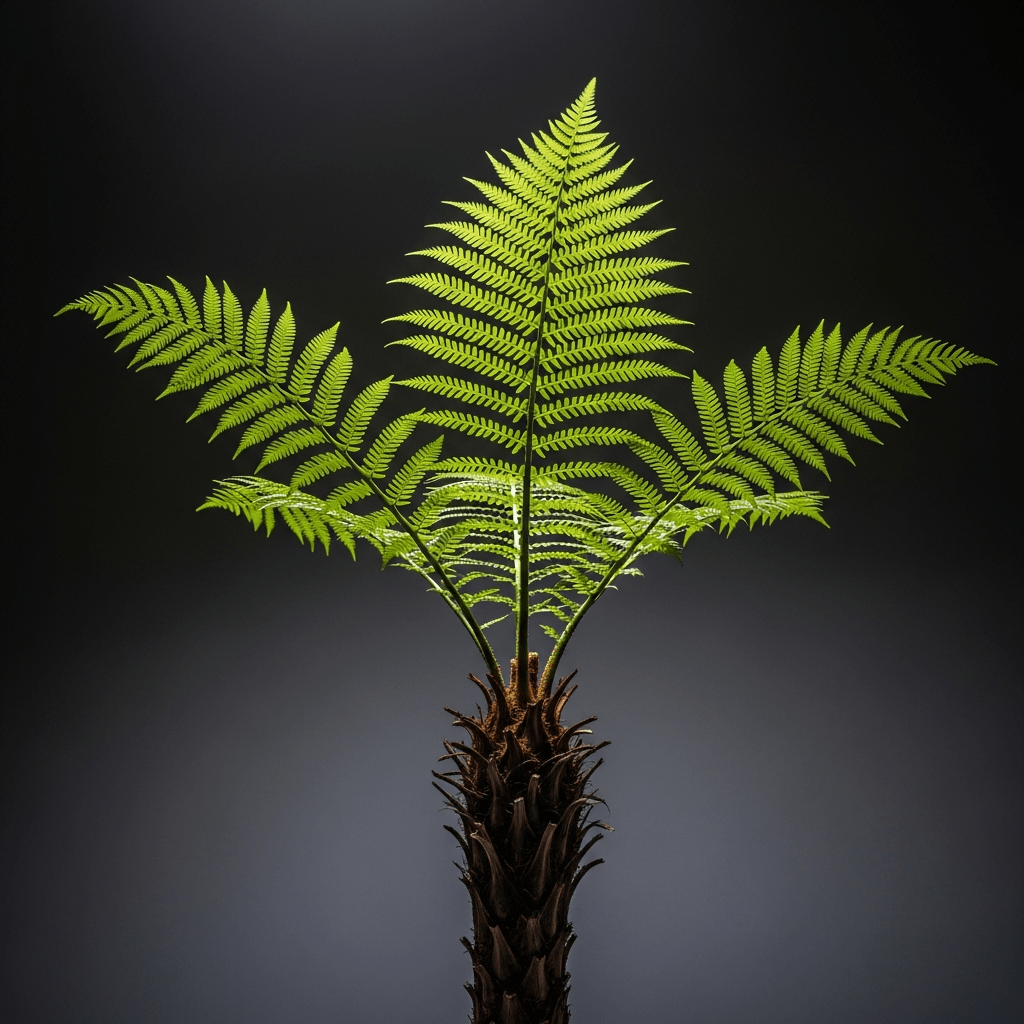
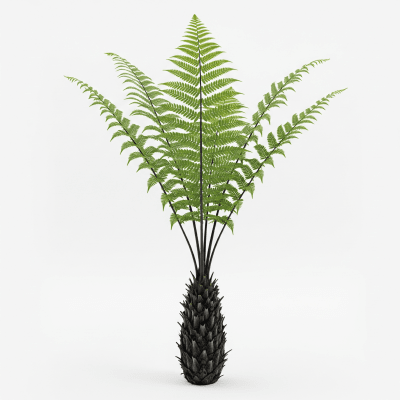
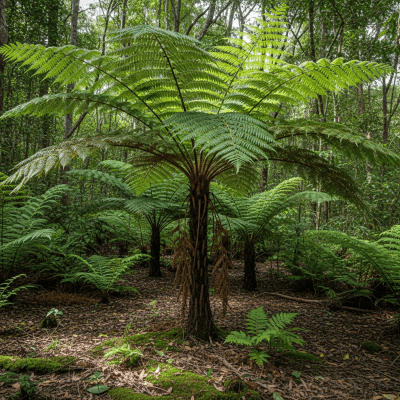
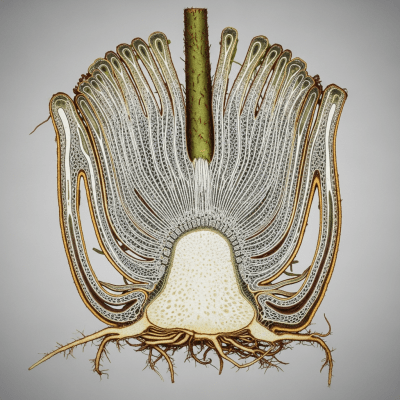
This terrestrial tree fern grows a tall, slender trunk reaching 5 to 15 meters in height and 10 to 20 centimeters in diameter. Its bipinnate fronds extend 4 to 6 meters long, displaying a bright green color and graceful arching habit. The stipes and trunk apex are adorned with soft, golden-brown scales, lending a distinctive texture and warm hue that enhance its ornamental appeal.
Known for its rapid growth, Sphaeropteris cooperi thrives in moist, shaded environments typical of subtropical and warm temperate climates. It tolerates a variety of soil types and exhibits moderate drought resistance once established. Widely cultivated as an ornamental, it is favored in landscaping for its dramatic foliage and swift establishment. However, it is frost-sensitive and susceptible to root rot in poorly drained soils.
Bring this kind into your world illustrated posters, mugs, and shirts.
Archival print, museum-grade paper
Buy Poster
Stoneware mug, dishwasher safe
Buy Mug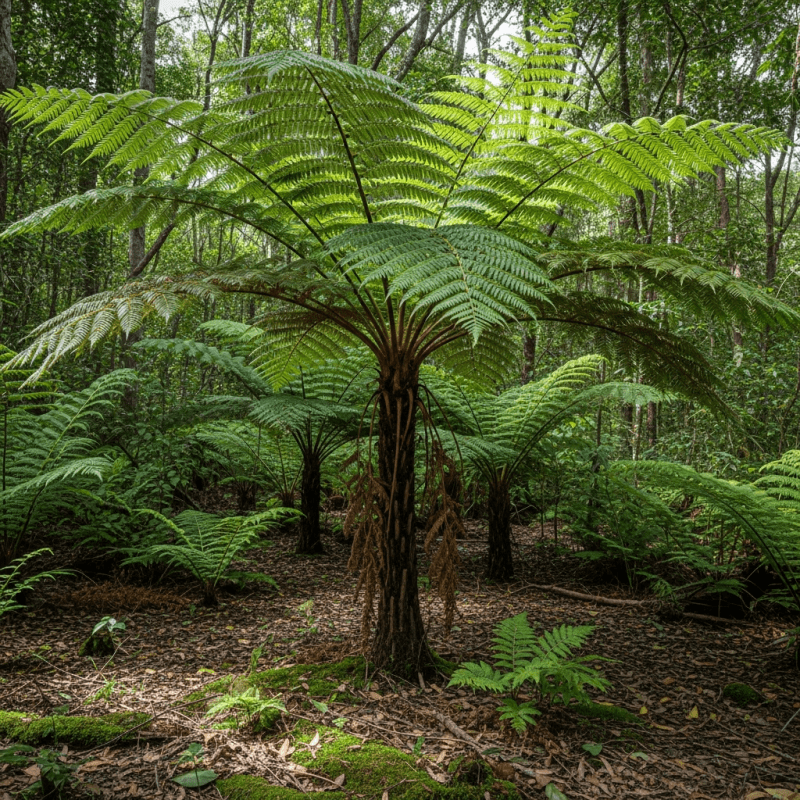
Soft cotton tee, unisex sizes
Buy ShirtWhile Sphaeropteris cooperi holds no widely documented cultural or symbolic roles, it is cherished in horticulture and garden design for its striking presence. Often called the Australian Tree Fern or Lacy Tree Fern, it contributes to the aesthetic and ecological restoration efforts in suitable climates.
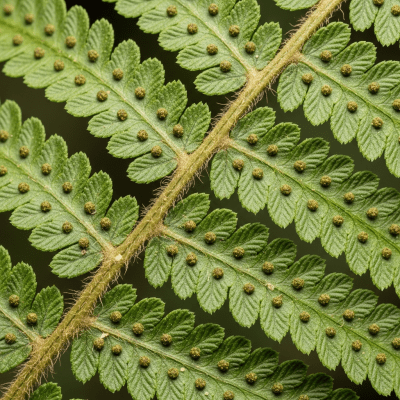
Sphaeropteris cooperi, like other ferns, reproduces via spores rather than seeds. Its life cycle alternates between a dominant sporophyte phase—the familiar tree fern form—and a smaller, independent gametophyte phase. Spores develop in clusters called sori on the undersides of fronds, which release spores that germinate into gametophytes. Fertilization leads to the growth of new sporophyte plants, continuing the cycle.

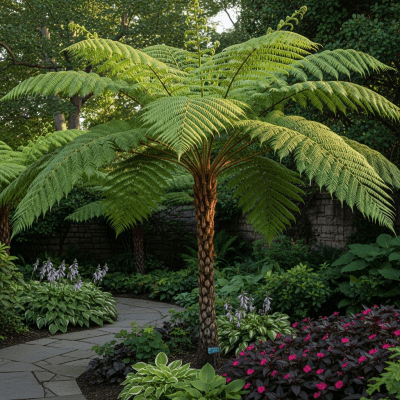
In its native habitats, Sphaeropteris cooperi contributes to forest structure by providing vertical complexity and microhabitats. Its large fronds offer shelter and moisture retention, supporting diverse understory flora and fauna. Additionally, it plays a role in soil stabilization and ecological restoration projects in subtropical regions.
Currently, there is no specific conservation status listed for Sphaeropteris cooperi. It is not known to face significant threats in its native range and is widely cultivated. However, its frost sensitivity and susceptibility to root rot in poorly drained soils highlight the importance of suitable habitat conditions for its survival.
Sphaeropteris cooperi is often encountered under its synonym Cyathea cooperi in horticulture. No formally registered cultivars exist, but it is popular for its dramatic foliage and rapid growth. Known commonly as the Australian Tree Fern or Lacy Tree Fern, it is a favored choice for subtropical gardens and landscape restoration.