
Chinese Brake
Pteris vittata, commonly known as the Chinese brake fern, is a medium-sized terrestrial fern famed for its ability to hyperaccumulate arsenic, making it vital in environmental remediation.
Pteris vittata, commonly known as the Chinese brake fern, is a medium-sized terrestrial fern famed for its ability to hyperaccumulate arsenic, making it vital in environmental remediation.
Described by Carl Linnaeus in 1753 from specimens originating in China, Pteris vittata has its roots in tropical and subtropical Asia. Its discovery combined cultivated and wild material, establishing a firm botanical foundation nearly three centuries ago.
Pteris vittata belongs to the genus Pteris within the family Pteridaceae, order Polypodiales, class Polypodiopsida, and division Monilophyta. This places it firmly among the true ferns, a diverse group of vascular, spore-bearing plants.
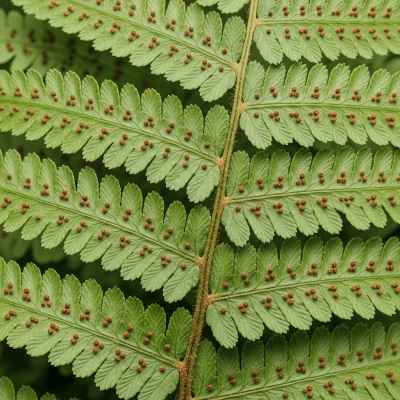
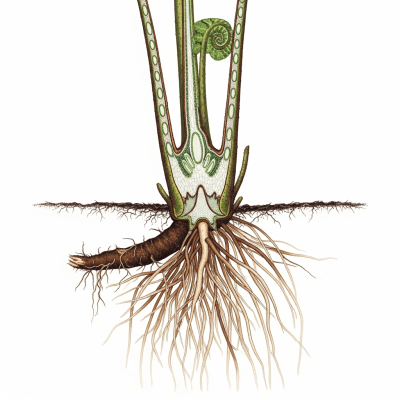
This fern features elegant, linear-lanceolate fronds ranging from 30 to 100 cm in length, pinnate with 15 to 40 pairs of linear, entire or slightly undulate pinnae. The fronds are bright green and glabrous above, paler beneath, arising from a short-creeping rhizome adorned with brown scales. Its sori form continuous lines along the pinna margins, shielded by a reflexed leaf margin acting as a false indusium.
Pteris vittata thrives as a rapid colonizer of disturbed, calcareous, or sandy soils, tolerating full sun to partial shade. Its remarkable ability to accumulate arsenic in its tissues makes it a cornerstone species in phytoremediation efforts, helping to cleanse contaminated soils and waters. Additionally, it is cultivated as an ornamental fern valued for its graceful foliage and ease of growth.
Bring this kind into your world illustrated posters, mugs, and shirts.

Archival print, museum-grade paper
Buy Poster
Stoneware mug, dishwasher safe
Buy Mug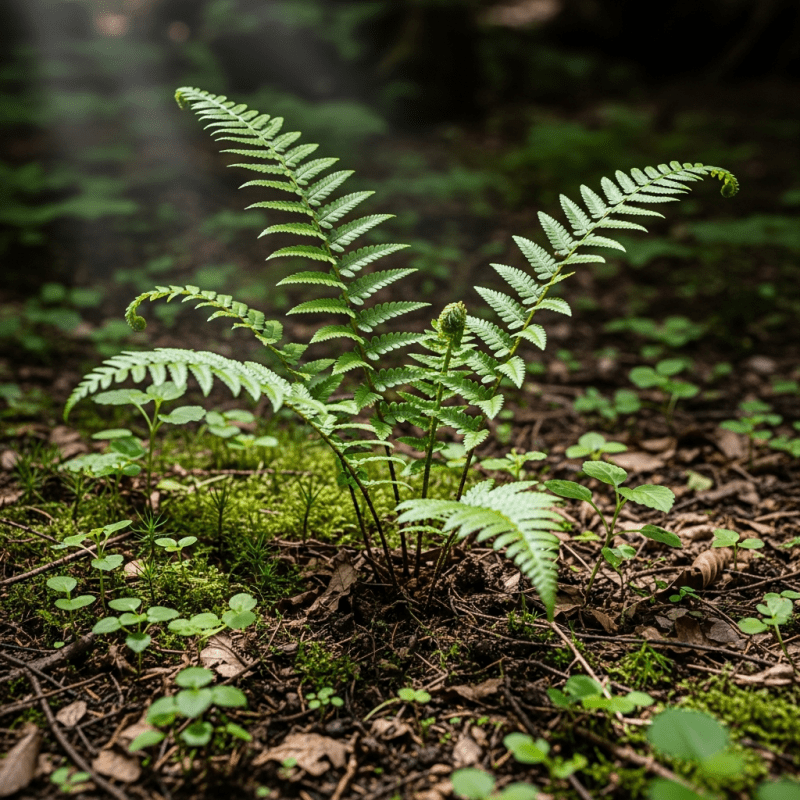
Soft cotton tee, unisex sizes
Buy ShirtWhile Pteris vittata does not have widely documented cultural or symbolic roles, its importance in modern environmental science and horticulture highlights its emerging significance as a natural ally in pollution mitigation and green landscaping.
Like all true ferns, Pteris vittata reproduces via spores produced in sori along the frond margins. These spores disperse to develop into independent gametophytes, which then produce gametes for fertilization, leading to the growth of new sporophyte plants. This alternation of generations allows it to colonize new habitats effectively.

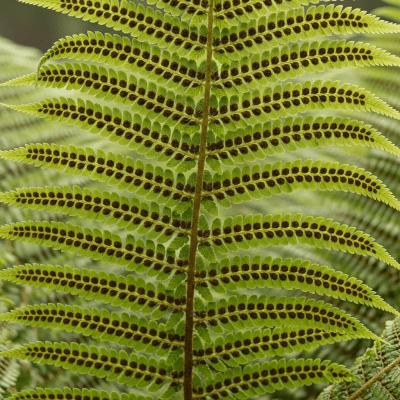
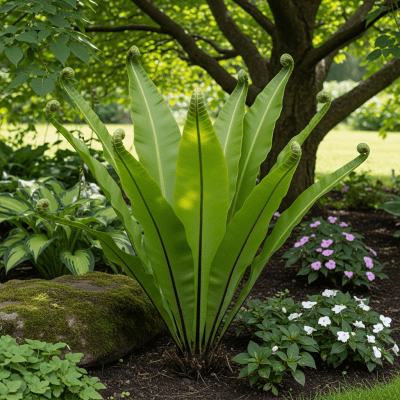
Pteris vittata plays a significant ecological role in stabilizing disturbed soils and rocky substrates, especially in calcareous environments. Its arsenic hyperaccumulation aids in detoxifying contaminated sites, thereby contributing to ecosystem health and biodiversity recovery in polluted areas.
This species is not currently considered threatened, benefiting from a wide native range across tropical and subtropical Asia and adaptability to disturbed habitats. Its stable populations and use in phytoremediation projects support its ongoing conservation status.
While Pteris vittata itself is the primary species of interest, minor infraspecific varieties such as Pteris vittata var. longifolia and var. minor have been recognized regionally. It is also known by common names like Chinese brake and ladder brake, reflecting its popularity in horticulture and environmental applications.