
Bracken
Pteridium aquilinum, commonly known as bracken, is a widespread terrestrial fern recognized for its large, coarse fronds and aggressive colonization of disturbed habitats across most continents.
Pteridium aquilinum, commonly known as bracken, is a widespread terrestrial fern recognized for its large, coarse fronds and aggressive colonization of disturbed habitats across most continents.
First described by Carl Linnaeus in 1753 as Pteris aquilina, this fern was later reclassified by Friedrich Kuhn in 1879 under the genus Pteridium. Its type specimen originates from Europe, likely Sweden, reflecting its broad native range that spans Africa, Asia, Europe, the Americas, and Oceania.
Pteridium aquilinum belongs to the family Dennstaedtiaceae within the order Polypodiales, class Polypodiopsida, division Monilophyta. It is part of the true ferns clade, characterized by vascular, spore-bearing plants with distinctive fronds and sori.
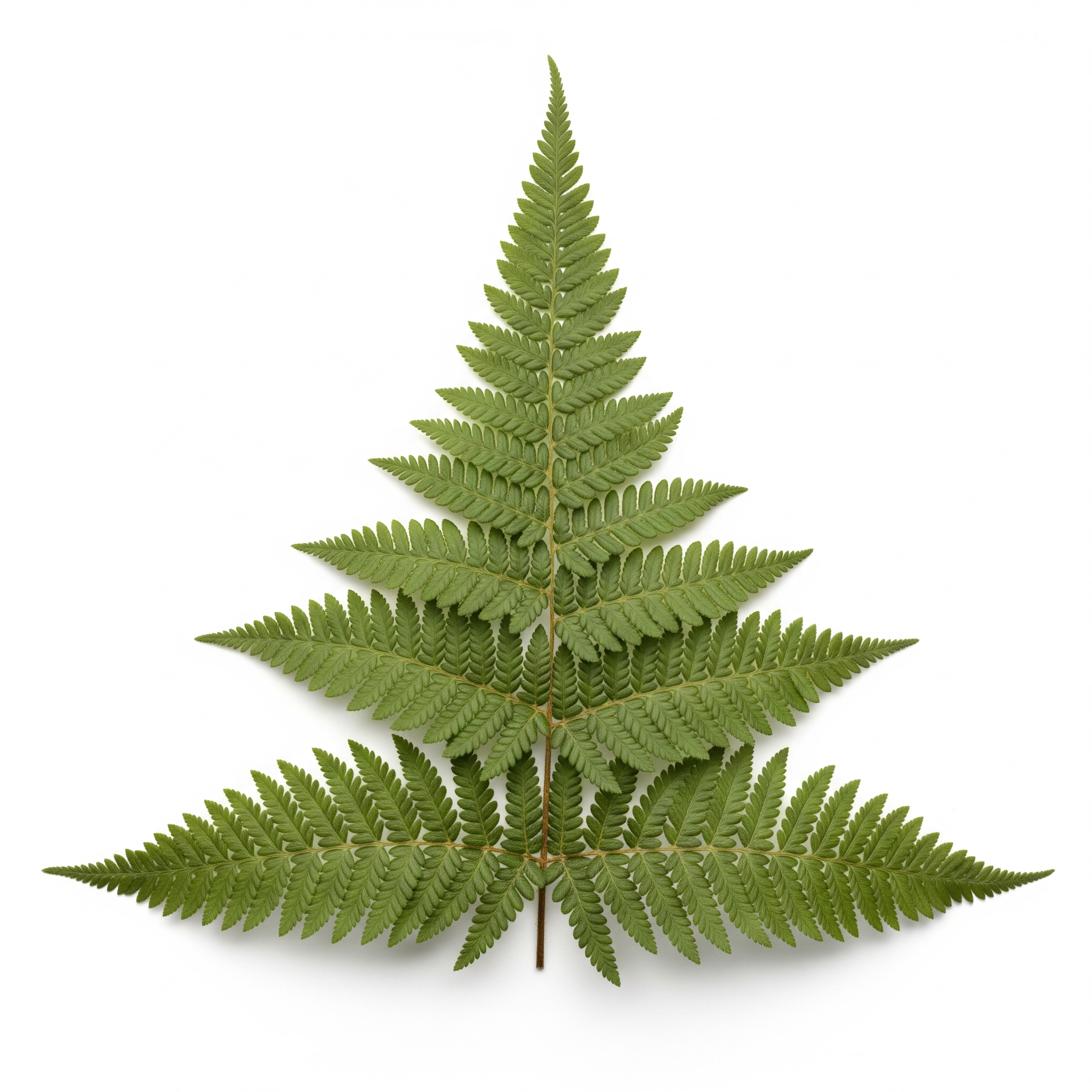
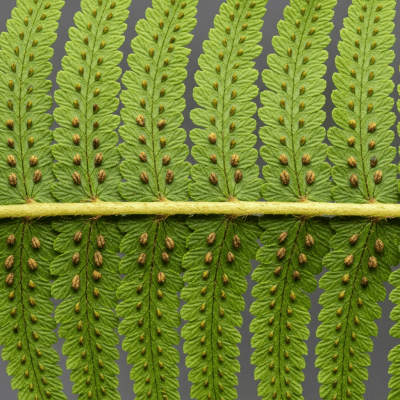
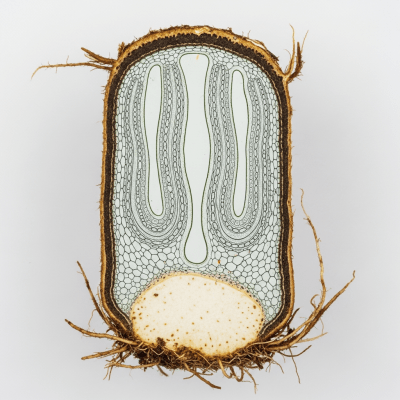
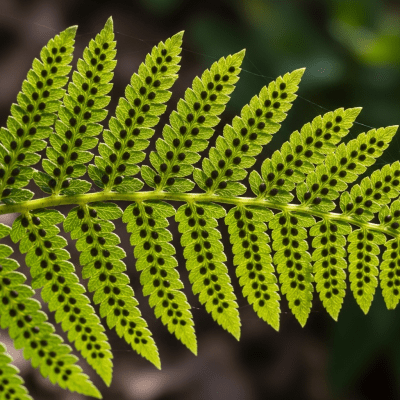
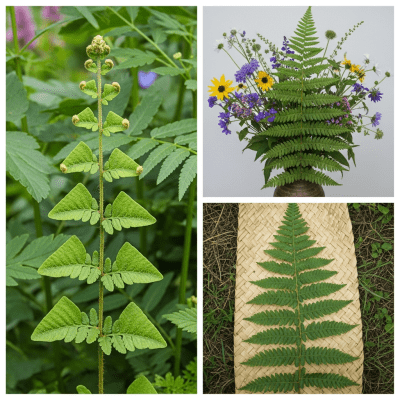
This fern features large, deciduous fronds reaching 2 to 3 meters in height, typically bipinnate to tripinnate with a leathery texture and a prominent midrib. Its long-creeping, subterranean rhizomes enable rapid vegetative spread. The sori are linear, positioned near the frond margins, and shielded by recurved leaf edges forming a false indusium.
Pteridium aquilinum is a highly adaptable and aggressive colonizer, thriving in a wide range of soils and light conditions from full sun to shade. It spreads predominantly through its extensive rhizome network, often forming dense monospecific stands that suppress other vegetation via allelopathic effects. While young fronds are consumed in some East Asian cuisines after careful processing, the plant contains carcinogenic compounds making it hazardous if ingested without preparation. It is also valued ornamentally for its robust foliage and ecological role in soil stabilization.
Bring this kind into your world illustrated posters, mugs, and shirts.
Archival print, museum-grade paper
Buy Poster
Stoneware mug, dishwasher safe
Buy Mug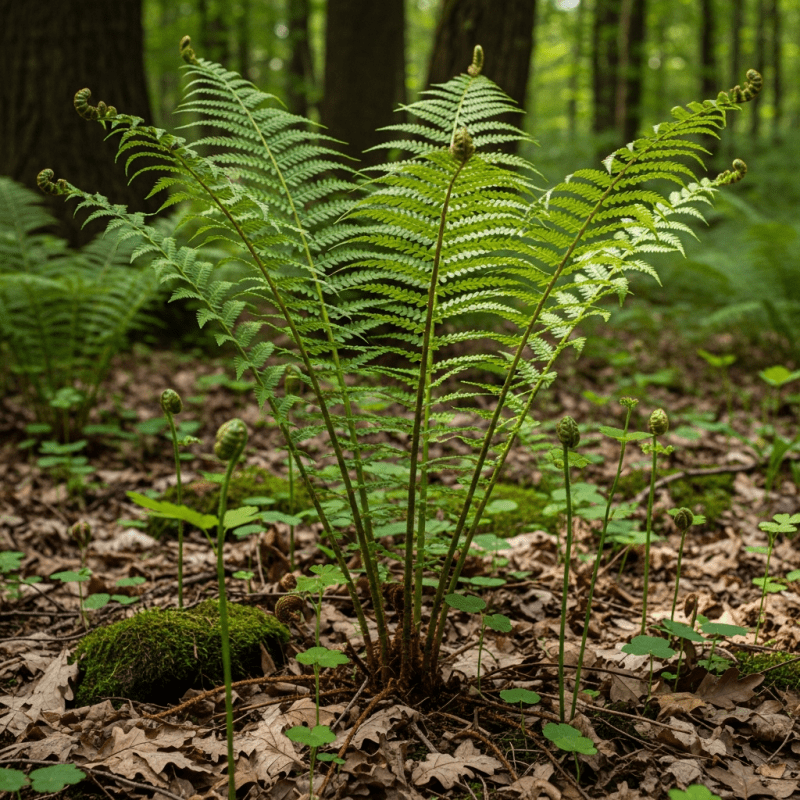
Soft cotton tee, unisex sizes
Buy ShirtKnown as "warabi" in Japan and featured in traditional dishes like warabi-mochi, bracken holds cultural importance in East Asia despite concerns over its toxicity. In Europe and other regions, it is commonly called "bracken" or "eagle fern," appearing in folklore and natural landscapes. Its presence in gardens and landscaping reflects both aesthetic appreciation and recognition of its hardy nature.
Pteridium aquilinum reproduces via spores produced in linear sori along the frond margins, protected by a false indusium. Spores disperse to germinate into independent gametophytes, which then produce gametes for fertilization, leading to new sporophyte plants. Vegetative reproduction through its extensive rhizome system allows rapid clonal expansion, often dominating habitats.

Bracken plays a significant ecological role by stabilizing soils and providing habitat for various fauna. Its dense stands influence plant community dynamics through allelopathic suppression of competitors. While beneficial in some contexts, it can become invasive, altering ecosystems and reducing biodiversity, especially in disturbed or managed landscapes.
Due to its widespread distribution and robust growth, Pteridium aquilinum is not currently considered threatened. Its resilience to environmental stresses and ability to colonize disturbed areas contribute to its stable conservation status globally. However, its invasive tendencies pose management challenges in certain regions.
While Pteridium aquilinum itself is a broadly recognized species, taxonomic treatments vary, with some authorities recognizing subspecies or segregate species such as Pteridium esculentum in Australasia and Pteridium latiusculum in North America. No widely registered cultivars exist due to its aggressive growth habit and ecological impact.