
Brake Fern Family
Pteridaceae is a large and diverse family of ferns known for their often highly divided fronds and adaptability to a wide range of habitats, from tropical rainforests to arid rocky slopes.
Pteridaceae is a large and diverse family of ferns known for their often highly divided fronds and adaptability to a wide range of habitats, from tropical rainforests to arid rocky slopes.
The family Pteridaceae was first formally described in 1809 by Carl Ludwig Willdenow, anchored by the type genus Pteris. Over time, especially with advances in molecular phylogenetics, its circumscription has expanded to include several formerly separate families, reflecting its complex evolutionary history.
Pteridaceae belongs to the order Polypodiales within the class Polypodiopsida and division Monilophyta. It encompasses over 50 genera and roughly 950 to 1200 species worldwide. Modern classifications, such as those by the Pteridophyte Phylogeny Group, recognize a broad circumscription that includes former families like Adiantaceae and Cheilanthaceae.
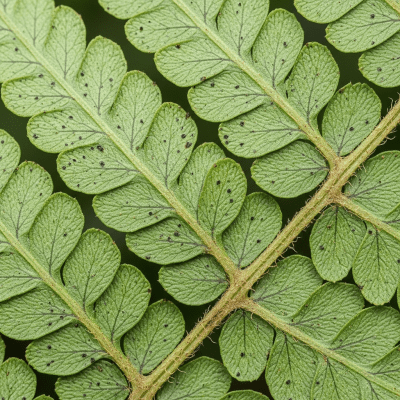
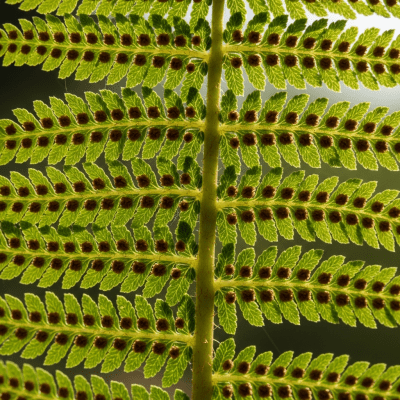
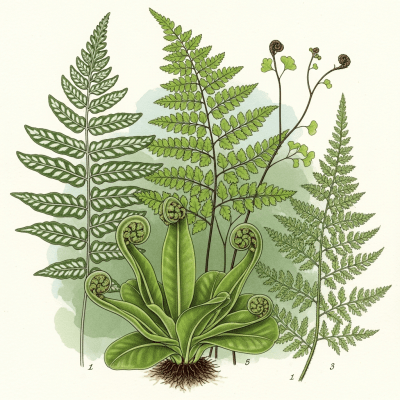
Members of Pteridaceae display remarkable morphological diversity. Their fronds range from pinnate to multipinnate, with laminae varying from leathery to delicate textures. Sori are typically marginal or submarginal and often protected by false indusia formed from reflexed leaf margins, while true indusia are generally absent. Rhizomes may be creeping or erect and are commonly covered with scales. Some genera exhibit adaptations to dry environments, such as reduced frond size and thickened cuticles, whereas others thrive in moist, shaded habitats.
Pteridaceae ferns serve primarily ornamental purposes, with genera like Adiantum and Pteris widely cultivated for their attractive foliage. Ecologically, certain species such as Pteris vittata are notable for their ability to hyperaccumulate arsenic, making them valuable in phytoremediation efforts. While edible uses are rare, some local traditions consume young fronds of certain Cheilanthes species.
Bring this kind into your world illustrated posters, mugs, and shirts.

Archival print, museum-grade paper
Buy Poster
Stoneware mug, dishwasher safe
Buy Mug
Soft cotton tee, unisex sizes
Buy ShirtAlthough Pteridaceae ferns are prominent in horticulture and ecological applications, their direct cultural or symbolic significance is limited and not widely documented. However, their presence in gardens and restoration projects highlights their valued role in human environments.
Pteridaceae ferns reproduce via spores produced in clusters called sori, typically located along the margins of their fronds. These spores develop into independent gametophytes, which facilitate sexual reproduction through the production of gametes. The resulting fertilized zygote grows into the familiar sporophyte fern plant. This life cycle, alternating between sporophyte and gametophyte generations, is characteristic of all true ferns.


Pteridaceae ferns play vital roles in their ecosystems by stabilizing soil on rocky slopes and contributing to forest understory diversity. Their varied adaptations allow them to colonize challenging environments, supporting biodiversity and offering microhabitats for invertebrates. Additionally, some species aid in detoxifying soils by accumulating heavy metals, thereby enhancing ecosystem health.
While many Pteridaceae species are widespread and not currently threatened, habitat loss and environmental changes pose risks to some localized or specialized taxa. Conservation efforts focus on habitat preservation and monitoring, with ongoing research needed to clarify the status of many species amid taxonomic revisions.
Popular genera within Pteridaceae include Adiantum (maidenhair ferns), cherished for their delicate, fan-shaped fronds, and Pteris (brake ferns), known for their ornamental appeal. Cheilanthes species are notable for their drought tolerance and occasional local culinary use. Several species from these genera are commonly cultivated as houseplants and in gardens worldwide.