
Western Sword Fern
Polystichum munitum, commonly known as the western sword fern, is a robust, evergreen terrestrial fern native to the moist forest understories of western North America.
Polystichum munitum, commonly known as the western sword fern, is a robust, evergreen terrestrial fern native to the moist forest understories of western North America.
First described in 1824 by Kaulfuss as Aspidium munitum, Polystichum munitum’s type specimen was collected in the Pacific Northwest region of the United States. It has since been recognized as a distinct species within the genus Polystichum, reflecting its long-standing presence in the coniferous and mixed forests of this region.
This species belongs to the family Dryopteridaceae within the order Polypodiales, class Polypodiopsida, and division Monilophyta. It is firmly placed in the genus Polystichum, a group known for their characteristic sori and pinnate fronds.
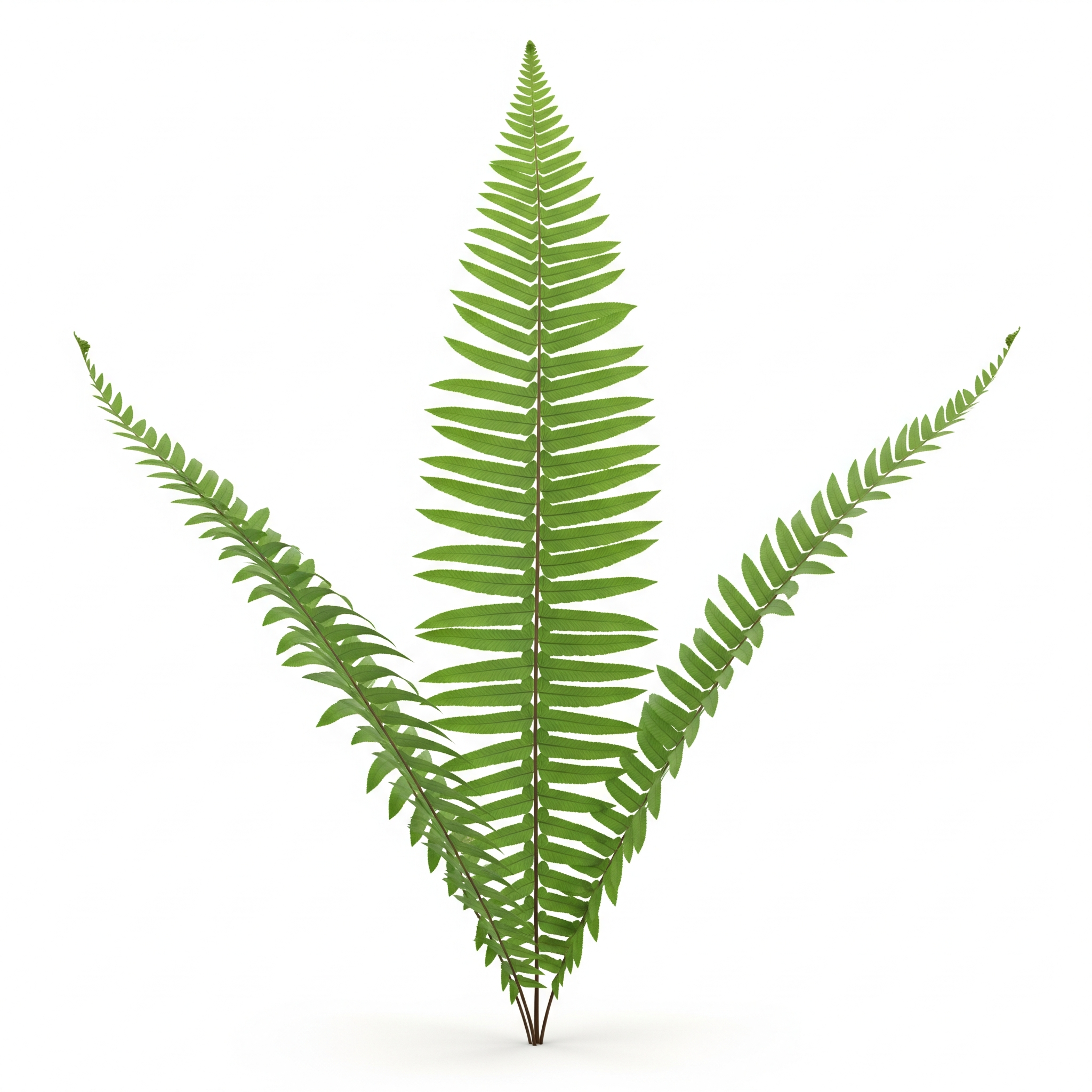
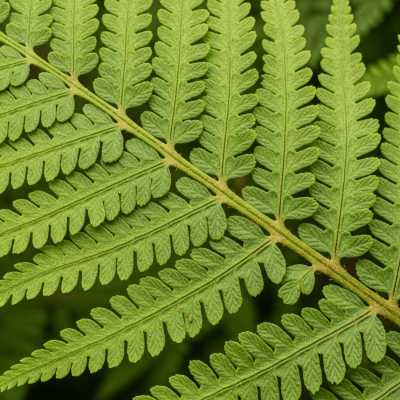
Polystichum munitum features erect, arching fronds that can reach up to 1.5 meters in length. These dark green, leathery fronds are pinnate with narrowly lanceolate leaflets (pinnae) edged with distinctive toothed margins. On the underside of each pinna, round sori are protected by peltate indusia, adding to its textured appearance.
This perennial fern thrives in shaded, moist, and acidic soils, commonly forming extensive colonies in forest understories. It is cold tolerant, resistant to browsing, and valued for its longevity and low maintenance. Widely cultivated, it serves as an ornamental ground cover and shade-tolerant foliage plant, also contributing to erosion control in natural and landscaped settings.
Bring this kind into your world illustrated posters, mugs, and shirts.
Archival print, museum-grade paper
Buy Poster
Stoneware mug, dishwasher safe
Buy Mug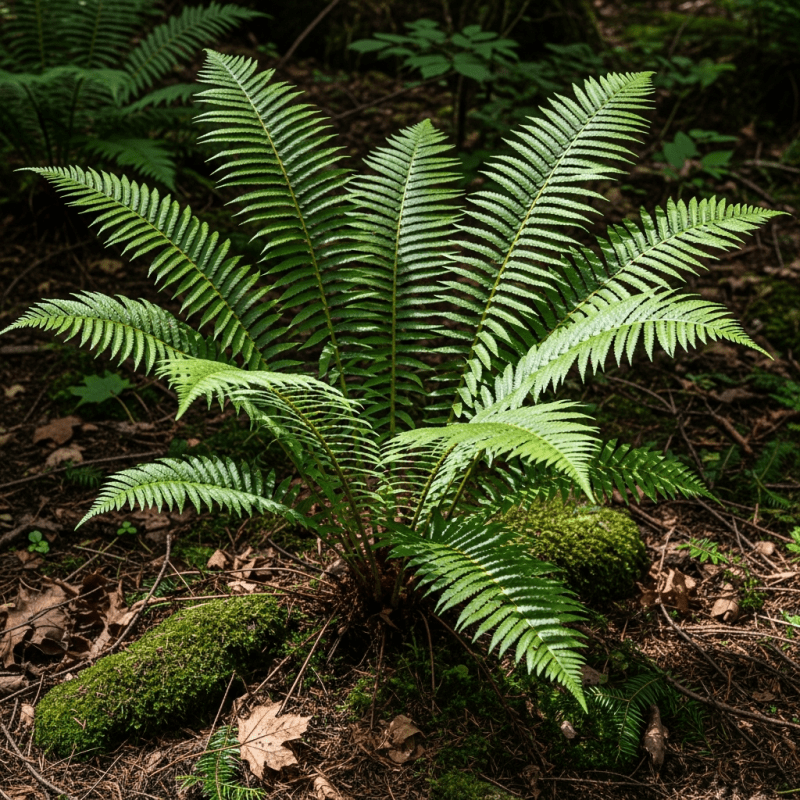
Soft cotton tee, unisex sizes
Buy ShirtWhile Polystichum munitum is primarily appreciated for its ornamental qualities, it holds limited ethnobotanical significance. Indigenous peoples of its native range have used it occasionally for bedding and ceremonial purposes, reflecting a subtle cultural connection to this enduring forest species.
Like all true ferns, Polystichum munitum reproduces via spores produced in round sori on the undersides of its fronds. Spores disperse into the environment, germinating into a small, heart-shaped gametophyte stage that produces gametes. Fertilization leads to the growth of the sporophyte—the familiar leafy fern plant—completing its life cycle. This species also spreads vegetatively, forming extensive colonies through its perennial growth.

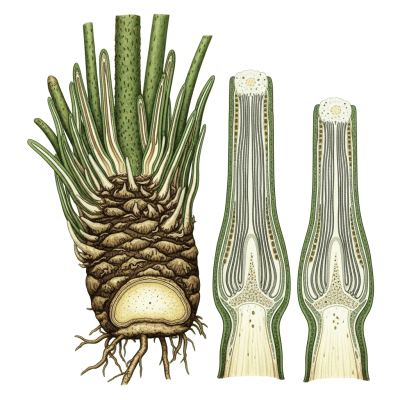

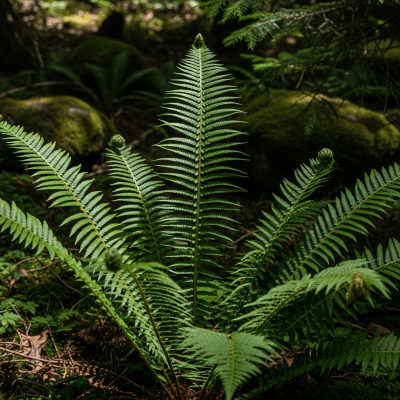
Polystichum munitum plays a vital role in forest ecosystems as a dominant understory fern. It stabilizes soil and prevents erosion, provides habitat and cover for small wildlife, and contributes to the forest’s moisture retention. Its shade tolerance allows it to thrive beneath dense canopies, supporting biodiversity and forest health.
Currently, Polystichum munitum faces no significant conservation threats and maintains stable populations across its native range. Its adaptability and widespread distribution in protected forest habitats contribute to its secure status, with no major conservation concerns identified.
While Polystichum munitum itself is widely cultivated, there are no notable registered cultivars or varieties commonly distinguished in horticulture. It remains prized for its natural form as the western sword fern, a staple in temperate garden and landscape design.