
Common Polypody
Polypodium vulgare, commonly known as the common polypody, is a small to medium-sized evergreen fern native to Europe, western Asia, and North Africa, recognized for its leathery pinnatifid fronds and creeping rhizomes.
Polypodium vulgare, commonly known as the common polypody, is a small to medium-sized evergreen fern native to Europe, western Asia, and North Africa, recognized for its leathery pinnatifid fronds and creeping rhizomes.
First described by Carl Linnaeus in 1753, Polypodium vulgare was documented in his seminal work Species Plantarum. Its type specimen, collected in Europe, anchors its identity within the rich temperate flora of the continent, where it naturally inhabits rocky and arboreal substrates.
This species belongs to the genus Polypodium within the family Polypodiaceae, order Polypodiales, class Polypodiopsida, and division Monilophyta. It is a representative of the true ferns, or monilophytes, a diverse group of vascular, spore-bearing plants characterized by fronds and sori.
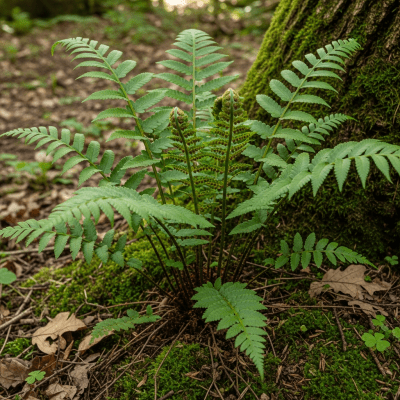
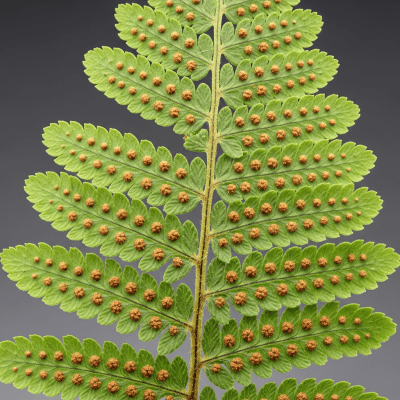
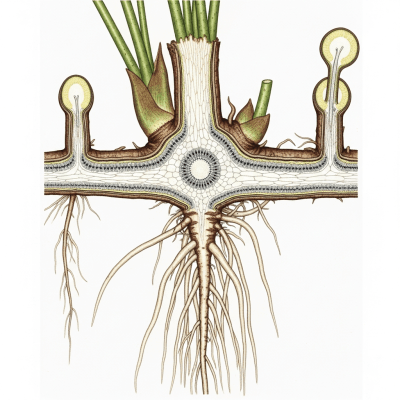
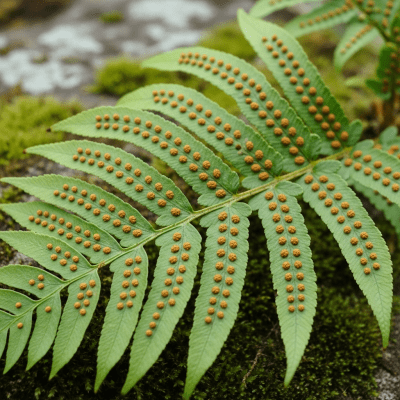
Polypodium vulgare features evergreen fronds ranging from 10 to 50 centimeters long, with a simple pinnatifid shape and a leathery texture. Its creeping, scaly rhizomes anchor it to substrates such as rocks and tree trunks. The round sori, lacking protective indusia, are arranged on the undersides of the pinnae, lending the fern its distinctive reproductive pattern.
This perennial fern spreads slowly through its creeping rhizomes and thrives in shaded, well-drained acidic environments. It tolerates drought and urban pollution, making it a resilient choice for shaded rock gardens and green roofs. Historically, its rhizomes were used as a mild laxative and flavoring in traditional medicine, though it is primarily valued today for ornamental purposes.
Bring this kind into your world illustrated posters, mugs, and shirts.

Archival print, museum-grade paper
Buy Poster
Stoneware mug, dishwasher safe
Buy Mug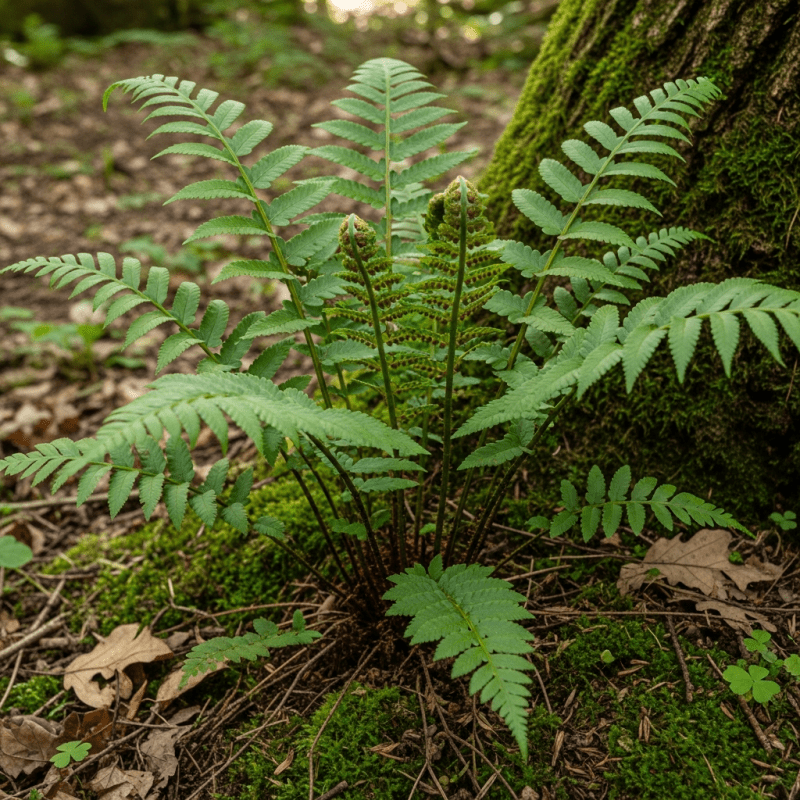
Soft cotton tee, unisex sizes
Buy ShirtWhile Polypodium vulgare holds limited direct cultural symbolism, it has long been appreciated in temperate gardens for its elegant foliage and adaptability. Its presence in woodland and rocky habitats contributes to the natural heritage of European landscapes, subtly enriching biodiversity and garden aesthetics alike.
Polypodium vulgare reproduces through spores produced in clusters called sori on the underside of its fronds. These spores disperse to develop into independent gametophytes, which then produce gametes for fertilization. The resulting sporophyte grows into the familiar leafy fern. This life cycle, alternating between gametophyte and sporophyte stages, is typical of true ferns.

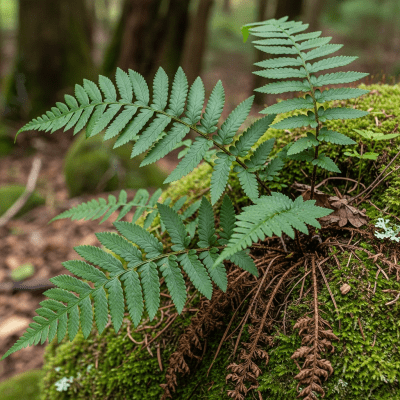
This fern plays a vital role in temperate ecosystems by stabilizing soil and rock surfaces with its creeping rhizomes. It provides microhabitats for invertebrates and contributes to biodiversity within woodland and rocky environments. Its tolerance of shade and drought allows it to occupy niches where few other plants thrive, supporting ecological balance.
Polypodium vulgare is not currently evaluated by the IUCN and is considered widespread and stable across its native range. Its resilience to environmental stresses and adaptability to various habitats reduce immediate conservation concerns, though ongoing monitoring is advisable due to habitat changes and taxonomic complexities.
Within the genus Polypodium, Polypodium vulgare is the most widely recognized species. Several varieties have been described, such as Polypodium vulgare var. prionodes and var. serratum, though taxonomic opinions vary. Related species like Polypodium cambricum are sometimes treated as distinct, reflecting ongoing research into this complex group.