Staghorn Fern
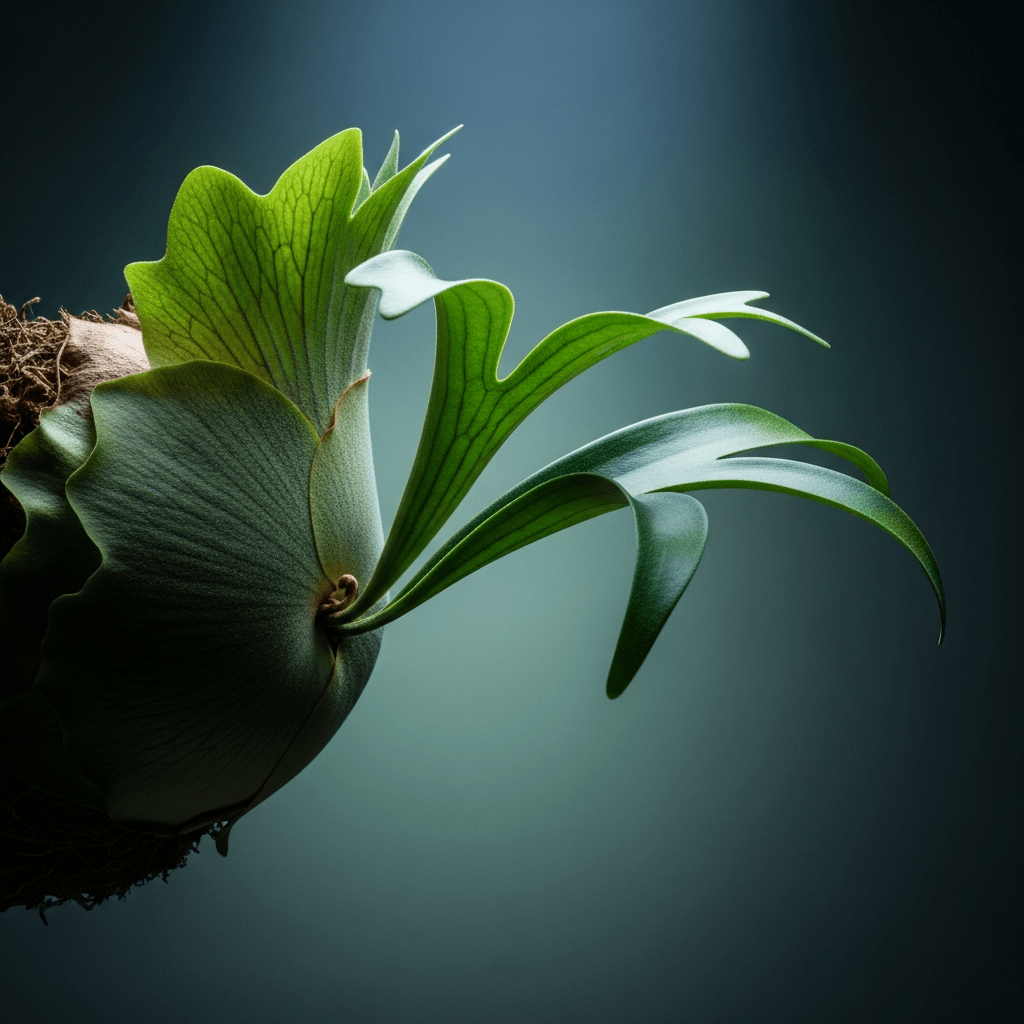
Platycerium bifurcatum, commonly known as the staghorn fern, is a distinctive epiphytic fern famed for its bifurcated fronds that resemble the antlers of a stag, making it a popular ornamental species worldwide.
Platycerium bifurcatum, commonly known as the staghorn fern, is a distinctive epiphytic fern famed for its bifurcated fronds that resemble the antlers of a stag, making it a popular ornamental species worldwide.
First described in 1786 by Johann Georg Adam Forster, Platycerium bifurcatum traces its origins to the humid forests of eastern Australia, particularly New South Wales. Its type specimen was collected in this region, marking the beginning of its scientific recognition.
This species belongs to the kingdom Plantae and is classified within the division Monilophyta, class Polypodiopsida, order Polypodiales, family Polypodiaceae, and genus Platycerium. It is firmly placed among true ferns, known for their vascular, spore-bearing nature and characteristic fronds.
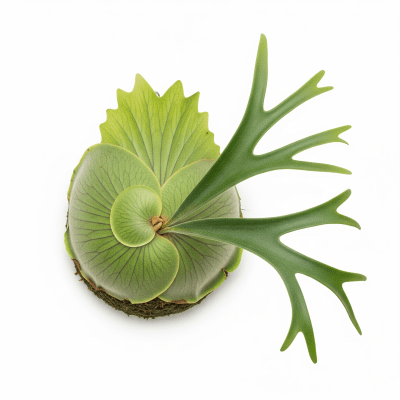
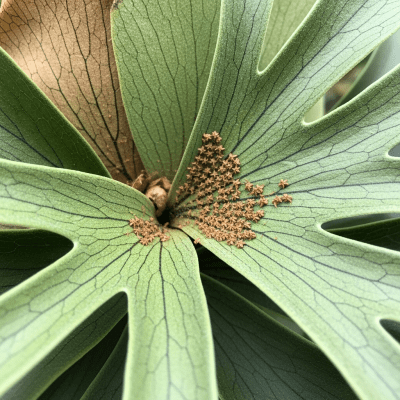
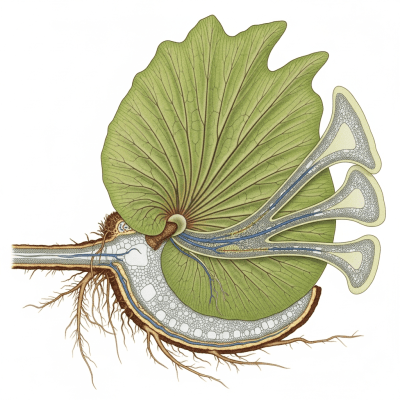
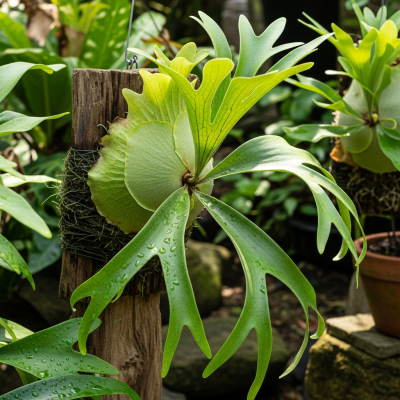
Platycerium bifurcatum exhibits a unique growth form as an epiphyte, typically anchoring itself to tree trunks or branches. It features two distinct frond types: basal fronds that are rounded and shield-like, serving as protective structures, and fertile fronds that are deeply lobed and bifurcated, evocative of stag antlers. Mature plants can span up to one meter in width, offering a striking visual presence.
This fern thrives in humid forest environments with filtered light and well-drained substrates. Adaptable and resilient, it tolerates moderate humidity and occasional drought. Widely cultivated as a houseplant and landscape specimen, it is valued for its ornamental appeal. Additionally, it plays a role in ecological restoration projects by reestablishing epiphytic communities in native habitats.
Bring this kind into your world illustrated posters, mugs, and shirts.
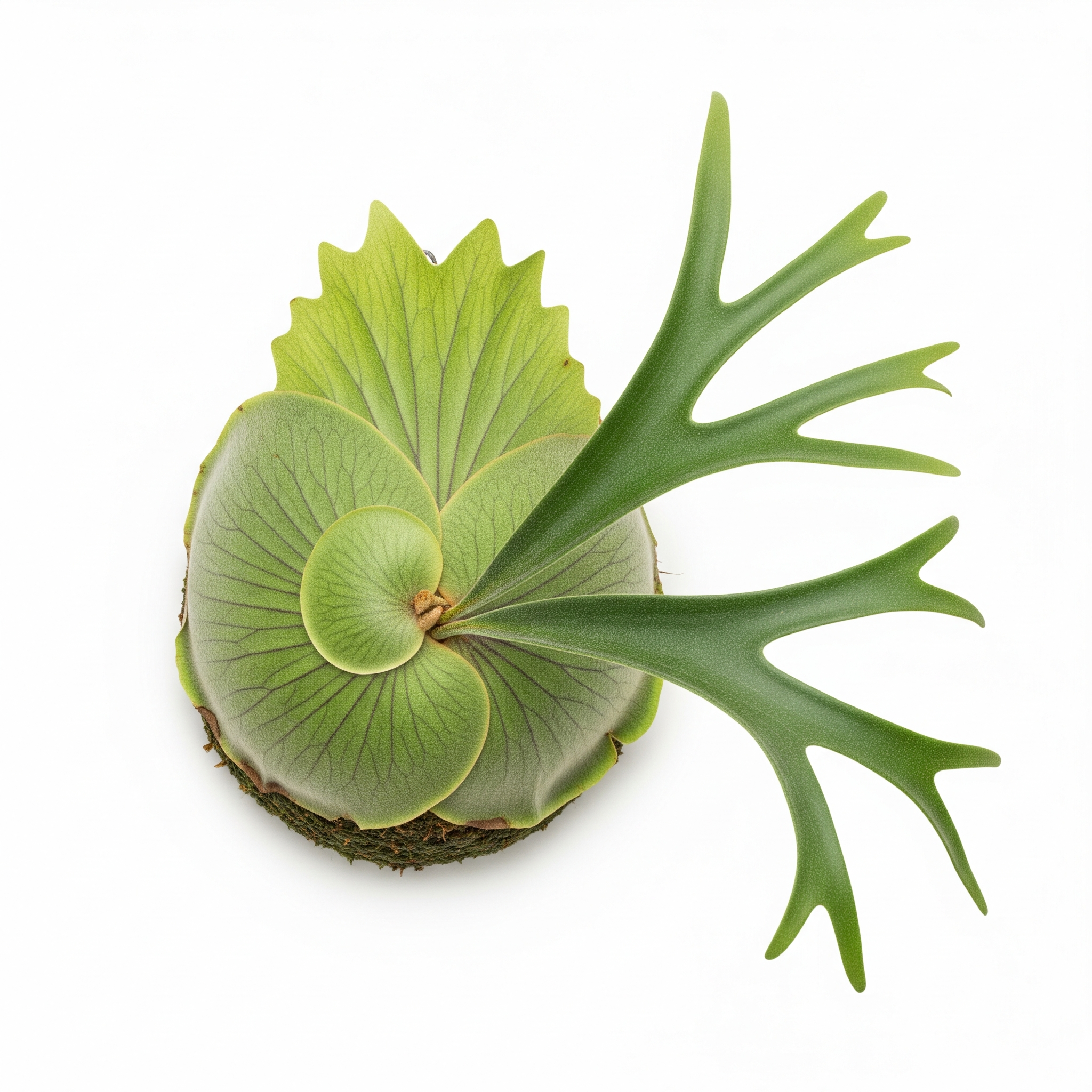
Archival print, museum-grade paper
Buy Poster
Stoneware mug, dishwasher safe
Buy Mug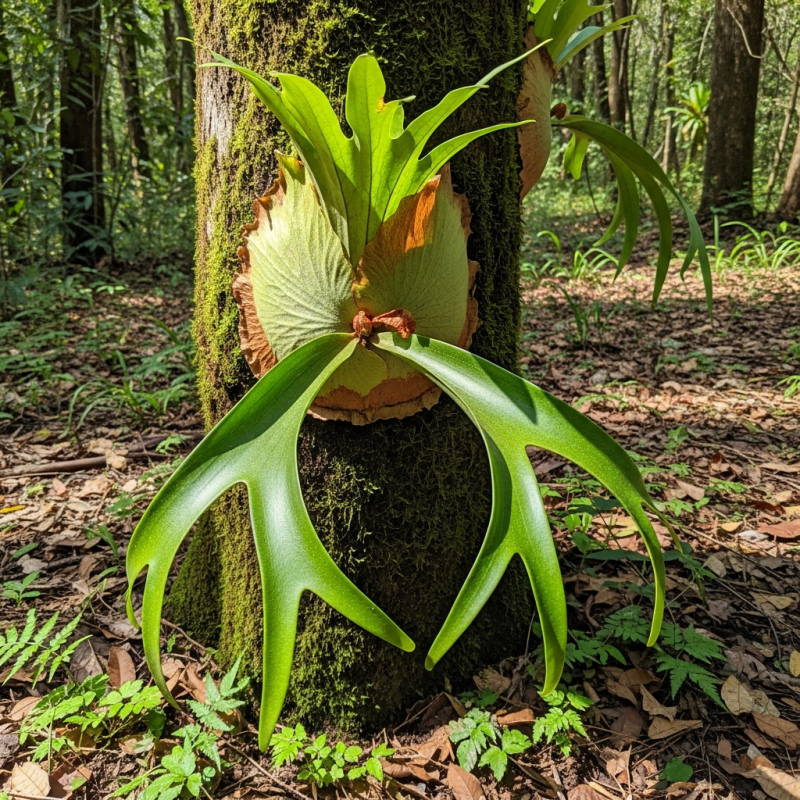
Soft cotton tee, unisex sizes
Buy ShirtWhile Platycerium bifurcatum lacks extensive documented cultural symbolism, its striking antler-like fronds have made it a favored subject in horticulture and decorative arts, often symbolizing natural elegance and forest vitality in modern garden design.
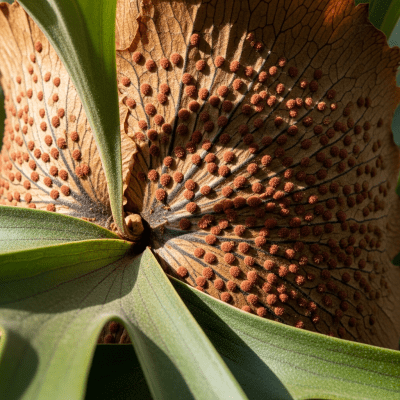
Like all true ferns, Platycerium bifurcatum reproduces via spores rather than seeds. Spores develop on the undersides of fertile fronds and disperse into the environment, where they germinate into a gametophyte stage. This independent phase produces gametes that fuse to form a new sporophyte, completing the life cycle. Propagation in cultivation often involves spore sowing or division of mature plants.

As an epiphyte, Platycerium bifurcatum contributes to forest biodiversity by providing habitat and microenvironments on tree surfaces. It participates in nutrient cycling within humid forest ecosystems and supports various invertebrates. Its presence enhances structural complexity and promotes epiphytic community diversity.
Currently, Platycerium bifurcatum enjoys a stable taxonomic status and is not considered threatened. Its wide native range and adaptability have allowed it to thrive both in the wild and under cultivation. However, habitat preservation remains important to maintain natural populations.
Platycerium bifurcatum is among the most popular species in the genus Platycerium, renowned for its ornamental value. While numerous horticultural forms and cultivars exist, many are registered through the Royal Horticultural Society. Its widespread cultivation as a houseplant and landscape specimen underscores its enduring popularity.