
Blue Star Fern
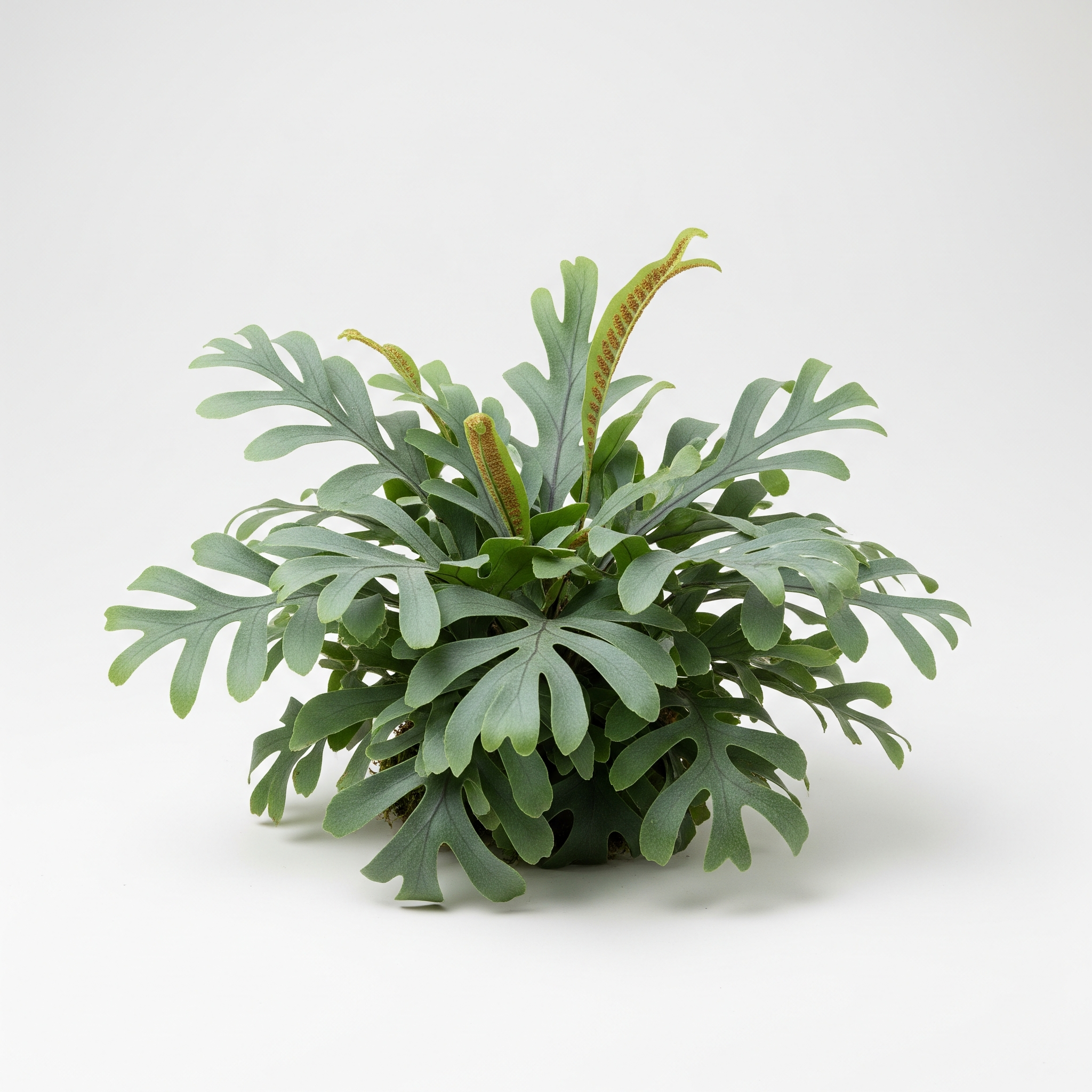
Phlebodium aureum, commonly known as the blue star fern, is an epiphytic fern native to subtropical and tropical regions of the Americas, prized for its distinctive blue-green, wavy fronds and adaptability as a popular houseplant.
Phlebodium aureum, commonly known as the blue star fern, is an epiphytic fern native to subtropical and tropical regions of the Americas, prized for its distinctive blue-green, wavy fronds and adaptability as a popular houseplant.
First described by Carl Linnaeus in 1753 as Polypodium aureum, this species was reclassified as Phlebodium aureum by John Smith in 1842. Its type specimen, collected by Linnaeus himself, is preserved at the Linnean Herbarium (LINN). Native to Florida, the Caribbean, Central America, and northern South America, it thrives in humid forest canopies and rocky habitats.
Phlebodium aureum belongs to the family Polypodiaceae within the order Polypodiales, class Polypodiopsida, division Monilophyta. As a true fern, it is part of the vascular, spore-bearing plants characterized by fronds and sori, fitting within the diverse clade commonly known as ferns.
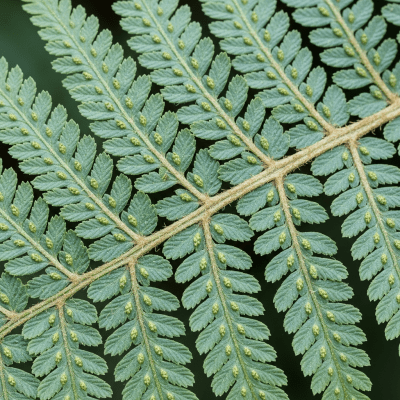
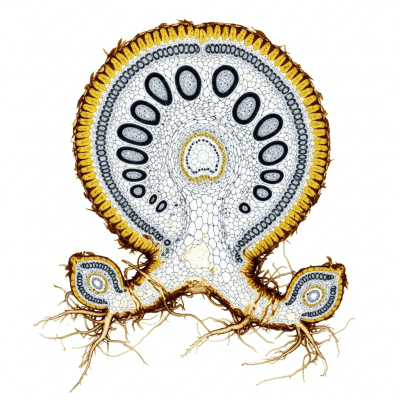
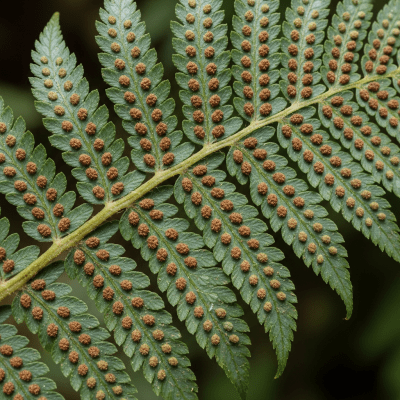
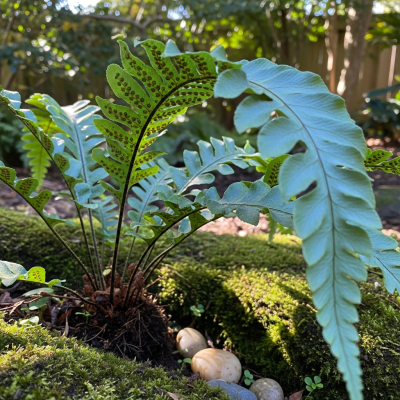
This evergreen fern features creeping, scaly rhizomes from which arise deeply lobed, leathery fronds measuring 30 to 130 cm long. Its hallmark is the striking blue-green to glaucous foliage with undulate, wavy margins and a waxy surface. On the underside of mature fronds, round yellowish sori develop, producing spores for reproduction.
Adapted to humid, shaded environments, Phlebodium aureum often grows epiphytically on trees or lithophytically on rocks. Its tolerance for low light and variable humidity makes it a favored ornamental houseplant and interior landscaping species. While it requires careful watering to avoid overwatering and low humidity stress, it thrives indoors where these conditions are managed.
Bring this kind into your world illustrated posters, mugs, and shirts.
Archival print, museum-grade paper
Buy Poster
Stoneware mug, dishwasher safe
Buy Mug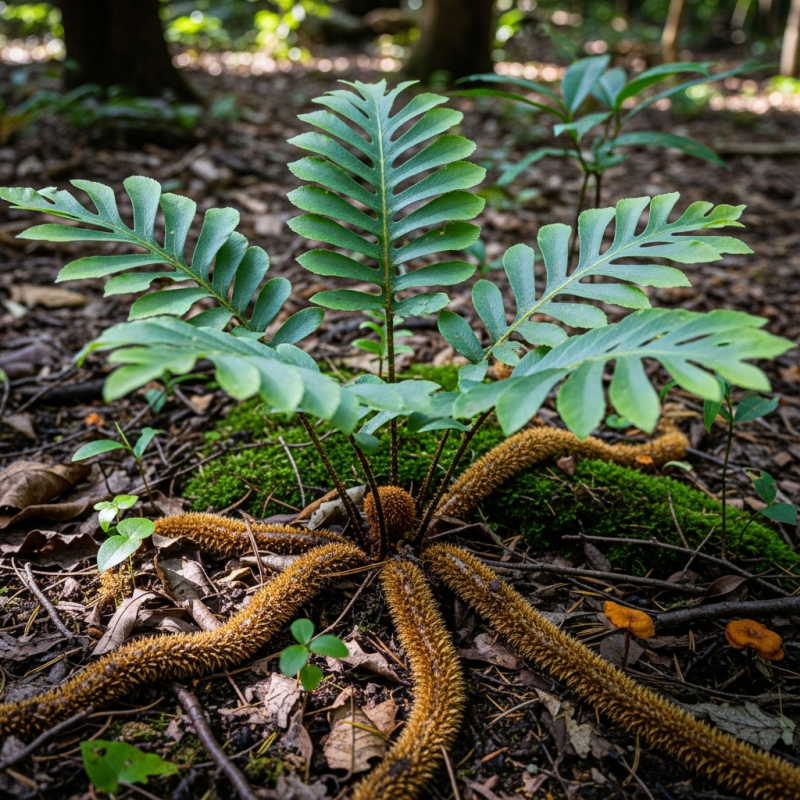
Soft cotton tee, unisex sizes
Buy ShirtThough primarily valued for its ornamental appeal and air-purifying qualities, Phlebodium aureum holds modest cultural importance in some regions where it is used in traditional medicine. However, such uses are limited and not widely recognized in formal pharmacopoeias.
Phlebodium aureum follows the typical fern life cycle, alternating between a sporophyte and a gametophyte phase. Mature fronds bear round sori on their undersides, which release spores into the environment. These spores germinate into small, independent gametophytes that produce gametes for fertilization, leading to the development of new sporophyte plants. This cycle allows it to propagate naturally in its native habitats and supports its cultivation via spore propagation.
In its native subtropical and tropical forests, Phlebodium aureum contributes to canopy biodiversity as an epiphyte, providing microhabitats and moisture retention on host trees. Its presence supports forest ecosystem complexity and helps maintain humidity levels, playing a role in nutrient cycling and habitat structure.
Currently, Phlebodium aureum faces no significant conservation threats and is not listed as endangered. Its wide native distribution and adaptability to cultivation have helped maintain stable populations. Nonetheless, habitat loss in tropical regions could impact local occurrences, underscoring the value of habitat preservation.
The species itself is widely cultivated under the common name blue star fern, prized for its unique foliage. While no formally registered cultivars are noted, various horticultural selections emphasize frond size and coloration. It is often confused with related Polypodium species in trade, but Phlebodium aureum remains distinct for its blue-green fronds and epiphytic habit.