Button Fern
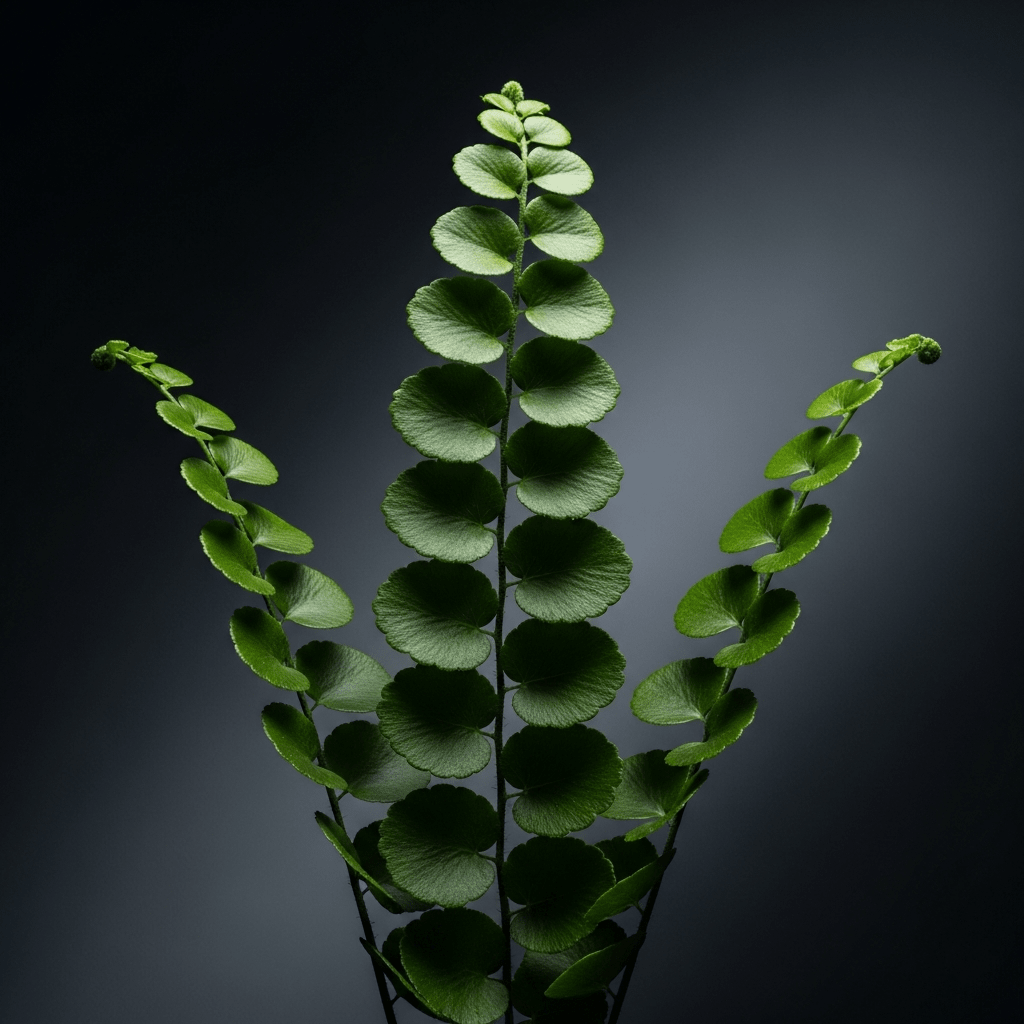
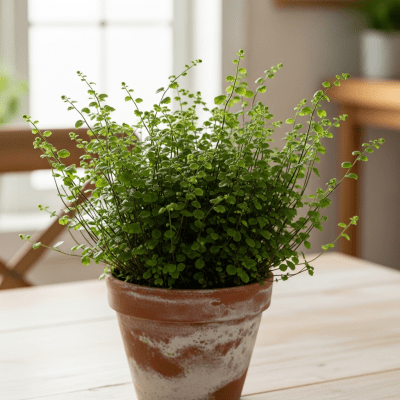
Pellaea rotundifolia, commonly known as the button fern, is a compact evergreen fern prized for its distinctive round leaflets and adaptability as an indoor ornamental plant.
Pellaea rotundifolia, commonly known as the button fern, is a compact evergreen fern prized for its distinctive round leaflets and adaptability as an indoor ornamental plant.
First described in 1786 by Georg Forster from specimens collected in New Zealand, Pellaea rotundifolia is native to both the North and South Islands of this island nation. Its type locality is recorded as "Novae Zelandiae," reflecting its endemic status and long botanical recognition.
This species belongs to the family Pteridaceae, subfamily Cheilanthoideae, within the order Polypodiales. It is classified in the genus Pellaea, a group of terrestrial ferns known for their hardy nature and diverse leaf forms.
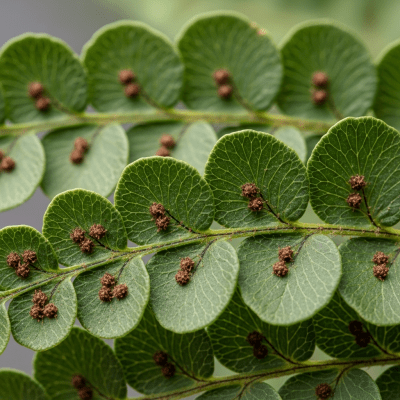
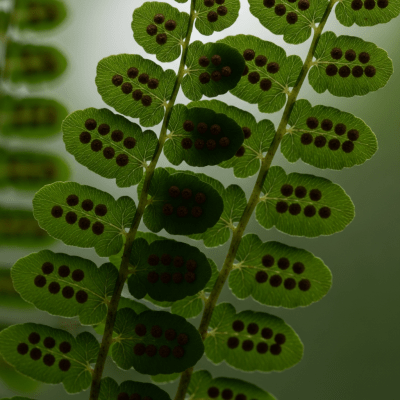
Pellaea rotundifolia is a small terrestrial fern, typically growing 30 to 45 cm tall. Its fronds are pinnate, featuring numerous small, round to oval, leathery pinnae measuring 0.5 to 2 cm in diameter. These dark green, glossy leaflets contrast with arching, wiry stipes that range from dark brown to nearly black. The sori are positioned along the margins of the pinnae and are protected by a reflexed edge forming a false indusium, a subtle but distinctive trait.
Valued primarily as an ornamental, the button fern thrives in well-drained, humus-rich soils under partial shade. It tolerates moderate drought and low humidity, making it especially suited for indoor cultivation and container gardening. Its slow to moderate growth and evergreen habit contribute to its popularity among houseplant enthusiasts. Propagation is typically achieved through spores or division, consistent with general fern cultivation practices.
Bring this kind into your world illustrated posters, mugs, and shirts.

Archival print, museum-grade paper
Buy Poster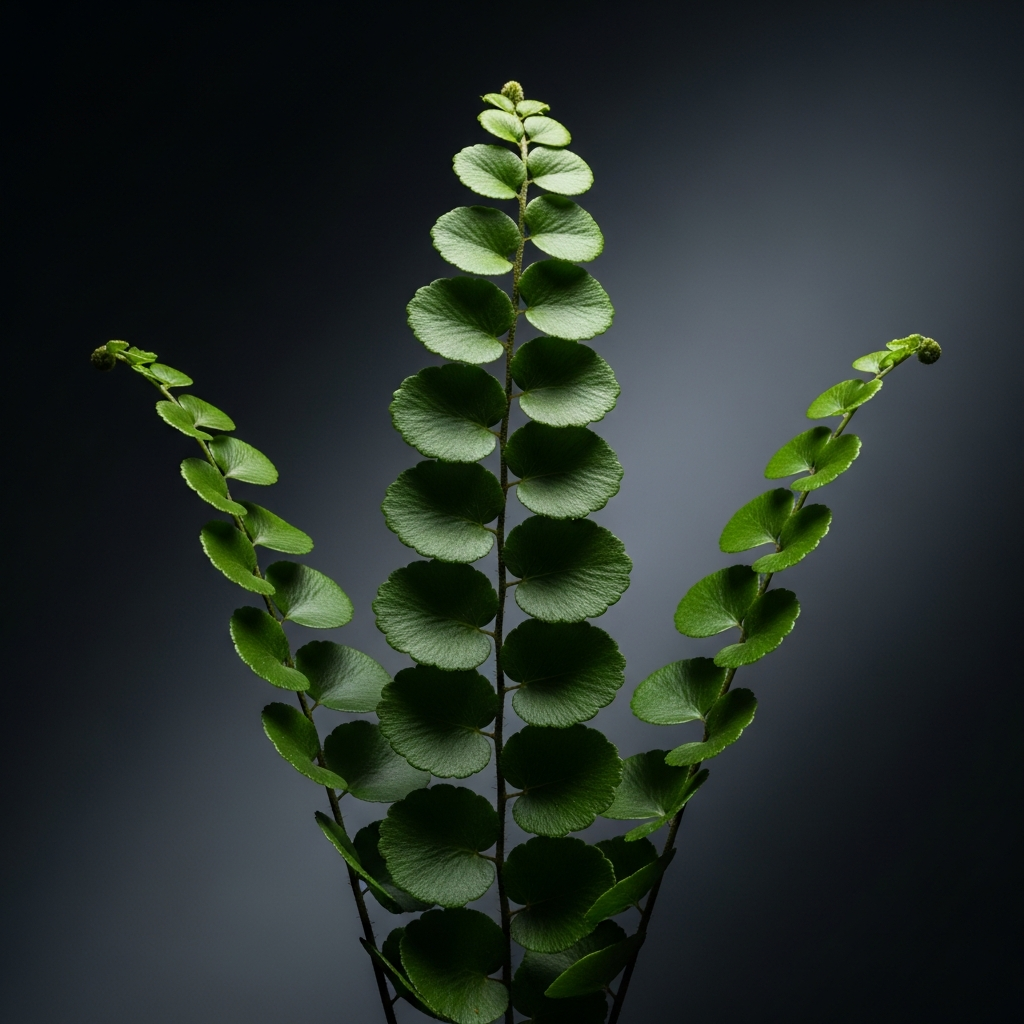
Stoneware mug, dishwasher safe
Buy Mug
Soft cotton tee, unisex sizes
Buy ShirtWhile Pellaea rotundifolia holds no widely documented cultural or symbolic significance, its popularity as a houseplant has made it a familiar and cherished species in modern horticulture, especially in regions outside its native New Zealand.
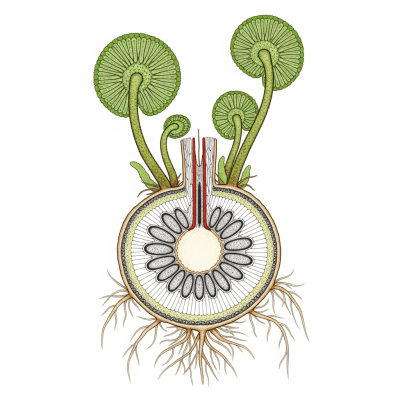
As a true fern, Pellaea rotundifolia reproduces through a life cycle alternating between a sporophyte and a gametophyte phase. Mature fronds bear sori along their margins, where spores develop and are released. These spores germinate into small, independent gametophytes that produce gametes. Fertilization leads to the growth of a new sporophyte, completing the cycle. This spore-based reproduction allows for genetic diversity and dispersal in its native habitat.

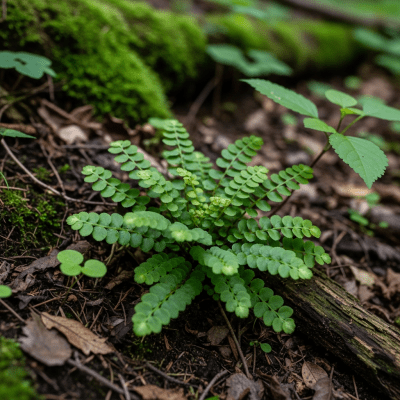
In its native New Zealand habitats, Pellaea rotundifolia contributes to understory biodiversity within forested areas, often occupying well-drained, humus-rich soils. Its evergreen, compact form provides ground cover that helps stabilize soil and maintain microhabitats for invertebrates. Though not a dominant species, it plays a subtle role in supporting ecosystem complexity and health.
Currently, Pellaea rotundifolia faces no significant conservation threats and is not listed as endangered. Its natural populations in New Zealand are stable, and the species benefits from its adaptability and widespread cultivation. No major protection efforts are required at this time.
The button fern itself is the primary species recognized under the name Pellaea rotundifolia. There are no formally registered cultivars or varieties, and while it is occasionally confused with related species such as Pellaea falcata in horticultural trade, it remains distinct for its rounded pinnae and compact growth habit.