
Royal Fern
Osmunda regalis, commonly known as the royal fern, is a large, deciduous fern native to wetlands across Europe, Africa, Asia, and the Americas, prized for its striking bipinnate fronds and distinctive fertile tips.
Osmunda regalis, commonly known as the royal fern, is a large, deciduous fern native to wetlands across Europe, Africa, Asia, and the Americas, prized for its striking bipinnate fronds and distinctive fertile tips.
First described by Carl Linnaeus in 1753, Osmunda regalis serves as the type species of its genus. Its type specimen, collected in Europe, anchors its longstanding recognition in botanical history. This fern's natural lineage spans multiple continents, reflecting a broad and ancient distribution in wetland habitats.
Osmunda regalis belongs to the family Osmundaceae within the order Osmundales, class Polypodiopsida, division Monilophyta. As a true fern, it is part of the vascular, spore-bearing plants known for their characteristic fronds and complex life cycles.
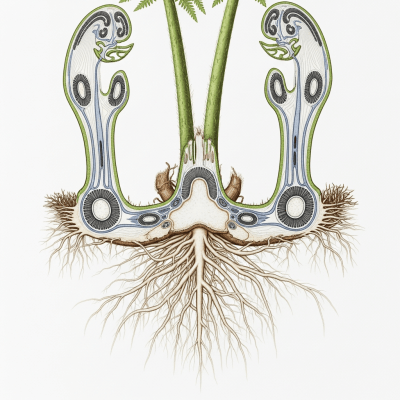
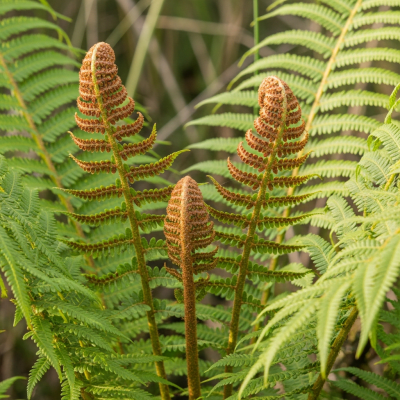
This terrestrial fern grows up to two meters tall, featuring large, bright green bipinnate fronds that emerge in spring and die back in autumn. Its fertile fronds are notable for clusters of rusty-brown sporangia concentrated at their tips. The stout, creeping rhizome often forms expansive clumps, giving the plant a commanding presence in its wetland environment.
Osmunda regalis thrives in acidic, wet soils such as marshes, stream banks, and wet woodlands, tolerating flooding but sensitive to drought and salinity. It is widely cultivated for its architectural foliage and adaptability to garden water features. Propagation occurs through spores and division, allowing it to form large clumps over time. Ecologically, it is used in wetland restoration and erosion control projects.
Bring this kind into your world illustrated posters, mugs, and shirts.
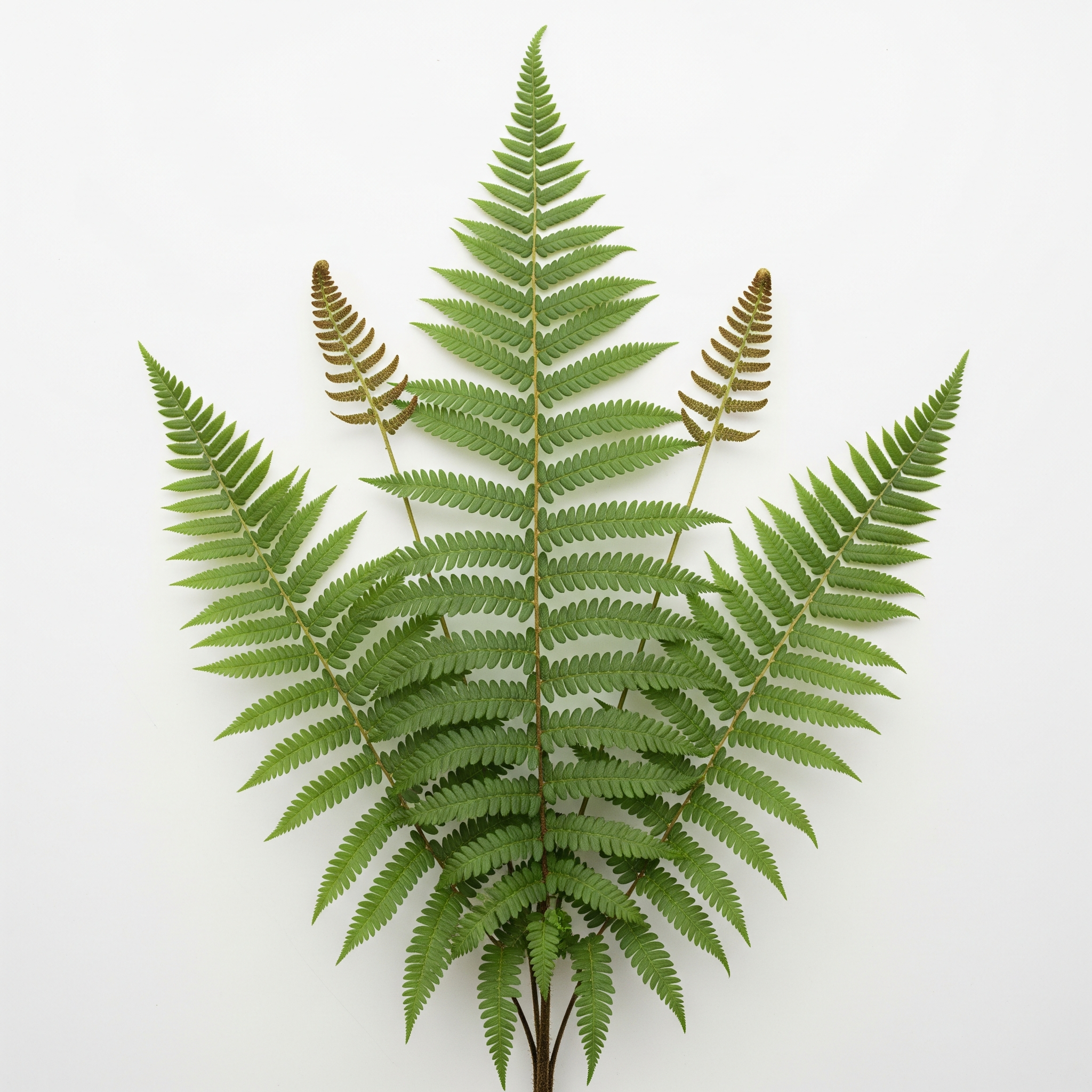
Archival print, museum-grade paper
Buy Poster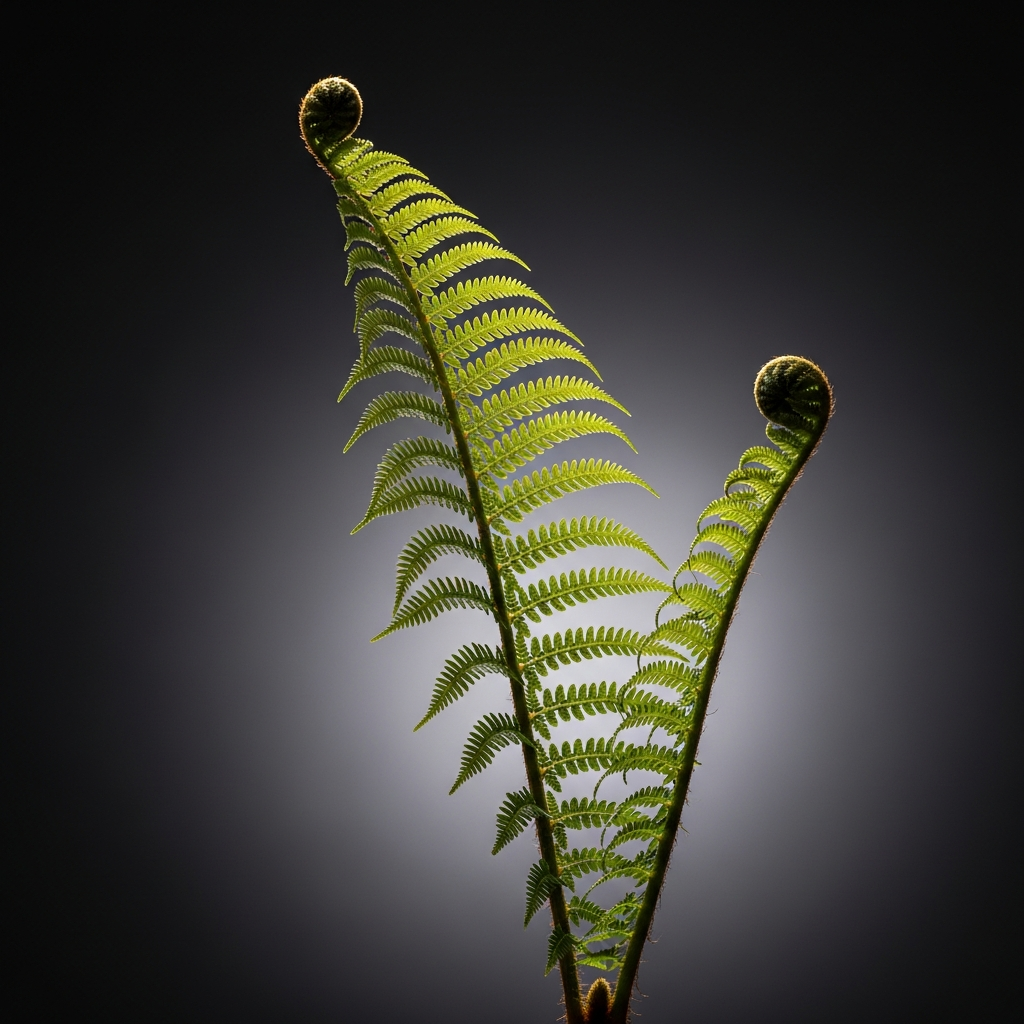
Stoneware mug, dishwasher safe
Buy Mug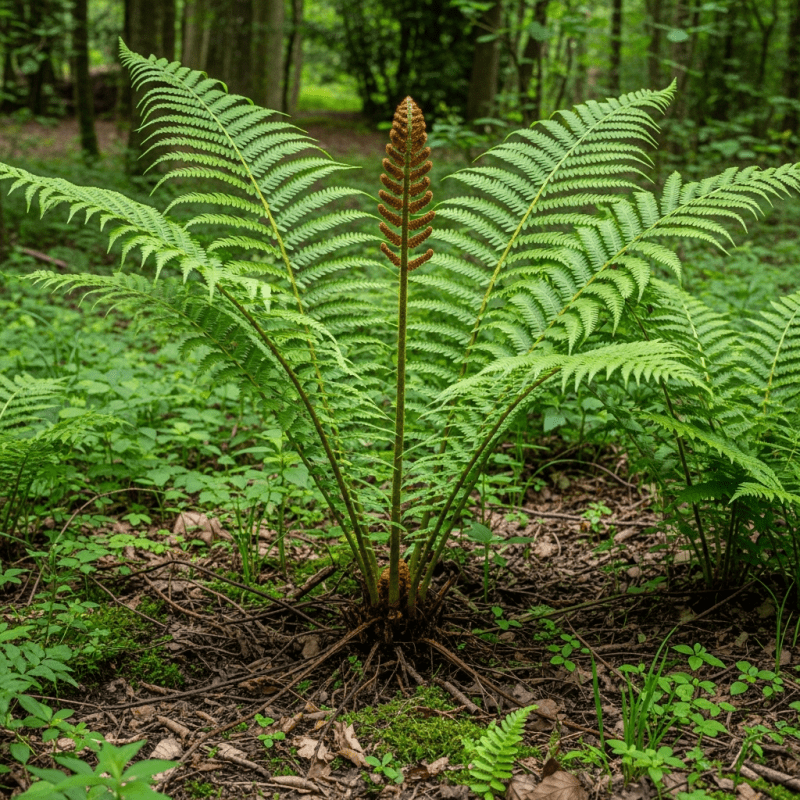
Soft cotton tee, unisex sizes
Buy ShirtWhile Osmunda regalis holds limited direct cultural symbolism, its regal appearance has earned it the common name "royal fern" across many languages. Historically, its rhizomes were used in traditional medicine, though such uses are now rare. Its striking form has made it a favored subject in ornamental horticulture and garden design.
Like all true ferns, Osmunda regalis reproduces via spores produced in sporangia clustered on fertile frond tips. These spores disperse to develop into independent gametophytes, which produce gametes for fertilization. The resulting sporophyte grows into the mature fern, completing the life cycle. This species also spreads vegetatively through its creeping rhizomes, forming large clumps over time.
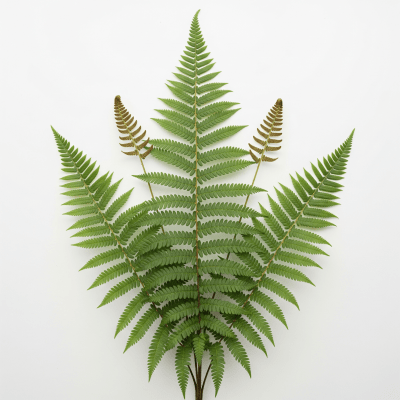



In wetland ecosystems, Osmunda regalis plays a vital role in stabilizing soil and controlling erosion along stream banks and marshes. Its dense clumps provide habitat and shelter for various invertebrates and contribute to biodiversity. The fern also participates in nutrient cycling within acidic, waterlogged soils, supporting the health of wetland communities.
Currently, Osmunda regalis is not considered threatened and enjoys a broad native range. However, it is sensitive to habitat disturbance, desiccation, and changes in wetland hydrology. Conservation efforts focus on protecting wetland habitats and promoting restoration projects where the species supports ecosystem recovery.
The species includes several synonyms reflecting regional variants, such as Osmunda spectabilis in North America and Osmunda japonica in Asia, though these are often treated as part of Osmunda regalis. No widely recognized cultivars exist, but the royal fern remains a popular choice for ornamental planting in wet gardens and restoration projects due to its stately form and adaptability.