Origin Story

First described by Carl Ludwig Willdenow in 1810 from a specimen collected in India, Nephrolepis cordifolia belongs to the genus Nephrolepis, which includes several sword ferns. Its type specimen is preserved at the Berlin Botanical Museum, marking its formal introduction into botanical literature over two centuries ago.

Classification

Nephrolepis cordifolia is classified within the family Nephrolepidaceae, order Polypodiales, class Polypodiopsida, and division Monilophyta. As a true fern, it is part of the vascular, spore-bearing plants known for their fronds and sori, fitting into the broader group commonly referred to as ferns or monilophytes.

Appearance or Form

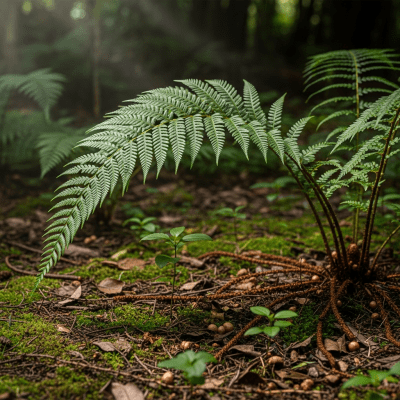
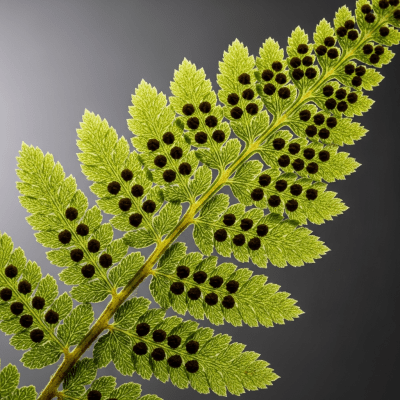
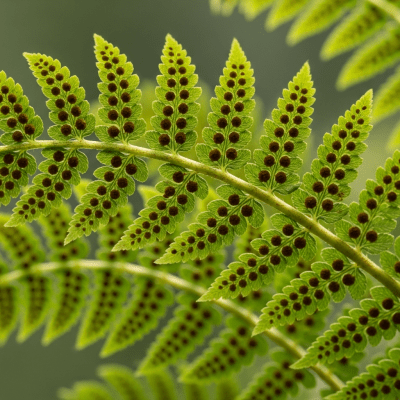
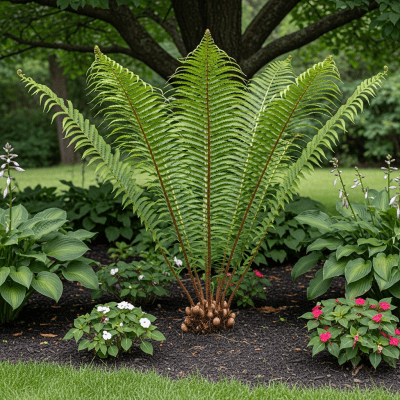
This terrestrial fern features erect to arching pinnate fronds measuring 30 to 90 centimeters long. Its bright green, leathery fronds bear linear pinnae arranged along a prominent rachis. A hallmark of the species is the presence of small, round, starchy tubers along its stolons, which are visible underground and aid in vegetative reproduction. On the underside of the fronds, round sori covered by indusia produce spores, completing its characteristic fern morphology.

Behavior or Usage

Nephrolepis cordifolia thrives in moist, well-drained soils and tolerates a range of light conditions from shade to partial sun. Its robust growth habit and resilience to drought and moderate frost make it a popular choice for ornamental horticulture. It is commonly grown in hanging baskets, containers, and landscape plantings. The species spreads vigorously through both spores and vegetative tubers, which can lead to invasive behavior in some regions.

Merchandise & Prints

Bring this kind into your world � illustrated posters, mugs, and shirts.

Tuberous Sword Fern Tuberous Sword Fern Poster

Tuberous Sword Fern Poster

Archival print, museum-grade paper

Tuberous Sword Fern Tuberous Sword Fern Mug

Tuberous Sword Fern Mug

Stoneware mug, dishwasher safe

Tuberous Sword Fern Tuberous Sword Fern Shirt

Tuberous Sword Fern Shirt

Soft cotton tee, unisex sizes

Attributes & Insights

Taxon-Specific Insights

🌍Cultural Significance

While Nephrolepis cordifolia holds significant ornamental value worldwide, there are no widely documented cultural or symbolic associations. It is primarily appreciated for its aesthetic appeal in horticulture rather than for specific cultural or mythological significance.

📌Notable Facts

  • Distinctive underground tubers enable drought tolerance and vegetative spread.
  • Often marketed under trade names like "tuberous Boston fern" and "sword fern."
  • Naturalized and invasive in regions such as Australia, New Zealand, and parts of the southeastern United States.
  • Sometimes confused with the related Nephrolepis exaltata in horticultural trade.
  • First described scientifically in 1810 by Carl Ludwig Willdenow from India.

🌱Reproduction And Life Cycle

Nephrolepis cordifolia follows the typical fern life cycle, alternating between a sporophyte and a gametophyte phase. Mature fronds bear sori on their undersides, where spores develop and disperse. These spores germinate into small, independent gametophytes that produce gametes for fertilization. Additionally, this species reproduces vegetatively via small, starchy tubers along its stolons, enabling rapid local spread and resilience during adverse conditions.

Visual Variations

High quality, studio-style photograph of a single Nephrolepis cordifolia
Photograph of a Nephrolepis cordifolia, of the taxonomy ferns, shown growing in its natural environment, such as a forest understory or shaded woodland
Detailed macro image of the fronds and leaflets of a Nephrolepis cordifolia, focusing on texture, venation, and sori (spore cases) if visible
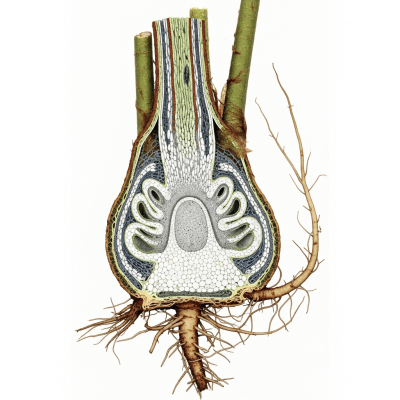
Cross-sectional illustration or photograph of a Nephrolepis cordifolia, showing internal structure such as rhizome, roots, and vascular bundles
Photograph of a mature Nephrolepis cordifolia, with visible sporangia or sori on the underside of its fronds, highlighting its reproductive structures
Image depicting a Nephrolepis cordifolia as traditionally used by humans, such as in ornamental garden settings, floral arrangements, or as part of indigenous cultural practices

Composition & Context

Taxon-Specific Insights

🌿Ecological Roles

In its native and naturalized habitats, Nephrolepis cordifolia contributes to ground cover in moist, shaded environments, helping stabilize soil and retain moisture. Its dense growth can provide habitat for small invertebrates. However, where introduced, its vigorous spread can outcompete native vegetation, altering local biodiversity and ecosystem dynamics.

🛡️Conservation Status

Nephrolepis cordifolia is not currently listed as threatened or endangered. Its widespread distribution and adaptability have led to stable populations globally. In some regions, it is managed as an invasive species due to its aggressive growth and potential to displace native plants.

🌾Popular Species And Varieties

Within the genus Nephrolepis, cordifolia is closely related to the well-known Nephrolepis exaltata, commonly called the Boston fern. While Nephrolepis cordifolia lacks widely registered cultivars, it is often sold under various trade names such as "tuberous Boston fern" and "sword fern" in horticultural markets. These names reflect its popularity as an ornamental fern distinct from other species.

Faq

Q: How does Nephrolepis cordifolia reproduce?
A: It reproduces both by spores produced in sori on the fronds and vegetatively through underground tubers.

Q: Is Nephrolepis cordifolia invasive?
A: Yes, in some regions like Australia and New Zealand, it spreads aggressively and is considered invasive.

Q: What are its light requirements?
A: It tolerates shade to partial sun, making it versatile for various garden settings.