Ostrich Fern
Matteuccia struthiopteris, commonly known as the ostrich fern, is a large, deciduous fern native to temperate regions of Eurasia and North America, recognized for its distinctive tall, plume-like sterile fronds and edible fiddleheads.
Matteuccia struthiopteris, commonly known as the ostrich fern, is a large, deciduous fern native to temperate regions of Eurasia and North America, recognized for its distinctive tall, plume-like sterile fronds and edible fiddleheads.
First described scientifically in 1866 by Todaro, Matteuccia struthiopteris traces its origins to temperate Europe, where the type specimen was collected. It naturally occurs across Eurasia and North America, thriving in moist, shaded habitats such as riverbanks and floodplains.
This species belongs to the family Onocleaceae within the order Polypodiales, class Polypodiopsida, division Monilophyta. It is firmly placed in the genus Matteuccia and is universally accepted as a distinct species by modern fern classification authorities.
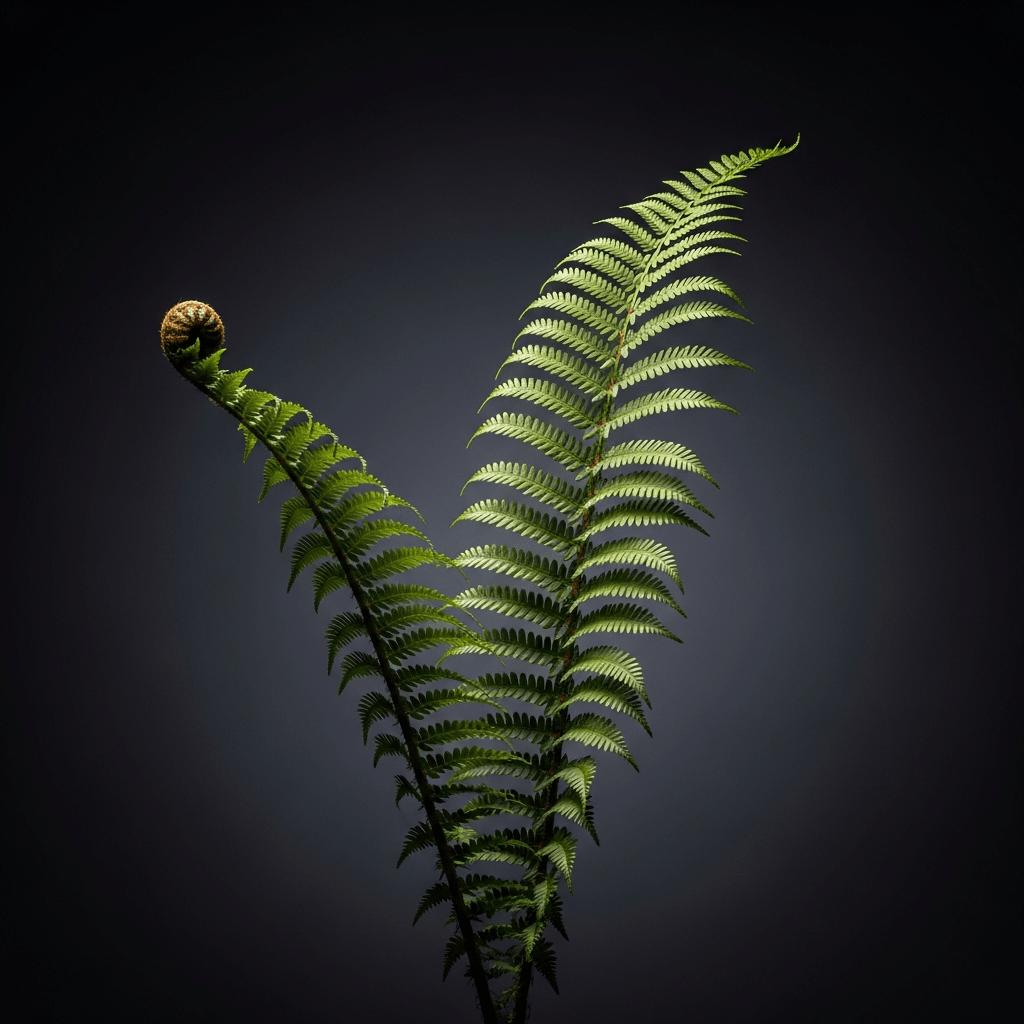
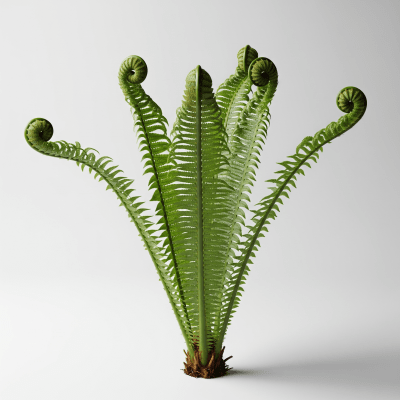
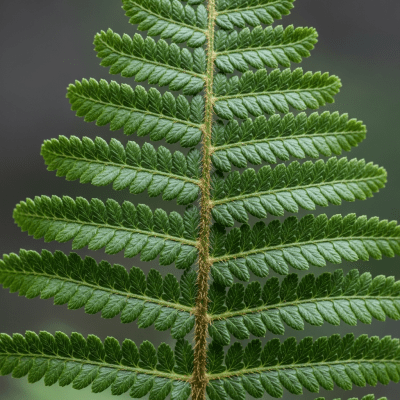
Matteuccia struthiopteris is a robust terrestrial fern growing from creeping rhizomes that form dense colonies. It features tall, erect, and arching sterile fronds that resemble ostrich plumes, typically reaching 100 to 150 centimeters in length. These fronds are deeply pinnate with a distinctive groove on the stipe. The fertile fronds are shorter, brown, and persist through winter, bearing sori that produce spores.
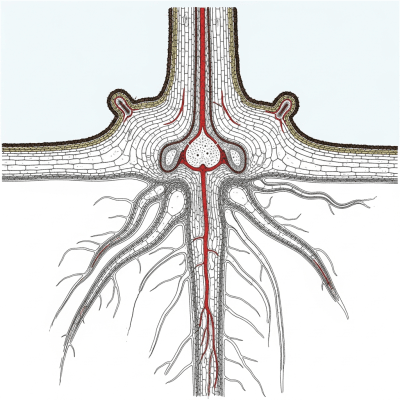
This fern thrives in moist, shaded environments and is cold-hardy, tolerating periodic flooding and resisting most pests and diseases. It spreads vegetatively through creeping rhizomes, forming dense colonies. Humans value it both ornamentally for its dramatic foliage and culinarily for its young coiled sterile fronds, known as fiddleheads, which are harvested in spring and enjoyed as a seasonal vegetable, especially in North America and parts of Eurasia.
Bring this kind into your world illustrated posters, mugs, and shirts.
Archival print, museum-grade paper
Buy Poster
Stoneware mug, dishwasher safe
Buy Mug
Soft cotton tee, unisex sizes
Buy ShirtThe ostrich fern holds culinary importance in North American and Eurasian cultures, where its fiddleheads are a sought-after seasonal delicacy. It is also appreciated in horticulture for its striking foliage. However, the common name "fiddlehead fern" can sometimes cause confusion, as it is applied to other edible fern species in various regions.
Like all true ferns, Matteuccia struthiopteris undergoes a life cycle alternating between a sporophyte and a gametophyte phase. The fertile fronds bear sori that release spores, which germinate into small, independent gametophytes. Fertilization leads to new sporophyte plants. Additionally, this species spreads vegetatively through creeping rhizomes, enabling it to form dense colonies and persist in its habitat.
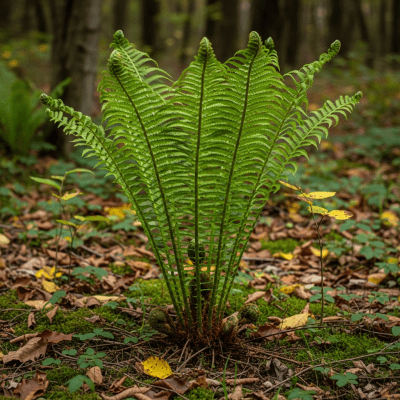

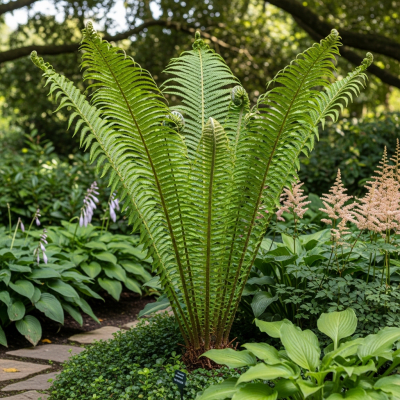
Ostrich ferns contribute to ecosystem diversity by stabilizing soil in moist, shaded environments such as riverbanks and floodplains. Their dense colonies provide habitat and cover for various small animals and insects. Their tolerance to flooding and cold makes them important components of temperate riparian plant communities.
Matteuccia struthiopteris is not currently considered threatened or endangered. Its wide native range and adaptability to moist, shaded habitats help maintain stable populations. No major conservation concerns have been identified, and it benefits from natural resilience to pests and environmental stresses.
The species Matteuccia struthiopteris itself is the primary representative of its genus and is widely cultivated in temperate gardens for ornamental use. While no notable cultivars are registered, its distinctive form and edible fiddleheads make it a popular choice among gardeners and foragers alike.