Origin Story

First described by Carl Linnaeus in 1753 as Polypodium dryopteris, this species was later reclassified into the genus Gymnocarpium by Newman in 1851. Its type specimen originates from Sweden, reflecting its strong European heritage, and it has since been identified throughout temperate regions of Europe and North America.

Classification

Gymnocarpium dryopteris belongs to the family Cystopteridaceae within the order Polypodiales, class Polypodiopsida, and division Monilophyta. This placement situates it firmly among the true ferns, a diverse group of vascular, spore-bearing plants characterized by fronds and sori.

Appearance or Form

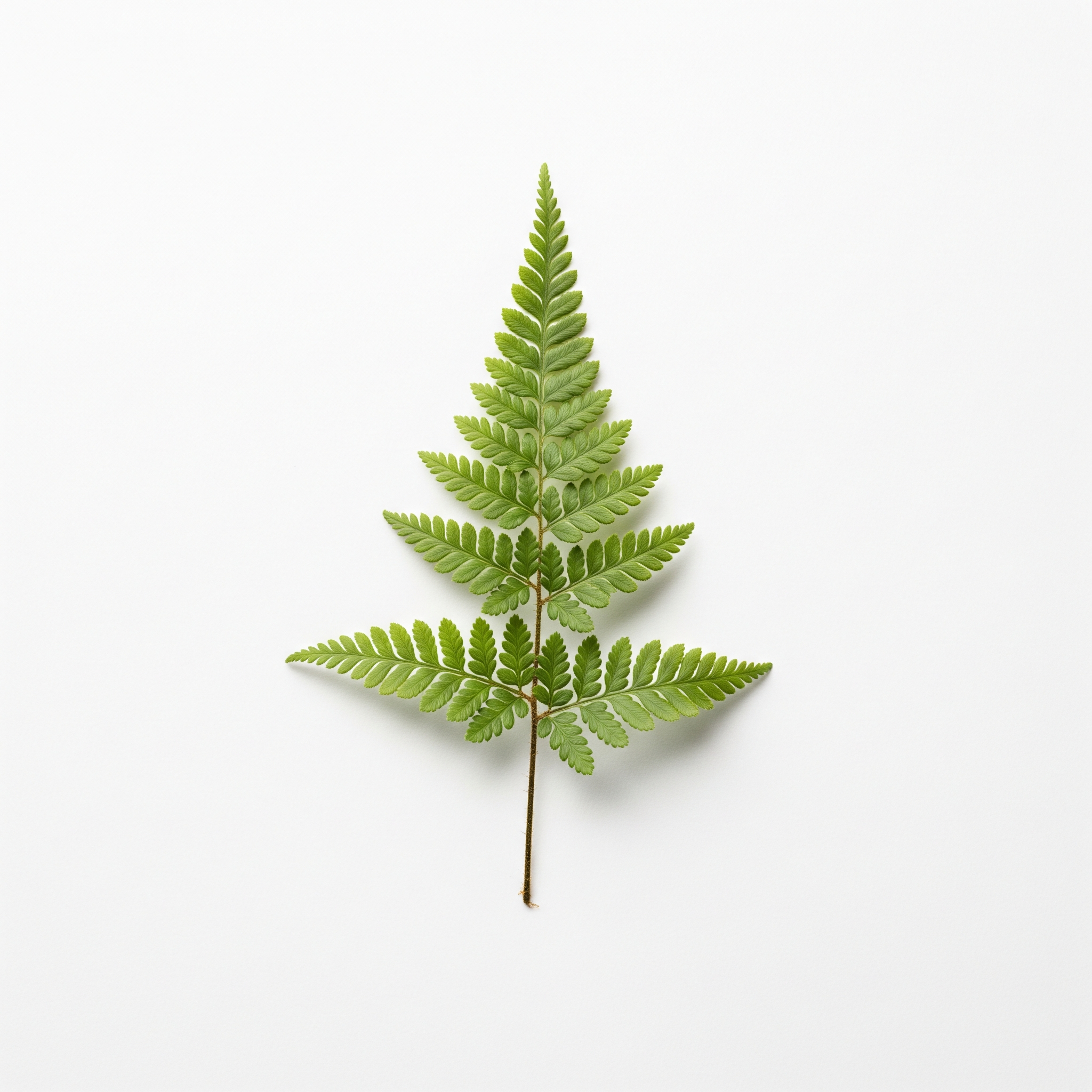
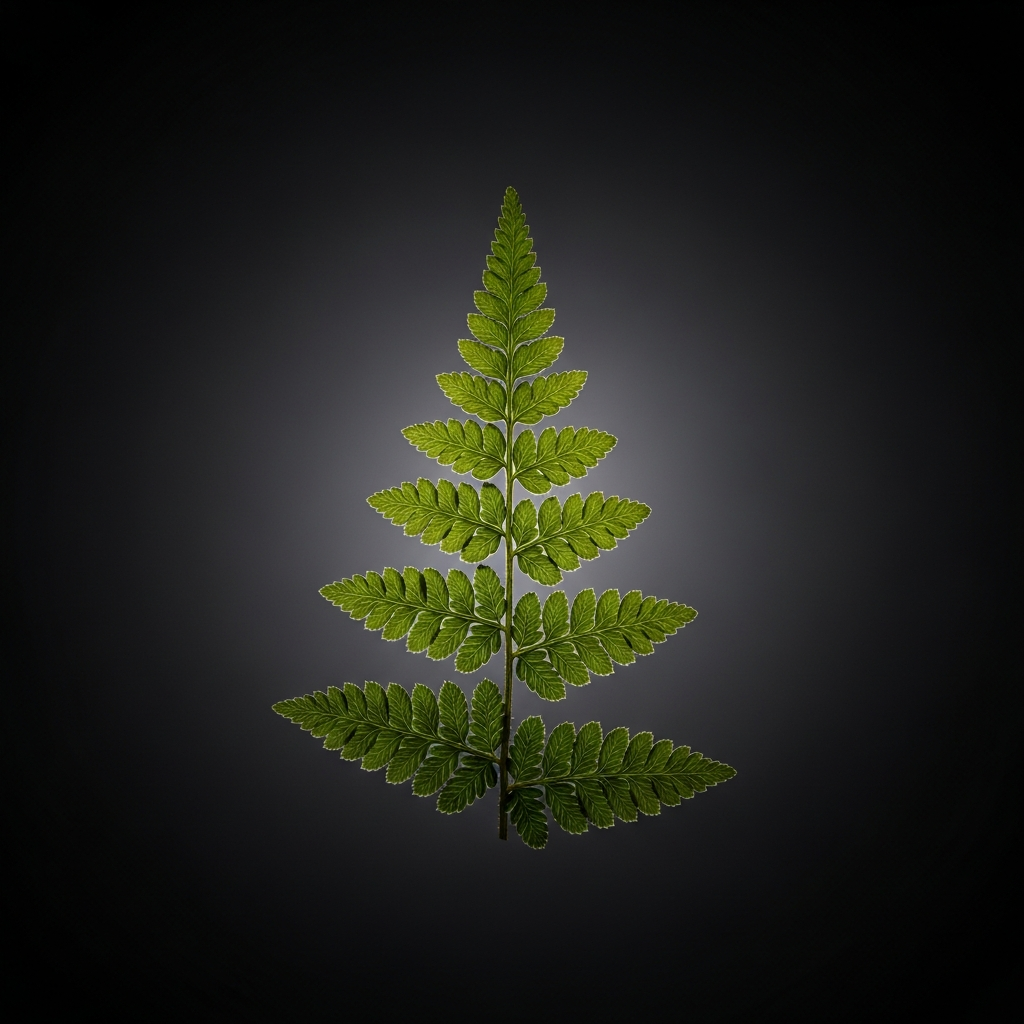
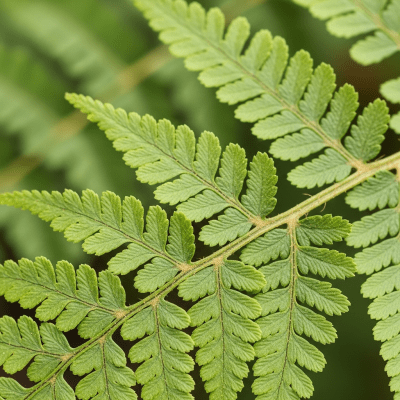
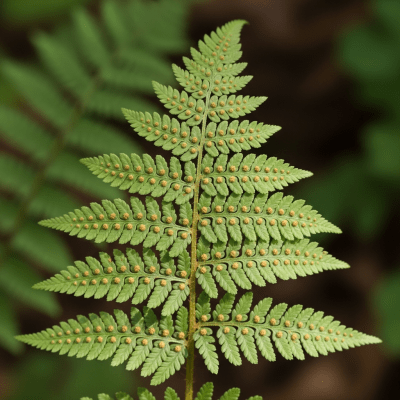
This fern is modest in stature, typically reaching 10 to 40 centimeters tall. Its fronds are light green, delicate, and distinctly three-pinnate with a triangular outline. The wiry, dark stipes contrast elegantly with the pale green lamina. Beneath the fertile fronds, round sori appear without protective indusia. The plant spreads via slender, creeping rhizomes and is deciduous, dying back in winter and regenerating in spring.

Behavior or Usage

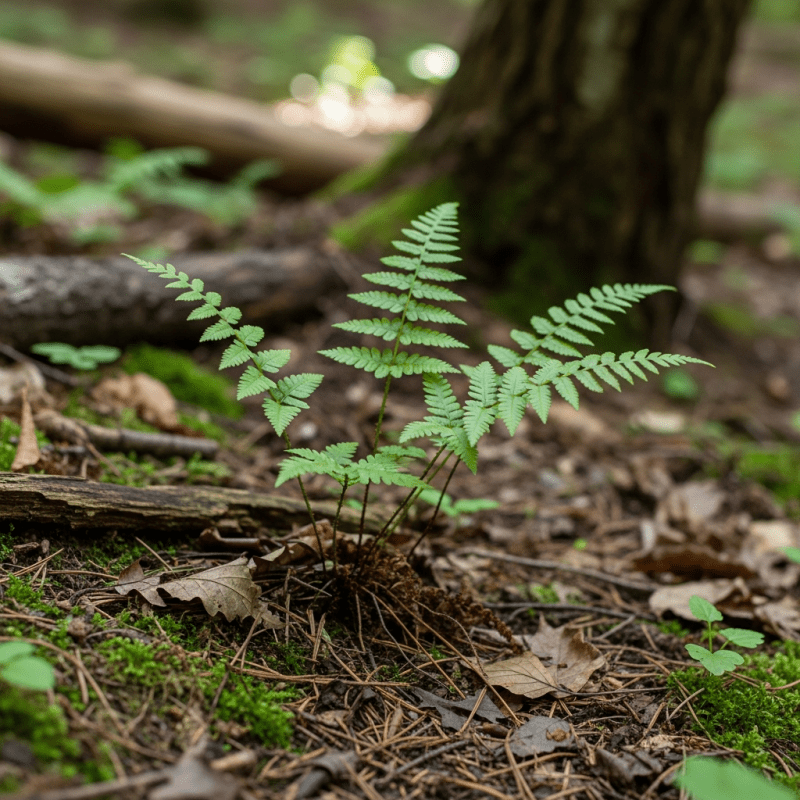
Gymnocarpium dryopteris thrives in cool, moist, acidic soils, favoring shaded woodlands, rocky slopes, and stream banks. It tolerates deep shade but is sensitive to drought and disturbance. While it has no known culinary or medicinal uses, it is occasionally cultivated as an ornamental groundcover and employed in ecological restoration projects to reestablish woodland understories.

Merchandise & Prints

Bring this kind into your world � illustrated posters, mugs, and shirts.

Oak Fern Oak Fern Poster

Oak Fern Poster

Archival print, museum-grade paper

Oak Fern Oak Fern Mug

Oak Fern Mug

Stoneware mug, dishwasher safe

Oak Fern Oak Fern Shirt

Oak Fern Shirt

Soft cotton tee, unisex sizes

Attributes & Insights

Taxon-Specific Insights

🌍Cultural Significance

Though Gymnocarpium dryopteris holds no widely documented cultural or symbolic importance, its presence in temperate woodlands contributes to the natural heritage of these ecosystems, often appreciated by gardeners and naturalists for its delicate beauty and role in shaded garden designs.

📌Notable Facts

  • Commonly called oak fern due to the shape of its fronds resembling oak leaves.
  • It is deciduous, dying back completely in winter and regrowing from rhizomes in spring.
  • Its sori lack indusia, a feature distinguishing it from many other ferns.
  • Native to temperate regions across both Europe and North America, with some taxonomic debate over North American populations.
  • Used in ecological restoration to support woodland understory biodiversity.

🌱Reproduction And Life Cycle

Gymnocarpium dryopteris reproduces through spores produced in round sori located on the undersides of fertile fronds. These spores disperse to germinate into a gametophyte stage, which is independent and small. Fertilization leads to the development of the sporophyte, the leafy fern plant. The species is deciduous, with fronds dying back in winter and regrowing from creeping rhizomes each spring, completing its annual cycle.

Visual Variations

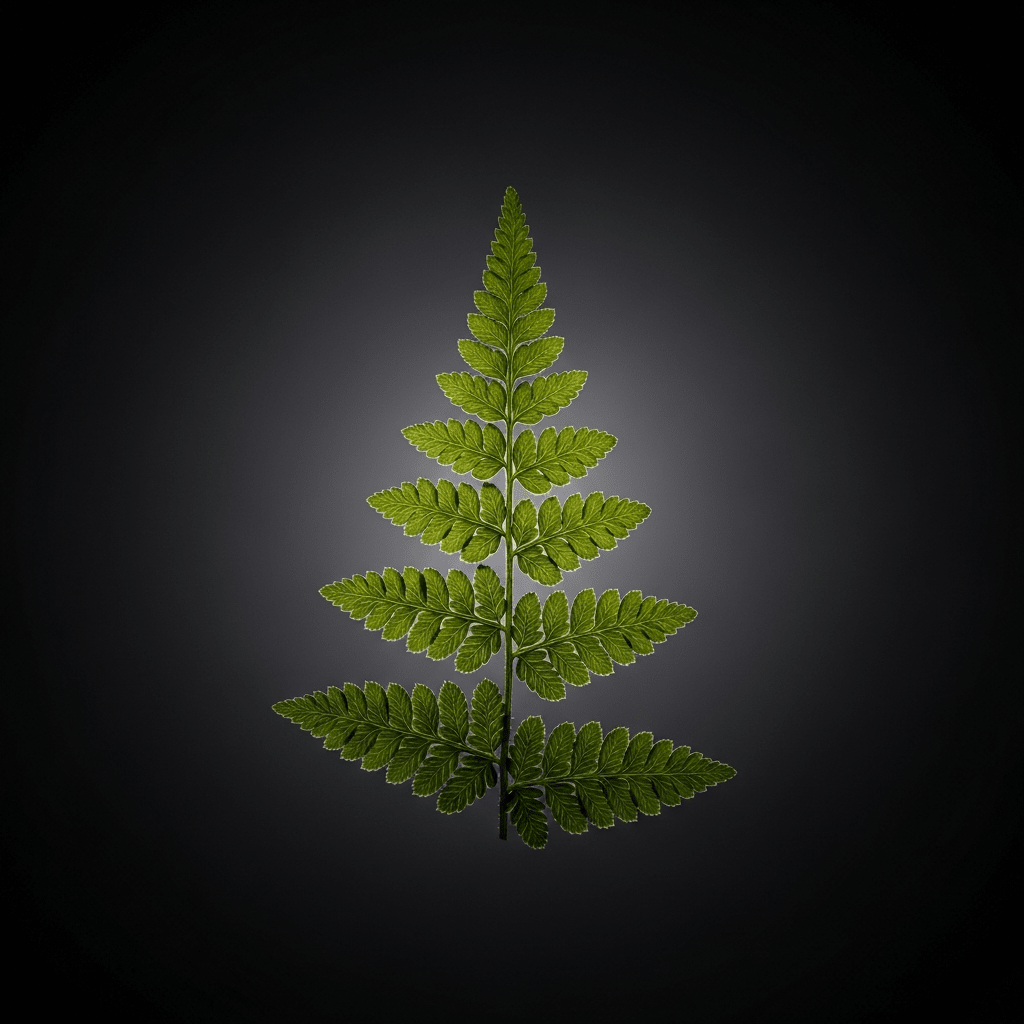
High quality, studio-style photograph of a single Gymnocarpium dryopteris
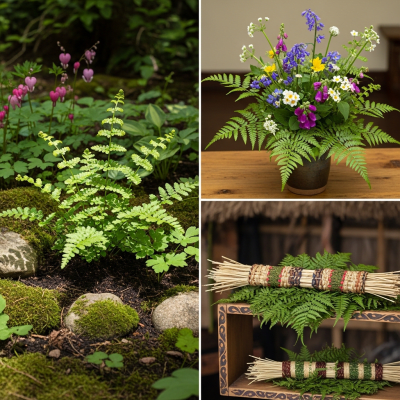
Photograph of a Gymnocarpium dryopteris, of the taxonomy ferns, shown growing in its natural environment, such as a forest understory or shaded woodland
Detailed macro image of the fronds and leaflets of a Gymnocarpium dryopteris, focusing on texture, venation, and sori (spore cases) if visible
Cross-sectional illustration or photograph of a Gymnocarpium dryopteris, showing internal structure such as rhizome, roots, and vascular bundles
Photograph of a mature Gymnocarpium dryopteris, with visible sporangia or sori on the underside of its fronds, highlighting its reproductive structures
Image depicting a Gymnocarpium dryopteris as traditionally used by humans, such as in ornamental garden settings, floral arrangements, or as part of indigenous cultural practices

Composition & Context

Taxon-Specific Insights

🌿Ecological Roles

As a woodland understory species, Gymnocarpium dryopteris plays a vital role in stabilizing soil on shaded slopes and stream banks, contributing to forest biodiversity. Its presence supports microhabitats for invertebrates and helps maintain moisture and nutrient cycles in temperate forest ecosystems.

🛡️Conservation Status

Currently, Gymnocarpium dryopteris faces no major conservation threats and is considered stable across its range. It thrives in undisturbed, moist woodland habitats but can be sensitive to drought and habitat disturbance. No formal conservation listings apply, though habitat protection indirectly supports its populations.

🌾Popular Species And Varieties

While no formal cultivars or varieties are widely recognized, some North American populations are sometimes treated as Gymnocarpium disjunctum, a taxon occasionally distinguished from G. dryopteris. However, major authorities generally consider these synonymous or varieties rather than separate species.

Faq

Q: Where does Gymnocarpium dryopteris naturally grow?
It is native to cool, moist woodlands and shaded rocky slopes across temperate regions of the Northern Hemisphere, including Europe and North America.

Q: How does this fern reproduce?
Like other ferns, it reproduces via spores produced in sori on the underside of fertile fronds.

Q: Can Gymnocarpium dryopteris be grown in gardens?
Yes, it is occasionally cultivated as an ornamental groundcover in shaded, moist garden areas.