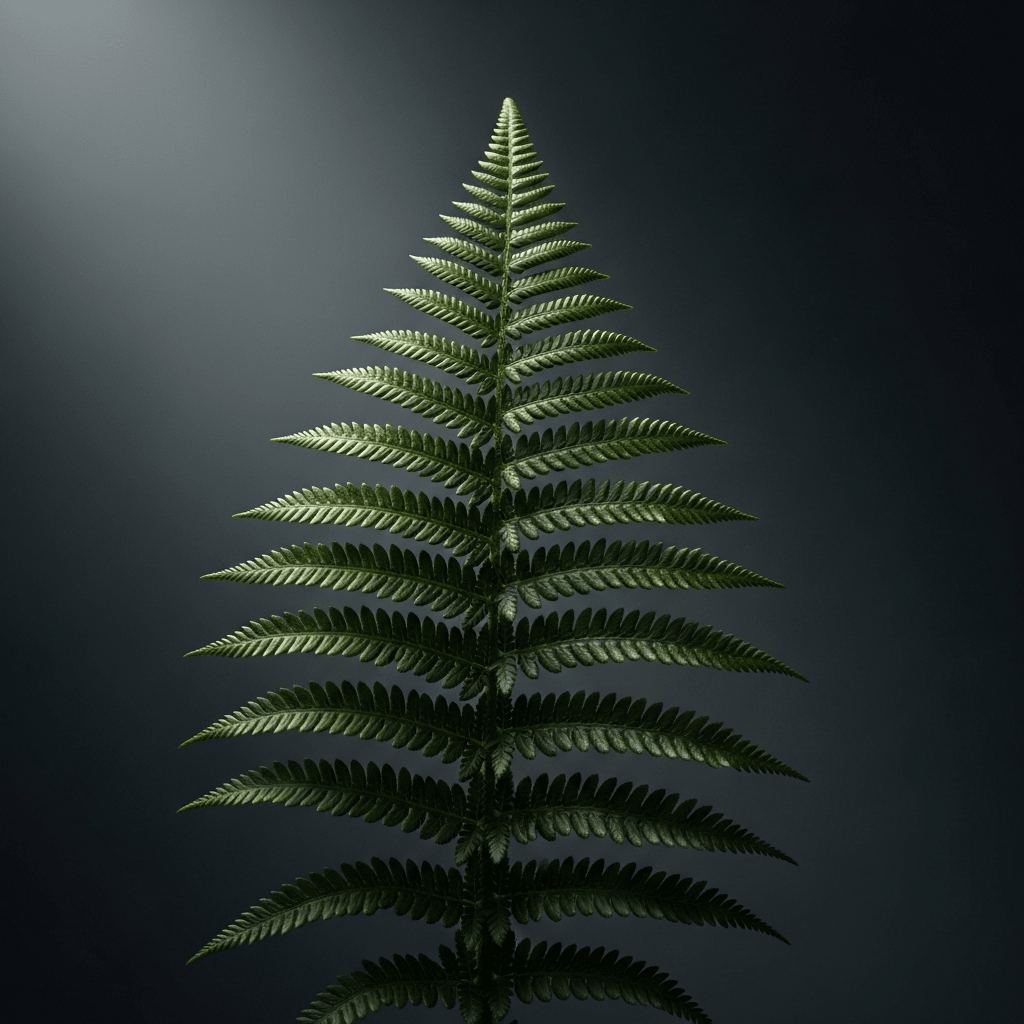
Marginal Wood Fern
Dryopteris marginalis, commonly known as the Marginal Wood Fern, is a hardy, evergreen fern native to eastern North America, prized for its leathery blue-green fronds and distinctive sori located near the pinnae margins.
Dryopteris marginalis, commonly known as the Marginal Wood Fern, is a hardy, evergreen fern native to eastern North America, prized for its leathery blue-green fronds and distinctive sori located near the pinnae margins.
First described by Carl Linnaeus in 1753 as Polypodium marginale, this species was later reclassified by Asa Gray in 1848 to its current placement in the genus Dryopteris. It naturally occurs across shaded woodlands of eastern North America, thriving in rocky, well-drained soils from low elevations up to 1,200 meters.
Dryopteris marginalis belongs to the family Dryopteridaceae within the order Polypodiales, class Polypodiopsida, division Polypodiophyta. It is a member of the genus Dryopteris, a group of terrestrial ferns characterized by their bipinnate fronds and sori arrangement. This species is closely related to others like D. intermedia and D. carthusiana within the genus.
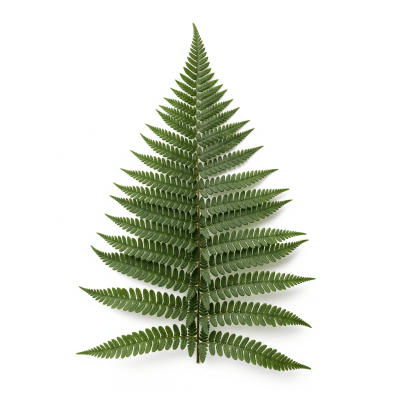
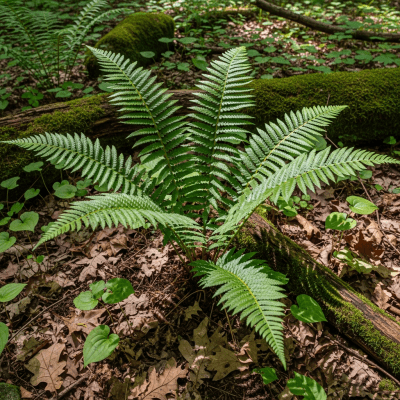
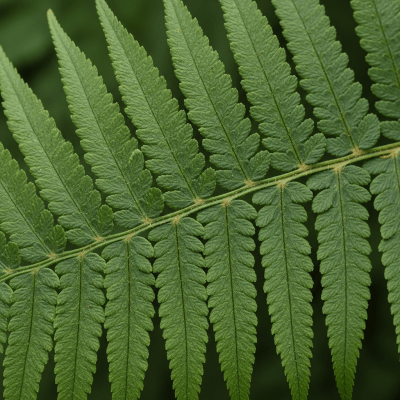
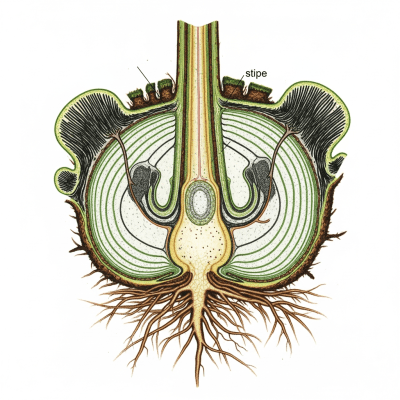
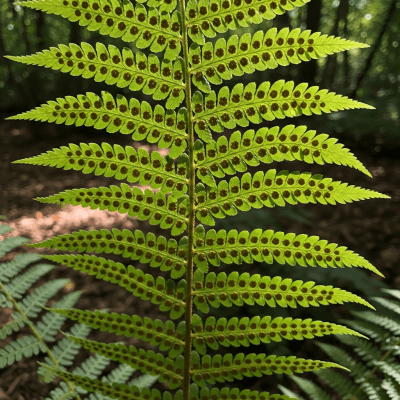
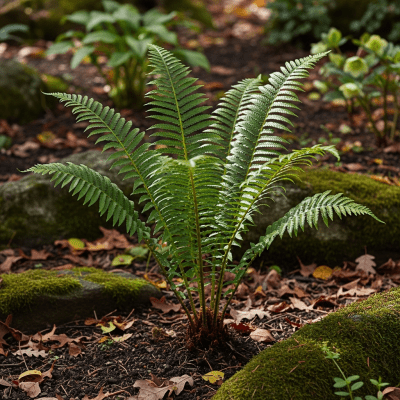
This fern features evergreen, leathery, arching fronds ranging from 30 to 60 cm in length, colored blue-green to dark green. The fronds are bipinnate with round sori positioned near the margins of the pinnae, a distinctive trait that aids identification. Its short-creeping to ascending rhizomes form dense clumps, and the stipes bear dark brown scales at their base.
Dryopteris marginalis exhibits a clumping growth habit with slow to moderate spread through rhizome division. It thrives in shaded, rocky, acidic soils and is notably drought-tolerant once established. Valued in horticulture, it is widely planted in shade gardens and woodland restoration projects for its evergreen foliage and low maintenance needs.
Bring this kind into your world illustrated posters, mugs, and shirts.
Archival print, museum-grade paper
Buy Poster
Stoneware mug, dishwasher safe
Buy Mug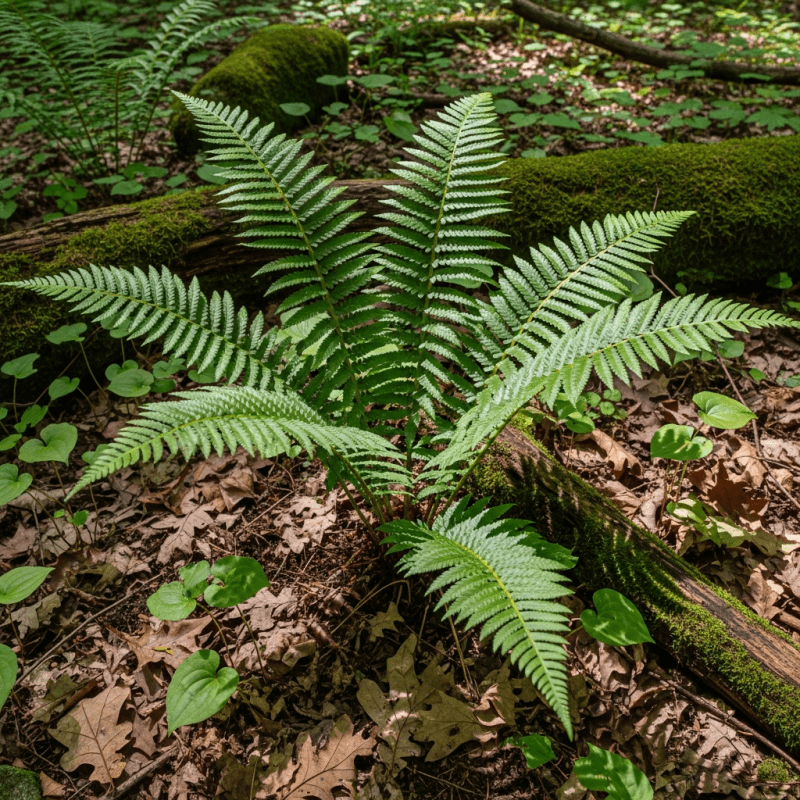
Soft cotton tee, unisex sizes
Buy ShirtWhile not extensively documented in folklore or symbolism, the Marginal Wood Fern holds cultural value as a staple in North American shade gardening and native plant landscaping, appreciated for its year-round greenery and resilience in naturalistic garden designs.
Like all true ferns, Dryopteris marginalis reproduces via spores produced in sori on the underside of fronds. The spores develop in kidney-shaped indusia that protect them until maturity. Upon release, spores germinate into a gametophyte stage, which produces gametes for fertilization, leading to the growth of a new sporophyte fern. This life cycle involves an alternation of generations, typical of leptosporangiate ferns.
In its native woodland ecosystems, Dryopteris marginalis contributes to understory biodiversity, providing ground cover that stabilizes soil and retains moisture. Its evergreen foliage offers habitat and shelter for small invertebrates, while its drought tolerance allows it to persist in rocky, nutrient-poor sites where few other plants thrive.
This species is currently widespread and stable across its native range with no significant conservation concerns. Its adaptability and resistance to pests contribute to its secure status, and it benefits from conservation through habitat protection in forested areas.
While Dryopteris marginalis itself has no widely recognized cultivars, it is a popular species within the genus Dryopteris, which includes several well-known ornamental ferns such as D. filix-mas (Male Fern) and D. erythrosora (Autumn Fern). These species share similar shade tolerance and garden appeal.