Male Fern
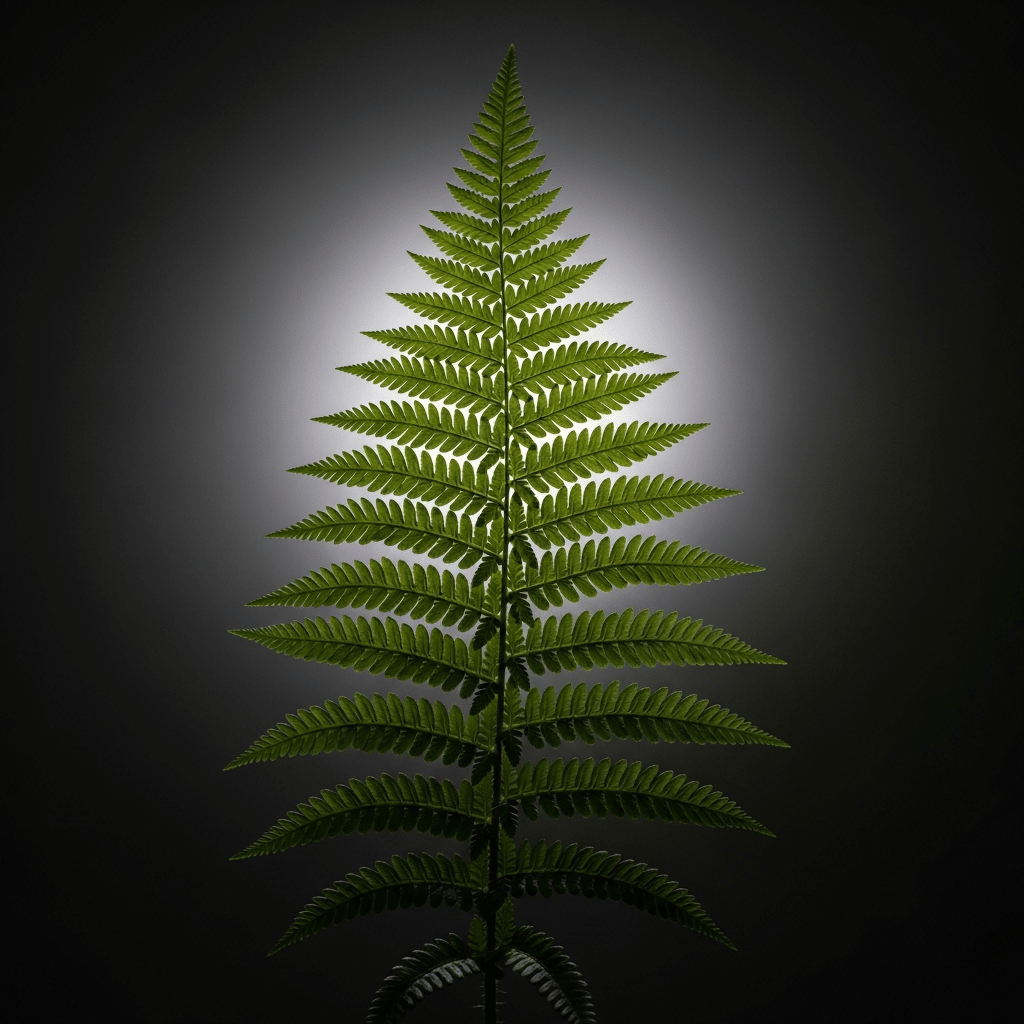
Dryopteris filix-mas, commonly known as the male fern, is a robust, terrestrial fern native to the temperate regions of the Northern Hemisphere, prized for its distinctive bipinnate fronds and adaptability to shaded woodland environments.
Dryopteris filix-mas, commonly known as the male fern, is a robust, terrestrial fern native to the temperate regions of the Northern Hemisphere, prized for its distinctive bipinnate fronds and adaptability to shaded woodland environments.
First described by Carl Linnaeus in 1753 under the name Polypodium filix-mas, Dryopteris filix-mas traces its origins to Europe, where the type specimen was collected. It belongs to a lineage within the genus Dryopteris, firmly rooted in the family Dryopteridaceae, reflecting centuries of botanical study and classification.
Dryopteris filix-mas is a member of the family Dryopteridaceae within the order Polypodiales, class Polypodiopsida, and division Monilophyta. This places it among the true ferns—vascular, spore-bearing plants characterized by complex fronds and a life cycle alternating between sporophyte and gametophyte stages.
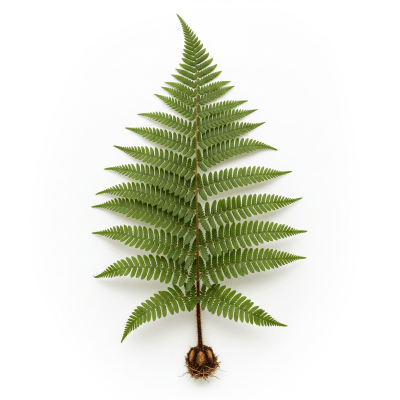
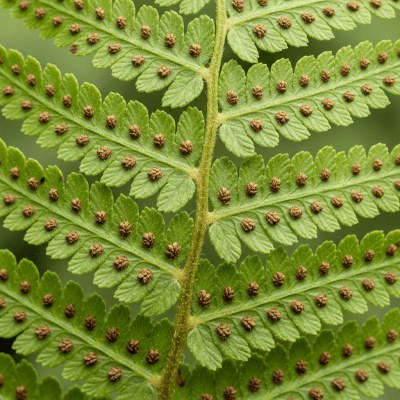
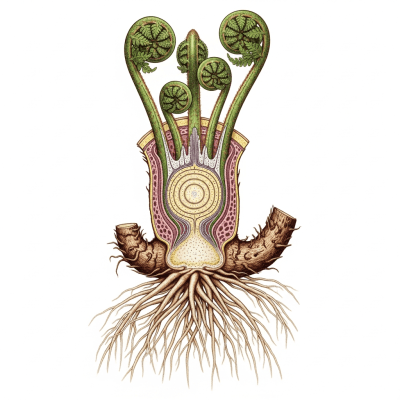
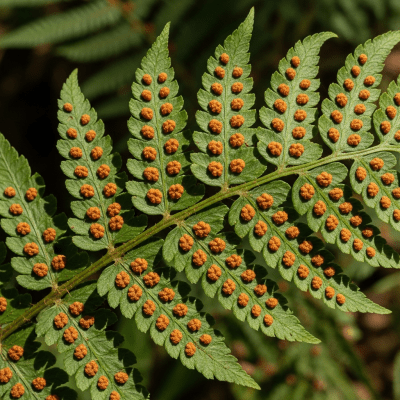
This perennial fern forms dense crowns from a rhizomatous base, producing erect to arching fronds typically ranging from 50 to 120 centimeters in length. Its fronds are bipinnate, leathery, and dark green, with sori arranged in neat rows beneath the pinnae, each protected by kidney-shaped indusia. The stipes are notable for their covering of brown scales, lending texture and contrast to the plant’s overall appearance.
Thriving in moist, shaded deciduous forests, hedgerows, and rocky slopes, Dryopteris filix-mas is shade tolerant and adaptable to a variety of soil types. It is commonly propagated by spores or division and forms robust, dense crowns that make it a favored ornamental plant in shade gardens and naturalistic landscapes. Historically, its rhizomes were used as a vermifuge in traditional European medicine, though this practice has largely fallen out of use due to toxicity concerns.
Bring this kind into your world illustrated posters, mugs, and shirts.
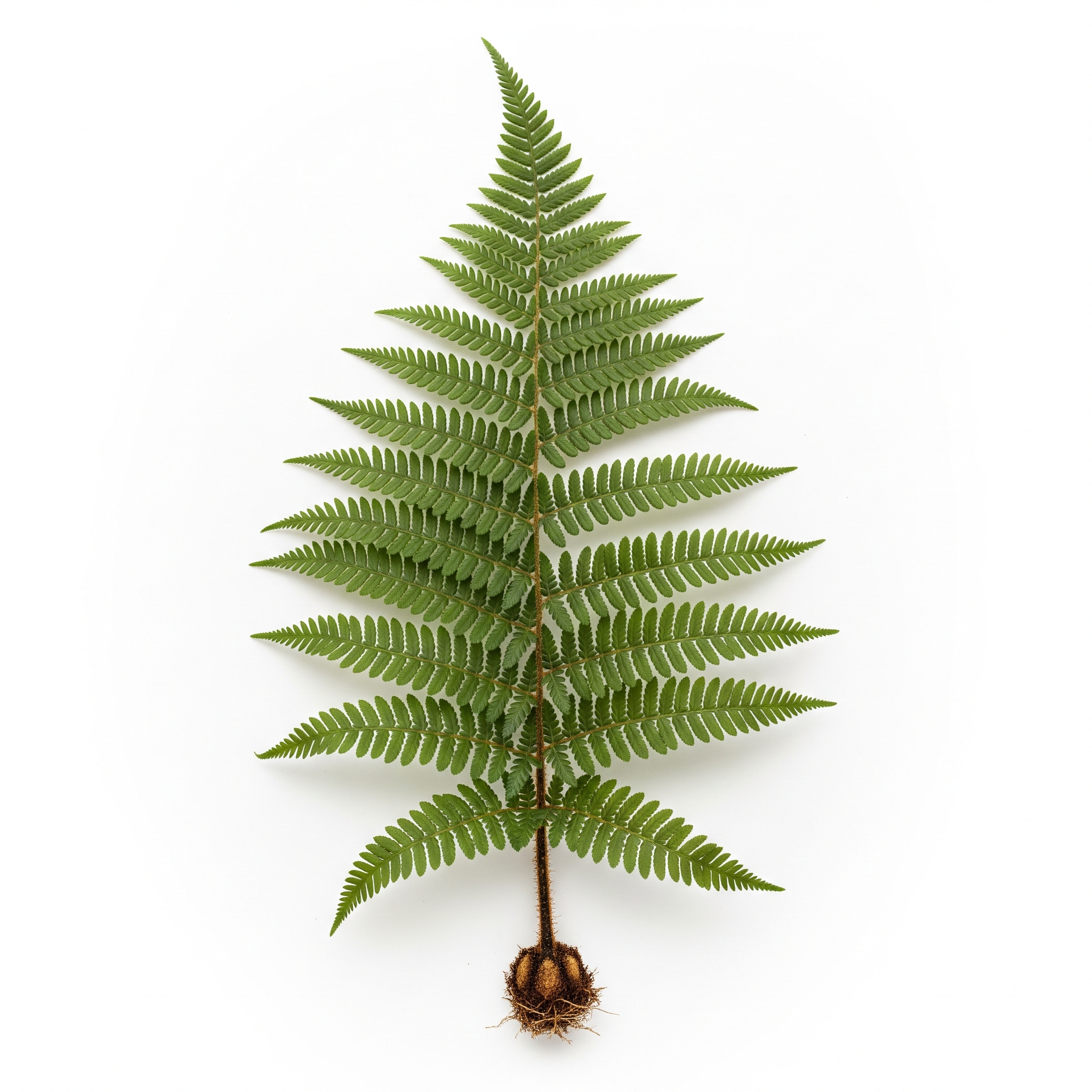
Archival print, museum-grade paper
Buy Poster
Stoneware mug, dishwasher safe
Buy Mug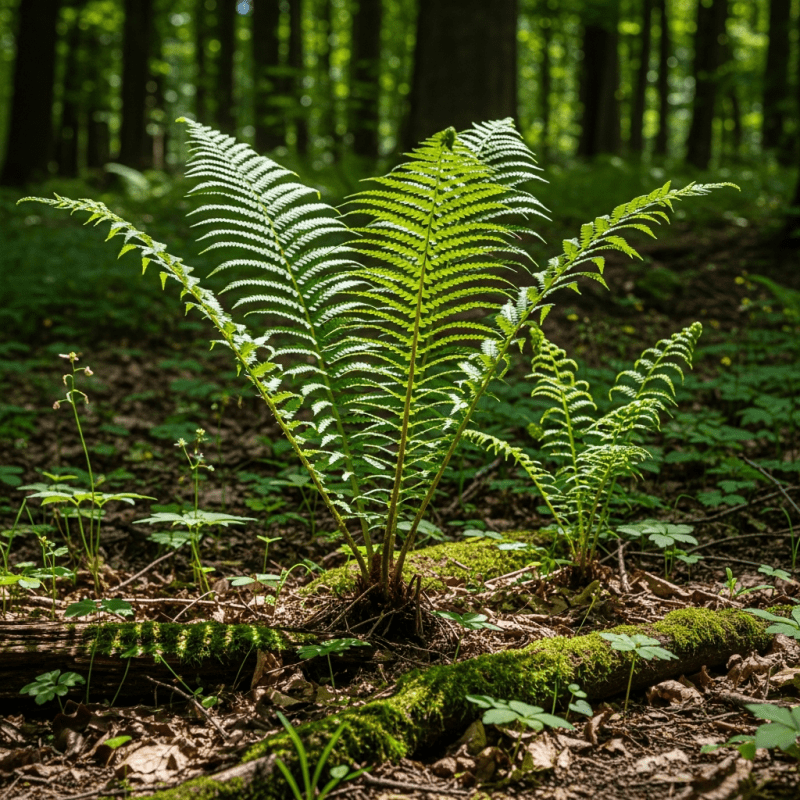
Soft cotton tee, unisex sizes
Buy ShirtWhile Dryopteris filix-mas holds limited direct cultural symbolism, its historical medicinal use as an anthelmintic reflects its role in traditional European herbal practices. Today, it is primarily appreciated for its ornamental value, contributing to the aesthetic and ecological richness of shaded garden spaces and natural woodland settings.
Like all true ferns, Dryopteris filix-mas reproduces via spores rather than seeds. Spores develop in sori located on the undersides of mature fronds, protected by kidney-shaped indusia. Upon release, spores germinate into a small, heart-shaped gametophyte stage, which produces gametes for fertilization. The resulting sporophyte grows into the familiar leafy fern. This life cycle involves an alternation of generations, with independent gametophyte and sporophyte phases.
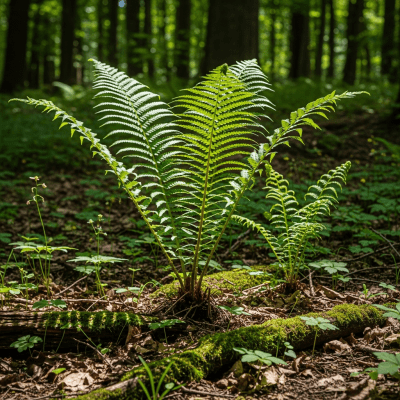

Dryopteris filix-mas plays a vital role in forest ecosystems by stabilizing soil with its dense rhizomatous growth and providing habitat structure in shaded understories. Its fronds contribute to the forest’s microclimate by retaining moisture and offering shelter to various invertebrates. As a native species in temperate woodlands, it supports biodiversity and participates in nutrient cycling within its habitat.
Currently, Dryopteris filix-mas is not considered threatened and enjoys a stable conservation status across its native range. Its adaptability to diverse shaded habitats and widespread distribution contribute to its resilience. No major threats or targeted conservation efforts are documented, though habitat loss and hybridization may impact local populations.
Within the genus Dryopteris, filix-mas stands out as a widely cultivated species, especially valued for its ornamental appeal in shade gardens. While no notable cultivars are formally registered, varieties such as Dryopteris filix-mas var. abbreviata have been recognized in botanical literature. The species is also known by several common names including male fern, fougère mâle, wurmfarn, and helecho macho, reflecting its broad cultural and geographic presence.