Autumn Fern
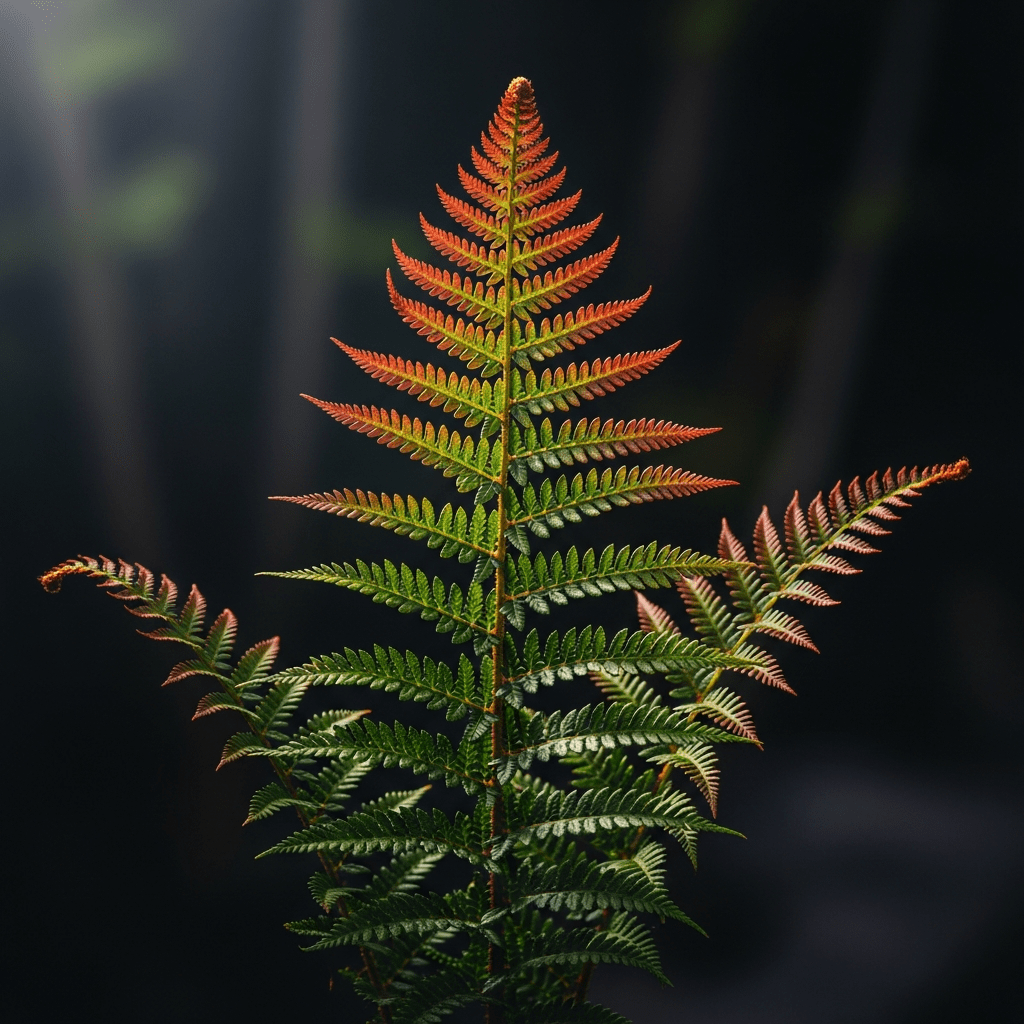
Dryopteris erythrosora, known as the autumn fern, is a medium-sized terrestrial fern celebrated for its striking coppery-red young fronds that mature into glossy green foliage, making it a popular ornamental plant in shaded gardens.
Dryopteris erythrosora, known as the autumn fern, is a medium-sized terrestrial fern celebrated for its striking coppery-red young fronds that mature into glossy green foliage, making it a popular ornamental plant in shaded gardens.
First described by botanist Carl Ludwig Blume in 1828, Dryopteris erythrosora was originally documented from Java, Indonesia, where its type specimen is preserved at the Leiden Herbarium. Native to East Asia and parts of Indonesia, this species has long been admired for its vibrant foliage and adaptability.
Dryopteris erythrosora belongs to the family Dryopteridaceae within the order Polypodiales, class Polypodiopsida, and division Monilophyta. This placement situates it firmly among the true ferns, a diverse group of vascular, spore-bearing plants characterized by fronds and sori.
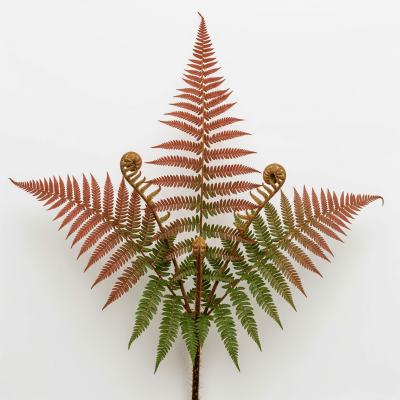
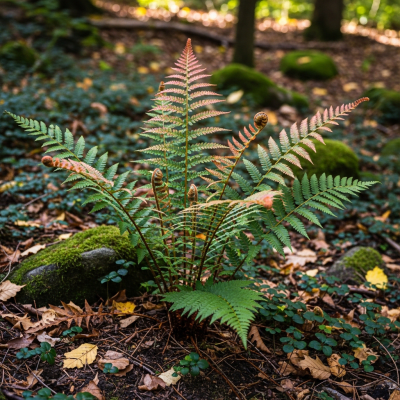
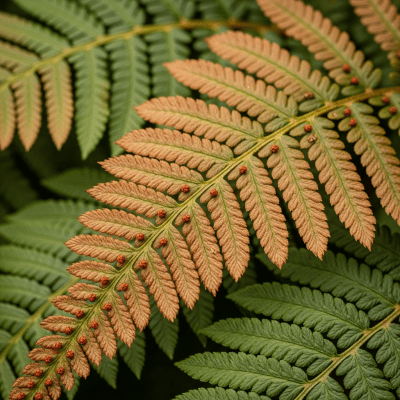
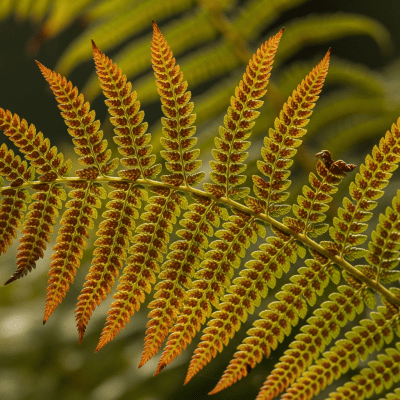
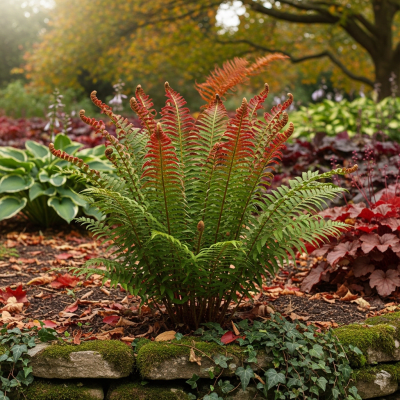
This fern features medium-sized, evergreen to semi-evergreen fronds ranging from 30 to 60 cm tall. The fronds are bipinnate with lanceolate pinnae edged by fine serrations. Young fronds emerge in vivid coppery-red to orange hues before maturing to a glossy deep green. Its reddish-brown stipe is adorned with scales, while round sori protected by peltate indusia appear near the midvein on the underside of the pinnae.
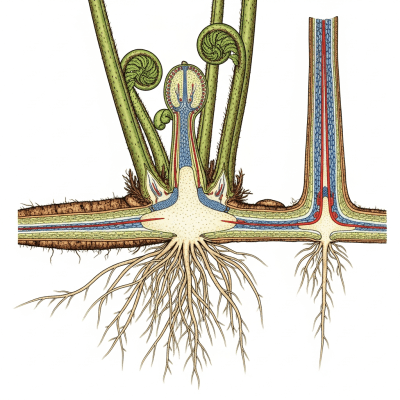
Dryopteris erythrosora thrives in moist, humus-rich, well-drained soils under partial to full shade, making it well-suited for shaded garden environments. It forms clumping growth with arching fronds and demonstrates moderate drought tolerance once established. Propagation is typically achieved through division or spores, and it is hardy across USDA zones 5 to 8. Its resilience includes tolerance to urban pollution and moderate resistance to deer browsing, with no notable pest or disease problems.
Bring this kind into your world illustrated posters, mugs, and shirts.
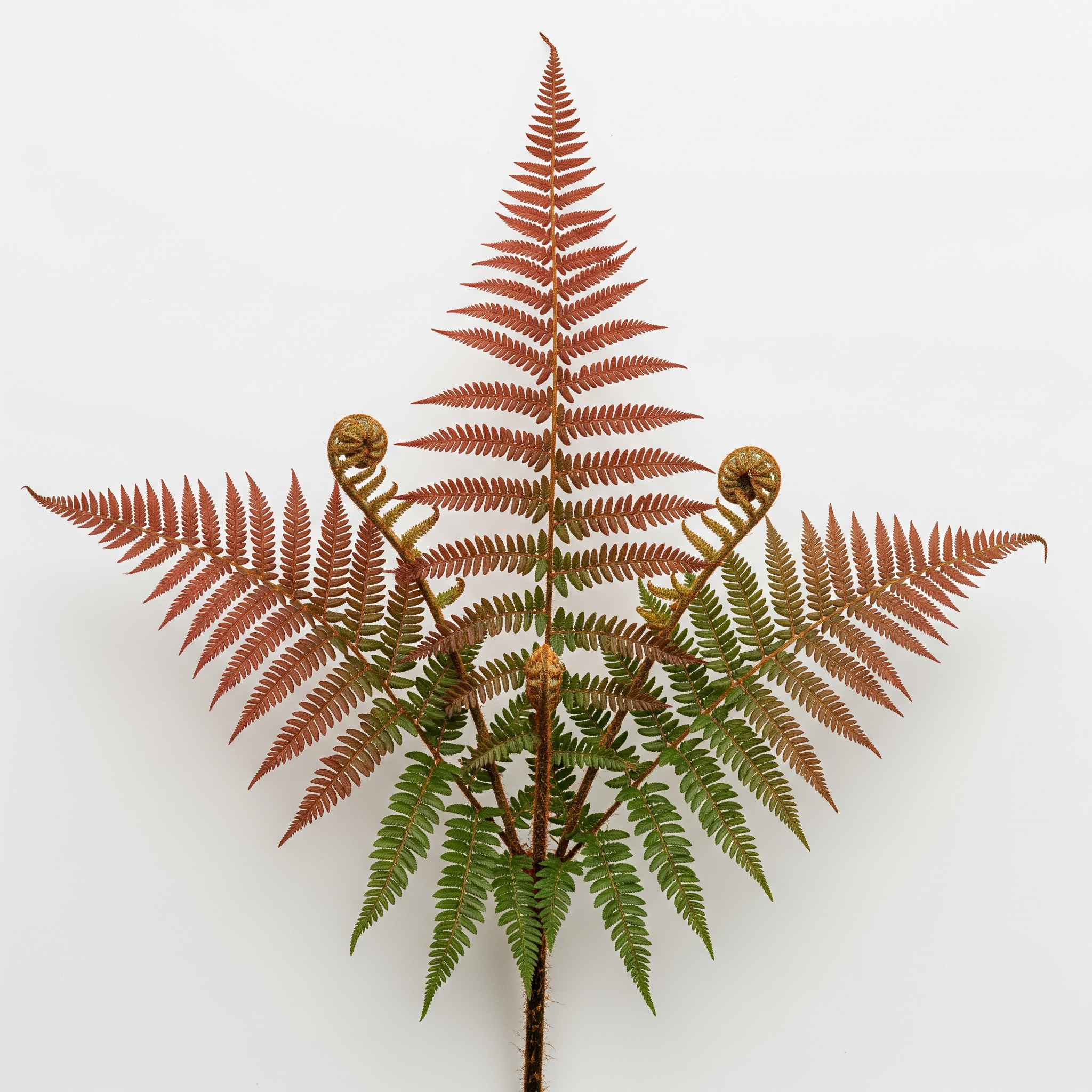
Archival print, museum-grade paper
Buy Poster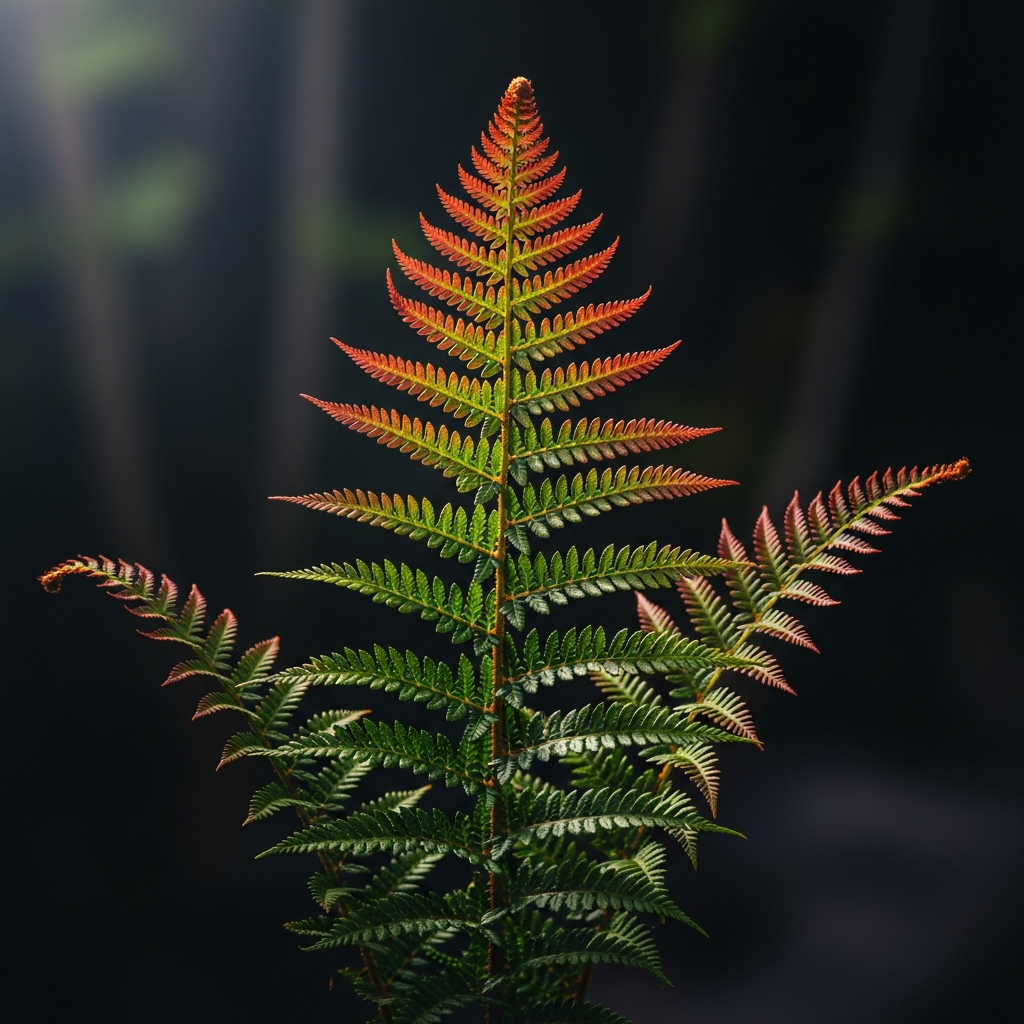
Stoneware mug, dishwasher safe
Buy Mug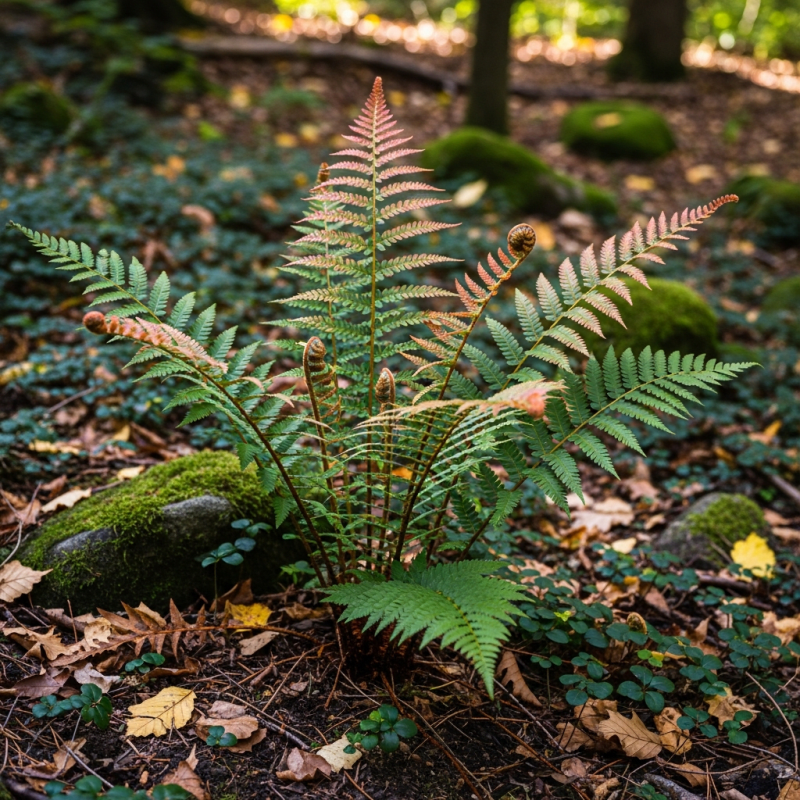
Soft cotton tee, unisex sizes
Buy ShirtWhile Dryopteris erythrosora is primarily valued for its ornamental appeal, especially in temperate gardens and woodland settings, there is no widely documented cultural or symbolic significance associated with this species in art or mythology.
Like all true ferns, Dryopteris erythrosora reproduces via spores produced in sori on the undersides of its fronds. These spores develop within sporangia clustered into round sori, each protected by a peltate indusium. Upon release, spores germinate into a gametophyte stage, which produces gametes for fertilization. The resulting sporophyte grows into the mature fern with characteristic bipinnate fronds, completing the life cycle.
In its native habitats, Dryopteris erythrosora contributes to understory biodiversity, providing ground cover that helps retain soil moisture and prevent erosion. Its presence supports microhabitats for invertebrates and contributes to the structural complexity of shaded woodland ecosystems.
Currently, Dryopteris erythrosora is not listed as threatened or endangered. Its widespread cultivation and adaptability contribute to its stable status, with no significant conservation concerns reported.
While Dryopteris erythrosora itself is popular for ornamental use, it has no widely registered cultivars. It is commonly known by its synonyms such as autumn fern and Japanese shield fern, and is favored for its distinctive colorful new growth in garden collections worldwide.