Origin Story

The Dryopteridaceae family was first formally described by Link in 1833, with its type genus Dryopteris serving as a foundational reference. Over time, its circumscription has evolved, culminating in the current consensus established by the Pteridophyte Phylogeny Group I (2016), which situates it firmly within the order Polypodiales. Representative type specimens are preserved in prominent herbaria such as Kew and the British Museum.

Classification

Dryopteridaceae belongs to the order Polypodiales within the class Polypodiopsida and division Monilophyta, encompassing around 26 genera and more than 1,700 species. It is distinguished as a distinct family of true ferns, separate from closely related groups, with taxonomic boundaries refined through molecular phylogenetics under the PPG I framework.

Appearance or Form

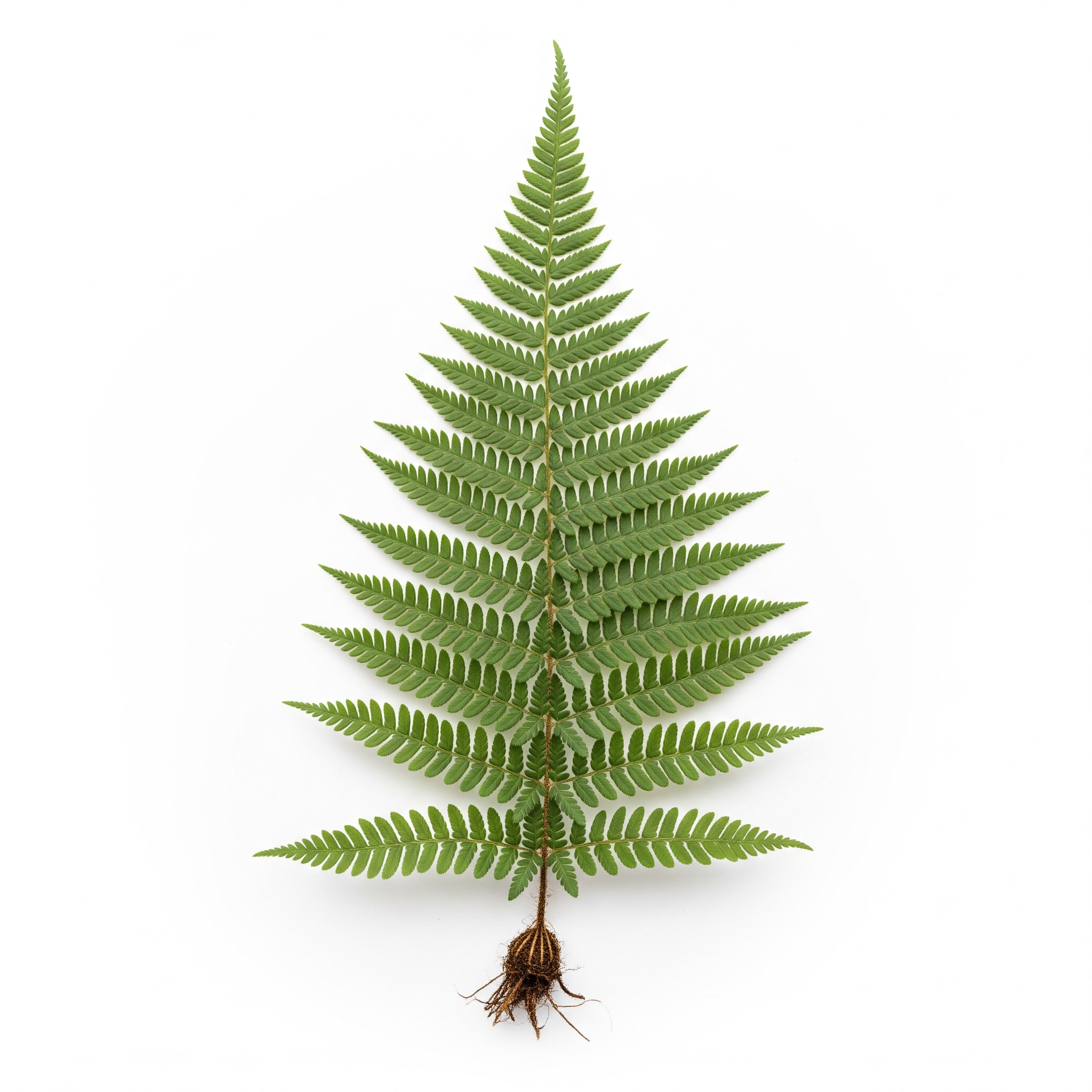
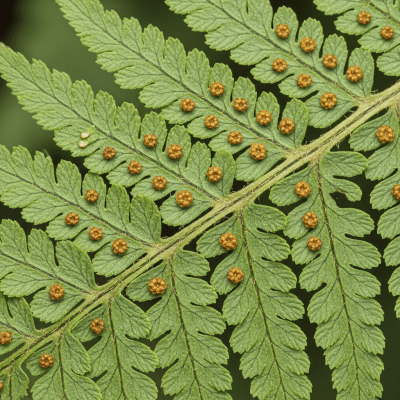
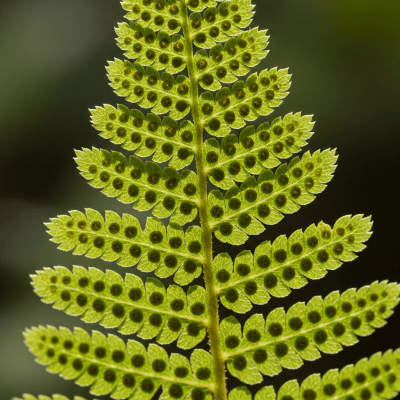
Members of Dryopteridaceae typically exhibit terrestrial growth with creeping to erect, scaly rhizomes. Their fronds range from 10 centimeters to over one meter in length, often pinnate to bipinnate and leathery in texture, embodying the classic wood fern appearance. Fertile fronds bear round to oblong sori on the underside of pinnae, each protected by reniform or peltate indusia, adding to their distinctive morphology.

Behavior or Usage

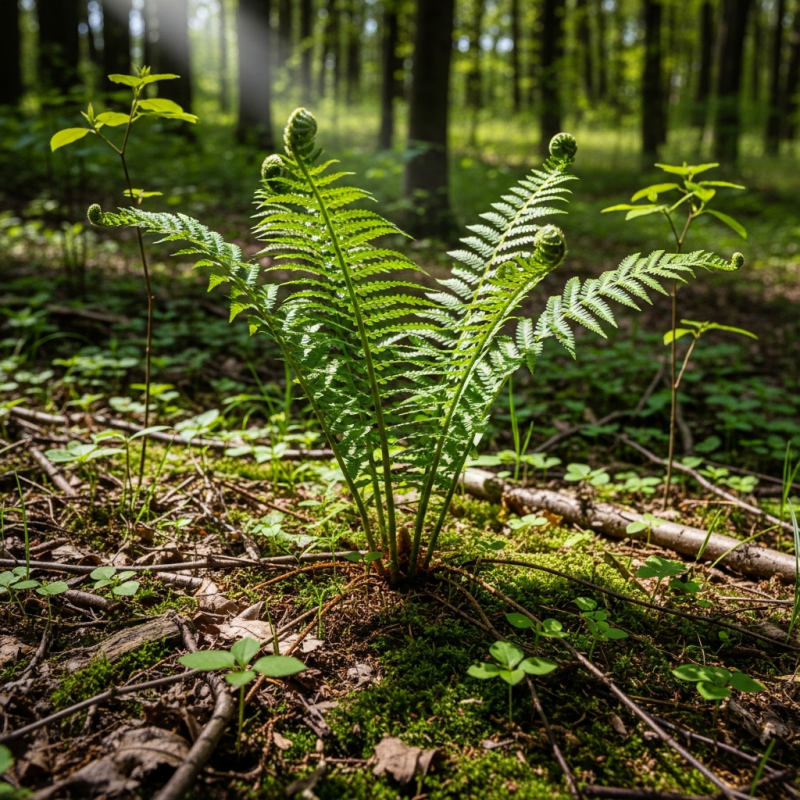
Dryopteridaceae ferns thrive in shaded, moist environments such as forest understories, woodlands, and rocky slopes, demonstrating notable tolerance to cold and drought. They are widely cultivated for ornamental purposes, valued for their shade tolerance and attractive foliage. While some species have traditional medicinal uses, culinary applications are rare and generally discouraged due to toxicity concerns.

Merchandise & Prints

Bring this kind into your world � illustrated posters, mugs, and shirts.

Wood Ferns Wood Ferns Poster

Wood Ferns Poster

Archival print, museum-grade paper

Wood Ferns Wood Ferns Mug

Wood Ferns Mug

Stoneware mug, dishwasher safe

Wood Ferns Wood Ferns Shirt

Wood Ferns Shirt

Soft cotton tee, unisex sizes

Attributes & Insights

Taxon-Specific Insights

🌍Cultural Significance

Though primarily appreciated for their horticultural appeal, Dryopteridaceae ferns have subtle cultural resonance as emblematic woodland plants. Known as "wood ferns" in English and by various names in other languages, they contribute to the aesthetic and symbolic fabric of forested landscapes, often featured in garden designs that evoke natural woodland settings.

📌Notable Facts

  • Dryopteridaceae includes over 1,700 species across approximately 26 genera.
  • Its sori are typically covered by reniform or peltate indusia, a key identifying feature.
  • Members are adapted to a wide elevation range from sea level up to 3,000 meters.
  • The family has undergone several taxonomic revisions, with synonyms like Aspidiaceae and Polystichaceae historically used.
  • Many species are popular in horticulture for their resilience and attractive fronds.

🌱Reproduction And Life Cycle

Dryopteridaceae ferns reproduce through a life cycle typical of true ferns, alternating between a dominant sporophyte and a gametophyte stage. Spores are produced in sori located on the underside of fertile fronds, each protected by an indusium. Upon release, spores germinate into small, independent gametophytes that produce gametes. Fertilization leads to the development of a new sporophyte, completing the cycle.

Visual Variations

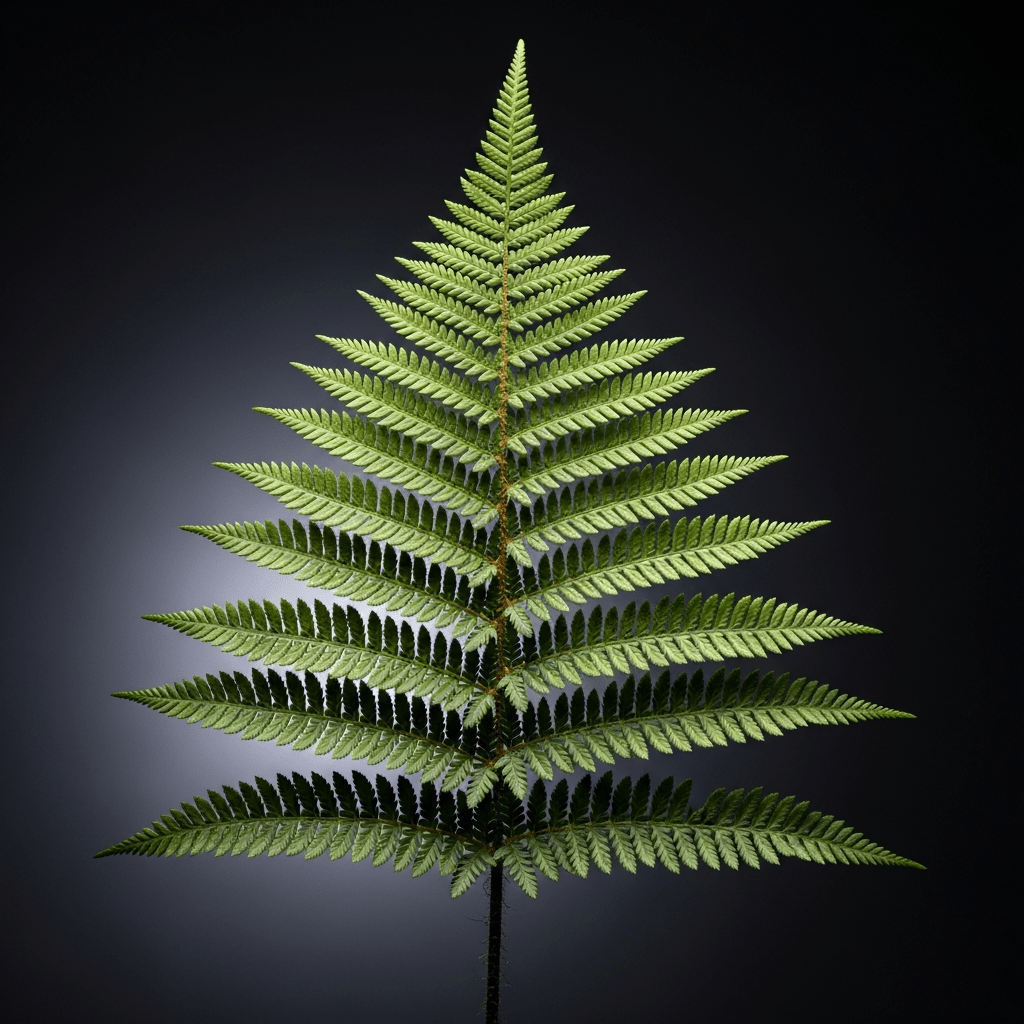
High quality, studio-style photograph of a single Dryopteridaceae (family)
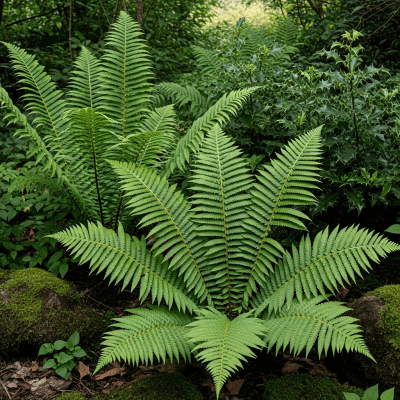
Photograph of a Dryopteridaceae (family), of the taxonomy ferns, shown growing in its natural environment, such as a forest understory or shaded woodland
Detailed macro image of the fronds and leaflets of a Dryopteridaceae (family), focusing on texture, venation, and sori (spore cases) if visible
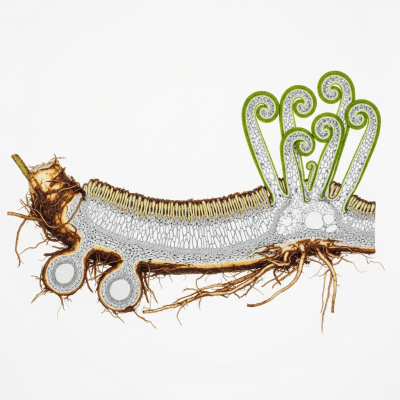
Cross-sectional illustration or photograph of a Dryopteridaceae (family), showing internal structure such as rhizome, roots, and vascular bundles
Photograph of a mature Dryopteridaceae (family), with visible sporangia or sori on the underside of its fronds, highlighting its reproductive structures
Image depicting a Dryopteridaceae (family) as traditionally used by humans, such as in ornamental garden settings, floral arrangements, or as part of indigenous cultural practices

Composition & Context

Taxon-Specific Insights

🌿Ecological Roles

These ferns play crucial roles in forest ecosystems by contributing to understory structure, stabilizing soil, and maintaining moisture levels. Their presence supports biodiversity by providing habitat and microclimates for various organisms, while their tolerance to diverse environmental conditions helps sustain forest health across a wide elevational range.

🛡️Conservation Status

Dryopteridaceae species generally exhibit resilience across broad habitats, with many tolerant of cold and drought. However, habitat loss and environmental changes pose localized threats. Conservation efforts focus on habitat preservation and monitoring, with taxonomic clarity aiding in identifying vulnerable species within the family.

🌾Popular Species And Varieties

Notable genera within Dryopteridaceae include Dryopteris and Polystichum, both widely cultivated for their ornamental value. These genera feature numerous species and cultivars prized for distinctive frond shapes, sizes, and textures, making them staples in shade gardens and landscaped woodlands worldwide.

Faq

Q: Where are Dryopteridaceae ferns naturally found?
They have a global distribution, primarily inhabiting shaded, moist forests, woodlands, and rocky slopes.

Q: Are Dryopteridaceae ferns safe to eat?
Culinary use is rare and generally discouraged due to potential toxicity.

Q: How do these ferns reproduce?
Like other ferns, they reproduce via spores produced in sori beneath their fronds.