Soft Tree Fern
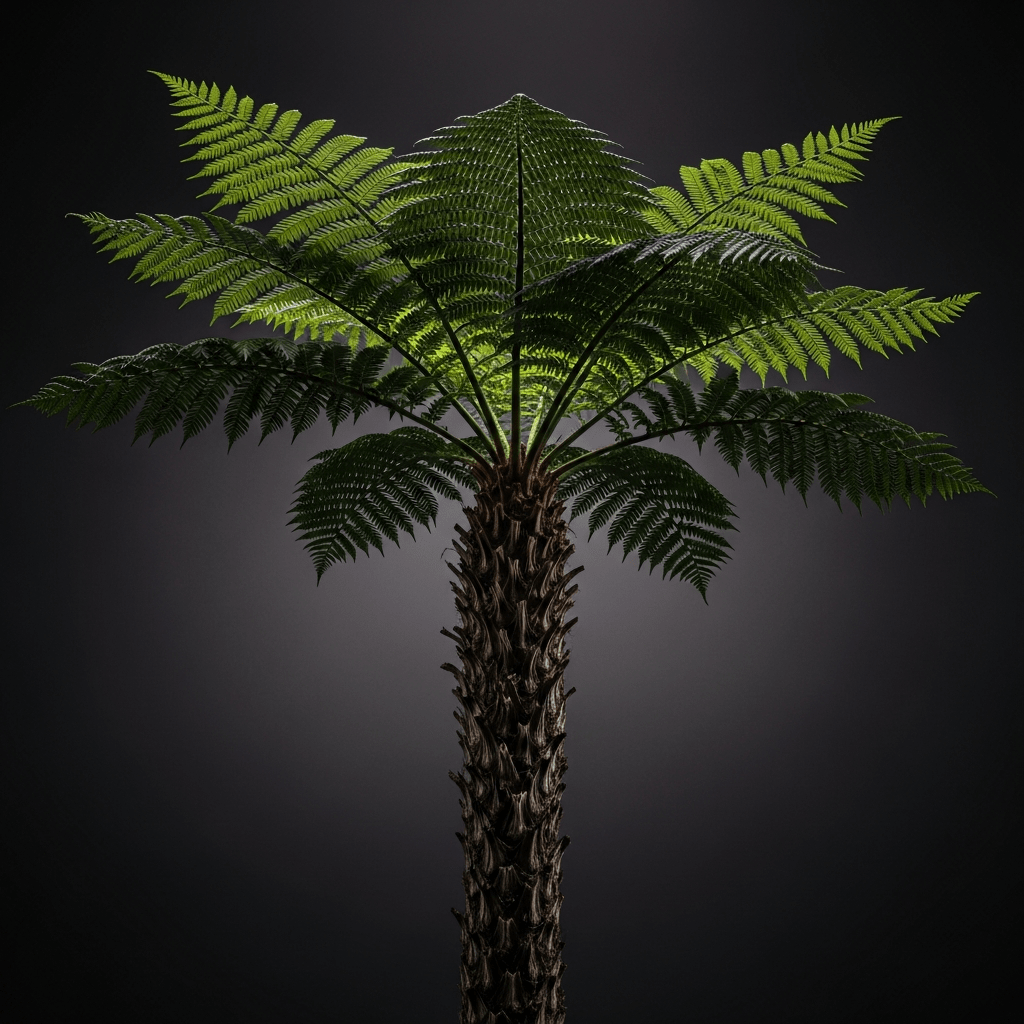
Dicksonia antarctica, known as the soft tree fern or Tasmanian tree fern, is a large, trunk-forming evergreen fern native to southeastern Australia, prized for its architectural presence and lush, arching fronds.
Dicksonia antarctica, known as the soft tree fern or Tasmanian tree fern, is a large, trunk-forming evergreen fern native to southeastern Australia, prized for its architectural presence and lush, arching fronds.
First described by botanist Robert Brown in 1810, Dicksonia antarctica was identified from specimens collected in Tasmania, Australia. Its discovery in the temperate rainforests of southeastern Australia marked the introduction of one of the most iconic tree ferns native to this region.
Dicksonia antarctica belongs to the family Dicksoniaceae within the order Cyatheales, class Polypodiopsida, division Monilophyta. It is a member of the genus Dicksonia, a group of true ferns distinguished by their tree-like growth form and robust fibrous trunks.
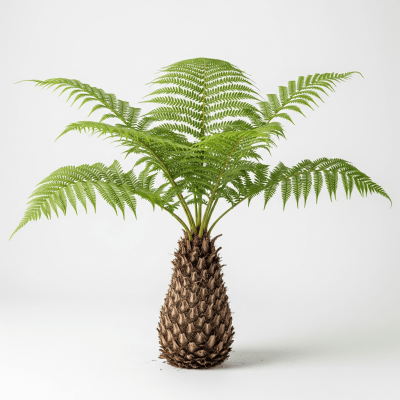
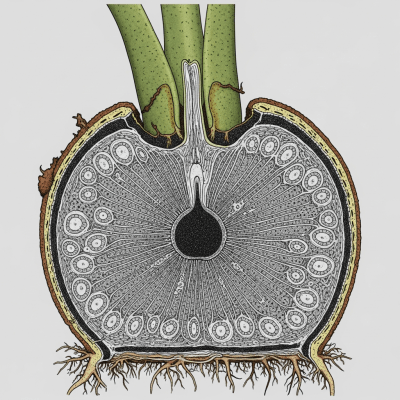
This terrestrial fern grows a distinctive fibrous trunk up to 15 meters tall and 60 centimeters in diameter, formed by persistent leaf bases and adventitious roots. Its large, bipinnate fronds can reach up to 4 meters in length, arching gracefully with a soft, dark green texture that enhances its lush, tropical appearance.
Dicksonia antarctica thrives in moist, shaded temperate rainforests and gullies, favoring acidic, humus-rich soils with consistent moisture. It is frost-tolerant and can withstand moderate drought once established. Widely cultivated for ornamental landscaping and restoration, its fibrous trunk is also harvested for use in potting mixes and orchid cultivation, adding functional value beyond its visual appeal.
Bring this kind into your world illustrated posters, mugs, and shirts.
Archival print, museum-grade paper
Buy Poster
Stoneware mug, dishwasher safe
Buy Mug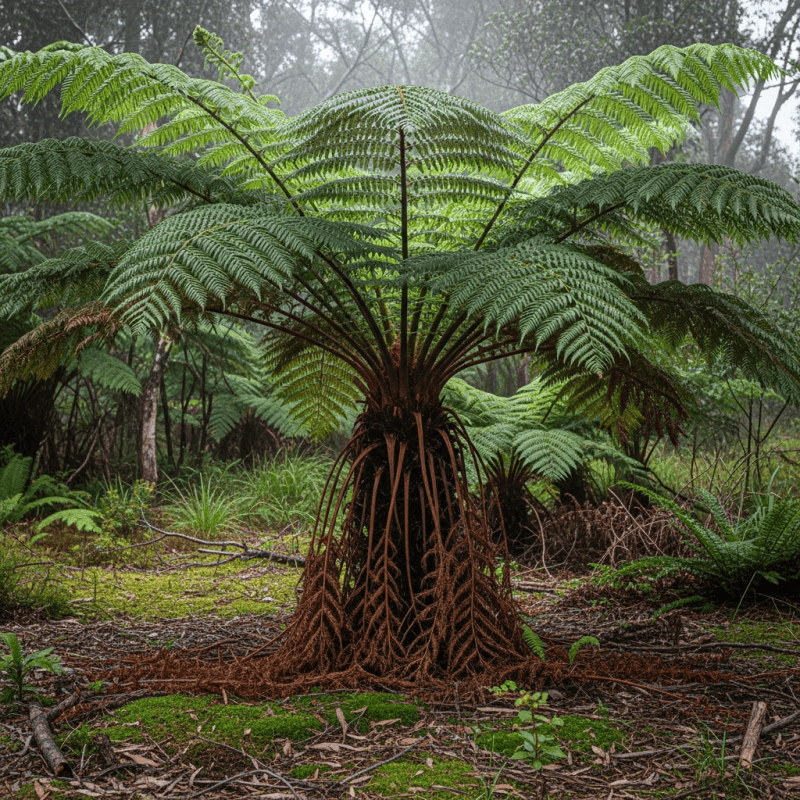
Soft cotton tee, unisex sizes
Buy ShirtWhile Dicksonia antarctica holds no widely documented symbolic or mythological roles, it is culturally significant in horticulture and landscape design, especially in Australia and temperate regions worldwide. Its majestic form often evokes a sense of ancient forest beauty and is valued as a living link to prehistoric plant lineages.
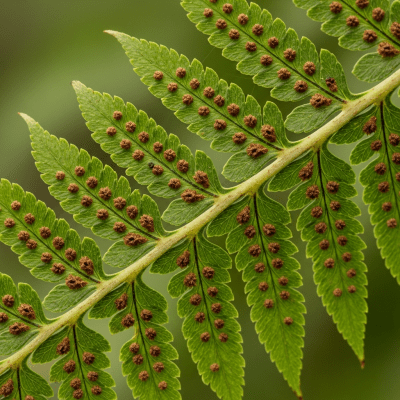
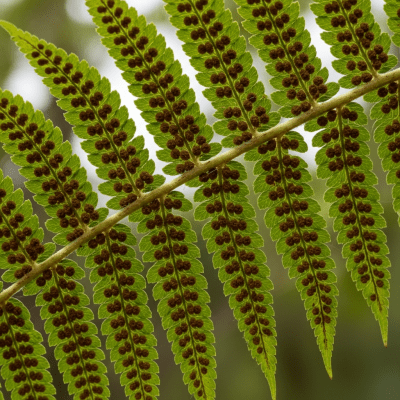
Dicksonia antarctica reproduces through spores produced in clusters called sori on the undersides of its fronds. These spores develop into a gametophyte stage, which is a small, independent plant that produces gametes. Fertilization leads to the growth of a new sporophyte, the familiar fern plant. This life cycle alternates between the spore-bearing sporophyte and the gametophyte, a hallmark of all true ferns.
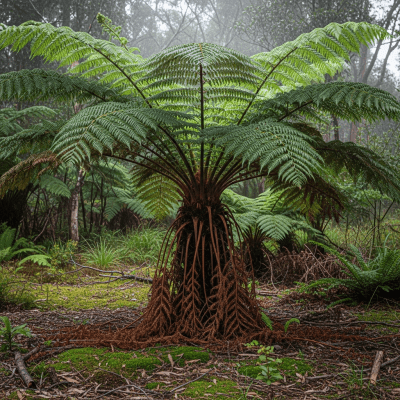
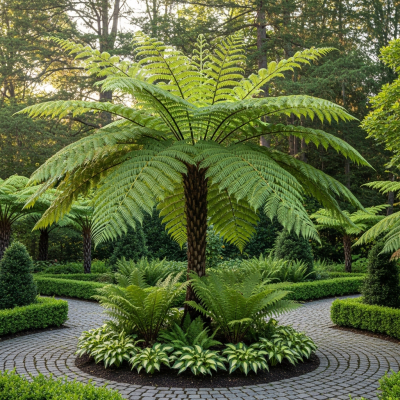
In its native temperate rainforest habitat, Dicksonia antarctica plays a vital role by providing structural complexity and microhabitats. Its large fronds create shaded understories that support diverse plant and animal communities. The fibrous trunk retains moisture, aiding local humidity and serving as a substrate for epiphytes and invertebrates, thus contributing to ecosystem biodiversity.
While not globally threatened, Dicksonia antarctica faces regional pressures from habitat loss and overharvesting of its fibrous trunks. It is protected in parts of Tasmania and Victoria, with regulations in place to manage commercial trade and ensure sustainable use. Conservation efforts focus on habitat preservation and cultivation to reduce wild collection.
Dicksonia antarctica is the most widely known and cultivated species within the genus Dicksonia. Although it has no formally recognized cultivars, it is often distinguished in horticulture by size and trunk robustness. It is sometimes confused with related species like Dicksonia fibrosa and tree ferns of the genus Cyathea, but D. antarctica remains the preferred choice for temperate gardens due to its hardiness.