
Bracken Family
Dennstaedtiaceae is a globally distributed family of terrestrial ferns known for their large, highly divided fronds and distinctive reproductive structures, including cup-shaped indusia and marginal sori.
Dennstaedtiaceae is a globally distributed family of terrestrial ferns known for their large, highly divided fronds and distinctive reproductive structures, including cup-shaped indusia and marginal sori.
The Dennstaedtiaceae family was first formally described in 1868 by Joseph Dalton Hooker, with Dennstaedtia as its type genus. Its current circumscription follows modern molecular phylogenetic insights established by the Pteridophyte Phylogeny Group in 2016, reflecting a refined understanding of its evolutionary relationships.
Belonging to the order Polypodiales within the class Polypodiopsida, Dennstaedtiaceae represents a distinct family of true ferns (Monilophyta). It is recognized for its unique morphological traits and ecological dominance, with some taxonomic debate surrounding the inclusion of certain genera such as Paesia and Blotiella.
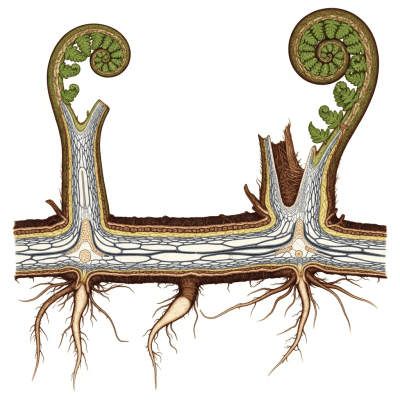
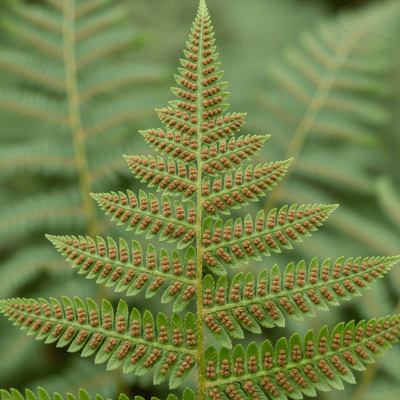
Members of Dennstaedtiaceae typically exhibit large, bipinnate to tripinnate fronds that can reach several meters in length. Their creeping, often deeply buried rhizomes enable aggressive spreading. The family is characterized by cup-shaped indusia covering marginal sori and lacks true scales on the rhizomes, giving these ferns a distinctive appearance in their native habitats.
Dennstaedtiaceae ferns thrive across diverse habitats, from temperate woodlands to tropical montane forests, often colonizing disturbed areas rapidly. Their creeping rhizomes and prolific spore production facilitate aggressive spread. Some species, notably bracken ferns (Pteridium), produce toxic compounds that deter grazing, making them resilient but challenging to manage in agronomic contexts.
Bring this kind into your world illustrated posters, mugs, and shirts.

Archival print, museum-grade paper
Buy Poster
Stoneware mug, dishwasher safe
Buy Mug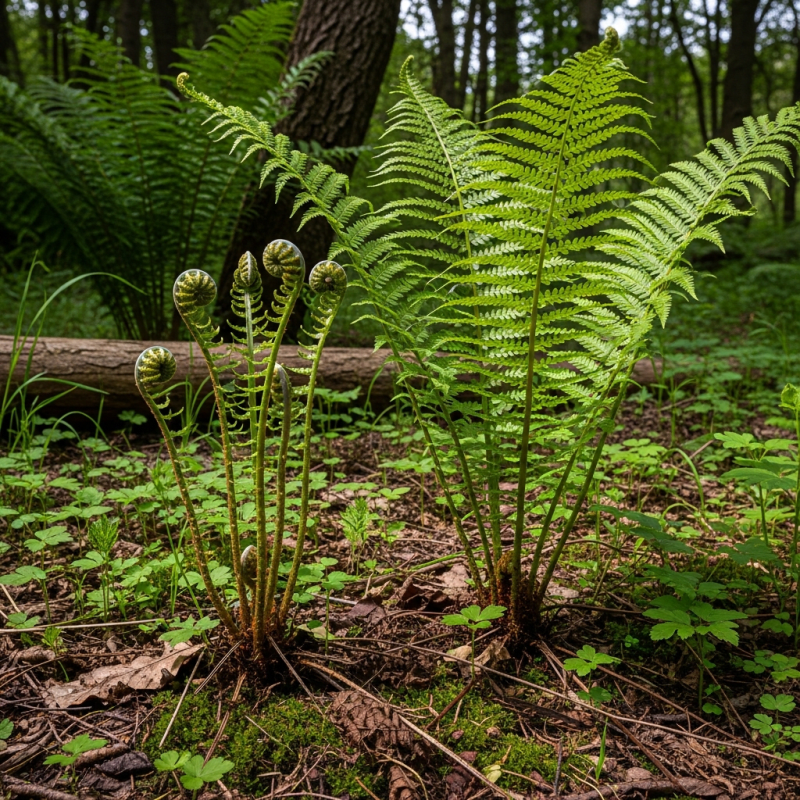
Soft cotton tee, unisex sizes
Buy ShirtWhile generally rare in ornamental cultivation, some Dennstaedtia species are appreciated for their attractive fronds. Bracken ferns hold culinary significance in East Asia, where they are consumed after careful processing due to their toxic constituents. Ecologically, the family plays a role in soil stabilization and pioneering vegetation, though some species are considered invasive weeds in certain regions.
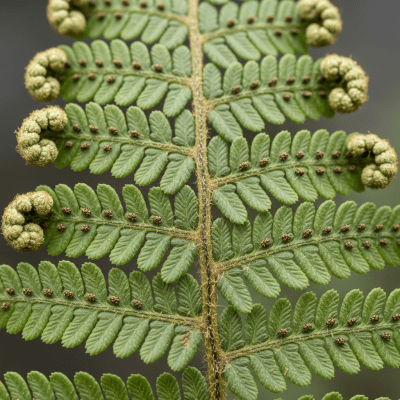
Dennstaedtiaceae ferns reproduce via spores produced in sori located along the frond margins, protected by cup-shaped indusia. Their life cycle includes an alternation of generations, with a free-living gametophyte stage that produces gametes for fertilization, leading to the development of the sporophyte fern plant. The extensive rhizome system supports vegetative spread, complementing spore dispersal for colonization.

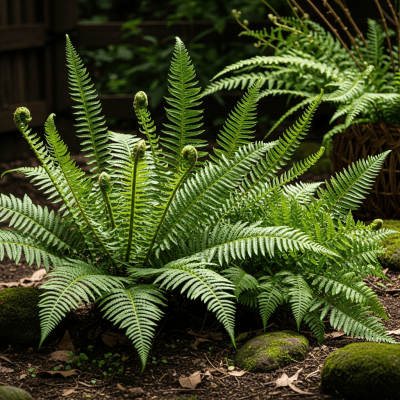
These ferns play vital ecological roles as pioneer species in disturbed habitats, aiding soil stabilization and ecosystem recovery. Their dense growth can influence plant community dynamics by competing for resources and, in some cases, through allelopathic effects. Their resistance to grazing due to toxic compounds also shapes herbivore interactions within their ecosystems.
Dennstaedtiaceae ferns are generally widespread and not globally threatened, with a native distribution spanning multiple continents. However, some species, such as bracken ferns, can become invasive outside their native ranges, posing ecological challenges. Conservation efforts focus more on managing invasiveness and habitat preservation rather than species-level protection.
The most well-known member of Dennstaedtiaceae is Pteridium aquilinum, commonly known as bracken fern, notable for its global distribution and ecological impact. Other cultivated species include various Dennstaedtia species valued for their ornamental fronds, though cultivation remains limited compared to other fern families.