Tree Ferns
Cyatheaceae is the family of tree ferns, renowned for their distinctive arborescent growth and large, elegant fronds that grace tropical and subtropical forests worldwide.
Cyatheaceae is the family of tree ferns, renowned for their distinctive arborescent growth and large, elegant fronds that grace tropical and subtropical forests worldwide.
The family Cyatheaceae was formally described in 1827 by Kaulfuss, with the type genus Cyathea anchoring its classification. This lineage traces back to the Mesozoic era, marking it as an ancient group of ferns whose current diversity reflects a long evolutionary history shaped by tropical and subtropical forest habitats.
Cyatheaceae belongs to the order Cyatheales within the class Polypodiopsida, division Monilophyta. It is distinguished from related tree fern families such as Dicksoniaceae and Cibotiaceae by molecular phylogenetic studies, which have refined its circumscription and clarified generic boundaries within the family.
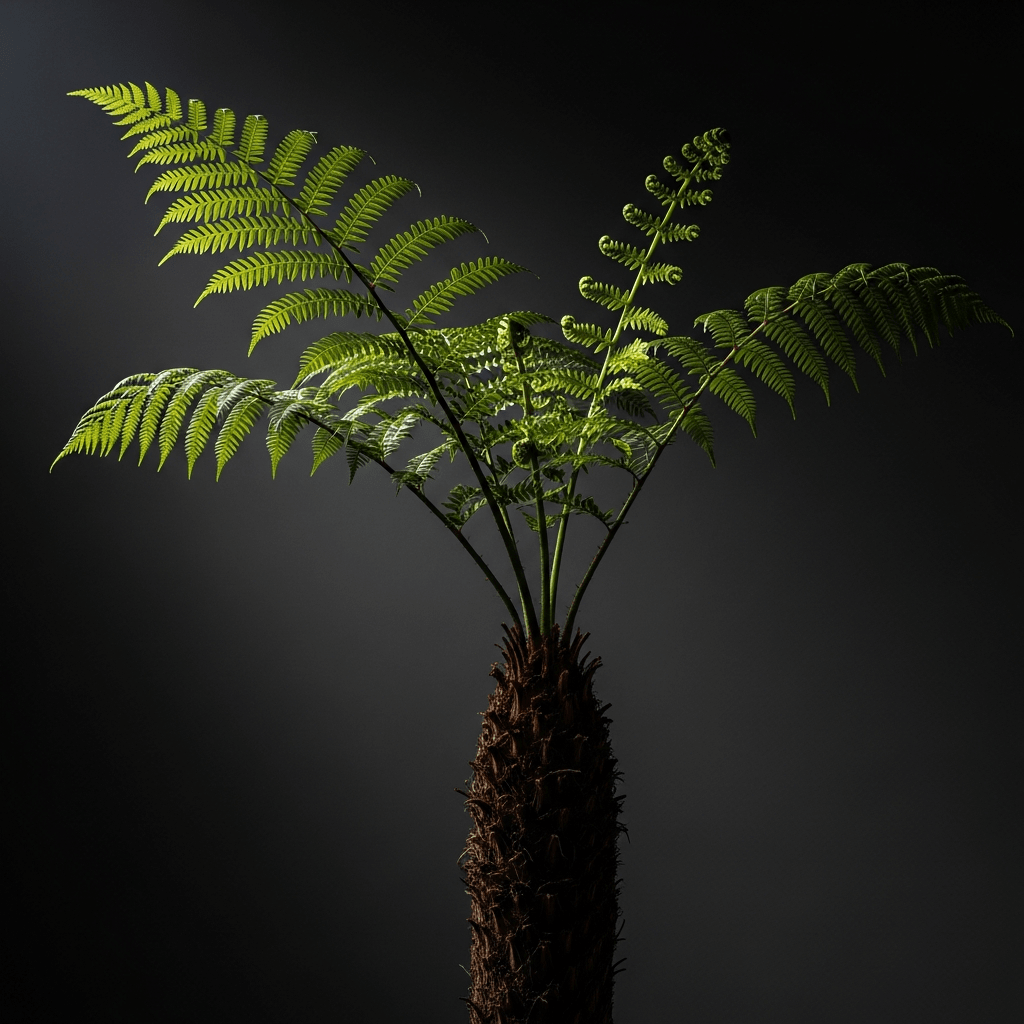
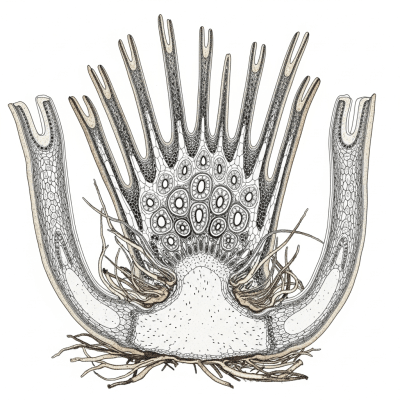
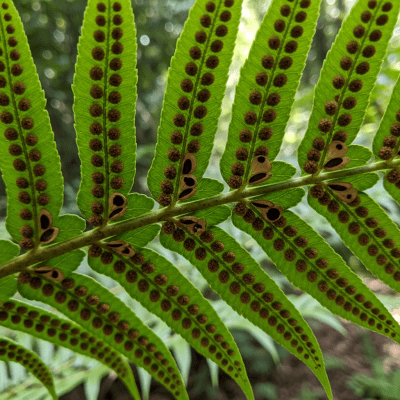
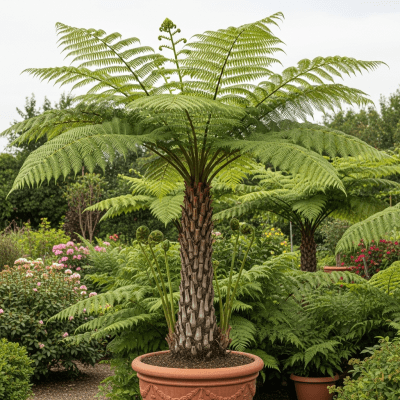
Members of Cyatheaceae exhibit a striking tree-like form, with erect or occasionally prostrate trunks formed by persistent leaf bases and adventitious roots. Their fronds are large, pinnate to bipinnate, often extending several meters, adorned with sori typically shielded by delicate indusia. The stipes and trunks bear characteristic scales or hairs, enhancing their textured appearance.
These ferns thrive in moist, shaded environments of tropical and subtropical forests, where they contribute structurally as arborescent plants. Cultivated widely as ornamentals in subtropical and temperate gardens, their trunks also serve as natural substrates for epiphytes, making them valuable in landscaping and ecological restoration projects.
Bring this kind into your world illustrated posters, mugs, and shirts.

Archival print, museum-grade paper
Buy Poster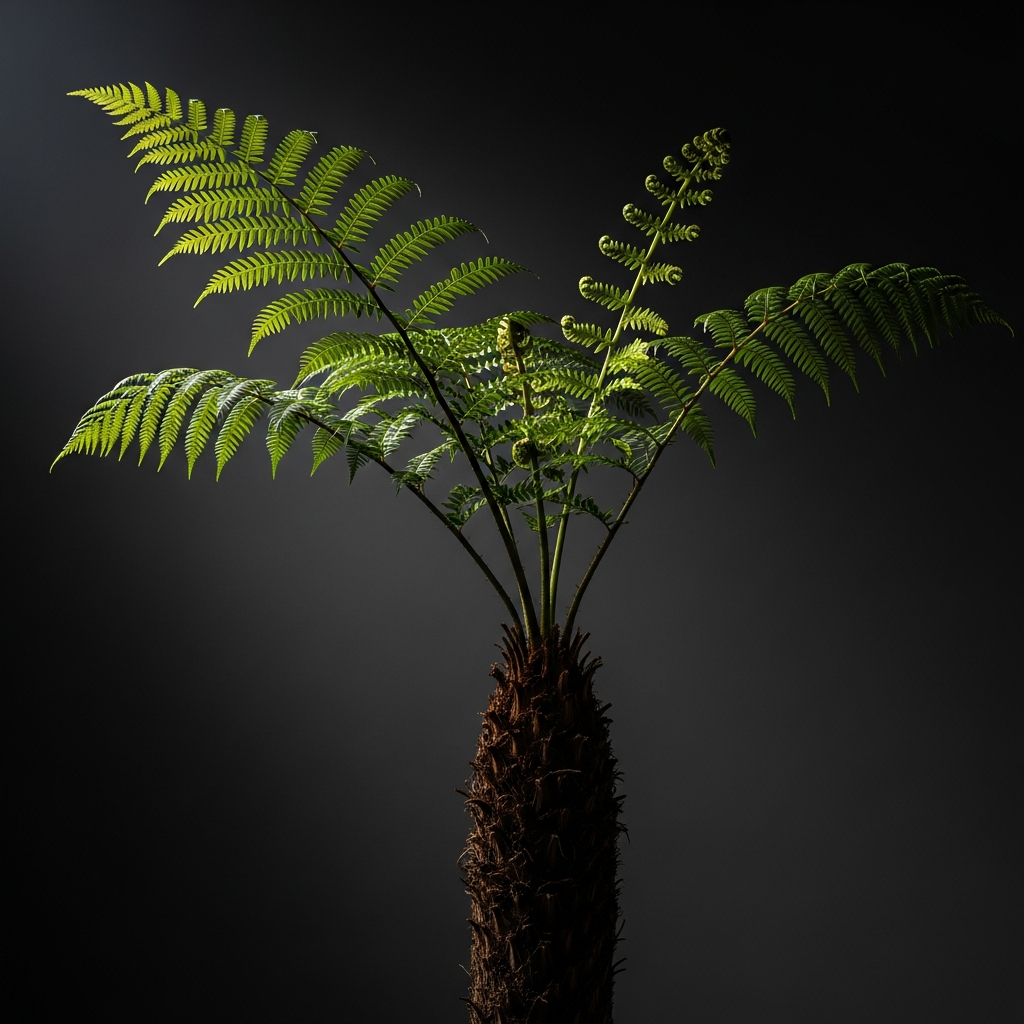
Stoneware mug, dishwasher safe
Buy Mug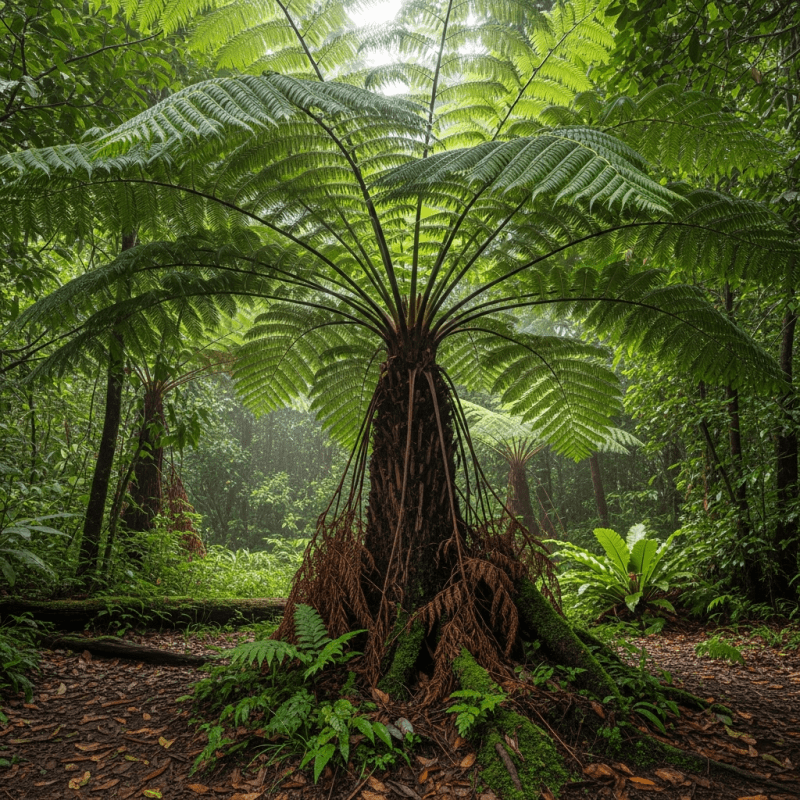
Soft cotton tee, unisex sizes
Buy ShirtWhile Cyatheaceae species hold limited documented cultural or medicinal uses, their majestic presence has inspired horticultural appreciation and symbolic recognition as emblematic tree ferns in various regions. They appear in garden design and restoration efforts, embodying the lushness of forest ecosystems.
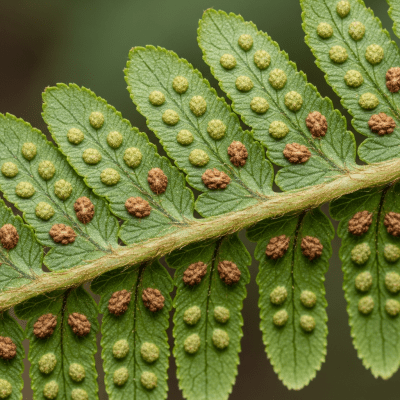
Like all ferns, Cyatheaceae reproduce via spores produced in clusters called sori, usually protected by indusia. Their life cycle alternates between a dominant sporophyte phase—the familiar tree fern form—and a smaller, independent gametophyte stage. Spores released from mature sori germinate into gametophytes, which produce gametes that fuse to form new sporophytes, continuing the cycle.


Cyatheaceae ferns play vital roles in forest ecosystems by contributing vertical structure and habitat complexity. Their large fronds provide shelter and microhabitats for diverse organisms, while their trunks serve as substrates for epiphytes. They also participate in forest succession and soil stabilization within tropical and subtropical environments.
While many Cyatheaceae species thrive in their native habitats, ongoing habitat loss and deforestation in tropical and subtropical regions pose threats. Conservation efforts focus on habitat protection and sustainable cultivation, with some species included in horticultural registries to promote awareness and preservation.
Notable genera within Cyatheaceae include Cyathea, Sphaeropteris, Alsophila, and Gymnosphaera. These genera encompass species widely cultivated for their impressive size and ornamental appeal, although precise generic boundaries remain under scientific review.