Blechnum Family
Blechnaceae is a globally distributed family of ferns distinguished by their dimorphic fronds and unique linear sori, encompassing over 250 species adapted to a wide range of habitats.
Blechnaceae is a globally distributed family of ferns distinguished by their dimorphic fronds and unique linear sori, encompassing over 250 species adapted to a wide range of habitats.
First described by René Louiche Desvaux in 1827, Blechnaceae's classification has evolved considerably, especially with recent molecular studies that expanded its circumscription to include genera formerly placed in Lomariopsidaceae and Onocleaceae, reflecting its complex evolutionary history.
Blechnaceae belongs to the order Polypodiales within the class Polypodiopsida and the division Monilophyta. It comprises approximately 24 genera and over 250 species, recognized broadly by the Pteridophyte Phylogeny Group (PPG I) with some ongoing debate over generic boundaries.
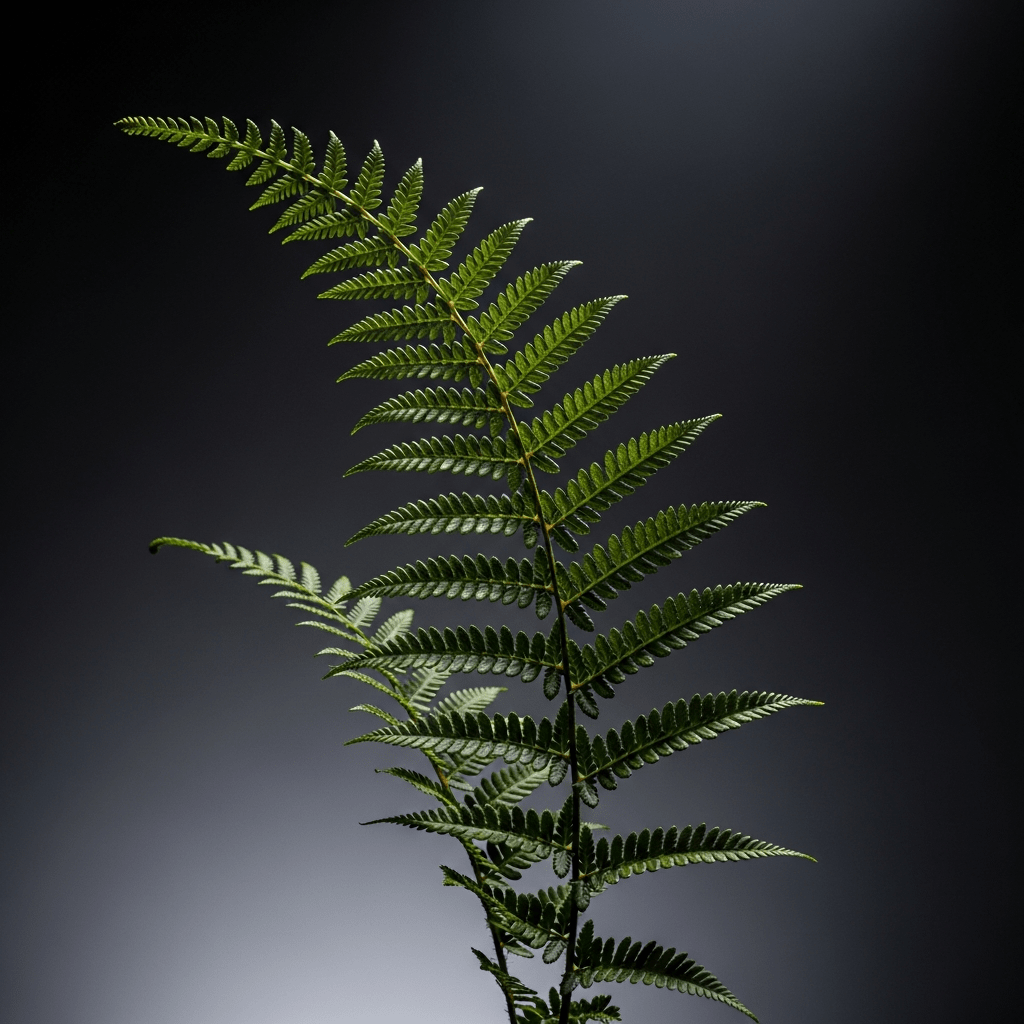
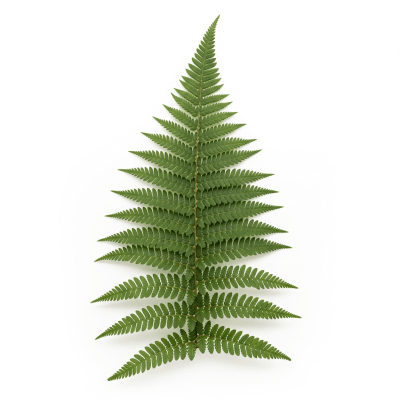
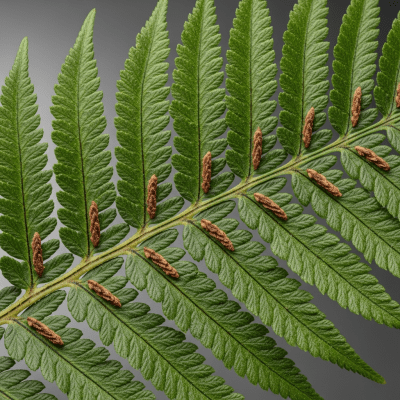
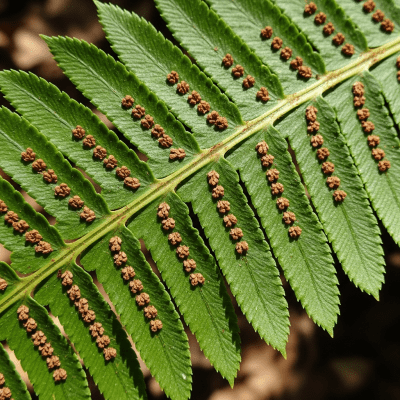
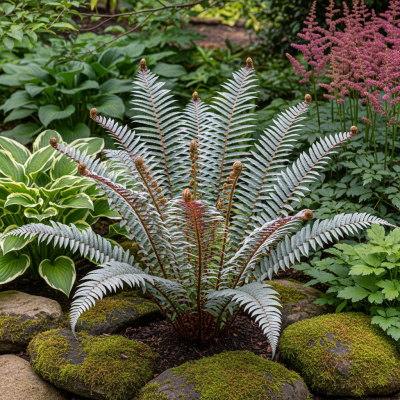
Members of Blechnaceae typically have terrestrial growth with creeping to erect rhizomes covered in scales. Their fronds are dimorphic, featuring distinct sterile and fertile leaves; fertile fronds bear contracted pinnae with linear sori protected by indusia. Leaf texture varies from leathery to herbaceous, with pinnate venation, setting them apart visually and tactually from other fern families.
Blechnaceae ferns occupy diverse environments from moist forests to open grasslands, with some species thriving in disturbed or degraded areas. Several species, such as Blechnum spicant and Woodwardia fimbriata, are cultivated ornamentally for their attractive foliage and adaptability. Ecologically, they contribute to soil stabilization and are used in restoration projects due to their robust root systems.
Bring this kind into your world illustrated posters, mugs, and shirts.
Archival print, museum-grade paper
Buy Poster
Stoneware mug, dishwasher safe
Buy Mug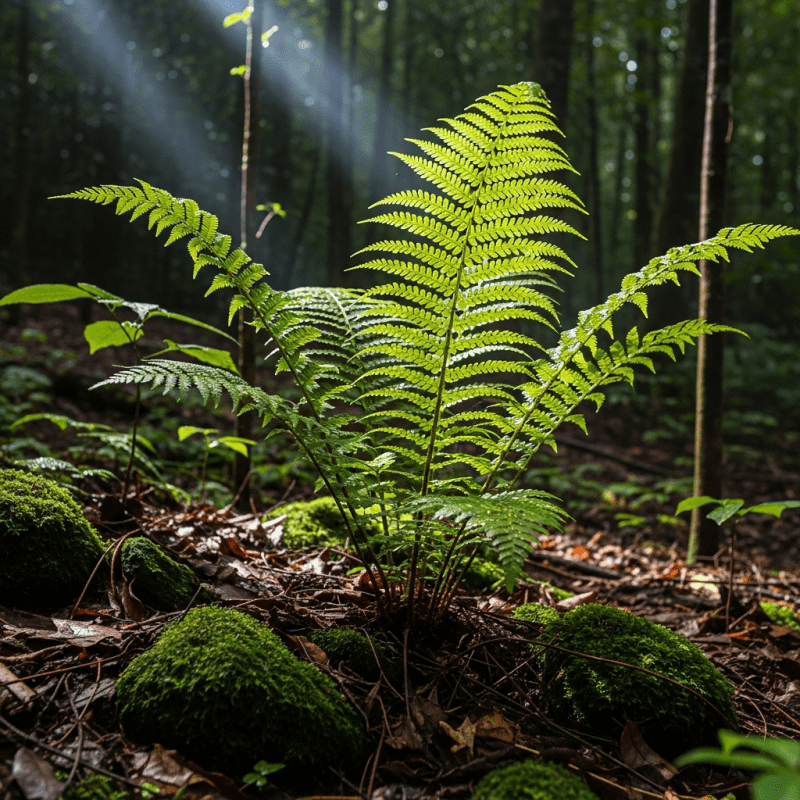
Soft cotton tee, unisex sizes
Buy ShirtWhile Blechnaceae ferns are valued primarily for their ornamental and ecological roles, there is limited documentation of their cultural or symbolic significance in art or mythology.
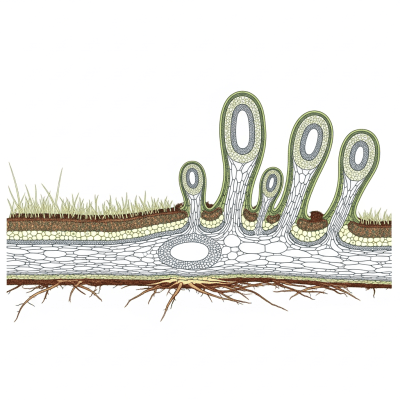
Like all true ferns, Blechnaceae reproduce via spores produced in sori on the underside of fertile fronds. Their life cycle includes an alternation of generations, with a dominant sporophyte phase producing spores that grow into independent gametophytes. Fertilization occurs on the gametophyte, leading to the development of a new sporophyte fern.
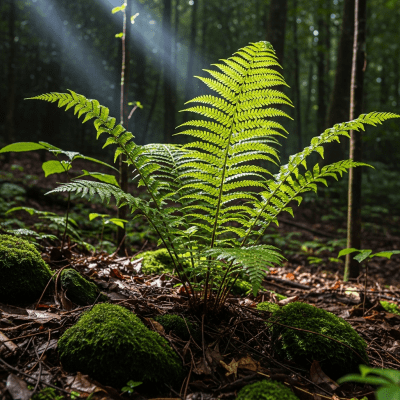
Blechnaceae ferns contribute significantly to ecosystem health by stabilizing soil with their extensive root systems and colonizing disturbed habitats. Their presence supports biodiversity, providing microhabitats and contributing to nutrient cycling in forest and grassland ecosystems.
While many Blechnaceae species are widespread and adaptable, some face habitat loss and environmental pressures. Conservation efforts focus on habitat protection and restoration, but the family as a whole is not currently considered at high risk globally.
Notable species within Blechnaceae include Blechnum spicant, valued for its evergreen, leathery fronds; Woodwardia fimbriata, known for its large, graceful foliage; and Struthiopteris spicant, recognized for its distinctive fertile fronds. These species are commonly cultivated and appreciated in horticulture.