Lady Fern
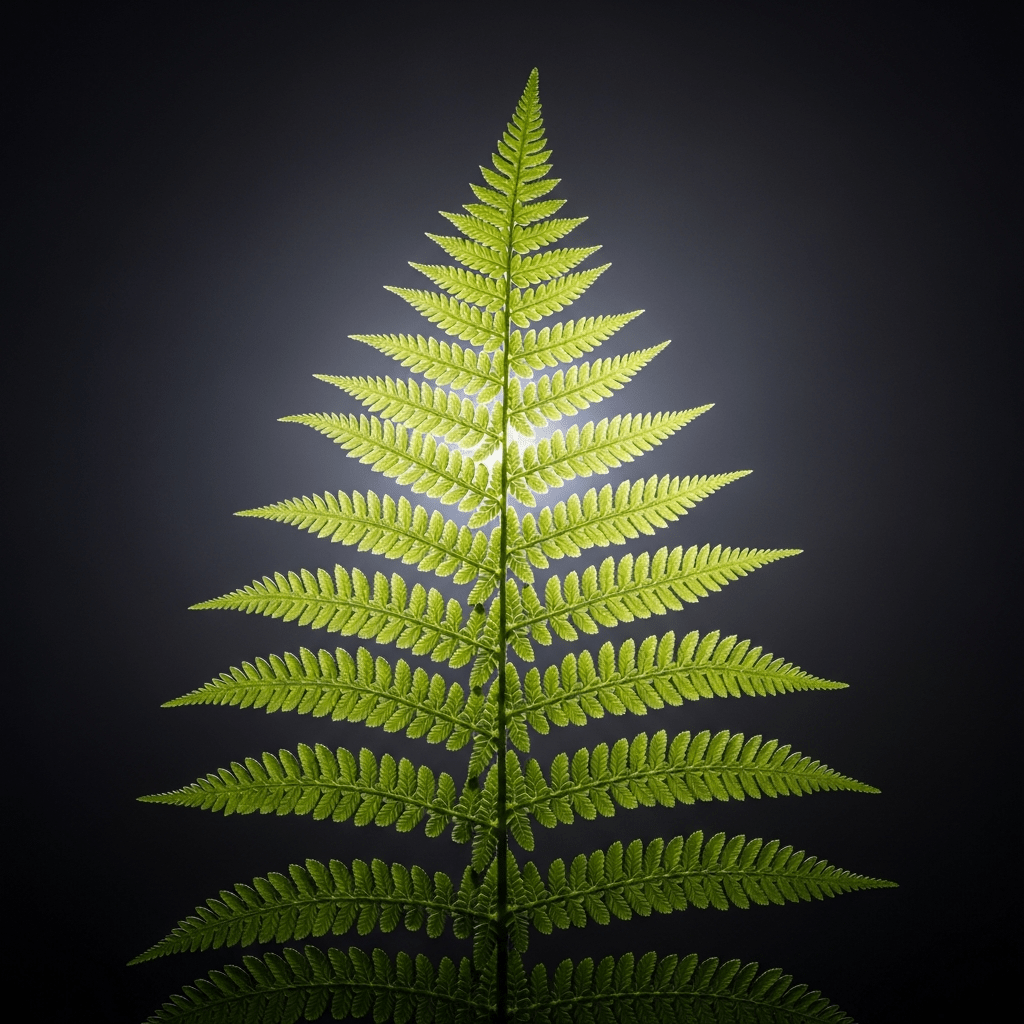
Athyrium filix-femina, commonly known as the Lady Fern, is a medium-sized, deciduous fern native to temperate regions of the Northern Hemisphere, prized for its delicate, lacy fronds and adaptability to shaded, moist woodland environments.
Athyrium filix-femina, commonly known as the Lady Fern, is a medium-sized, deciduous fern native to temperate regions of the Northern Hemisphere, prized for its delicate, lacy fronds and adaptability to shaded, moist woodland environments.
This species was first described by Carl Linnaeus in 1753 as Polypodium filix-femina and later reassigned to the genus Athyrium by Roth in 1800. Its type specimen originates from Europe and is preserved at the LINN herbarium, marking its well-documented botanical heritage within the Athyriaceae family.
Athyrium filix-femina belongs to the kingdom Plantae, division Monilophyta, class Polypodiopsida, order Polypodiales, and family Athyriaceae. It is a core representative of the genus Athyrium, fitting firmly within the true ferns group characterized by vascular, spore-bearing plants with complex fronds and sori.
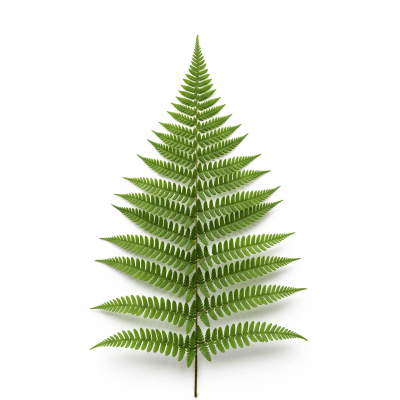
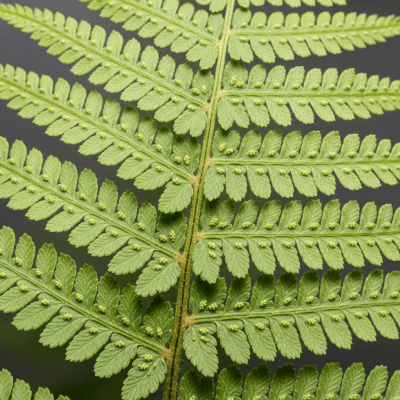
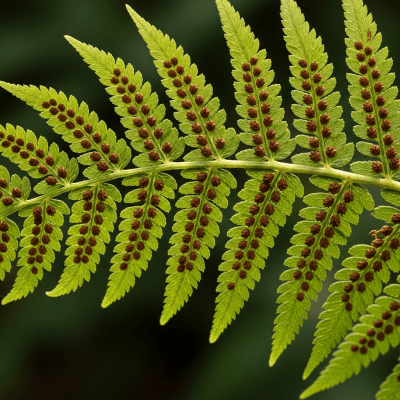
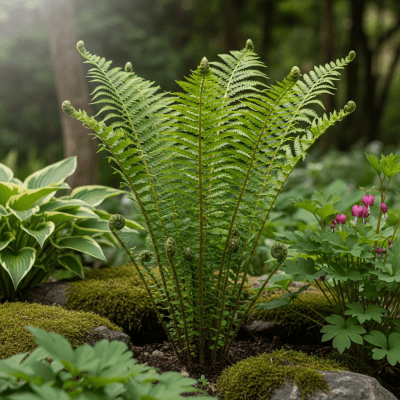
This terrestrial fern grows between 60 and 120 cm tall, forming dense clumps of arching fronds that are bipinnate to tripinnate. The fronds are light green with slender stipes featuring a prominent groove on their upper surface, giving the plant a soft, lacy, and elegant texture. Its sori are elongate and J-shaped, protected by a thin indusium, a delicate membrane covering the spore clusters.
Athyrium filix-femina thrives in moist, humus-rich soils under shaded to semi-shaded conditions, commonly inhabiting woodlands, streambanks, and damp meadows from lowlands up to 2,000 meters elevation. It forms dense clumps with arching fronds, making it a valued ornamental plant in shade gardens and ecological restoration projects. Propagation is achieved through spores or division, and the species shows moderate resistance to deer and rabbit browsing. Occasionally, its attractive fronds are used in floristry.
Bring this kind into your world illustrated posters, mugs, and shirts.
Archival print, museum-grade paper
Buy Poster
Stoneware mug, dishwasher safe
Buy Mug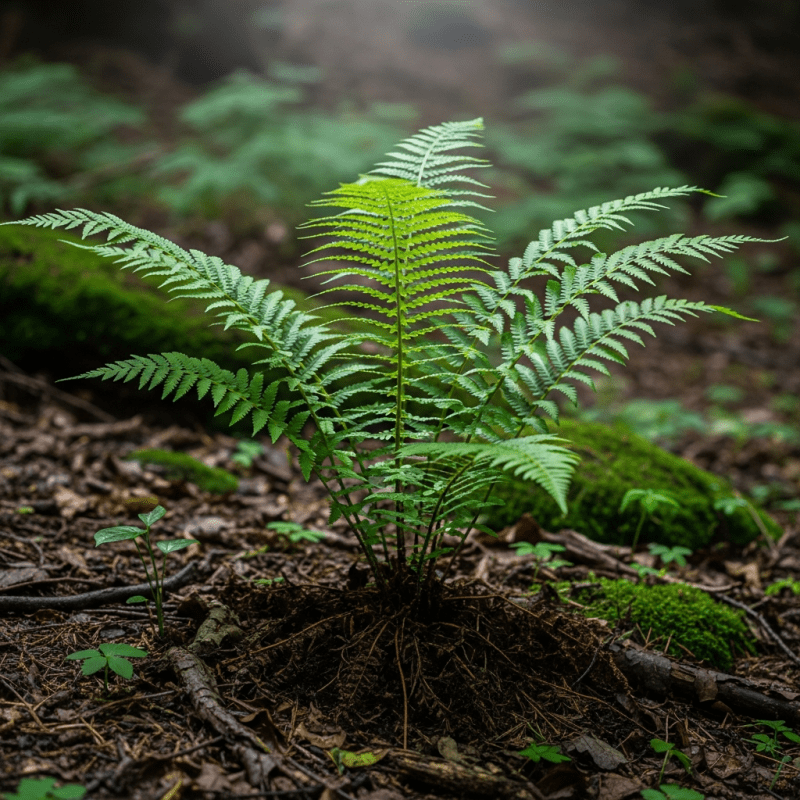
Soft cotton tee, unisex sizes
Buy ShirtWhile Athyrium filix-femina does not have widely documented cultural or symbolic roles, its common name, Lady Fern, reflects a long-standing appreciation for its graceful appearance. It is appreciated in horticulture and ecological restoration, contributing aesthetically and environmentally to garden and woodland settings.
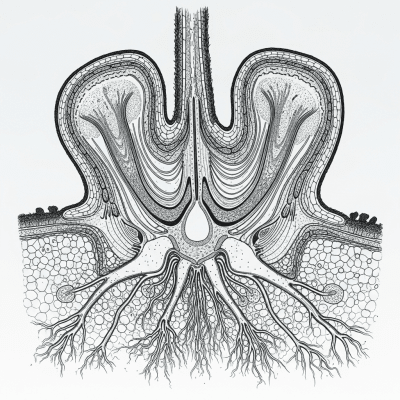
Like all true ferns, Athyrium filix-femina reproduces via spores produced in sori on the underside of its fronds. The sori are elongate and J-shaped, covered by a thin indusium that protects developing spores. Spores disperse to germinate into a small, heart-shaped gametophyte, which then produces gametes for fertilization. The resulting sporophyte grows into the familiar leafy fern, completing the life cycle. This species can also propagate vegetatively through division of its rhizomes, allowing clonal expansion.
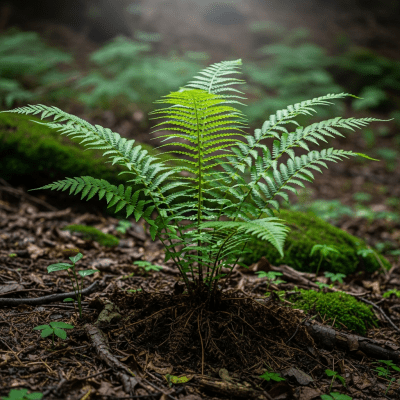
The Lady Fern plays a vital role in forest and riparian ecosystems by stabilizing soil in moist, shaded habitats such as woodlands and streambanks. Its dense fronds provide shelter and microhabitats for small invertebrates, while its presence contributes to biodiversity and understory complexity. Its moderate resistance to herbivory helps maintain its populations, supporting ecological balance.
Athyrium filix-femina is currently not considered threatened and enjoys a wide native range across temperate regions of the Northern Hemisphere. Its adaptability to various shaded, moist habitats and moderate resistance to browsing contribute to its stable populations. There are no major conservation concerns, though habitat loss and environmental changes could impact local populations.
While Athyrium filix-femina itself is the widely recognized species, some authorities recognize several subspecies or varieties, such as subsp. angustum and subsp. californicum, reflecting regional adaptations in Europe and North America. In horticulture, it is favored for shade gardens and restoration, though no notable cultivars are formally registered.