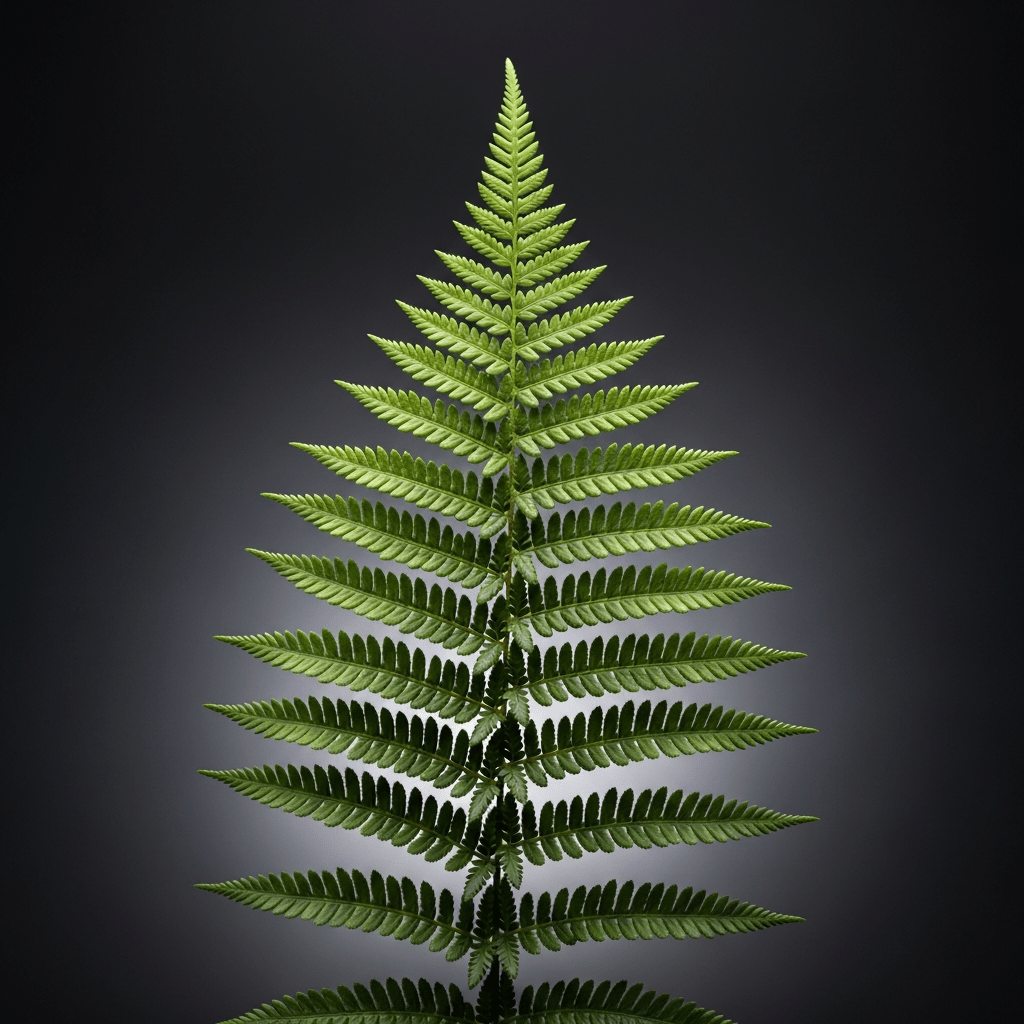
Lady Fern Family
Athyriaceae is a family of terrestrial ferns known for their pinnate to bipinnate fronds and adaptability to moist, shaded habitats worldwide.
Athyriaceae is a family of terrestrial ferns known for their pinnate to bipinnate fronds and adaptability to moist, shaded habitats worldwide.
The family Athyriaceae was formally described in 1956 by Arthur H.G. Alston, with its type genus Athyrium originating from Europe. Its recognition as a distinct family has evolved over time, shaped by molecular phylogenetic studies that clarified its boundaries within the order Polypodiales.
Athyriaceae belongs to the order Polypodiales within the class Polypodiopsida of the division Monilophyta. It comprises approximately 5–7 genera and over 700 species, including well-known genera such as Athyrium, Deparia, and Diplazium. Historically, some of its genera were placed in families like Aspleniaceae or Woodsiaceae, but modern classifications based on DNA evidence recognize Athyriaceae as a distinct lineage.
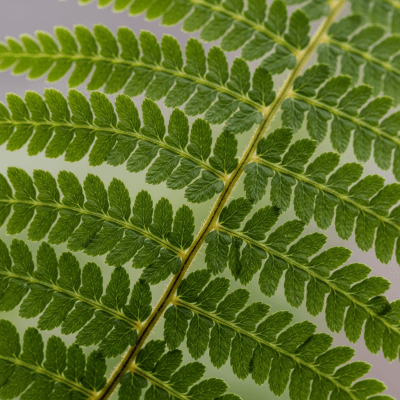
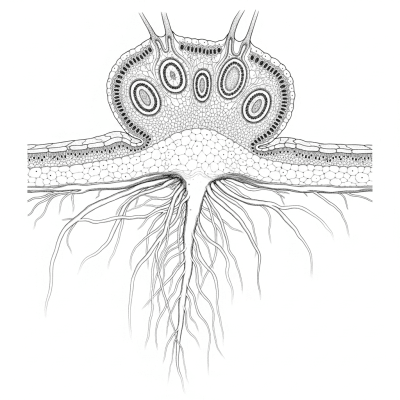
Members of Athyriaceae typically exhibit terrestrial growth with slender, often creeping rhizomes. Their fronds are usually pinnate to bipinnate, displaying delicate, finely divided leaflets. Sori are linear to oblong and often lack protective indusia or have only rudimentary ones. Distinctive traits include vascular bundles in the petiole and the absence of articulate hairs, contributing to their diverse forms ranging from woodland to alpine-adapted species.
Athyriaceae ferns thrive in moist, shaded environments such as temperate woodlands, montane forests, and along stream banks. They are valued horticulturally for their attractive foliage and adaptability to garden conditions. While primarily ornamental, some species like Diplazium esculentum are also consumed as vegetables in parts of Asia, reflecting their modest culinary use.
Bring this kind into your world illustrated posters, mugs, and shirts.

Archival print, museum-grade paper
Buy Poster
Stoneware mug, dishwasher safe
Buy Mug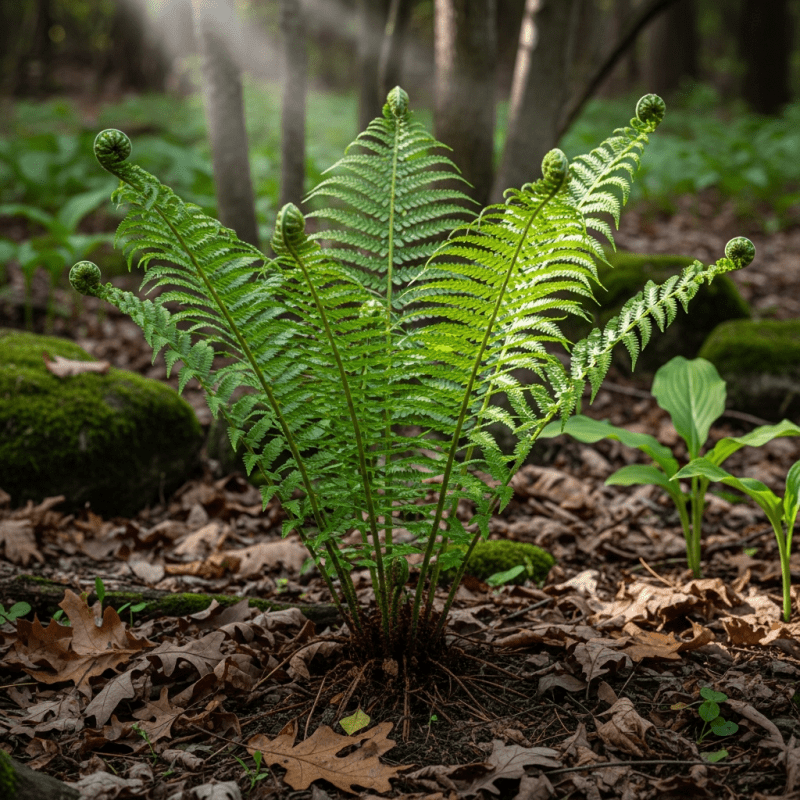
Soft cotton tee, unisex sizes
Buy ShirtThough primarily appreciated for their ornamental appeal, Athyriaceae ferns hold cultural value in various regions where species like the lady fern (Athyrium filix-femina) are familiar garden plants. Their delicate fronds often inspire artistic representations in botanical art and garden design, symbolizing woodland beauty and natural elegance.
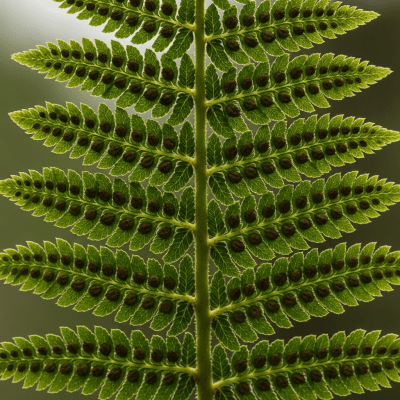
Like all ferns, Athyriaceae reproduce via spores produced in sori on the undersides of their fronds. Their life cycle alternates between a dominant sporophyte stage—the leafy fern plant—and a smaller, independent gametophyte stage that produces gametes. Spores released from the sori germinate into gametophytes, which upon fertilization develop into new sporophytes, completing the cycle.

Athyriaceae ferns contribute significantly to forest understory biodiversity, stabilizing soil and maintaining moisture in shaded habitats. Their fronds provide shelter and microhabitats for various invertebrates, while their presence supports ecosystem complexity in temperate and montane forests worldwide.
While many Athyriaceae species are widespread and not currently threatened, habitat loss and environmental changes pose risks to some localized or specialized species. Conservation efforts focus on habitat preservation and monitoring, though the family as a whole does not have a unified conservation status.
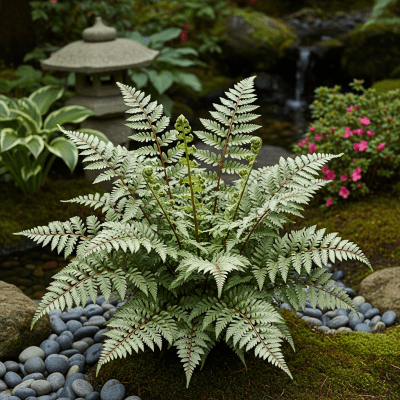
Popular species within Athyriaceae include the lady fern (Athyrium filix-femina), prized for its graceful fronds, and the vegetable fern (Diplazium esculentum), valued both ornamentally and culinarily. Genera such as Deparia also feature in horticulture, appreciated for their adaptability and delicate foliage.