
Maidenhair Spleenwort
Asplenium trichomanes, commonly known as maidenhair spleenwort, is a small, delicate fern recognized for its slender dark stipes and pinnate fronds, thriving primarily on rocky substrates across temperate regions.
Asplenium trichomanes, commonly known as maidenhair spleenwort, is a small, delicate fern recognized for its slender dark stipes and pinnate fronds, thriving primarily on rocky substrates across temperate regions.
First described by Carl Linnaeus in 1753, Asplenium trichomanes was identified in Europe, with its type specimen collected and preserved at the Linnaean Herbarium (LINN 1265.1). This species naturally evolved within the Aspleniaceae family, without human intervention or hybridization.
Asplenium trichomanes belongs to the kingdom Plantae and division Monilophyta, class Polypodiopsida, order Polypodiales, family Aspleniaceae, and genus Asplenium. It is a key species within this genus, which comprises diverse ferns often adapted to lithophytic habitats.
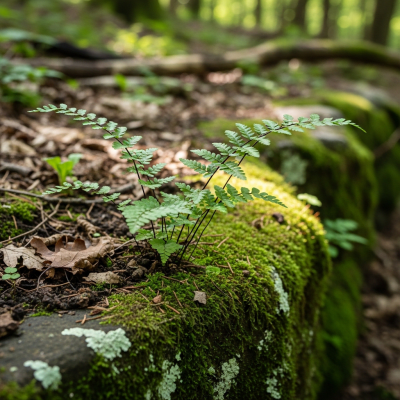
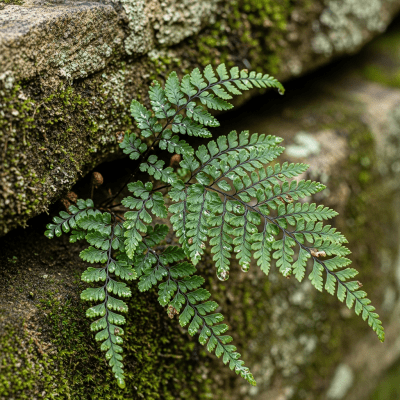
This fern exhibits fronds ranging from 5 to 30 centimeters in length, characterized by slender, dark, wiry stipes and rachises. Its pinnate fronds bear numerous small, rounded to oblong green pinnae arranged alternately. Evergreen or semi-evergreen depending on climate, it forms compact tufts or clumps, well adapted to cling to rocky crevices and walls.
Asplenium trichomanes thrives on calcareous or siliceous rocky substrates, walls, and ledges, favoring shaded or semi-shaded environments. Its drought tolerance allows it to persist in urban and challenging habitats. While primarily ornamental, it also contributes ecologically by forming microhabitats and aiding in the restoration of historic stonework.
Bring this kind into your world illustrated posters, mugs, and shirts.
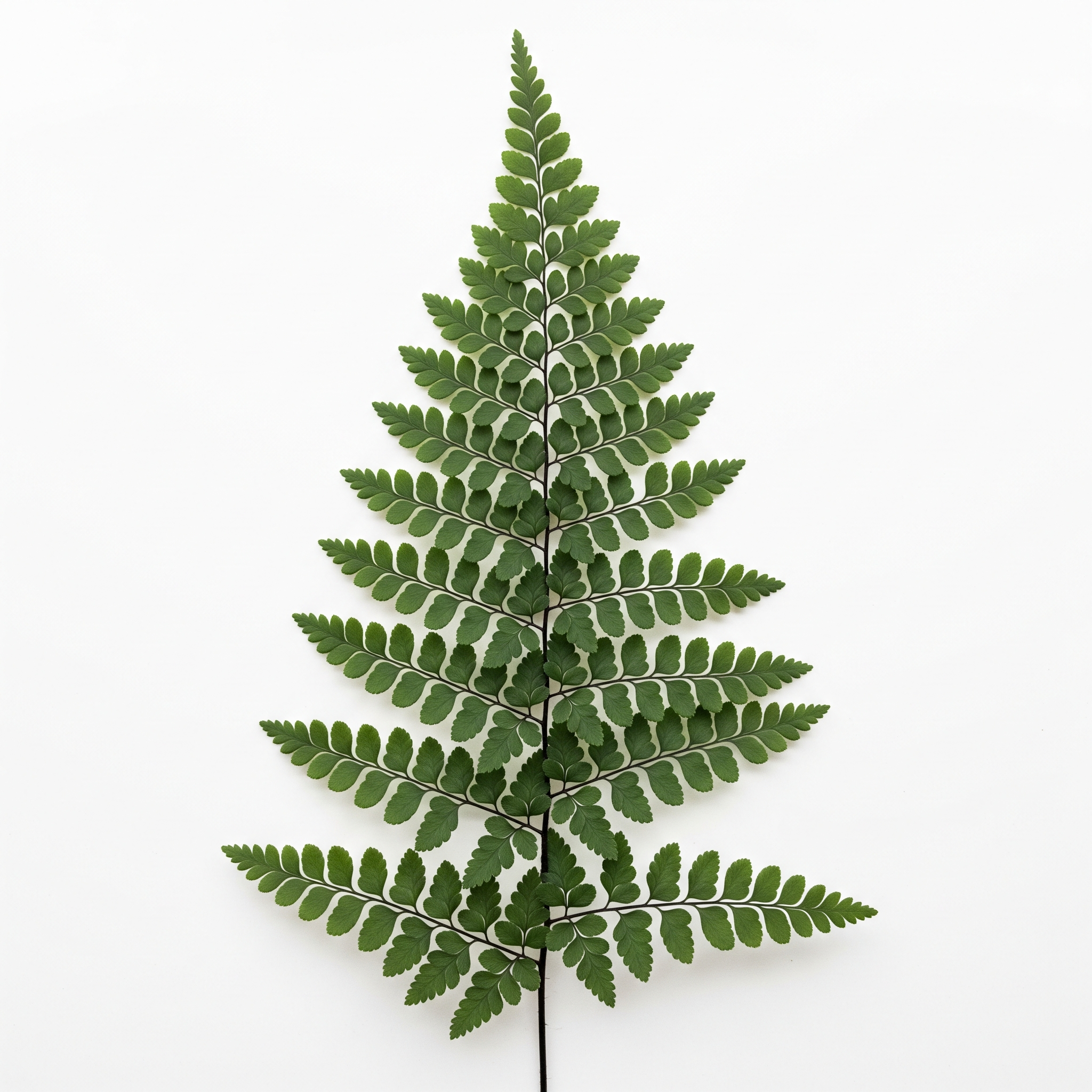
Archival print, museum-grade paper
Buy Poster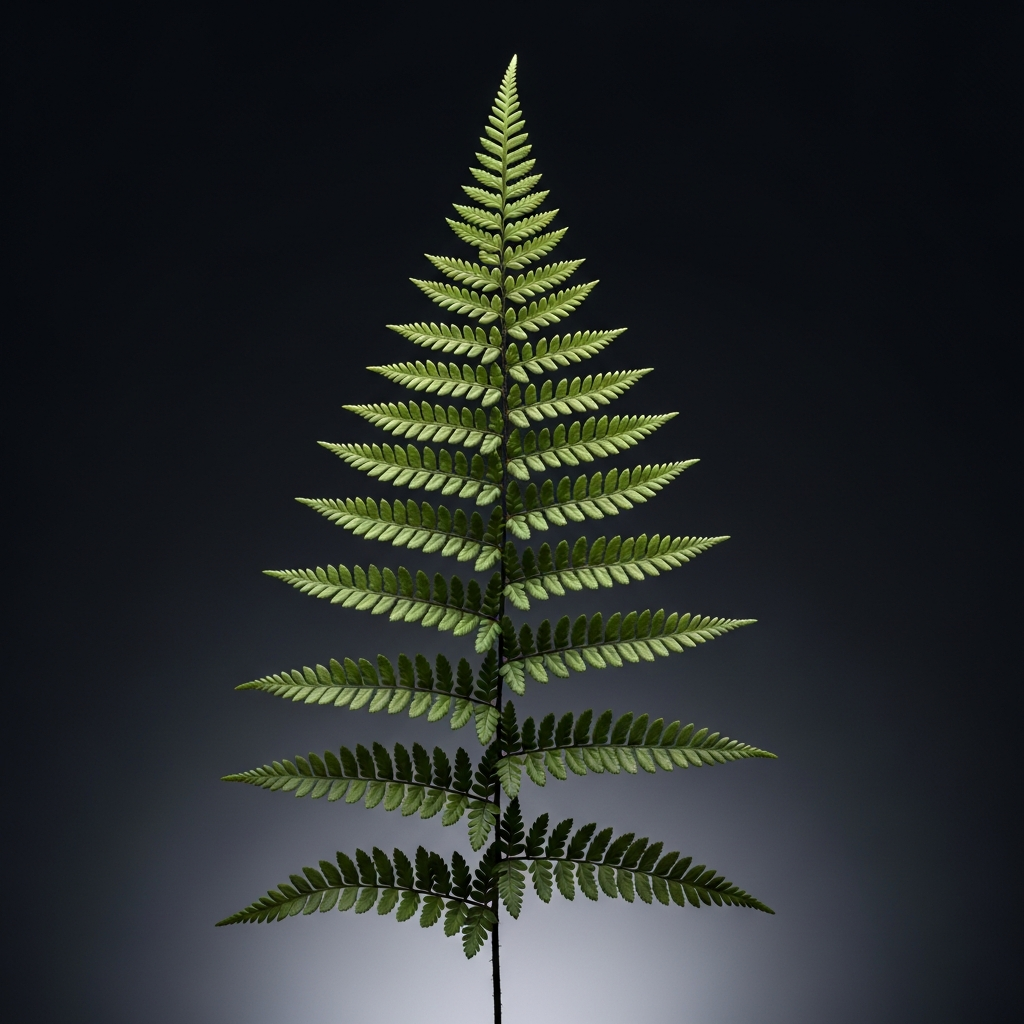
Stoneware mug, dishwasher safe
Buy Mug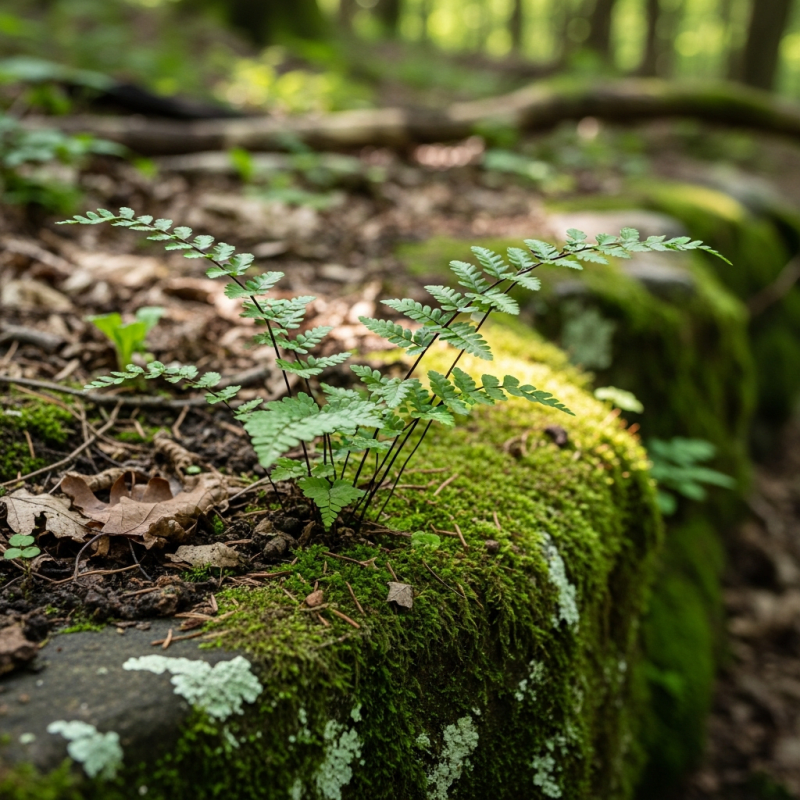
Soft cotton tee, unisex sizes
Buy ShirtThough Asplenium trichomanes lacks prominent cultural or symbolic roles, it holds value in specialist horticulture and rock garden design. Its delicate form and adaptability make it a favored choice among fern enthusiasts and conservationists focused on preserving natural stone habitats.
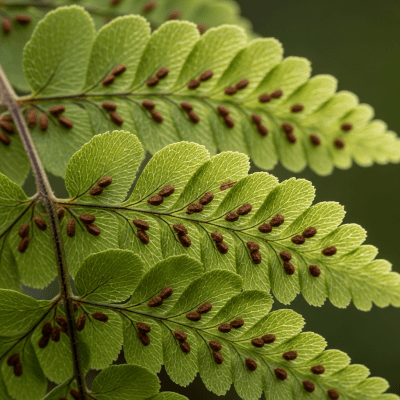
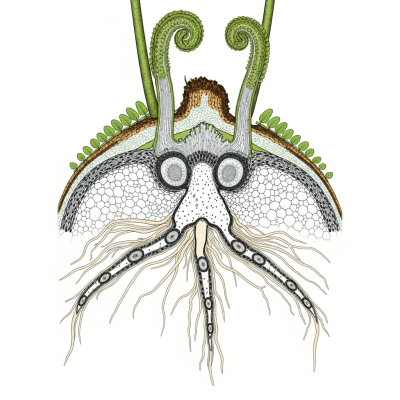
Like all ferns, Asplenium trichomanes reproduces via spores produced in sori located along the veins on the underside of its pinnae. These spores disperse to germinate into gametophytes, which then develop into new sporophyte plants. This life cycle includes independent gametophyte and sporophyte stages, typical of leptosporangiate ferns.

Asplenium trichomanes plays an important role in stabilizing rocky microhabitats and contributing to biodiversity on calcareous and siliceous substrates. By colonizing crevices and walls, it helps create microenvironments that support invertebrates and other small organisms, enhancing ecosystem complexity.
This species is widespread and currently not considered threatened. Its adaptability to diverse rocky habitats, including urban areas, supports stable populations. No significant conservation concerns have been recorded, though monitoring of regional subspecies and habitat integrity remains important.
Asplenium trichomanes includes several recognized subspecies and varieties, such as var. incisum, subsp. quadrivalens, and var. pachyrachis, which differ subtly in morphology and regional distribution. These variants are of interest to botanists and horticulturists, though no widely cultivated cultivars are registered.