
Bird’s-Nest Fern
Asplenium nidus, commonly known as the bird’s-nest fern, is a striking epiphytic fern native to tropical Asia, Australia, and the Pacific, recognized for its large rosette of glossy, undivided fronds forming a nest-like crown.
Asplenium nidus, commonly known as the bird’s-nest fern, is a striking epiphytic fern native to tropical Asia, Australia, and the Pacific, recognized for its large rosette of glossy, undivided fronds forming a nest-like crown.
First described by Carl Linnaeus in 1753, Asplenium nidus was identified from specimens collected in tropical Asia. Its type specimen is preserved at the Swedish Museum of Natural History, anchoring its botanical identity within humid tropical forest ecosystems.
Asplenium nidus belongs to the family Aspleniaceae within the order Polypodiales, class Polypodiopsida, and division Monilophyta. It is part of the diverse genus Asplenium, which encompasses many fern species characterized by their sori arrangement and frond morphology.
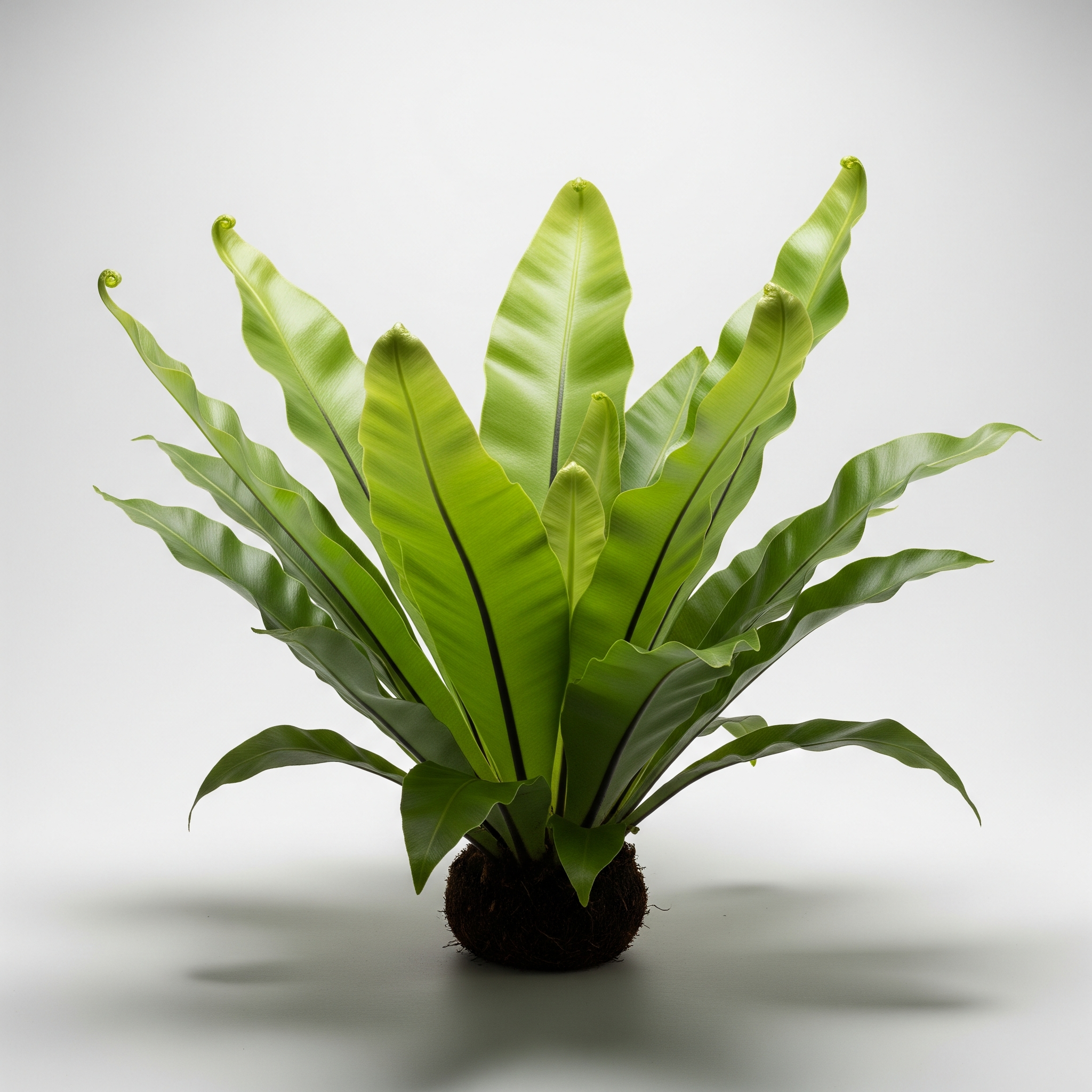
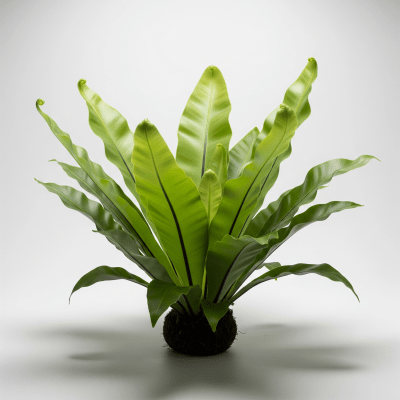
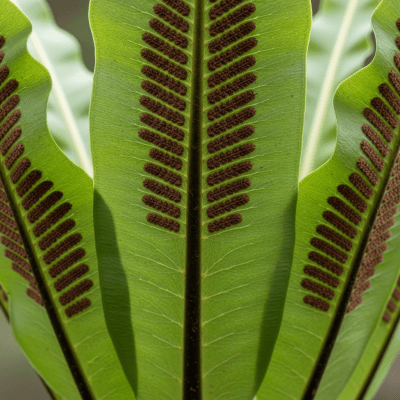
This fern forms a distinctive rosette of simple, lance-shaped, glossy green fronds that can reach up to 1.5 meters in length and 20 centimeters in width. The fronds are entire and undivided, lacking pinnae, with a prominent black midrib. Emerging from a central nest-like crown, the fronds collect organic debris, creating a natural reservoir.
Asplenium nidus thrives as an epiphyte or lithophyte in humid, shaded tropical forests, tolerating low light and high humidity. It is widely cultivated as an ornamental houseplant due to its elegant form and adaptability indoors. Propagation is commonly achieved through spores or division. In some tropical regions, young fronds are occasionally eaten as a vegetable, though this use is limited.
Bring this kind into your world illustrated posters, mugs, and shirts.
Archival print, museum-grade paper
Buy Poster
Stoneware mug, dishwasher safe
Buy Mug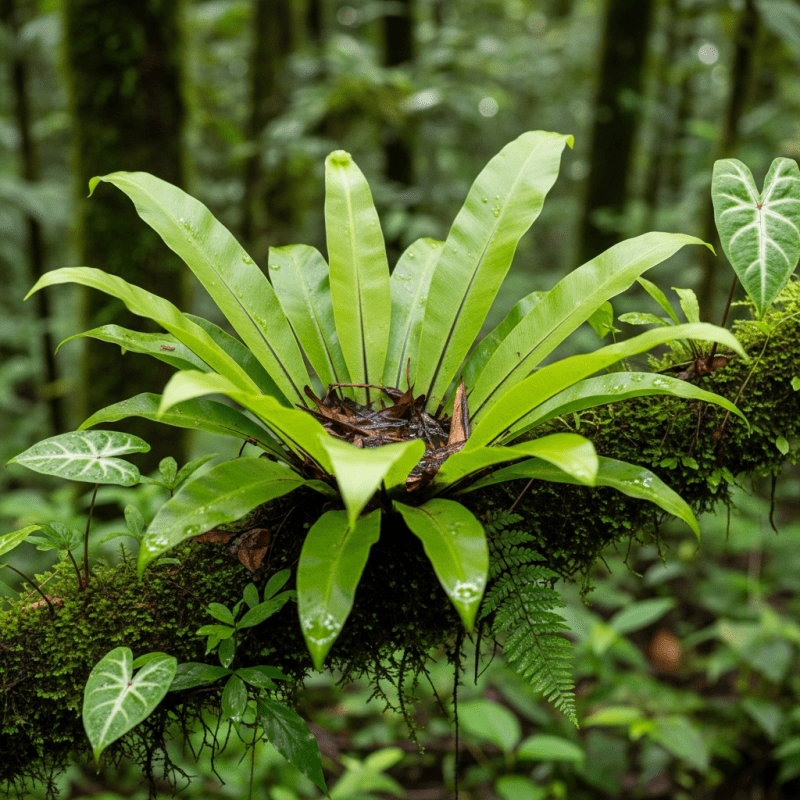
Soft cotton tee, unisex sizes
Buy ShirtWhile Asplenium nidus holds no widespread symbolic role, it is valued in horticulture and traditional gardens for its lush, nest-like appearance. In parts of Polynesia and Southeast Asia, it features modestly in local culinary practices, reflecting its integration into human culture beyond ornamentation.
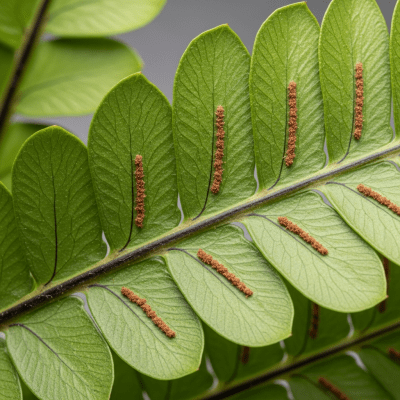
Like all ferns, Asplenium nidus reproduces via spores produced in linear sori arranged parallel to the midrib on the underside of mature fronds. Spores disperse into the environment, germinating into a gametophyte stage that develops independently before producing gametes. Fertilization leads to the growth of a new sporophyte, completing the life cycle. This alternation of generations allows the species to colonize suitable habitats effectively.

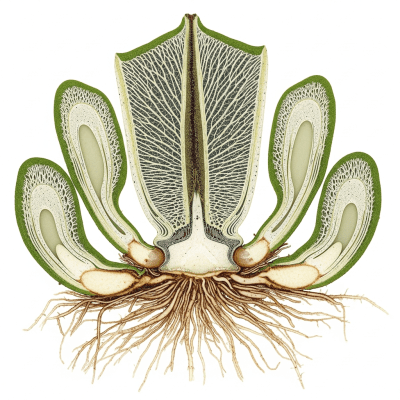

Asplenium nidus plays a vital role in tropical forest ecosystems as an epiphyte, creating microhabitats within its nest-like rosette that collect organic debris and moisture. This fosters invertebrate communities and aids nutrient cycling in forest canopies. Its presence contributes to overall biodiversity and forest health.
Currently, Asplenium nidus is not listed as threatened and maintains stable populations across its native range. However, habitat loss from deforestation and climate change could pose future risks. Its popularity in cultivation helps reduce wild collection pressure, supporting conservation indirectly.
The species complex around Asplenium nidus includes closely related taxa such as Asplenium antiquum, which is often confused with it. While no formally registered cultivars are widely recognized, the bird’s-nest fern remains a favored choice for indoor and landscape planting due to its striking form and ease of care.