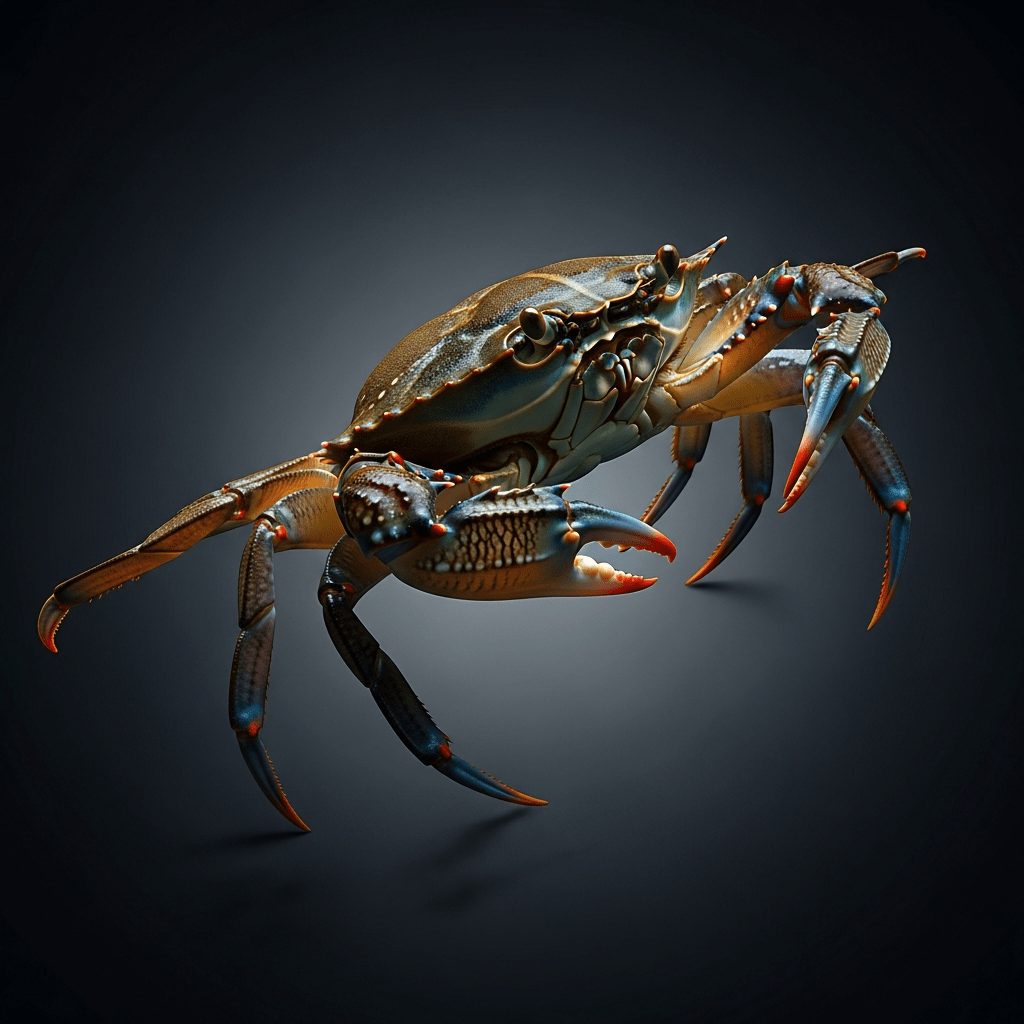
Swimming Crab
The swimming crab is a member of the family Portunidae, known for its distinctive flattened hind legs that enable agile swimming in marine and estuarine waters worldwide.
The swimming crab is a member of the family Portunidae, known for its distinctive flattened hind legs that enable agile swimming in marine and estuarine waters worldwide.
Swimming crabs trace their scientific origins to the early 19th century, with the family Portunidae first described by Rafinesque in 1815. This lineage sits firmly within the infraorder Brachyura, order Decapoda, and has since been refined through ongoing molecular and morphological research, revealing a diverse group of species adapted to various aquatic environments globally.
Belonging to the family Portunidae within the infraorder Brachyura, swimming crabs are true crabs characterized by their taxonomic placement among decapod crustaceans. This family includes multiple genera such as Portunus and Callinectes, which encompass some of the most recognized and economically important species in the group.
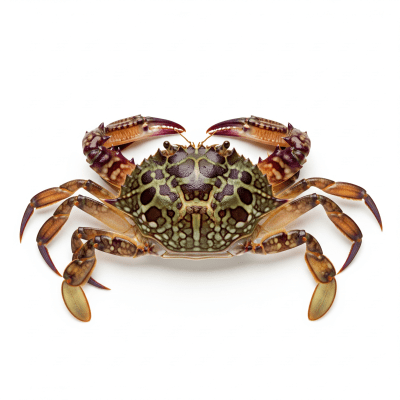
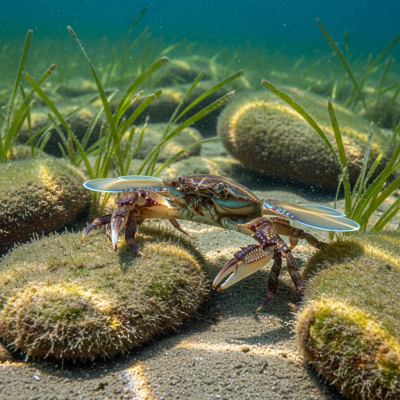
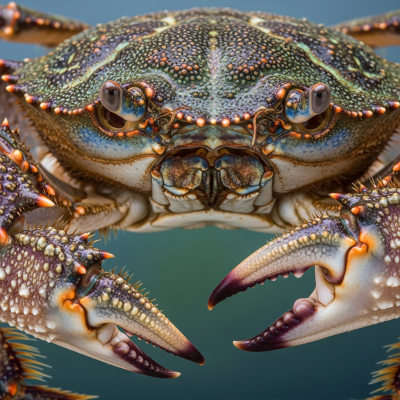
Swimming crabs typically possess a broad, often oval carapace that can reach up to 20 centimeters in width. Their coloration varies by species, commonly displaying shades of blue, green, or brown, often accented with distinctive markings. A hallmark feature is their flattened fifth pair of legs, evolved into paddle-like appendages that facilitate swift swimming. These crabs exhibit a robust form suited for both agility and defense.
Known for their fast and aggressive nature, swimming crabs are opportunistic feeders that actively hunt and scavenge in their habitats. Their swimming ability allows them to evade predators and explore diverse environments. They play an important ecological role as both predators and prey within marine food webs, while humans utilize them extensively for culinary purposes and commercial fisheries.
Bring this kind into your world illustrated posters, mugs, and shirts.
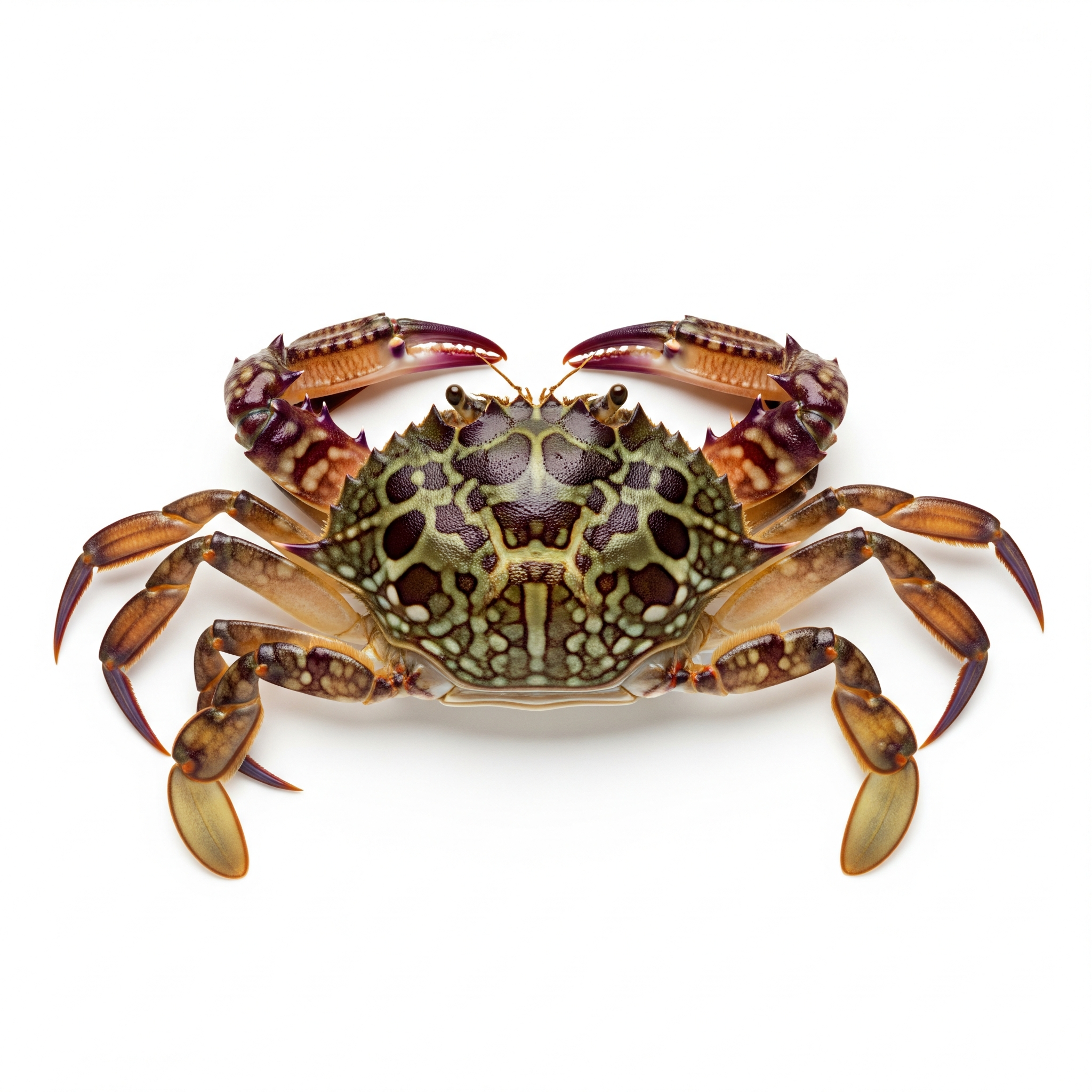
Archival print, museum-grade paper
Buy Poster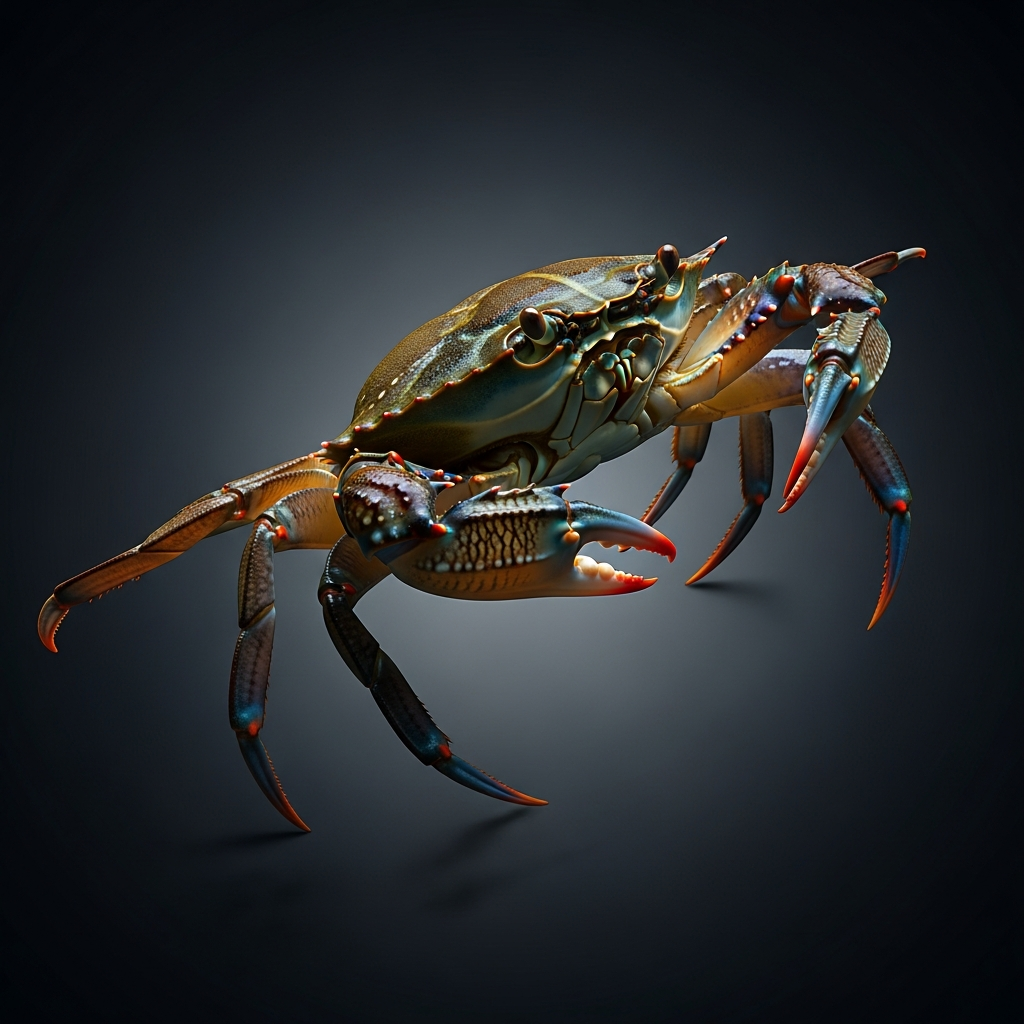
Stoneware mug, dishwasher safe
Buy Mug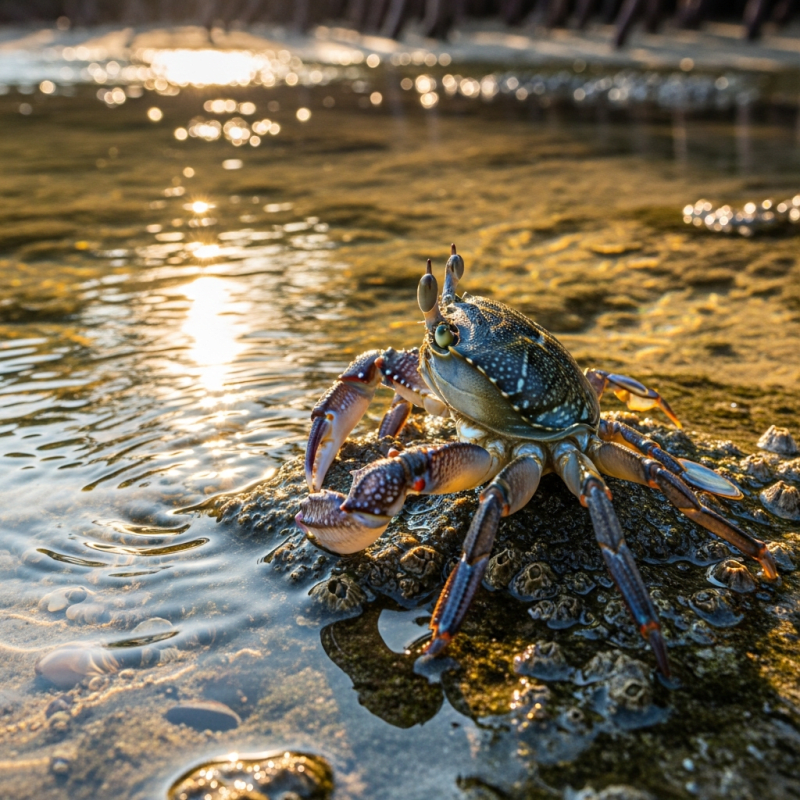
Soft cotton tee, unisex sizes
Buy ShirtSwimming crabs hold a valued place in various culinary traditions around the world. They feature prominently in East Asian dishes such as Chinese crab roe and Korean gejang, as well as in American classics like crab cakes. Beyond cuisine, their striking appearance and behavior have inspired artistic representations and local folklore in coastal communities where they are harvested.
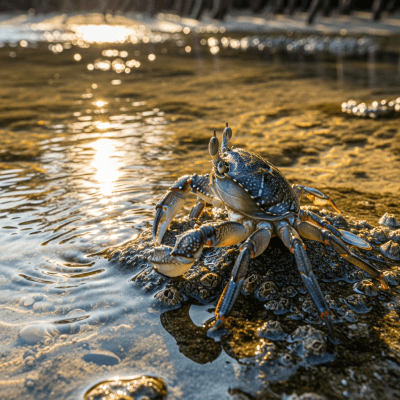
Swimming crabs occupy a broad range of marine and estuarine habitats across the globe. Their adaptability allows them to thrive in diverse environments, from shallow coastal waters to estuaries with varying salinity. Ecologically, they serve as both predators and prey, feeding opportunistically on smaller animals and organic matter while providing sustenance for fish, birds, and humans alike. Their swimming ability enhances their mobility and survival in dynamic aquatic ecosystems.
Swimming crabs undergo complex life cycles influenced by environmental factors such as temperature and salinity. They reproduce sexually, with females carrying fertilized eggs until hatching. Larvae pass through multiple planktonic stages before settling to the benthic juvenile form. Growth and molting rates vary among species but are generally rapid, allowing some populations to recover quickly. Lifespans typically span one to several years, depending on species and habitat conditions.
While many swimming crab species remain abundant, they face threats from overfishing, habitat degradation, and pollution. Some populations are monitored to prevent decline, supported by fisheries management and conservation measures. Their resilience varies, with certain species capable of rapid recovery under favorable conditions, yet ongoing environmental pressures necessitate continued attention to sustainable harvesting and habitat protection.
Beyond their culinary value, swimming crabs impact humans through fisheries that support livelihoods and economies worldwide. They are also subjects of aquaculture, with commercial breeding programs established to meet demand. Additionally, their presence influences coastal ecosystem health, serving as indicators of environmental quality. However, human activities such as pollution and habitat alteration can negatively affect their populations, underscoring the importance of responsible management.