Stone Crab
The stone crab (Menippe mercenaria) is a robust true crab native to the western Atlantic and Gulf of Mexico, renowned for its large, powerful claws that are sustainably harvested as a prized seafood delicacy.
The stone crab (Menippe mercenaria) is a robust true crab native to the western Atlantic and Gulf of Mexico, renowned for its large, powerful claws that are sustainably harvested as a prized seafood delicacy.
First described by Thomas Say in 1818, the stone crab belongs to the family Menippidae and has a well-established taxonomic lineage. It thrives naturally in the western Atlantic and Gulf of Mexico, with all commercial populations sourced from wild stocks rather than artificial breeding or hybridization.
The stone crab is classified within the infraorder Brachyura, family Menippidae, genus Menippe. As a true crab, it shares the characteristic broad, short carapace and tucked abdomen typical of brachyurans, distinguishing it from related crustaceans such as hermit or king crabs.
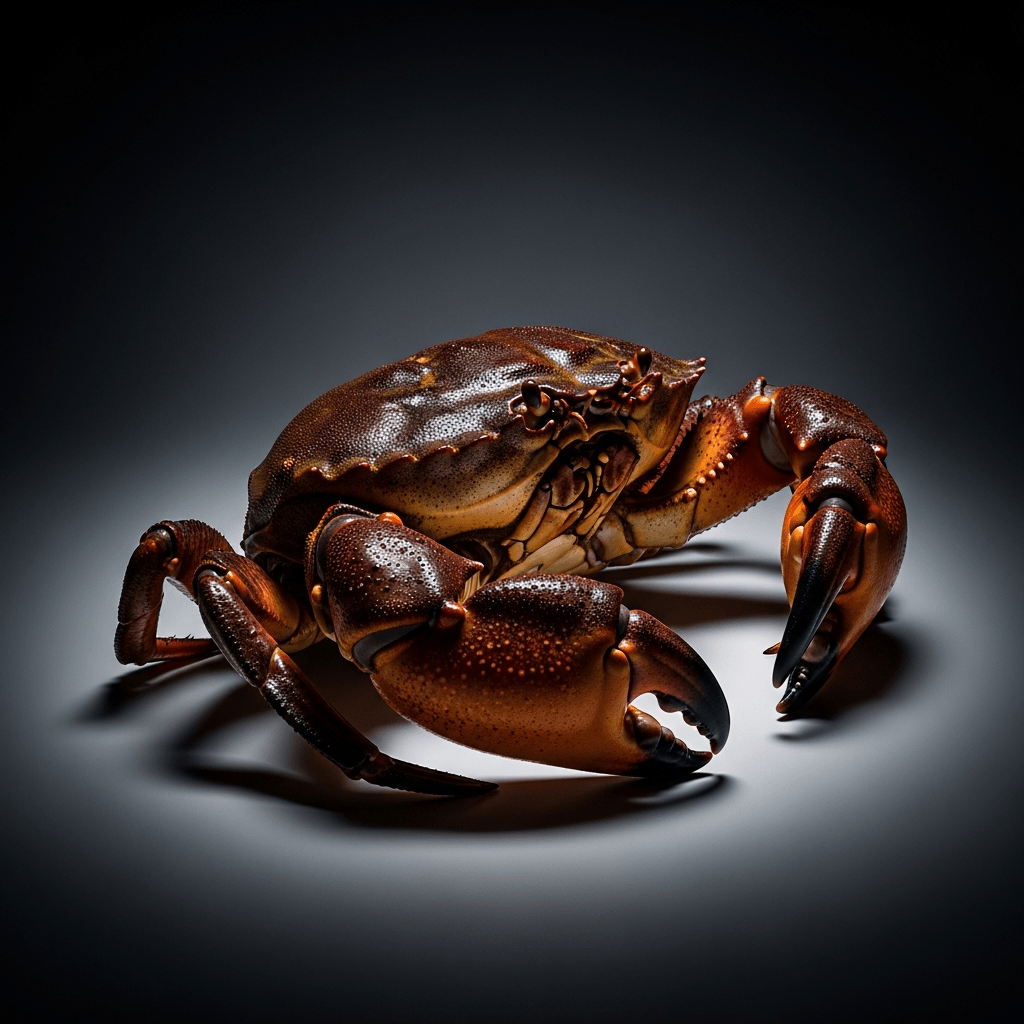
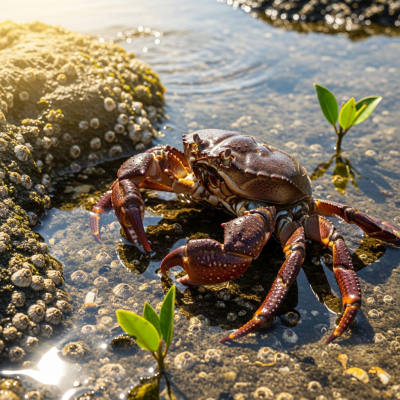
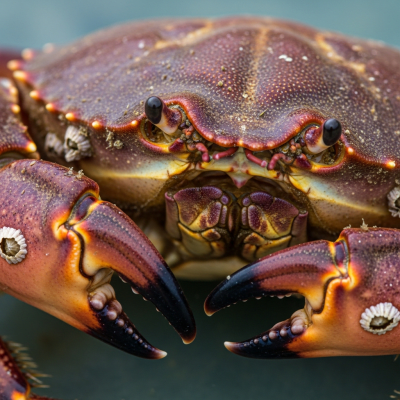
Stone crabs possess a thick, oval carapace measuring around 14 cm in width, colored from tan to dark brown with mottled patterns. Their most distinctive feature is a pair of oversized black-tipped claws, which are exceptionally strong and capable of regenerating if lost. This formidable appearance reflects their adaptation to rocky and estuarine habitats.
These crabs are opportunistic carnivores, feeding on mollusks, small crustaceans, and detritus. They exhibit episodic growth with molting occurring less frequently in adults. Notably, stone crabs can survive partial limb loss, regenerating claws over several molts. Their claws are harvested selectively, allowing the crab to live and regrow, a practice that supports sustainable fisheries.
Bring this kind into your world illustrated posters, mugs, and shirts.
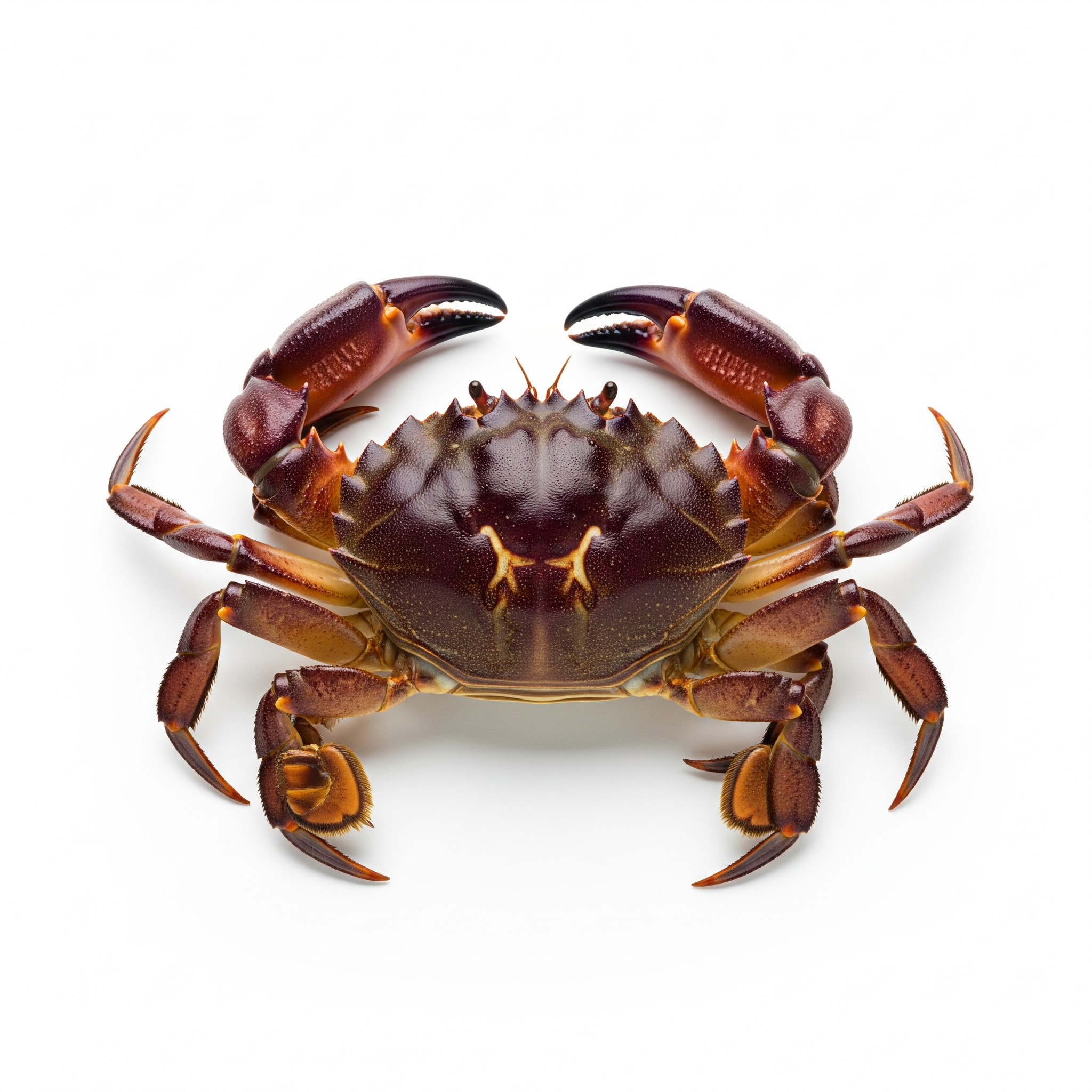
Archival print, museum-grade paper
Buy Poster
Stoneware mug, dishwasher safe
Buy Mug
Soft cotton tee, unisex sizes
Buy ShirtStone crab claws hold a special place in the culinary traditions of Florida and the southeastern United States, celebrated as a regional delicacy often served chilled with mustard sauce. Beyond cuisine, the species symbolizes sustainable seafood harvesting practices and contributes to local cultural identity tied to coastal fisheries.
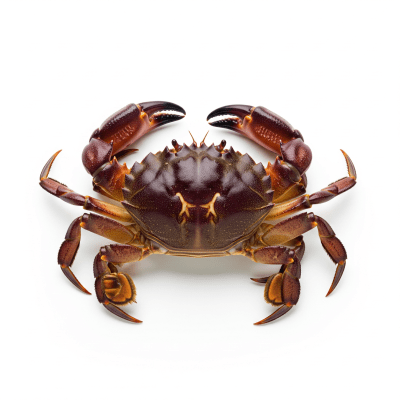
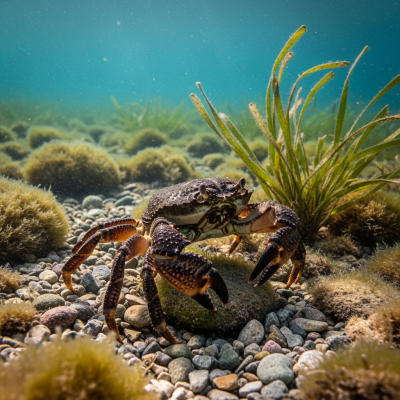
Stone crabs inhabit shallow marine and estuarine environments along the western Atlantic and Gulf coasts. They prefer rocky substrates, oyster reefs, sandy bottoms, and seagrass beds where they can find shelter and abundant prey. Ecologically, they play a role as opportunistic carnivores, controlling populations of mollusks and small crustaceans while contributing to the benthic food web.
Stone crabs reproduce through seasonal breeding, with females carrying fertilized eggs until larvae hatch and enter planktonic stages. Juveniles settle into benthic habitats as they mature. Growth is marked by molting, which becomes less frequent in adults. Lifespan and maturation rates vary, but adults typically reach full size with a carapace width around 14 cm.
While stone crabs face vulnerabilities from overfishing and habitat degradation, strict fishery regulations—including size limits, seasonal closures, and claw-only harvest—help maintain sustainable populations. Current management practices aim to balance economic interests with ecological preservation, supporting stable stock levels.
Humans benefit from stone crabs primarily through their valued claws, which are harvested sustainably and form an important part of regional seafood economies. Recreational fishers also target stone crabs, contributing to local culture and tourism. Beyond culinary uses, the species highlights successful sustainable harvesting models and informs conservation efforts in coastal fisheries.