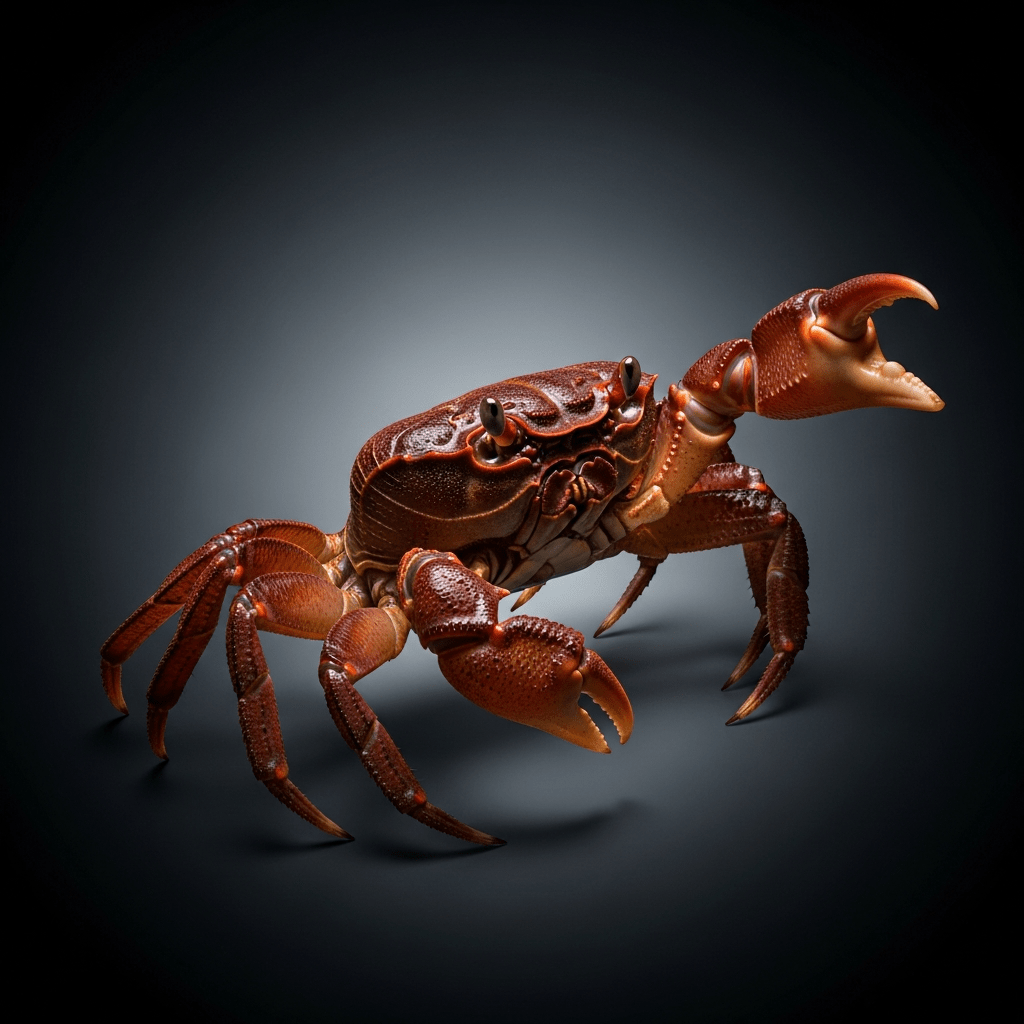
Potamon Crab
The Potamon Crab is a genus of true freshwater crabs adapted to life in inland waters across southern Europe, North Africa, and western Asia.
The Potamon Crab is a genus of true freshwater crabs adapted to life in inland waters across southern Europe, North Africa, and western Asia.
First described by Savigny in 1816, the Potamon genus emerged from the family Potamidae, marking an evolutionary shift from marine to freshwater habitats. These crabs were identified by naturalists exploring Mediterranean and Eurasian freshwater fauna during the 19th century, establishing their place as one of the few Brachyuran groups thriving away from the sea.
Potamon crabs belong to the family Potamidae within the infraorder Brachyura, the true crabs. This genus is distinguished by its freshwater adaptation, setting it apart from many marine relatives and aligning it with other freshwater decapods in evolutionary terms.
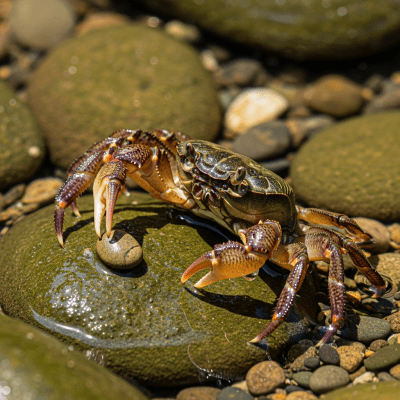
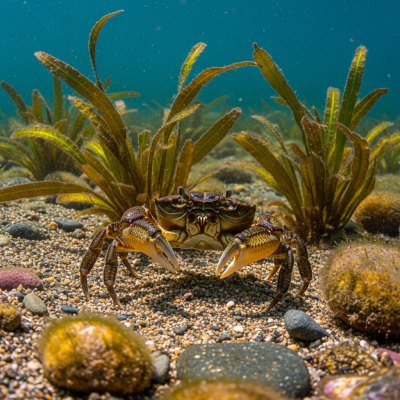
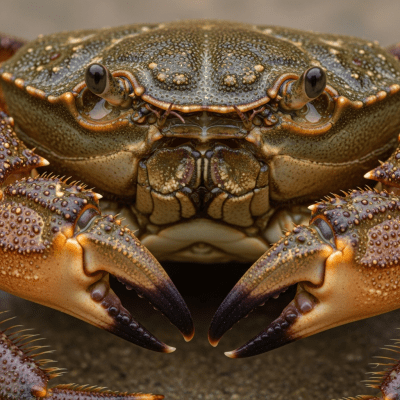
Potamon crabs feature a robust, often squarish carapace typically around 3 centimeters wide, colored from olive-brown to dark green with lighter undersides. Their claws are strong and asymmetrical, designed for defense and feeding, while their well-developed walking legs and reduced swimming appendages reflect a primarily benthic and terrestrial lifestyle.
These crabs lead a benthic, terrestrial existence, often burrowing to survive dry periods. Omnivorous scavengers by nature, they feed on detritus, plant material, and small invertebrates. Their behavior includes adaptations to fluctuating freshwater environments, though they remain sensitive to pollution and habitat disturbance.
Bring this kind into your world illustrated posters, mugs, and shirts.
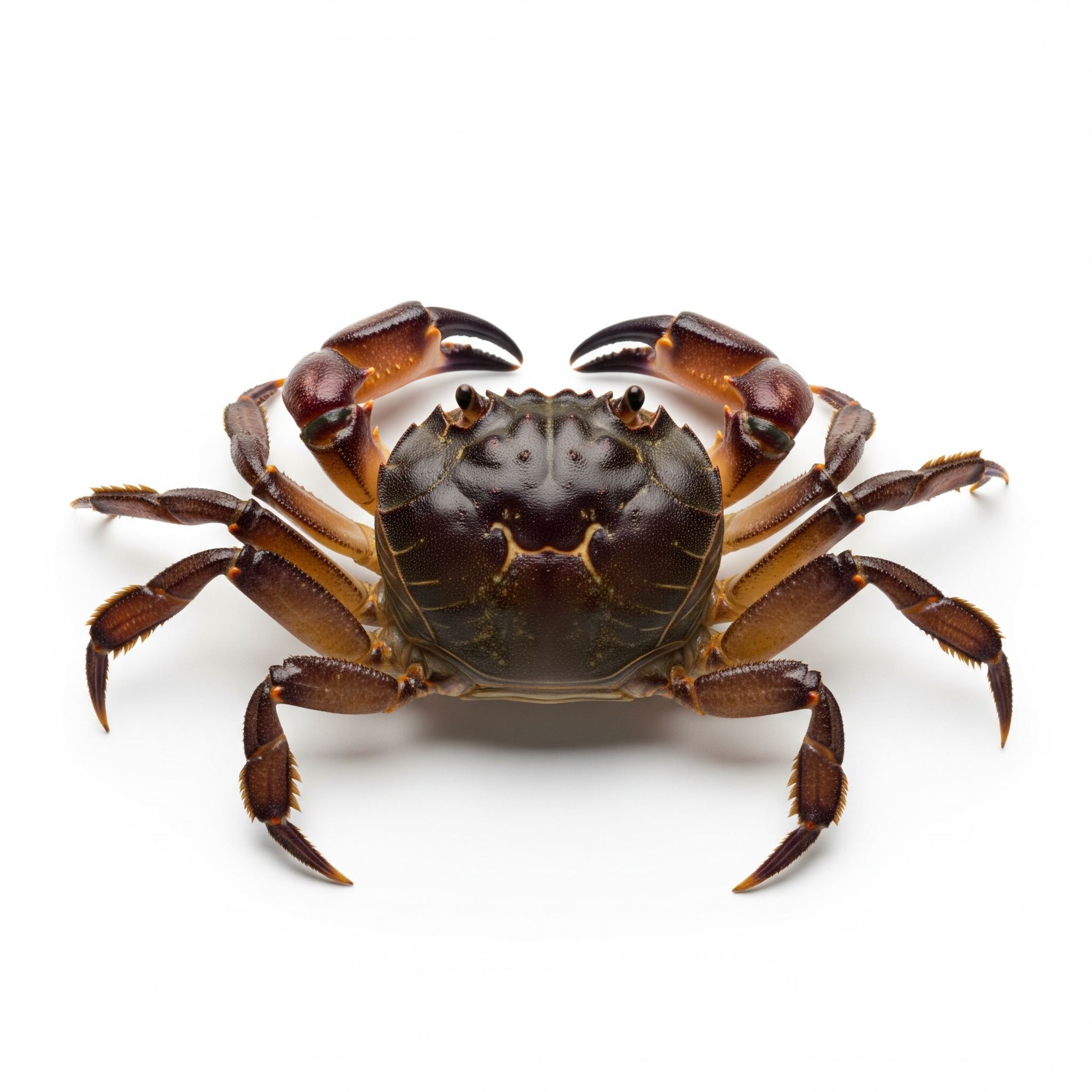
Archival print, museum-grade paper
Buy Poster
Stoneware mug, dishwasher safe
Buy Mug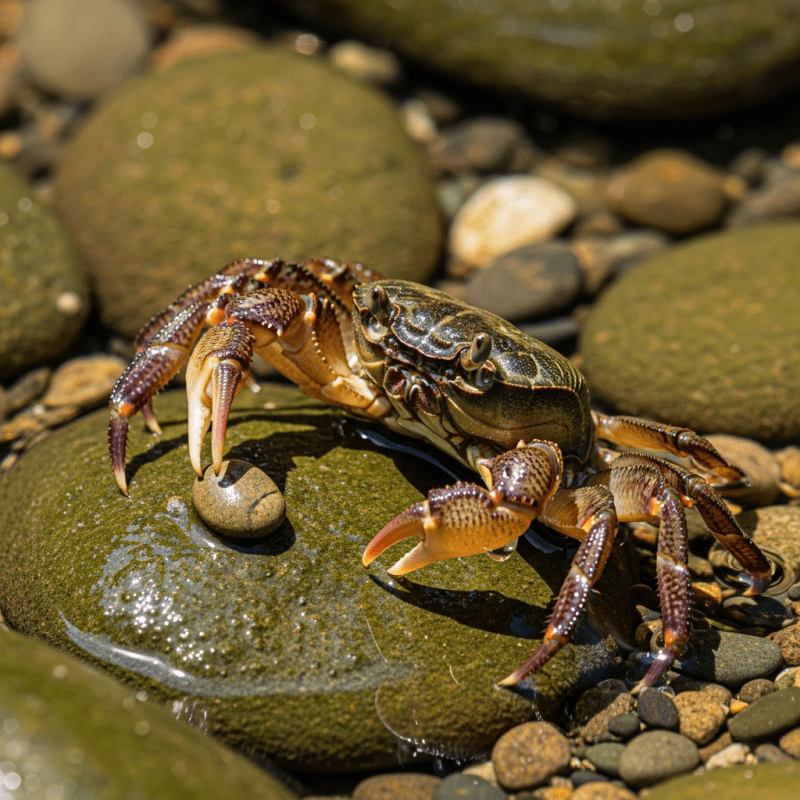
Soft cotton tee, unisex sizes
Buy ShirtWhile not prominent in widespread cultural narratives, Potamon crabs hold local ecological importance within their native regions. They occasionally appear in rural diets but are primarily valued for their role in freshwater ecosystems rather than as cultural icons or culinary staples.
Potamon crabs inhabit freshwater environments such as rivers and streams across southern Europe, North Africa, and western Asia. Their ecological role includes scavenging organic matter and small invertebrates, contributing to nutrient cycling within benthic freshwater ecosystems. Adapted to terrestrial tendencies, they can burrow to withstand dry spells, though they remain vulnerable to pollution and habitat fragmentation.
Potamon crabs reproduce through direct development, meaning their offspring hatch as miniature versions of adults without a free-swimming larval phase. Growth rates and life cycles vary among species, with molting and sexual maturity timed according to environmental conditions. This reproductive strategy suits their freshwater and often terrestrial habitats.
While not widely assessed on a global scale, Potamon crabs face threats from habitat fragmentation, pollution, and water quality degradation. Their sensitivity to environmental changes underscores the need for freshwater habitat protection to maintain stable populations across their native range.
Humans impact Potamon crabs primarily through habitat alteration and pollution, which threaten their freshwater environments. Although they are occasionally consumed locally, they hold limited commercial or aquaculture value. Their ecological presence benefits freshwater ecosystems, indirectly supporting human interests in biodiversity and water quality.